Aug 20, 2026News & Insights
Are Reusable Water Bottles Really Helping?
Reusable water bottles reduce plastic waste, lower long-term costs, and support healthier hydration when made from safe materials and used consistently.
Are Reusable Water Bottles Really Helping?
Are you wondering if your collection of eco-friendly water bottles is actually making a positive environmental impact, or just creating more household clutter? Buying multiple reusable bottles without using them consistently defeats the purpose of sustainable living and wastes valuable resources.
Reusable water bottles really help the environment when used consistently enough to offset their initial manufacturing footprint. A single durable bottle used daily can eliminate hundreds of single-use plastic bottles per year, drastically reducing landfill waste, ocean pollution, and greenhouse gas emissions associated with bottled water production and transport.
When I started my career in a humble printing factory, I saw businesses distribute cheap, flimsy promotional bottles that ended up in trash bins after a single week. Later, I founded Latitude Experience Pte Ltd to help marketing managers and conscious consumers choose durable, high-utility drinkware and lifestyle products. Reusable water bottles are not an automatic environmental cure; their real value lies in daily utility, product lifespan, and responsible maintenance. Let us examine how reusable bottles perform against disposables and how to make the healthiest choices.
Are Reusable Water Bottles Worth It?
Are you hesitating to spend $20 to $40 on a premium reusable bottle when disposable bottled water seems cheap and convenient? Failing to calculate the long-term financial and environmental cost of single-use bottles can drain your wallet and increase plastic waste.
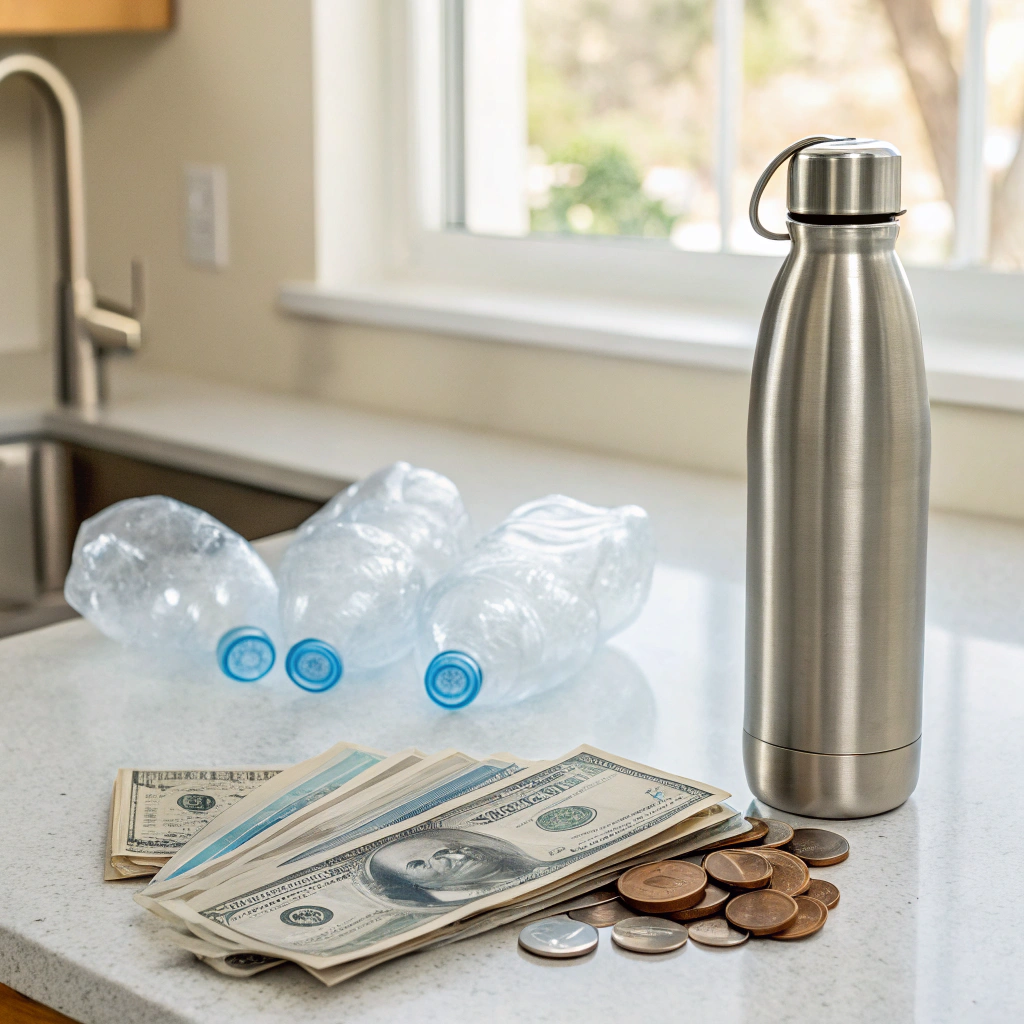
Yes, reusable water bottles are absolutely worth it financially and environmentally. A quality reusable bottle pays for itself within just a few weeks of daily use compared to purchasing commercial bottled water, while preventing an average of 150 to 300 disposable plastic bottles from entering landfills each year.
The Break-Even Point of Daily Reuse
During my decades in product manufacturing and material testing, I evaluated the life cycle assessment (LCA) of various drinkware materials. Producing a stainless steel or heavy-duty Tritan bottle consumes more energy and raw materials upfront than molding a single thin PET bottle.
However, because you use a durable bottle repeatedly over 3 to 5+ years, its environmental footprint drops significantly per sip. A stainless steel bottle offsets its carbon footprint in roughly 20 to 50 uses, after which every refill represents pure environmental and financial savings.
Hydration Choice | Average Annual Cost (2L/day) | Bottles Sent to Landfill/Year | Carbon Footprint Impact |
|---|---|---|---|
Single-Use Bottled Water | $500 – $1,200+ | ~1,000+ plastic bottles | High (Extraction, transport, disposal) |
Reusable 304 Stainless Steel Bottle | $25 – $40 (One-time cost) | 0 single-use bottles | Offsets footprint after ~1–2 months |
Reusable BPA-Free Tritan Bottle | $12 – $20 (One-time cost) | 0 single-use bottles | Offsets footprint after ~2–3 weeks |
Investing in a well-engineered reusable bottle saves you hundreds of dollars annually while actively protecting ecosystems from plastic pollution.
Should I Avoid Reusable Plastic Water Bottles?
Are you worried that reusable plastic containers might leach dangerous chemicals or microplastics into your daily drinking water? Ignoring container materials can expose your body to hormone-disrupting compounds when bottles are exposed to heat or sun.
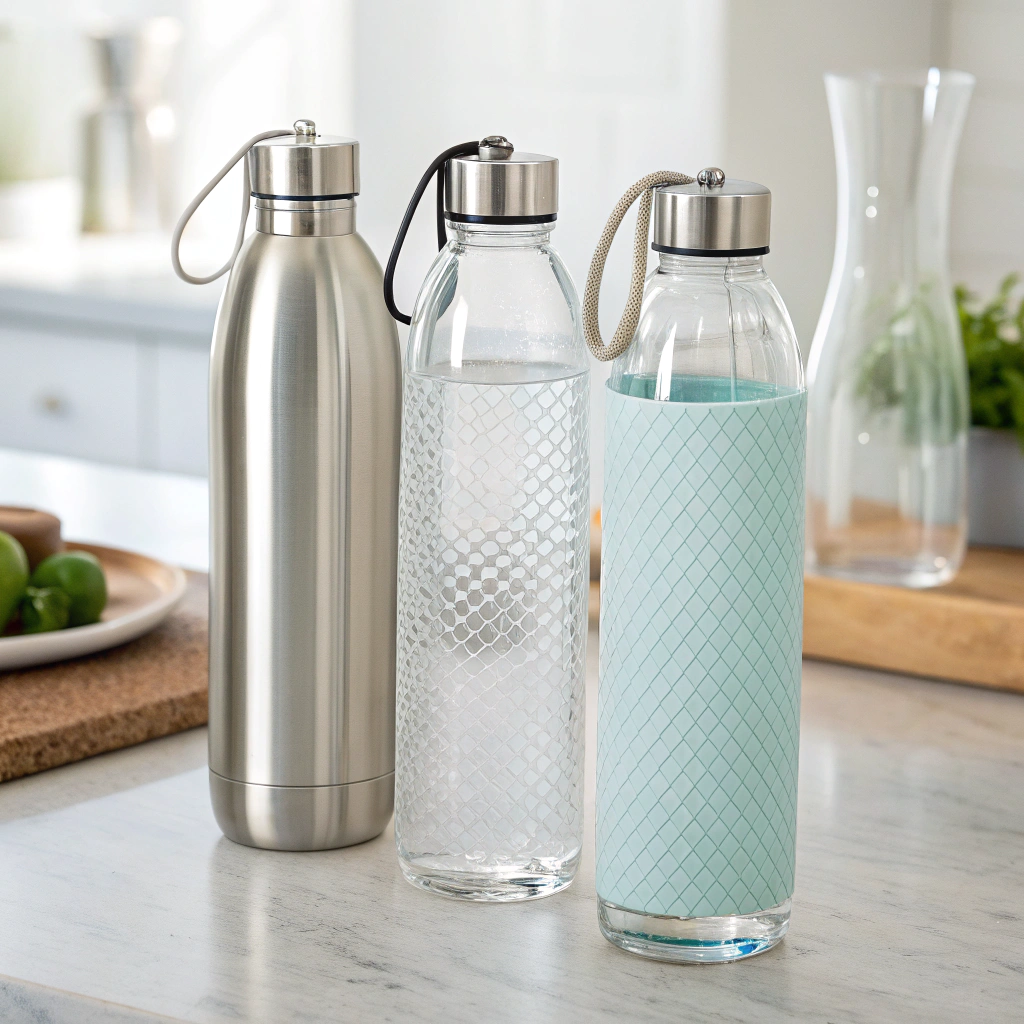
You do not need to avoid all reusable plastic water bottles, but you should avoid cheap, non-certified plastics and older containers containing Bisphenol A (BPA) or phthalates. High-grade, certified BPA-free Tritan co-polyester is shatterproof, lightweight, and safe, though food-grade 304 stainless steel or borosilicate glass remain the healthiest non-leaching alternatives.
Material Safety, Heat Resistance, and Hygiene
At Latitude Experience Pte Ltd, marketing managers like Jacky frequently ask me whether plastic or stainless steel is better for daily team use. In my factory inspection experience, low-grade plastic bottles scratch easily on the inside during cleaning. Micro-scratches harbor bacteria and trap odors over time.
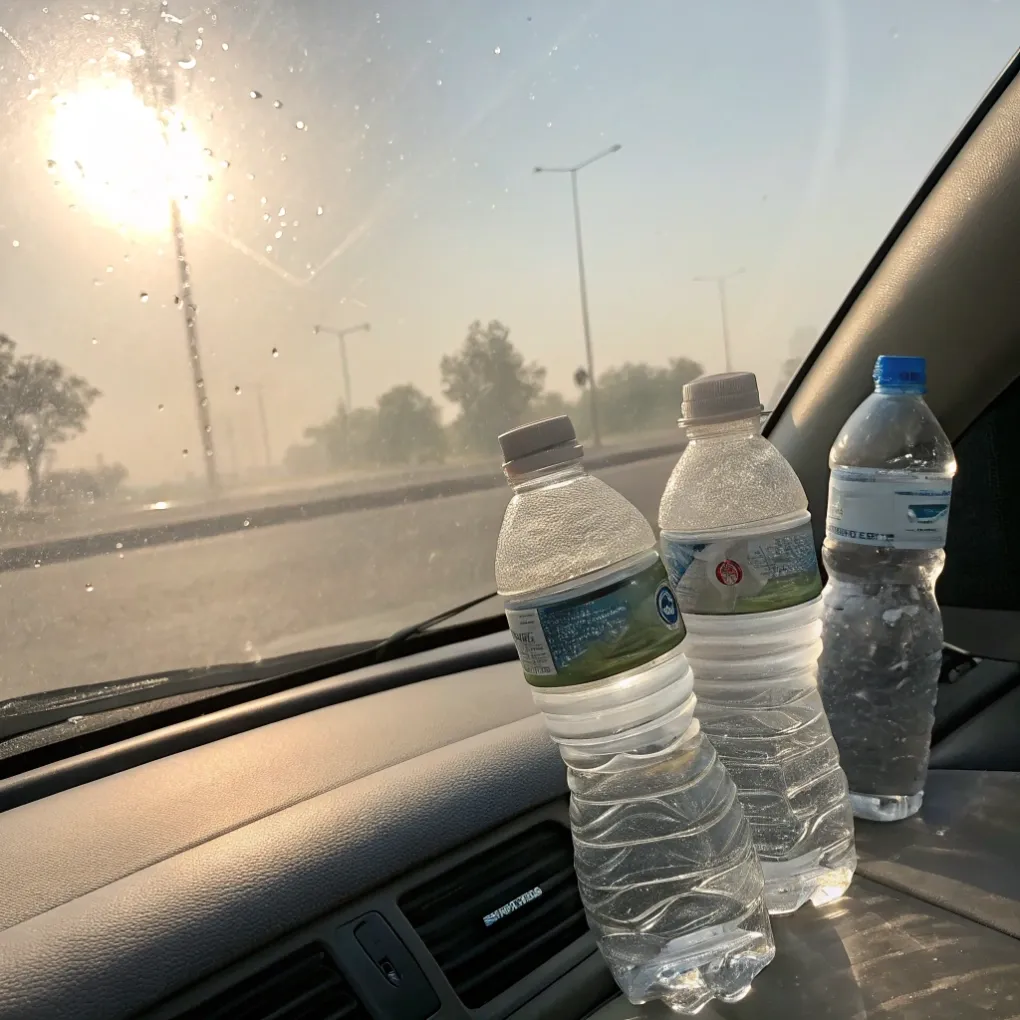
Furthermore, leaving low-grade plastic bottles in a hot car can cause chemical degradation. If you choose plastic, always opt for certified BPA-free and BPS-free Tritan. If your priority is maximum chemical neutrality and long-term durability, choose double-wall vacuum-insulated stainless steel.
Bottle Material Type | Chemical Leaching Risk | Weight & Portability | Durability / Lifespan | Best Application |
|---|---|---|---|---|
Food-Grade 304 Steel | Zero (Non-reactive) | Moderate (Heavier) | 5 to 10+ Years | Daily office, commuting, gym, travel |
BPA-Free Tritan Plastic | Extremely Low | Ultralight | 2 to 4 Years | Hiking, running, sports, lightweight travel |
Borosilicate Glass | Zero (100% inert) | Heavy & fragile | Indefinite (If not dropped) | Home desk, indoor yoga, clean dining |
Cheap Low-Grade Plastic | Moderate to High (Under heat) | Light | Under 1 Year (Scratches easily) | Not recommended for long-term reuse |
Selecting certified, food-safe materials ensures your hydration habits remain healthy, hygienic, and free from synthetic toxins.
What Is the Unhealthiest Bottled Water to Drink?
Are you paying premium prices for store-bought bottled water assuming it is naturally pure and healthy? Many commercial bottled waters contain hidden microplastics, questionable chemical contaminants, or acidic pH levels.
The unhealthiest bottled water to drink is low-grade municipal tap water packaged in cheap, thin single-use PET bottles exposed to heat or direct sunlight. Studies show that disposable plastic bottles can leach thousands of microplastic particles and phthalates into water, especially when stored in warm warehouses or vehicles.
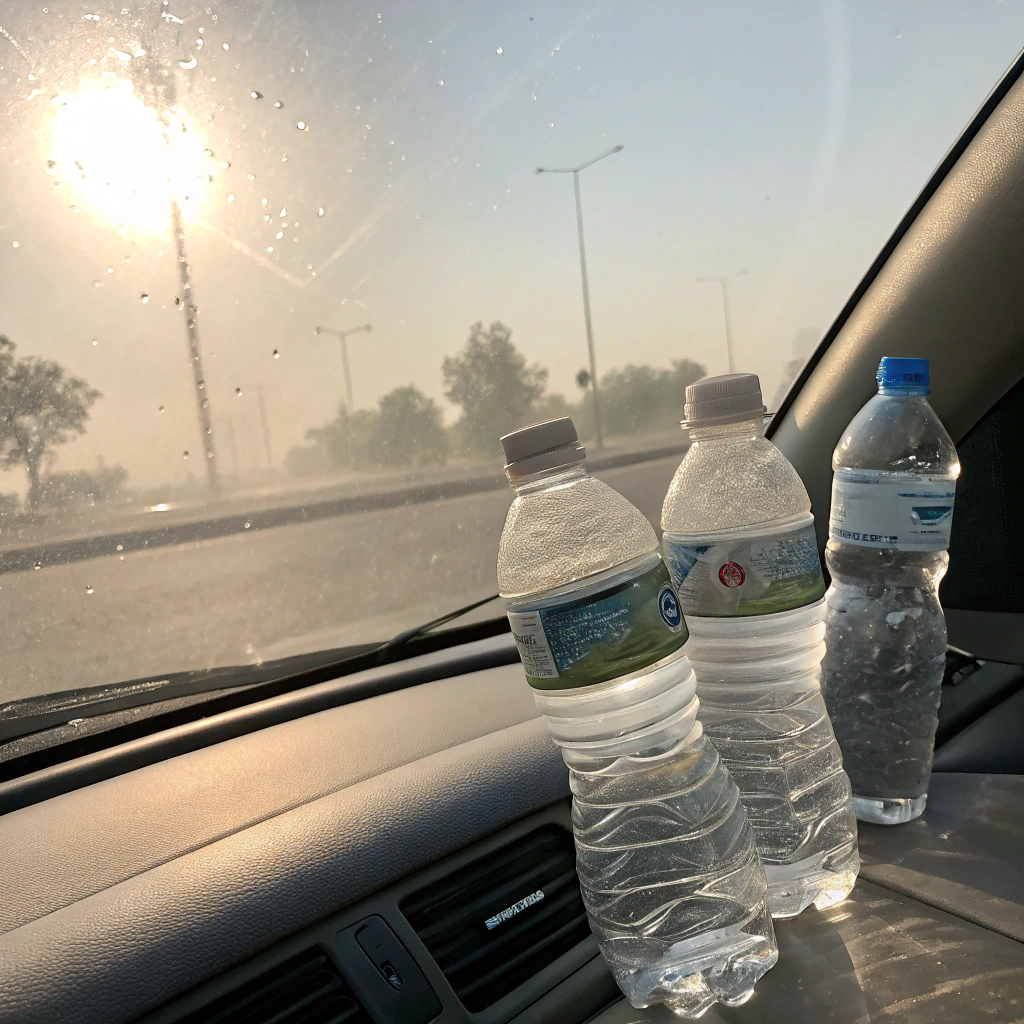
Understanding Bottled Water Risks: Microplastics and Water Source
Throughout my career in the manufacturing and branding industry, I have tracked consumer trends in beverage packaging. Many consumers do not realize that nearly half of commercial bottled water is simply filtered municipal tap water sold at a 2,000% markup.
The biggest health concern with disposable bottled water is microplastic shedding. Thin PET bottles degrade under UV rays and temperature fluctuations, causing microscopic polymer fragments to detach directly into the water. Drinking from a reusable food-grade stainless steel bottle with filtered tap water eliminates single-use microplastic exposure entirely.
Bottled Water Category | Primary Health & Quality Concern | Environmental Status | Better Alternative |
|---|---|---|---|
Bottled Tap Water in PET | Microplastic contamination, chemical leaching in heat | High landfill pollution | Home-filtered water in a 304 steel bottle |
Flavored / “Enhanced” Water | Added artificial sweeteners, preservatives, acidity | Plastic waste + sugar additives | Fresh fruit infuser water bottle |
Cheap Distilled Water in Plastic | Lacks essential minerals, leaches plastic rapidly | Single-use plastic waste | Mineral-rich filtered water in reusable tote |
Choosing a reusable container filled with quality filtered water protects your body from chemical contaminants while ending the cycle of single-use plastic waste.
Conclusion
Reusable water bottles truly help the environment and personal wellness when crafted from durable food-grade materials, maintained with proper hygiene, and used consistently over years to replace disposable plastic packaging.