Sep 1, 2026Services Overview
Are Stainless Steel Water Bottles Safe?
Learn why stainless steel water bottles are considered safe for daily use. Discover their durability, BPA-free benefits, corrosion resistance, and tips for choosing high-quality bottles.
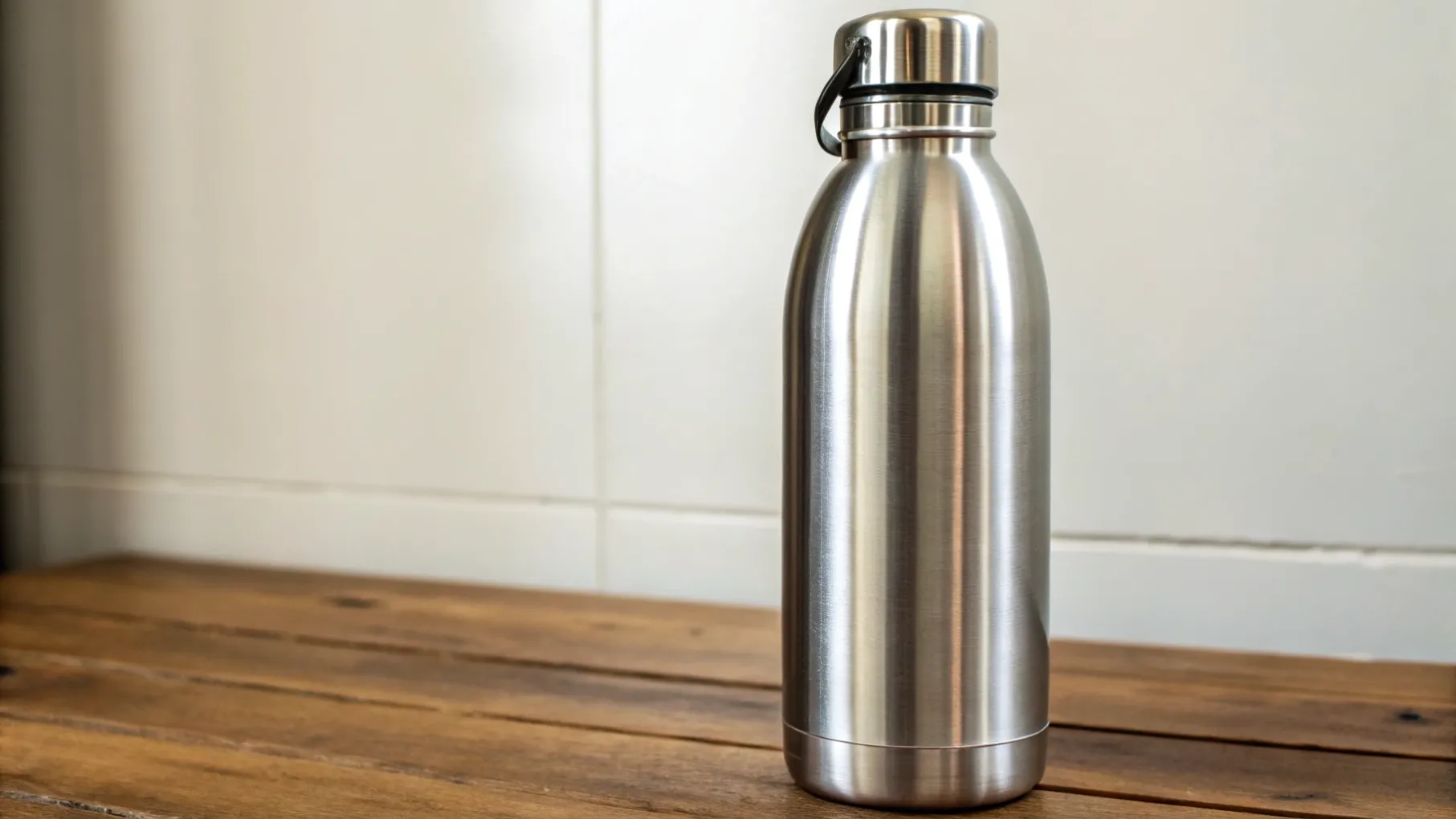
Are Stainless Steel Water Bottles Safe?
Do you worry that your reusable metal flask might leach dangerous chemicals or metallic tastes into your daily drinking water? Low-grade metal bottles risk your health and damage your company reputation.
Yes, food-grade 304 and 316 stainless steel water bottles are completely safe to drink from because they resist corrosion, release negligible trace minerals well below safety limits, and avoid toxic plastic liners.
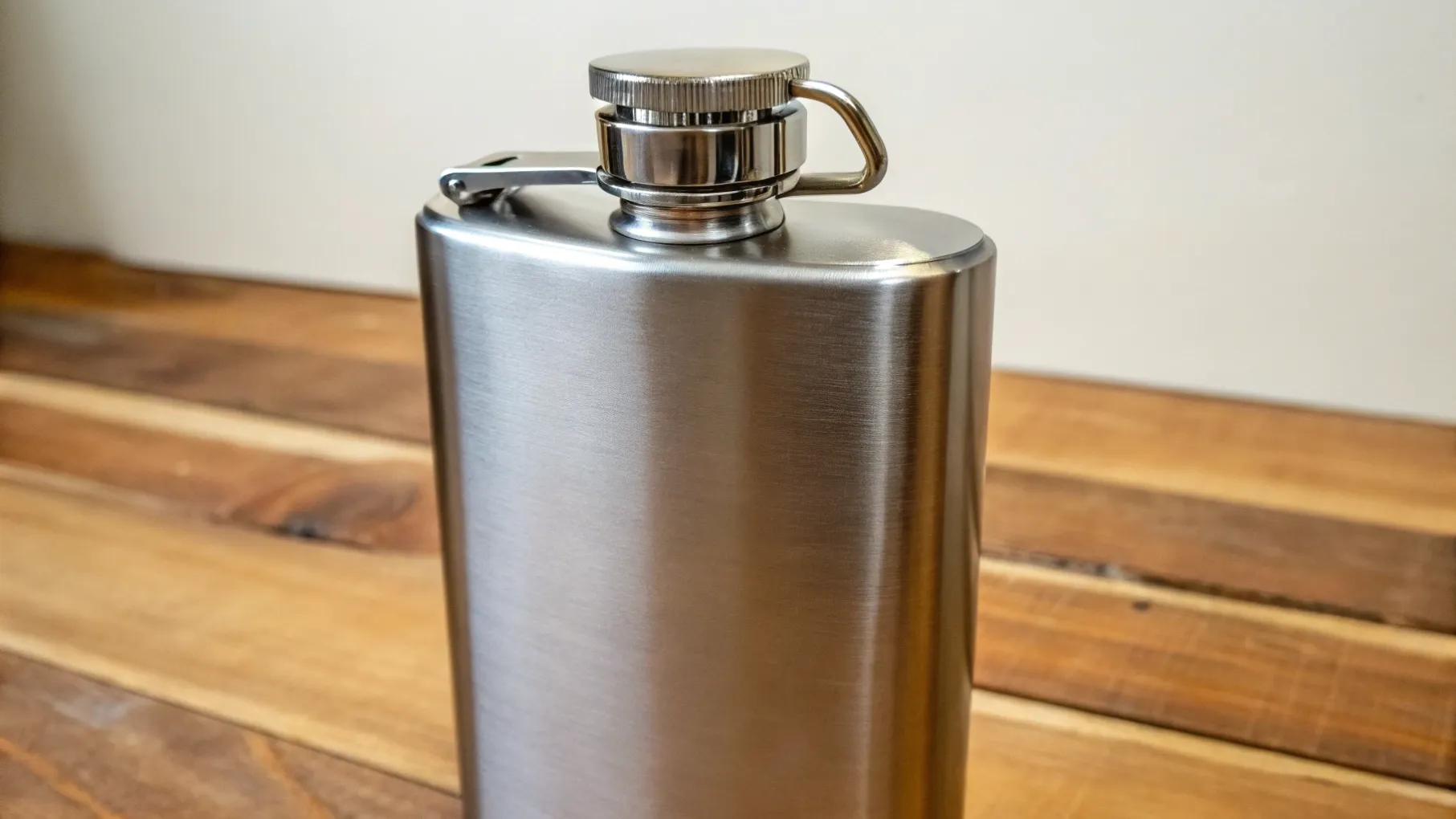
When I ran production lines in printing and manufacturing factories, clients often asked if metal bottles were truly safe. Simply seeing the words "stainless steel" on a product does not tell the whole story. Steel grade, manufacturing standards, and interior maintenance matter immensely. Let us look at how you can pick safe, reliable metal drinkware.
What Is the Healthiest Material for a Water Bottle?
Are you confused by the endless debate between glass, stainless steel, aluminum, and plastic drinkware? Choosing containers with hidden chemical linings can expose your body to unwanted toxins.
The healthiest materials for a water bottle are food-grade 304 or 316 stainless steel and thermal-shock-resistant borosilicate glass because both are non-toxic, chemical-free, non-porous, and naturally free from BPA and phthalates.
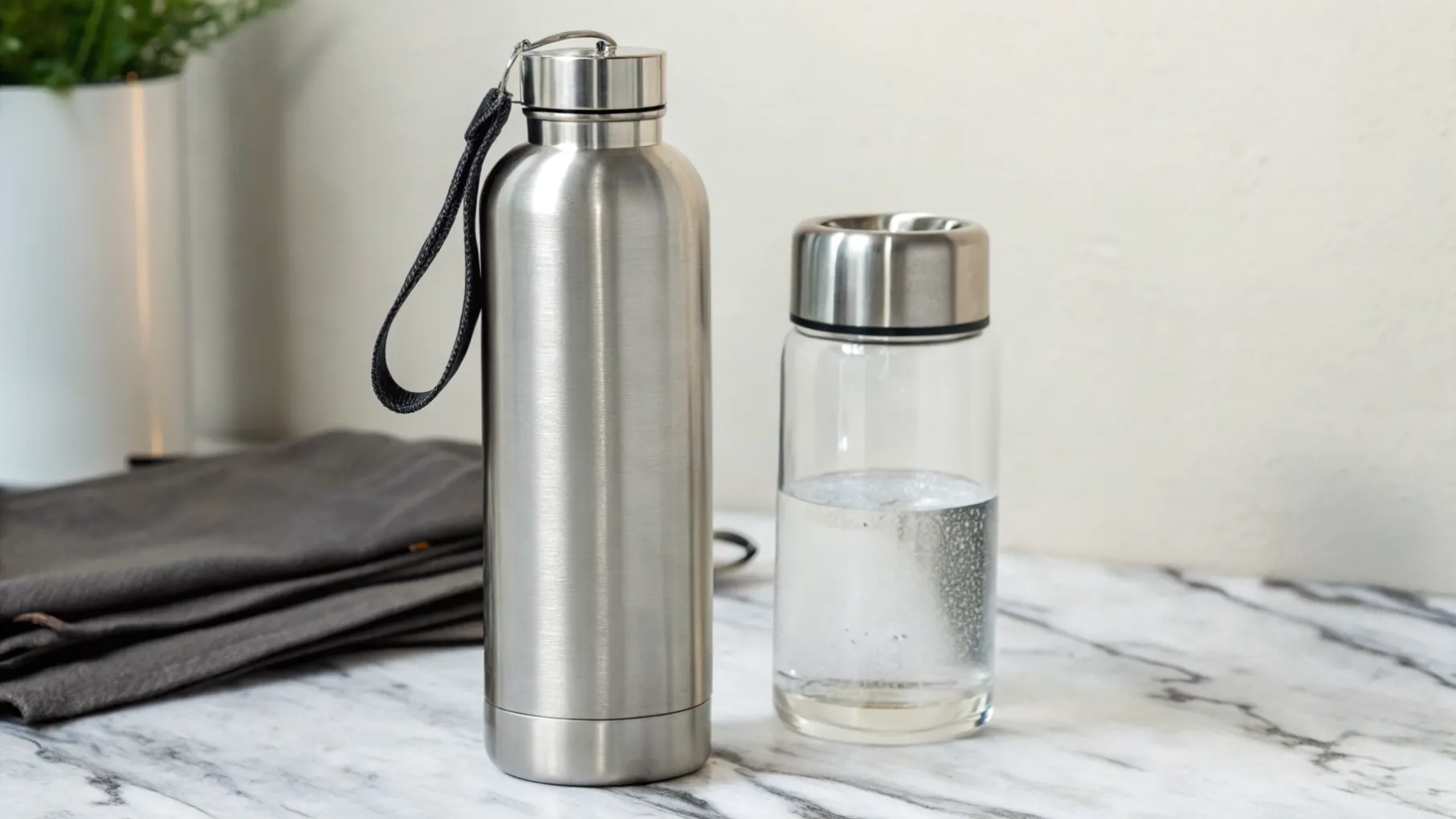
Comparing Core Drinkware Materials
When marketing managers like Jacky plan corporate wellness gifts, I always advise them to evaluate food-contact safety first. A healthy bottle must not leach chemicals, shed microplastics, or retain foul odors over time.
Glass provides a completely inert drinking surface that never alters the natural flavor of water, but it carries a higher risk of breaking when dropped. Food-grade stainless steel offers the best balance of health and durability. It provides a non-reactive metal surface that survives heavy daily drops without cracking. In contrast, cheap aluminum bottles require epoxy resin inner coatings that can degrade over time, while standard plastics shed microscopic plastic particles when washed in hot water.
Bottle Material Type | Chemical Leaching Risk | Impact Resistance | Thermal Insulation | Overall Health & Safety Rating |
|---|---|---|---|---|
304 / 316 Stainless Steel | None (Food-grade inert alloy) | High (Durable against heavy drops) | Excellent (Double-wall vacuum) | Outstanding (Safe, clean, and durable) |
Borosilicate Glass | None (100% chemically inert) | Low to Moderate (Fragile without sleeve) | Low (Needs thermal cover) | Outstanding (Purity without taste transfer) |
BPA-Free Tritan Plastic | Low at room temperature | High (Flexible and lightweight) | None (Single-wall design) | Moderate (May degrade under high heat) |
Lined Aluminum | Moderate if inner coating cracks | Moderate (Dents easily on impact) | Low (Single-wall design) | Fair (Relies on internal epoxy liners) |
Is a 304 Stainless Steel Bottle Safe?
Do you wonder if 304 stainless steel is safe for holding your morning coffee, tea, and fruit juices? Cheap metal alloys can rust and create unpleasant metallic flavors in your drinks.
Yes, 304 stainless steel is completely safe for water bottles because this food-grade 18/8 alloy contains 18% chromium and 8% nickel, creating a self-healing protective oxide layer that resists rust and prevents metal leaching.
Understanding 304 Alloy Properties and Maintenance
Grade 304 stainless steel is the international standard for commercial food preparation, dairy processing, and hospital equipment. Its chromium content reacts naturally with oxygen in the air to form an invisible, protective chromium oxide film. This passive layer stops rust, prevents corrosion, and keeps metal ions from migrating into your water.
However, bottle safety involves more than just the metal body. Many consumers assume that a stainless steel bottle is automatically BPA-free, but BPA concerns plastic lids, silicone straw valves, and rubber gaskets. To ensure complete safety, you must verify that all non-metal components use certified BPA-free polypropylene and food-grade silicone. A wide mouth opening also ensures you can scrub away daily residue and dry the interior completely.
Safety Factor | 304 Steel Standard | Budget / Low-Grade Alternative | Practical User Impact |
|---|---|---|---|
Alloy Composition | 18% Chromium / 8% Nickel | 201 Series (Low nickel, high manganese) | Resists corrosion and prevents metallic aftertastes |
Interior Finish | Smooth electropolished surface | Rough mechanical brushed finish | Prevents bacterial adhesion and speeds up washing |
Lid Components | BPA-free PP plastic and food silicone | Low-grade recycled plastic blends | Stops harmful chemical leaching into hot liquids |
Passivation Layer | Fully formed protective oxide film | Acid-damaged or unpassivated seams | Keeps acidic liquids from attacking metal walls |
What Is Better, 304 or 316 Stainless Steel?
Are you struggling to choose between 304 and 316 stainless steel bottles for your company merchandise? Understanding the difference in alloy composition helps you avoid overpaying while ensuring maximum corrosion resistance.
Grade 316 stainless steel is technically better for corrosion resistance because it contains 2% molybdenum, making it ideal for acidic or salty liquids, while 304 stainless steel is the best cost-effective choice for everyday water.
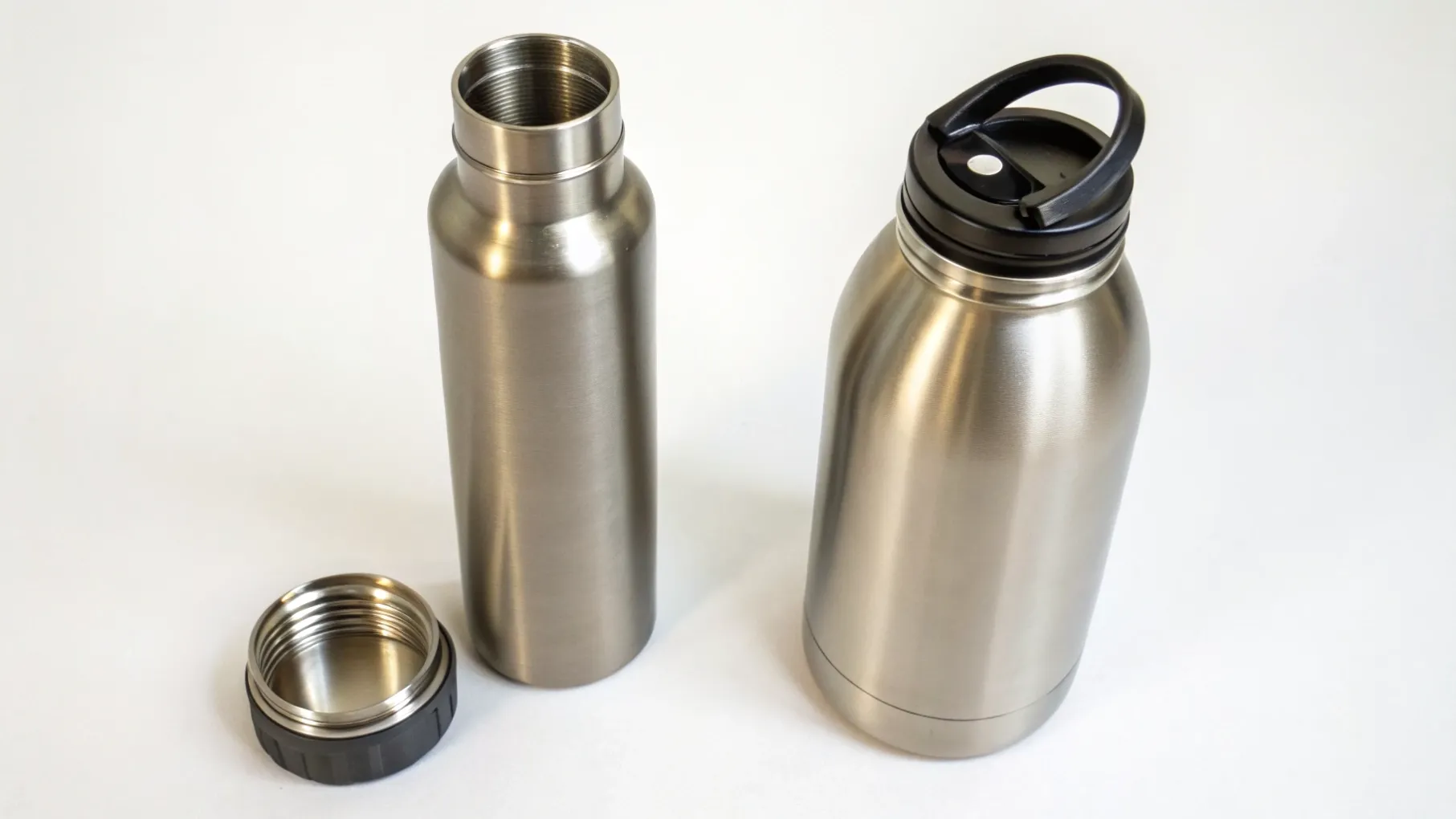
Alloy Differences, Performance, and Cost Balance
When I help clients choose drinkware specifications, I explain that 316 stainless steel is a medical and marine-grade alloy. The primary difference lies in the addition of molybdenum. Molybdenum provides superior protection against chlorides, saline solutions, and highly acidic drinks like fresh lemon juice, kombucha, and sports electrolyte formulas.
For everyday water drinking in an office or gym setting, 304 stainless steel provides all the protection and durability you need at a more affordable cost. If your target recipients frequently store acidic citrus infusions, carbonated energy drinks, or salty isotonic beverages for extended periods, upgrading to a 316 stainless steel interior provides extra protection against micro-pitting and surface wear.
Performance Attribute | 304 Grade Stainless Steel (18/8) | 316 Grade Stainless Steel (18/10) | Recommended Selection Choice |
|---|---|---|---|
Chemical Composition | 18% Chromium, 8% Nickel | 16% Chromium, 10% Nickel, 2% Molybdenum | 316 offers superior chloride defense |
Chloride / Salt Resistance | Good for standard tap water | Exceptional against sports electrolytes | Pick 316 for active sports and outdoor gear |
Acidic Drink Durability | Great for coffee, tea, and filtered water | Maximum resistance to lemon juice and soda | Pick 316 for frequent acidic fruit infusions |
Raw Material Cost | Standard industry baseline | Approximately 20% to 30% higher cost | Pick 304 for general bulk corporate gifting |
Conclusion
High-quality 304 and 316 stainless steel water bottles provide a safe, healthy, and durable hydration solution when paired with BPA-free lids and cleaned regularly.