Jul 10, 2026Success Stories
Baseball Cap Adjustable: Why Does the Perfect Fit Outlast Every Fashion Trend?
An adjustable baseball cap delivers lasting comfort and a personalized fit, proving that practical design and versatility remain more valuable than changing fashion trends.
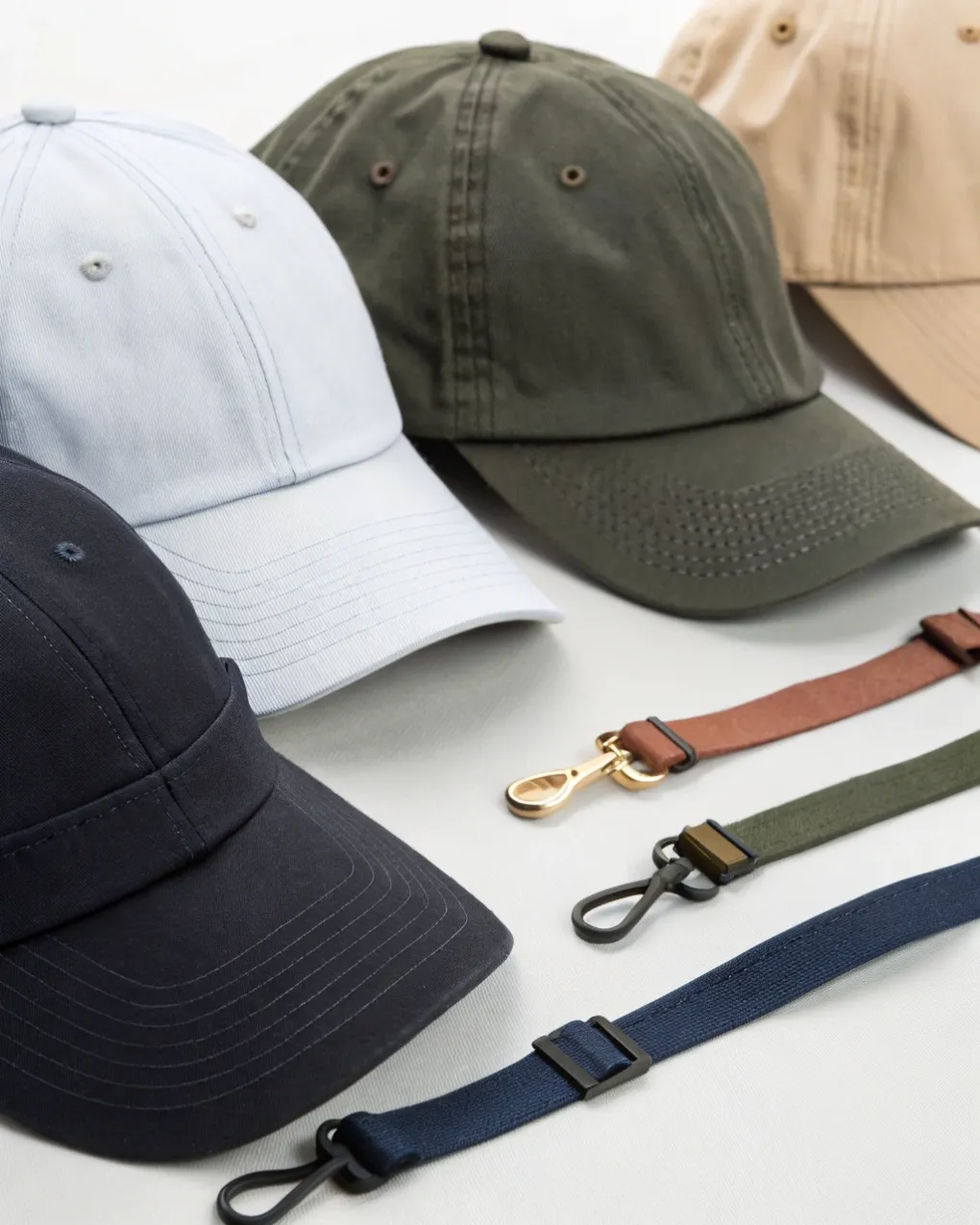
Baseball Cap Adjustable: Why Does the Perfect Fit Outlast Every Fashion Trend?
Are you tired of buying promotional hats that sit in a dark storage room because they are too tight or too loose for your team? Finding a headwear partner that understands user comfort can completely transform your business merchandise strategy.
An adjustable baseball cap is a versatile six-panel hat featuring an open back closure that allows the wearer to customize the internal circumference. They dominate the market because they eliminate the need to stock multiple sizes, provide personalized comfort for all-day wear, and ensure your branded logo gets maximum public exposure.
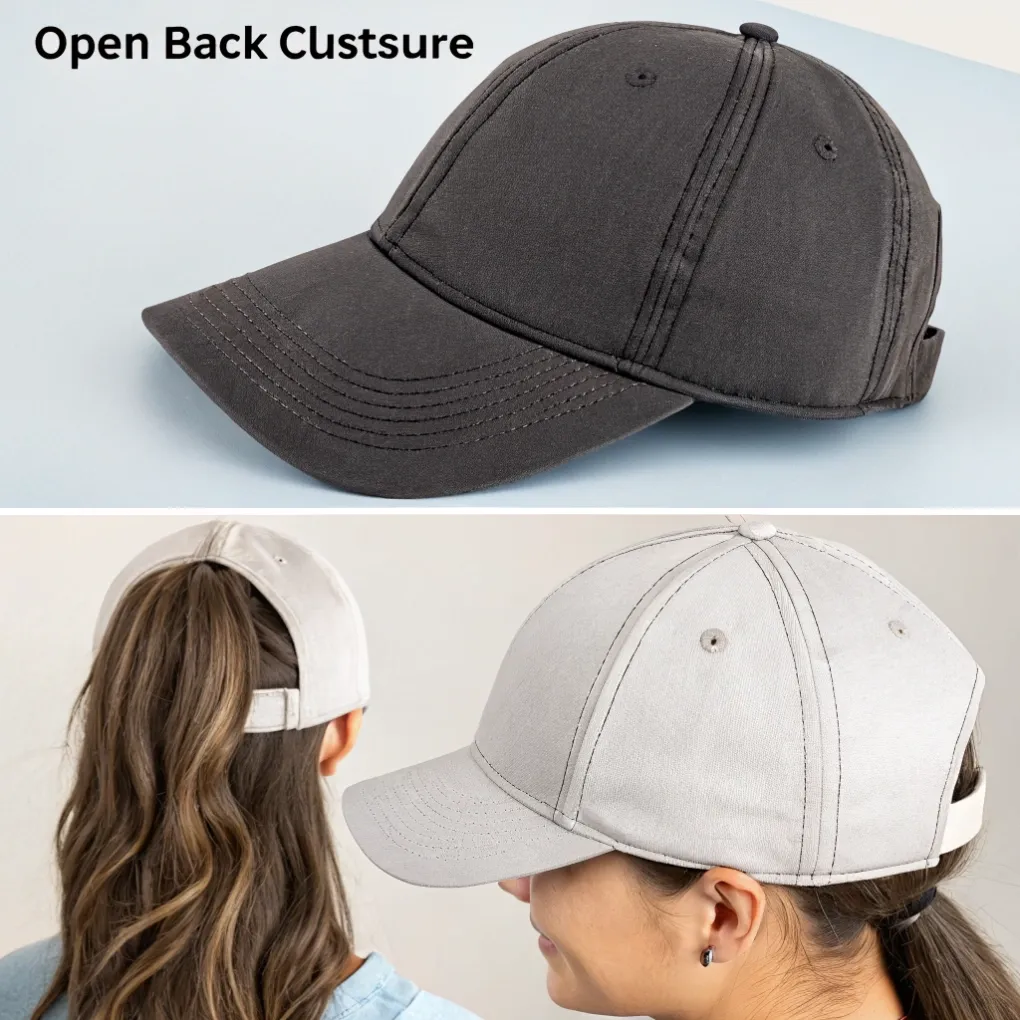
I spent my early career working inside a humble printing and apparel factory, where I watched how a tiny error in product sizing could ruin an entire marketing campaign. I learned that great product design is invisible because it simply adapts to real life instead of forcing the customer to compromise. Let us look at how adjustable closures respect the diversity of the people who wear them and create long-term brand satisfaction.
What Is an Adjustable Baseball Cap Called Across Different Industries?
Do you get confused by retail terms like snapback, strapback, and dad hat when trying to source the perfect cap for your company event? Choosing the wrong style can accidentally target the wrong audience and lower your brand engagement.
Across different retail and manufacturing industries, an adjustable baseball cap is called a snapback, a strapback, a dad hat, or a unstructured low-profile cap. The specific name depends on whether the back mechanism uses plastic snaps, fabric straps with metal sliders, or velcro hooks to modify the sizing.
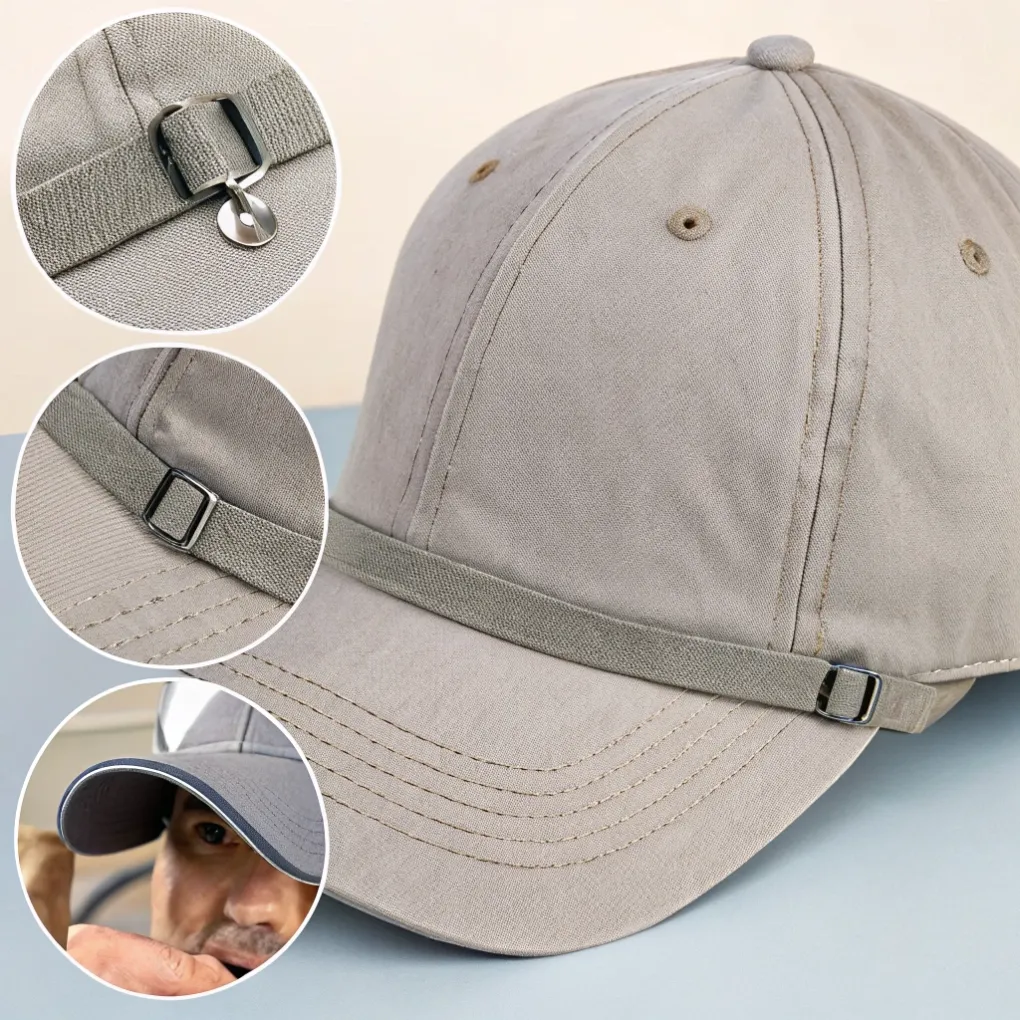
When corporate clients look for guidance at Latitude Experience, they often ask for a standard cap without realizing that the backing details change the whole look. In production, the name tells you the exact structure of the front crown and the closure material. For example, a "dad hat" uses an unlined, soft cotton fabric with a brass buckle strap, giving a relaxed, retail-ready vibe. Meanwhile, a "snapback" feature means the hat has a stiff, reinforced front panel that stands up tall.
Critical thinking shows that the industry name guides your design strategy. You must select the cap style that matches how your specific clients dress on the weekend. Let us break down the popular terms used in headwear production today.
Market Name | Closure Material | Front Crown Structure | Overall Visual Style |
|---|---|---|---|
Dad Hat | Fabric strap with metal slide | Unstructured, soft, low-profile | Casual, vintage, retail-ready |
Snapback | Molded plastic snaps | Structured, stiff buckram, flat brim | Urban, streetwear, athletic |
Trucker Hat | Plastic snaps with mesh back | Structured foam front, plastic mesh | Breathable, retro, outdoor |
Tactical Cap | Hook-and-loop velcro strap | Semi-structured canvas or ripstop | Rugged, military, functional |
If your provider cannot explain these differences, they are just printing logos, not building a branding campaign. Matching the name to the lifestyle ensures your gift gets worn instead of stored away.
Do Major Retailers Like Lids Have Adjustable Hats in Stock?
Do you wonder if adjustable caps are popular enough to compete with professional fitted hats in major retail stores? Many buyers assume that serious sports fans only buy the exact sizes worn by major league players on the field.
Major headwear retailers like Lids maintain a massive inventory of adjustable hats alongside their traditional fitted collections. They stock thousands of adjustable styles because modern consumers demand flexible sizing that adapts to changing hairstyles, casual weekend outfits, and different comfort preferences throughout the day.
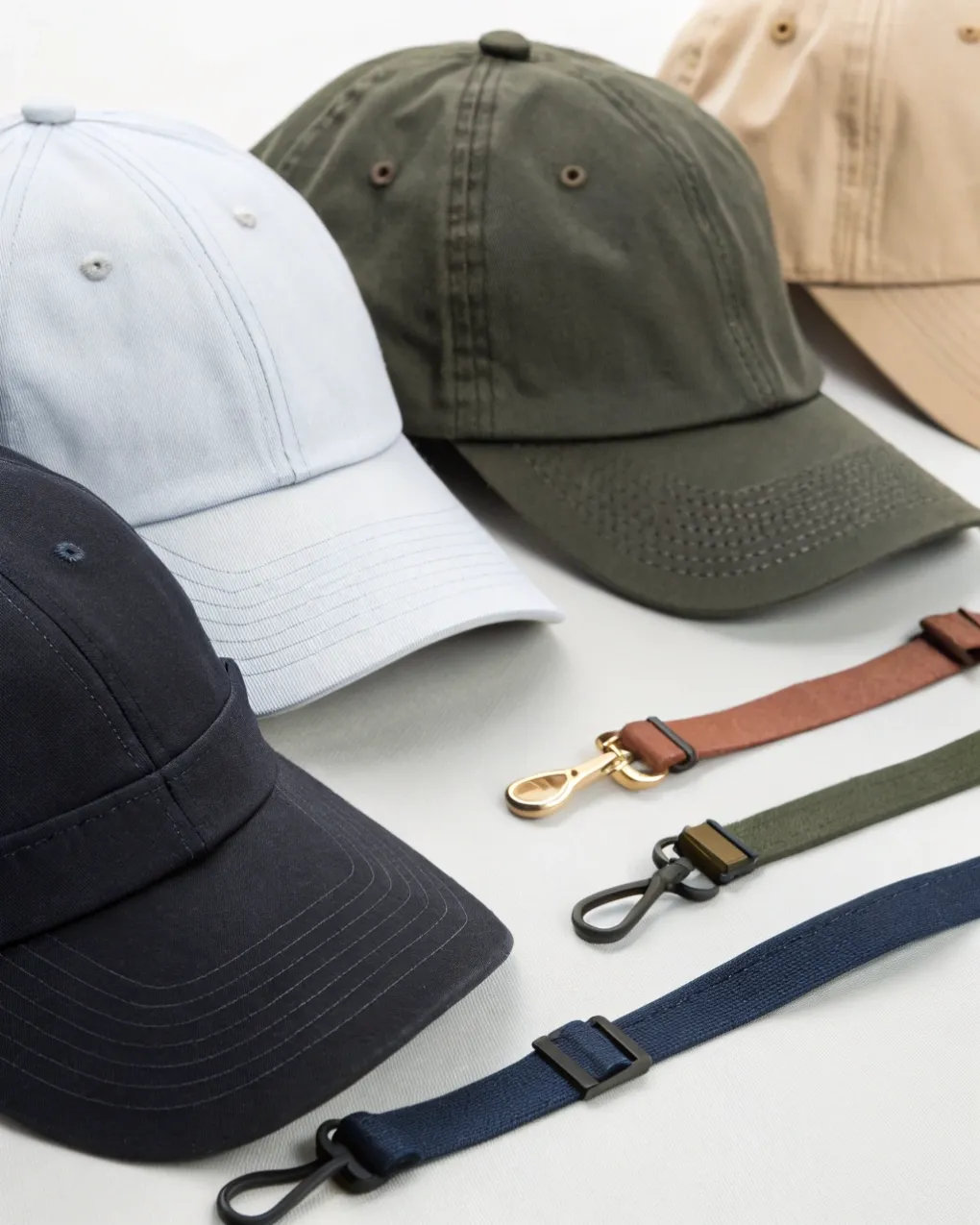
In my experience helping brands grow, I always look at retail trends to see what consumers actually want to wear. Walk into any major sports cap store today, and you will see that adjustable closures occupy prime shelf space. Retailers love them because they maximize floor space and reduce inventory complexity. Instead of stocking ten different numerical sizes for a single team logo, a store can display one adjustable model that satisfies every customer who walks through the door.
We can analyze how this retail shift benefits your business gifting strategy. When you give away a product that mirrors what people buy with their own money, your brand authority rises.
Gifting Challenge | Fitted Team Cap Strategy | Adjustable Cap Strategy | Business Outcome |
|---|---|---|---|
Sizing Collection | Must ask every recipient for head measurements | One size fits almost every head size | Saves hours of admin work before ordering |
Storage Space | Requires massive boxes to hold multiple size options | Small, uniform stacks of identical hats | Reduces shipping fees and warehouse clutter |
User Satisfaction | Risks tight pressure points if sized incorrectly | User modifies the fit instantly in seconds | Increases daily wear time and brand visibility |
Product Lifespan | Abandoned if the user changes their hairstyle | Adapts to daily changes and seasonal needs | Delivers long-term marketing value for years |
Comfort is what transforms promotional merchandise into a genuine lifestyle accessory. If the cap fits perfectly, your customers will quietly market your business every single day.
When Did Adjustable Baseball Caps Come Out in Sports History?
Are you curious about how the adjustable cap evolved from a specialized piece of baseball field equipment into a global fashion icon? Understanding the history of headwear reveals why this simple mechanism remains so popular today.
Adjustable baseball caps first emerged in the mid-1950s when major headwear manufacturers like New Era introduced the six-panel design to professional leagues. The iconic plastic snapback closure gained massive mainstream popularity during the late 1980s and early 1990s through hip-hop culture and sports media.
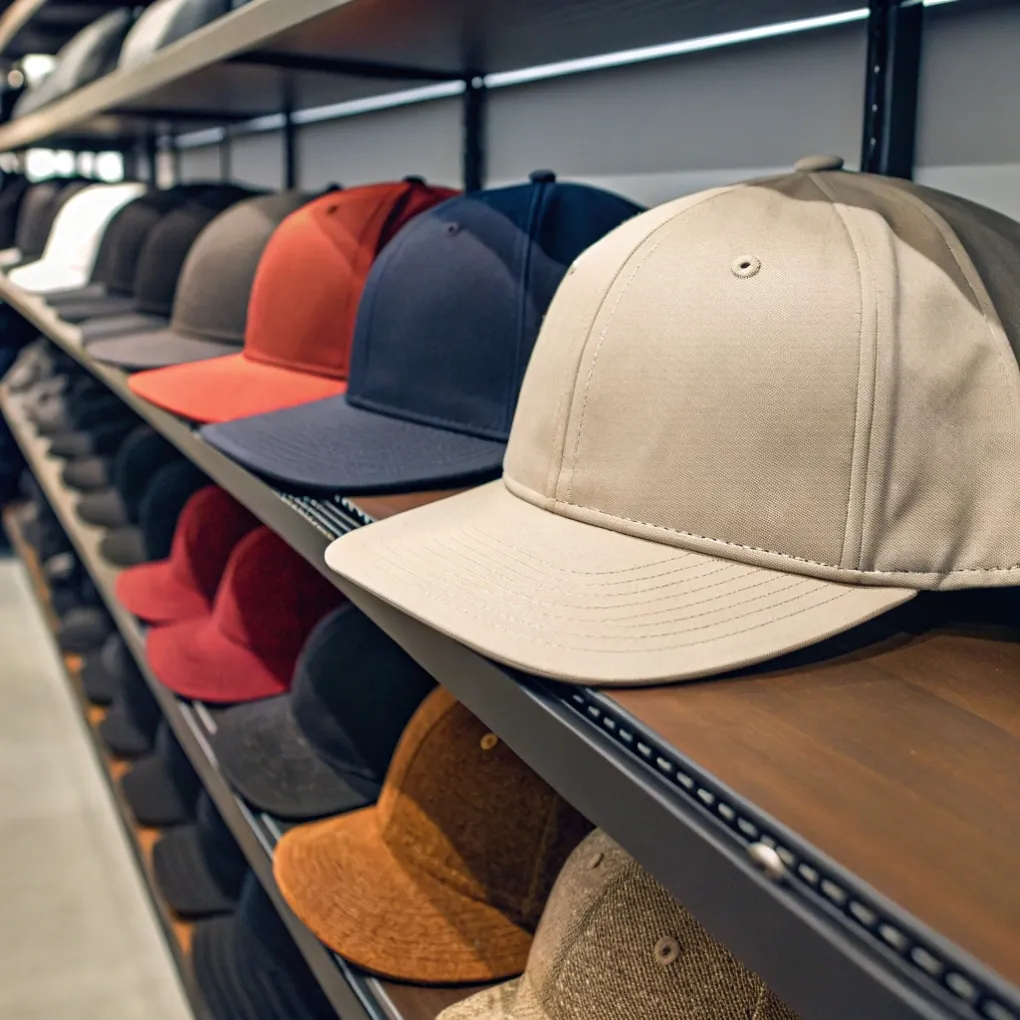
During my early factory days, I studied vintage production techniques to understand how modern apparel patterns were born. Early baseball players in the 1800s wore straw hats or merino wool caps that shrank in the rain and lost their shape instantly. The invention of the adjustable backing solved a massive logistics problem for amateur clubs and schools that could not afford custom-tailored uniforms for every player. It allowed teams to buy gear in bulk while guaranteeing a proper fit on the diamond.
When you choose an adjustable cap for your branding journey, you are utilizing a design that has been optimized for over a century. It stays relevant because it respects the personal comfort of the person wearing it.
Conclusion
Adjustable baseball caps succeed because their flexible closures quietly prioritize user comfort and adaptive design, transforming a simple sports accessory into a reliable tool for long-term brand exposure.