Sep 20, 2026Services Overview
Can Brown Paper Shopping Bags Be Recycled?
Learn whether brown paper shopping bags can be recycled, exploring paper quality, coatings, contamination, and proper disposal practices to support more sustainable packaging choices.
Can Brown Paper Shopping Bags Be Recycled?
Many people toss soiled paper packaging directly into recycling bins without thinking. Food oils and plastic coatings can ruin an entire batch of clean recyclable paper at local processing facilities.
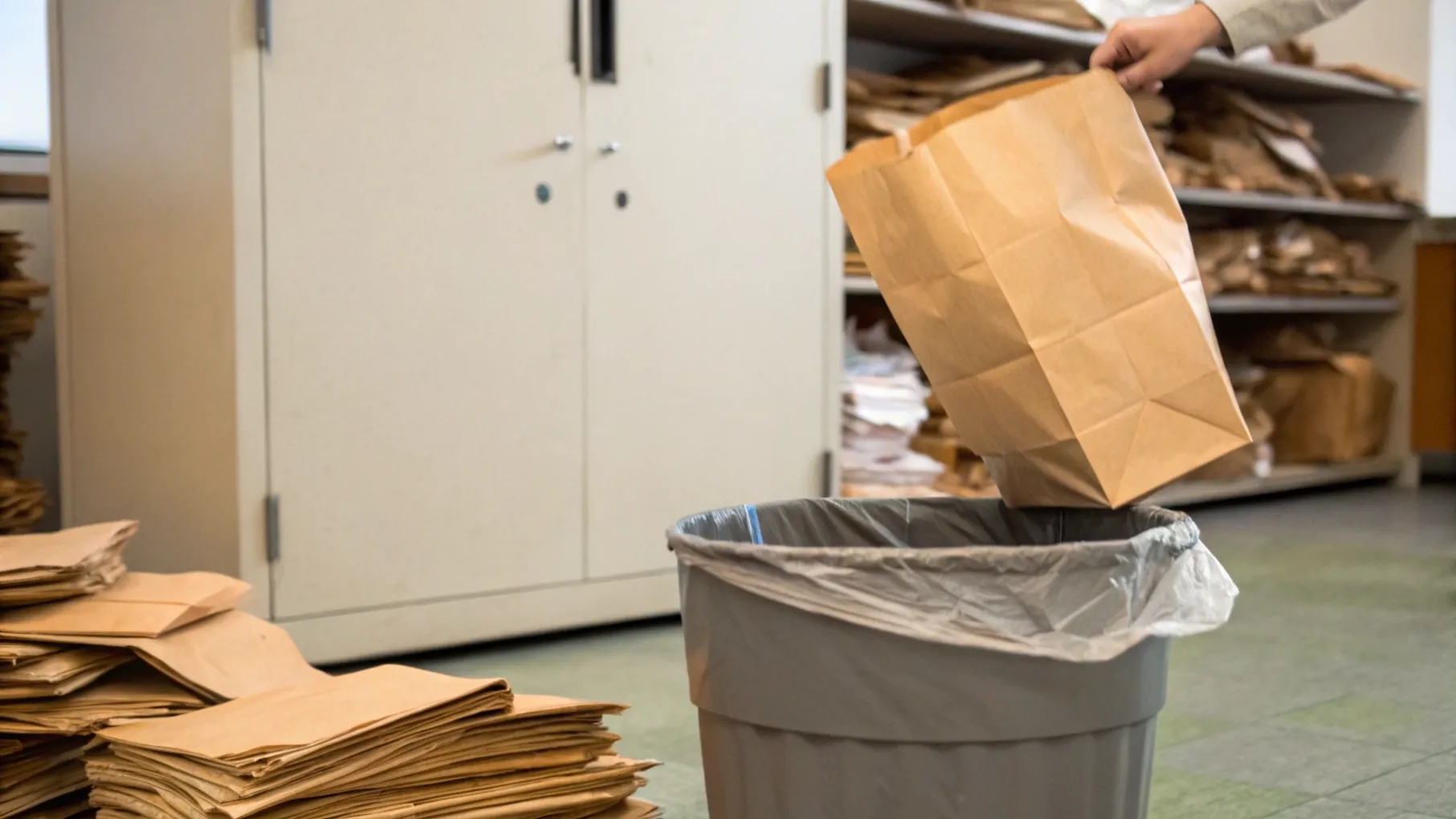
Clean and dry brown paper shopping bags can be recycled through standard paper collection bins. Bags with heavy food grease, plastic film lamination, or synthetic handles cannot be recycled and must go into general waste or compost.
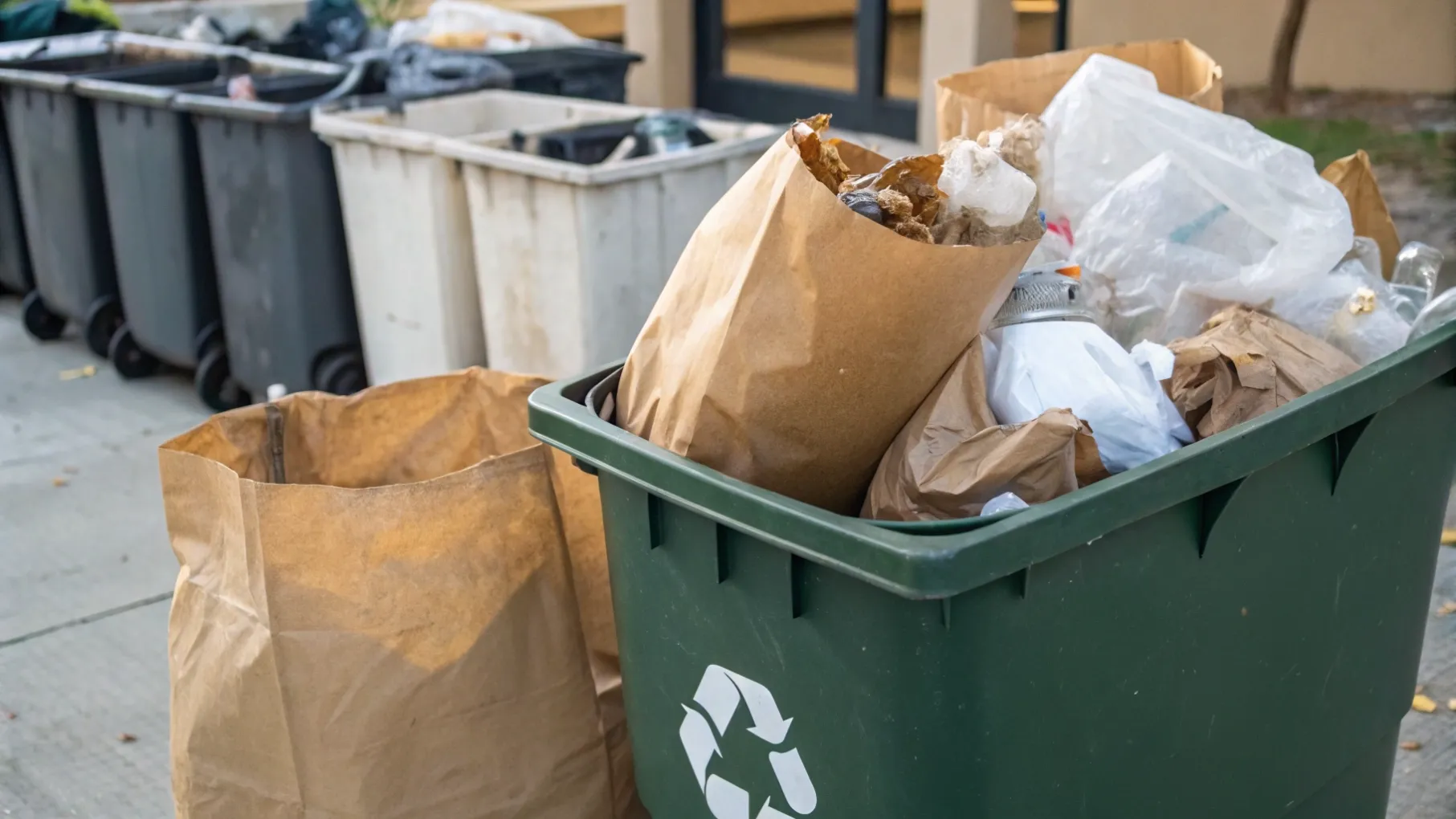
Back in my early printing factory days, I watched tons of paper get rejected because buyers overlooked glue and surface coatings. Brand managers like Jacky know that real sustainability starts with material choices on the factory floor. If you want your packaging to stay circular, you must understand what happens after customer use.
What to Do with Brown Paper Shopping Bags?
Tossing thick kraft paper bags straight into the waste bin creates unnecessary landfill bulk. Many households store stacks of bags in cabinets without clear reuse plans.
You can reuse brown paper shopping bags as compostable trash liners, sturdy gift wrap, package void fill, garden weed barriers, or dry pantry vegetable storage containers before sending them to final recycling.
Practical Household Repurposing and Fiber Extension
At Latitude, we look at the entire lifecycle of promotional packaging. A well-built kraft paper bag should never serve only one transaction. If a bag carried dry clothing or books, the cellulose fibers remain strong and clean. You can easily turn that clean bag into natural gift wrap. Cut the bag flat along its glued seams, wrap your gift box, and secure it with natural jute twine. It creates an understated, modern look that clients appreciate.
For home kitchens, unbleached kraft paper makes an excellent lining for dry vegetable bins. The porous paper allows air to circulate around potatoes and onions while blocking direct light. This prevents rotting and stops early sprouting without using plastic bags. When the paper finally wrinkles and weakens after months of use, you can tear it into shreds. Use those paper shreds as protective box padding when mailing parcel gifts to clients.
Practical Reuse Method | Needed Preparation | Best Bag Condition | Everyday Benefit |
|---|---|---|---|
Garden Weed Barrier | Cut open flat, remove all tape | Plain unprinted kraft | Blocks weeds and rots into clean organic compost |
Parcel Cushioning | Cut or shred into narrow strips | Clean dry paper | Replaces plastic bubble wrap and foam packing peanuts |
Pantry Root Storage | Roll down top edge to make bin | Heavyweight block-bottom | Keeps vegetables dry and stops premature rot |
Book & Binder Covers | Fold sheets around spine | Smooth kraft with light print | Protects notebook covers against everyday desk scuffs |
Can I Put Brown Paper Bags in a Green Bin?
Many homeowners know that paper comes from trees, so they assume all paper bags belong in green garden and food organic bins. Putting the wrong paper into green bins introduces chemical contamination into public compost.
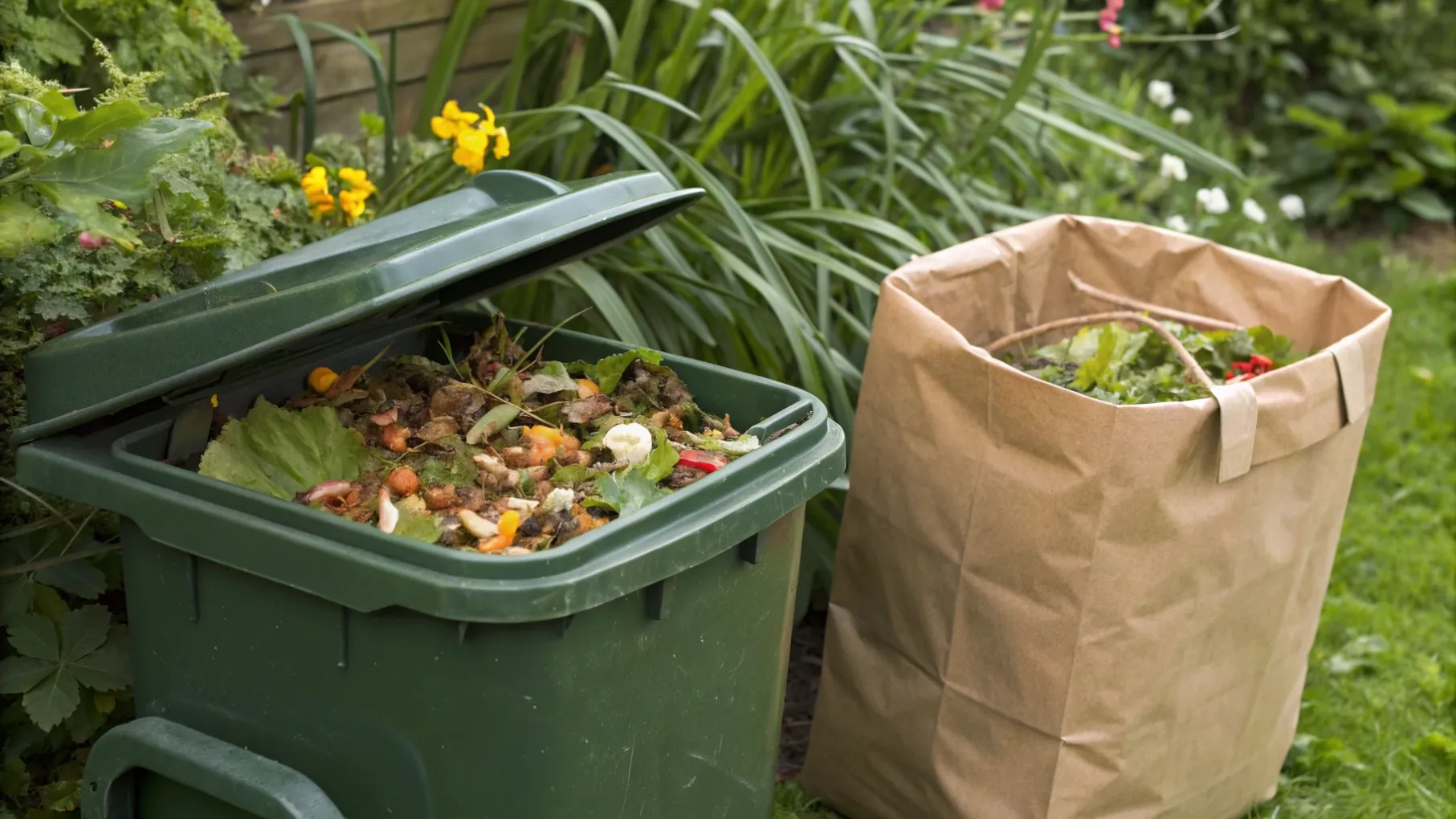
You can put brown paper bags in a green organics bin only if they are unlined, free from plastic tape, and approved by your local council to collect food scraps; heavily inked or plastic-laminated bags are strictly prohibited.
Understanding Composting Rules and Paper Additives
Municipal green bins, often called Food Organics and Garden Organics (FOGO) bins, turn organic waste into rich farming compost. Pure kraft paper is made from natural wood pulp and breaks down quickly in industrial composting systems. If you have greasy brown paper from a bakery or takeaway order, that bag cannot go into regular paper recycling. In councils that permit paper compost liners, you can use that greasy brown bag to line your kitchen caddy for fruit peels and vegetable scraps.
However, you must check the bag for hidden synthetic layers first. Many fast-food bags feature a thin polyethylene plastic film inside to stop hot grease from leaking. That plastic layer does not compost and breaks down into toxic microplastics. Synthetic glues, glossy synthetic inks, and plastic barcode stickers will also contaminate city compost. If the bag feels glossy, sheds plastic film when torn, or carries non-paper handles, keep it out of the green bin.
Bag Specification | Green Organics Bin Suitability | Primary Municipal Risk | Proper Disposal Route |
|---|---|---|---|
Plain Greasy Kraft Bag | Yes (if accepted by local council) | Mild food residue | Green organics bin or home compost pile |
Clean Dry Kraft Bag | Discouraged (High-grade fiber) | Wastes recyclable paper pulp | Yellow paper and cardboard recycling bin |
Plastic-Coated Poly Bag | Never allowed | Microplastic contamination in farm soil | Red general landfill rubbish bin |
Bag with Plastic Handles | Never allowed | Tangling in compost screening drums | Cut off handles, dispose separately |
Can You Throw Clothes in the Yellow Bin?
Cleaning out your wardrobe often leaves you with piles of old, torn clothes. Many people assume fabrics like cotton and wool can be recycled alongside paper and plastic in yellow-lid curbside bins.
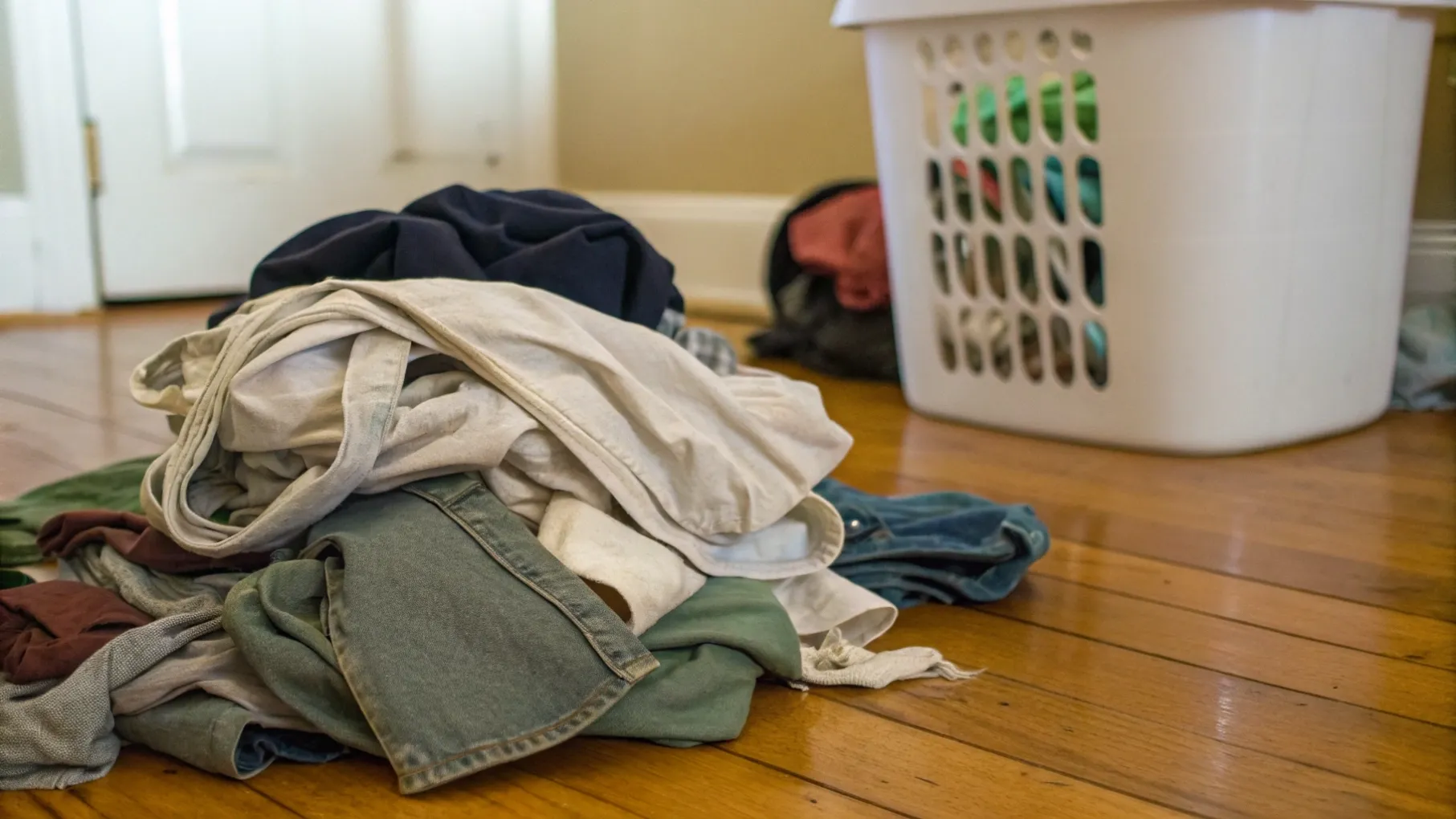
No, you cannot throw clothes in the yellow bin; textiles tangle around rotating sorting machinery at recycling plants, cause expensive machine breakdowns, and must instead be donated or taken to dedicated fabric drop-off points.
The Dangers of Textiles in Kerbside Recycling Streams
In my career supporting marketing campaigns, I frequently produce branded apparel like cotton t-shirts and corporate jackets. When those garments reach the end of their lives, putting them into yellow kerbside bins causes severe industrial problems. Kerbside recycling facilities use high-speed automated conveyor belts, spinning star screens, and optical scanners. These machines are engineered exclusively for rigid containers like cans, plastic bottles, glass, and flat cardboard sheets.
When a shirt, bedsheet, or jacket enters these spinning sorting screens, the fabric wraps tightly around spinning steel axles within seconds. The jammed textiles force workers to halt entire sorting plants, climb onto the machines, and manually cut the tangled fabric away with utility knives. This creates serious safety hazards for plant workers and costs councils millions of dollars in repair downtime. If your old garments are wearable, donate them to local charity op shops. If the clothes are worn out or torn, cut them into cleaning rags for your workshop or drop them into dedicated textile recycling bins at retail stores.
Disposal Method | Fabric Acceptance Status | Plant Processing Impact | Best Usable Alternative |
|---|---|---|---|
Yellow Kerbside Bin | Strictly forbidden | Wraps around axles and halts plant operations | Drop at specialized retail textile bins |
Green Organics Bin | Strictly forbidden | Synthetic blends and dyes ruin soil quality | Repurpose at home as utility cleaning rags |
Charity Donation Shop | Clean, wearable garments only | Unwearable clothes create disposal costs | Pass along good clothing to friends or family |
Dedicated Textile Drop-Off | All fabric conditions accepted | Mechanically shredded into industrial insulation | In-store textile collection boxes |
Conclusion
Brown paper bags are highly recyclable when clean and dry, while dirty bags require careful composting. Never place clothing in yellow bins; choose practical reuse and appropriate recycling streams for every material.