Oct 14, 2026News & Insights
Can I Decorate My Own Canvas Bag? The Complete DIY Customization Guide
Decorate canvas bags with fabric paints, textile markers, embroidery, or patches, using proper preparation and heat-setting to ensure durable, washable designs.
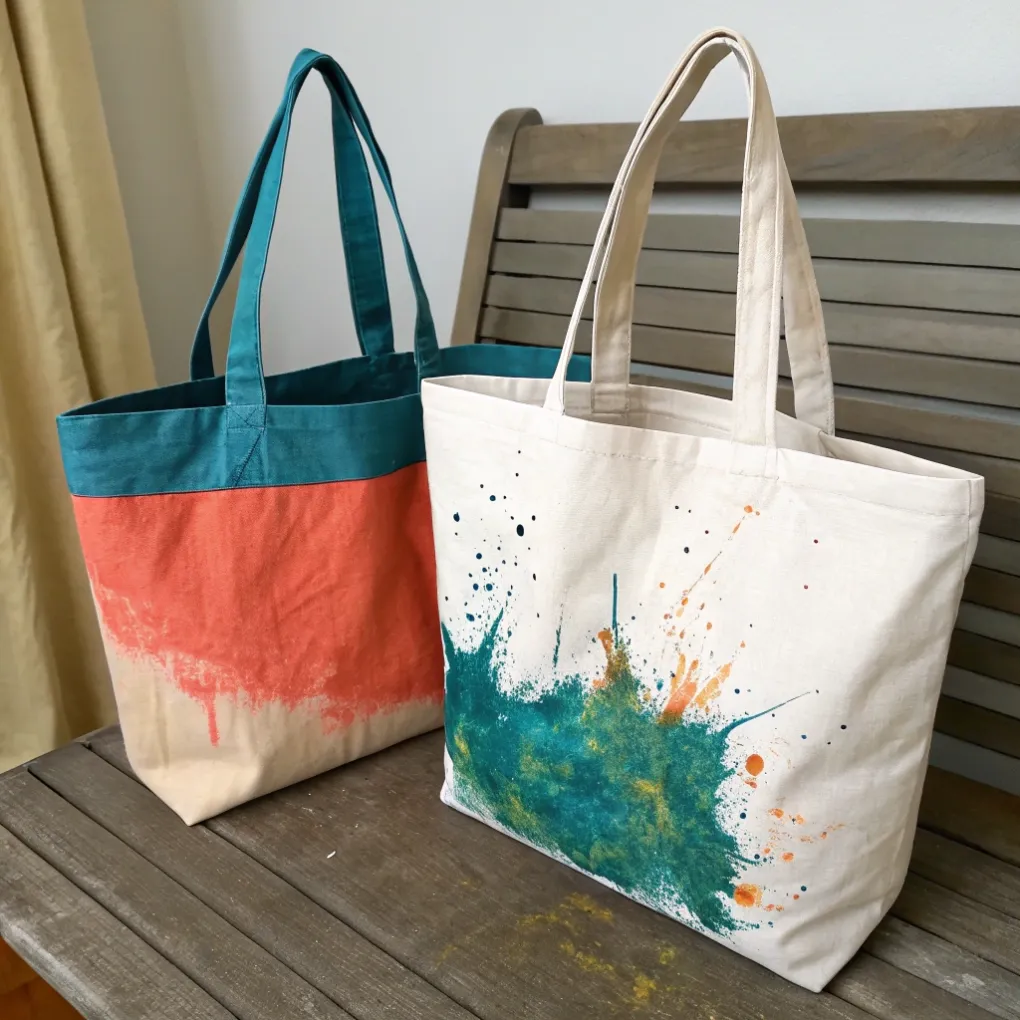
Can I Decorate My Own Canvas Bag? The Complete DIY Customization Guide
Do you look at a plain, unbleached canvas tote and wonder if you can customize it without the paint cracking, colors bleeding into the weave, or patches peeling off on the first wash? Attempting textile crafts with the wrong supplies often turns a durable bag into a stiff, flaking mess.
Yes, you can easily decorate your own canvas bag using dedicated acrylic textile medium paints, pigmented fabric markers, embroidery floss, or heat-set iron-on embroidered patches—provided you insert an internal barrier board, pre-wash un-sized cotton duck, and heat-set your pigments properly.
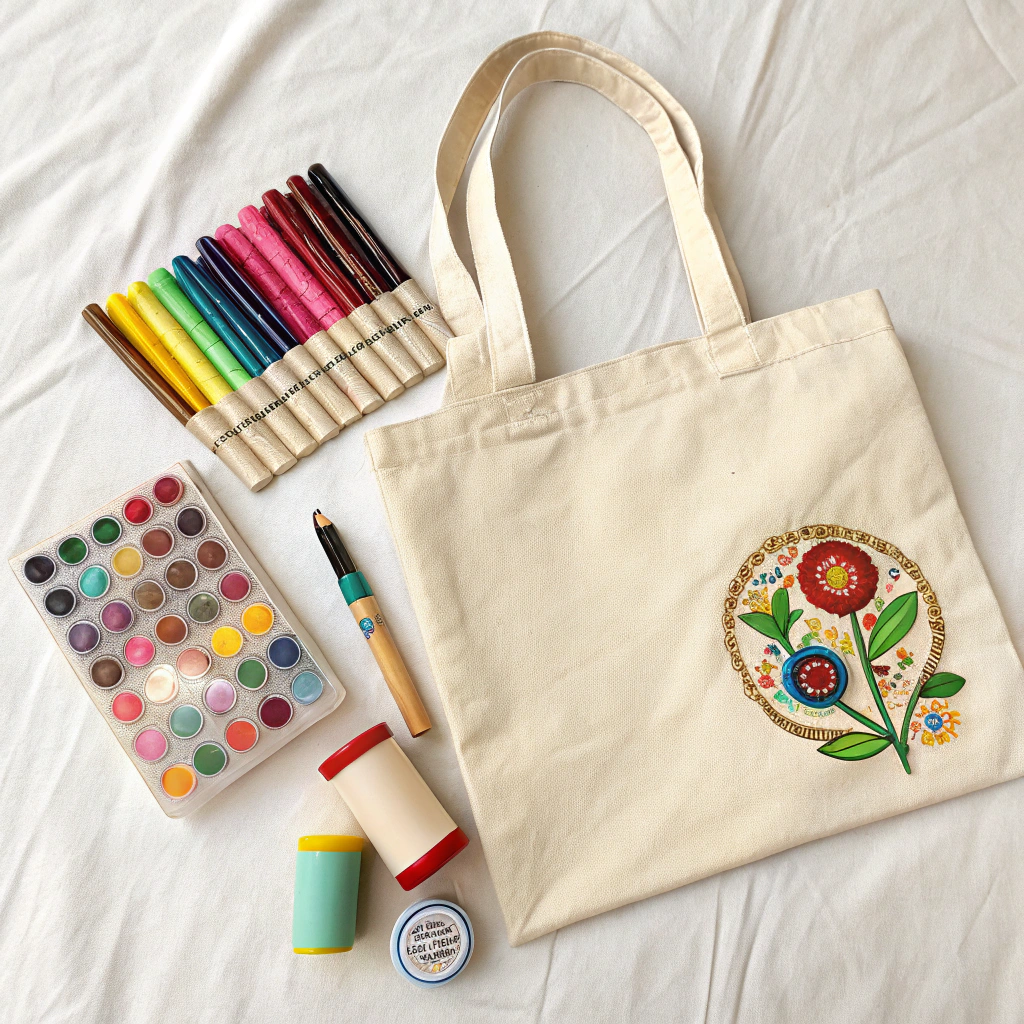
When I started my career working in a printing and textile fabrication factory years ago, I handled screen printing, rotary transfer, and manual embellishments across hundreds of thousands of cotton bags. A raw canvas tote is an exceptional creative surface: its textured, porous cellulose fibers absorb inks and binders deeply. However, decorating fabric is fundamentally different from painting on paper or wood. Fabric bends, folds, rubs against clothing, and gets washed. If you don’t anchor the design into the fibers, it won’t survive daily wear. Let us explore the supplies you can use, determine the exact paints required, and review creative customization methods that stand the test of time.
What Can I Use to Decorate a Canvas Bag?
Are you wondering which craft materials will permanently bond to heavy canvas without stiffening the bag into cardboard? Choosing unverified household art supplies can cause your design to wash away down the drain.
You can decorate a canvas bag using acrylic fabric paints, dual-tip textile markers, stranded embroidery floss, heat-transfer vinyl (HTV), sew-on embroidered patches, rubber block-printing inks, and botanical cyanotype sun prints.
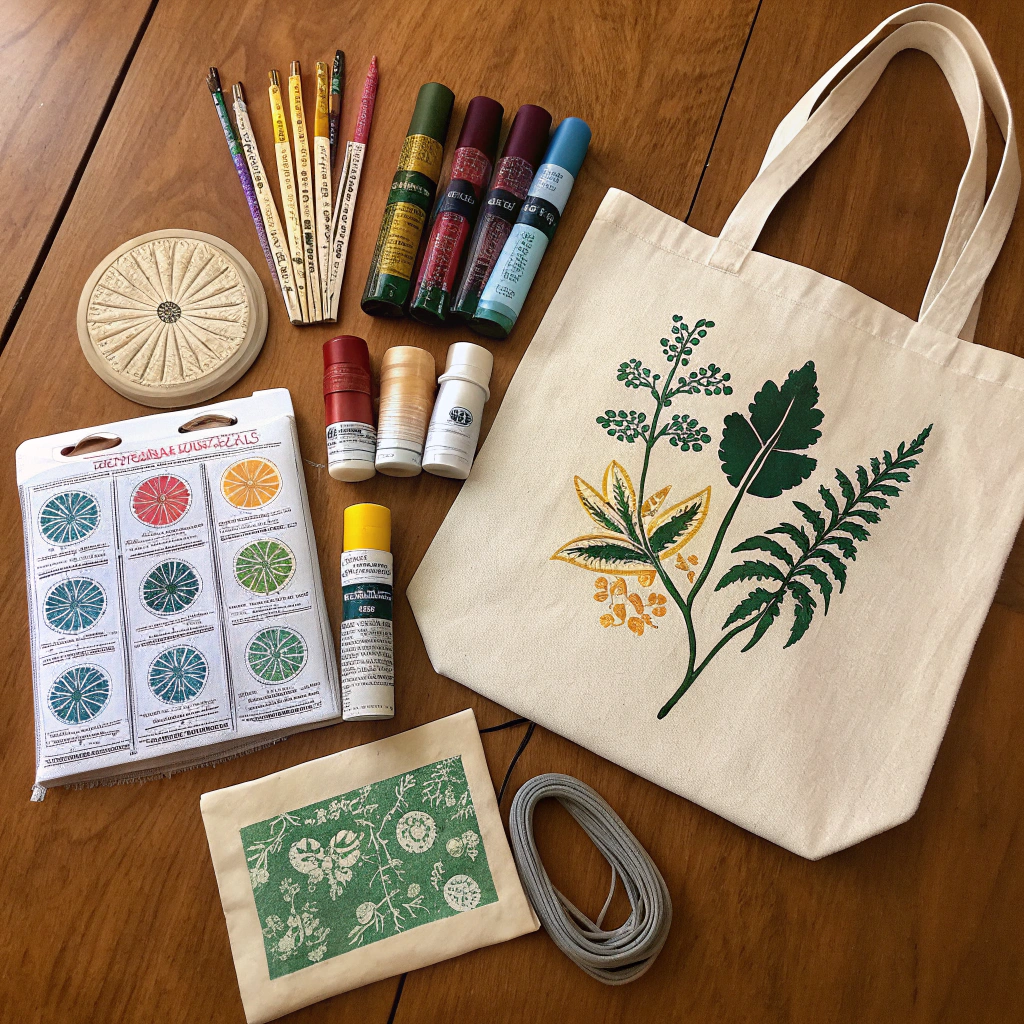
Medium Mechanics, Fiber Adhesion, and Tooling Profiles
Every decoration method interacts differently with the structural weave of canvas:
- Textile Pigment Paints & Inks: Liquid acrylic formulations containing polymer elastomeric binders. They coat and soak into individual cotton yarns, moving flexibly with the fabric instead of cracking when folded.
- Textile Markers: Chisel or brush-tipped pens filled with permanent fabric dye. They offer surgical line control for typography, intricate doodles, and outline illustrations without water cups or brushes.
- Embroidery Floss & Crewel Wool: Tactile thread ornamentation. Sewing through 10 to 12 oz canvas anchors raised geometric motifs, botanical vines, or monogrammed initials directly into the fabric’s load paths.
- Embroidered Patches & Appliqués: Pre-stitched dense twill badges attached via heat-activated polyamide glue or perimeter whipstitching. They provide high visual pop with minimal manual painting effort.
For corporate event planners and marketing managers like Jacky developing interactive brand activations or creative team-building workshops, setting up a “Live Customization Station” with textile markers and embroidered patches allows participants to personalize their company canvas totes in real time without messy paint spills or long drying delays.
Decoration Medium | Skill Level Required | Primary Tooling | Drying & Curing Time | Long-Term Wash Durability |
|---|---|---|---|---|
Acrylic Fabric Paint | Beginner to Intermediate | Synthetic flat/round brushes, palette | 24 Hours air-dry + 3 min heat set | High: Washable inside-out at 30°C |
Textile Graphic Markers | Absolute Beginner | Chisel/fine-tip fabric pens | 2 to 4 Hours air-dry + iron fix | High: Resists fading and scuffing |
Hand Embroidery | Intermediate | Crewel size 5–7 needle, hoop, floss | No drying required (Labor intensive) | Exceptional: Lifetime thread bond |
Iron-On Patches | Beginner | Household dry iron or heat press | Instant cooling (10 minutes) | Moderate: Best reinforced with corner stitches |
Block-Printing Ink | Intermediate | Carved linoleum block, brayer roller | 48 to 72 Hours oil/water cure | High: Rich artisanal texture |
What Kind of Paint Do I Use on a Canvas Bag?
Have you ever painted a tote bag with standard craft acrylic paint, only to watch it dry into a rigid, scratchy plastic shield that chips off the moment you fold the bag? Standard acrylics lack the elastomeric polymers necessary for flexible textiles.
You should use specialized fabric acrylic paint (such as Jacquard Textile Color or Pebeo Setacolor) or standard heavy-body acrylic paint blended with an acrylic textile medium (at a 1:1 ratio) to ensure flexible, permanent adhesion.
Textile Mediums, Viscosity, and The Iron Heat-Setting Protocol
Standard bottle acrylics are designed for rigid boards or stretched canvases; when applied to flexible fabric, the dried plastic film snaps under tension. Adding an acrylic fabric medium lowers the paint’s viscosity, allowing pigment to soak deep into the hollow cores of cotton fibers. Crucially, it softens the cured acrylic resin, giving the finished artwork a soft hand-feel that flexes smoothly as the tote drapes against your hip.
The difference between temporary art and a washable, permanent tote lies in the heat-setting stage:
- Insert an Internal Barrier: Slide a sheet of thick corrugated cardboard or wax paper inside the bag cavity before applying a single drop of paint. This stops wet pigments from bleeding straight through the porous canvas onto the rear panel.
- Apply Thin, Even Layers: Avoid slathering heavy, impasto mounds of paint. Work in two to three thin, even coats to keep the textile pliable.
- Allow Full Curing (24 Hours): Let the painted bag air-dry completely in a well-ventilated room for a minimum of 24 hours.
- Thermal Polymerization (Heat-Setting): Place a clean cotton pressing cloth or sheet of parchment paper directly over the dry painted artwork. Set your household iron to the dry “Cotton” setting (around 150°C to 160°C, zero steam). Press down and move the iron continuously over every painted section for 3 to 5 minutes. The high heat cross-links the acrylic polymers with the cotton cellulose, making the design permanent and machine washable.
Paint Formulation | Chemical Binder Base | Surface Hand-Feel | Crack Resistance | Safe Washing Method |
|---|---|---|---|---|
Dedicated Fabric Paint | Self-crosslinking acrylic emulsion | Soft, supple, breathable | Exceptional: Stretches with weave | Gentle machine wash (Cold water) |
Acrylic + Fabric Medium (1:1) | Acrylic polymer + textile softener | Moderately soft, flexible | Very High: Zero chipping | Hand-wash or delicate cycle |
Standard Craft Acrylic (Raw) | Rigid thermoplastic polymer | Hard, scratchy, plastic-like | Very Poor: Flakes upon first fold | Not washable (Peels away) |
Textile Screen-Printing Ink | Water-based polyurethane binder | Ultra-soft, near-zero hand | Exceptional: Commercial standard | Heat-set required; fully washable |
What Are Some Creative Ways to Decorate My Bag?
Do you want to create an eye-catching, distinctive tote but feel intimidated by drawing freehand illustrations from scratch? You don’t need fine-art drafting skills to produce an elevated, professional-looking accessory.
Creative ways to decorate a canvas bag include handmade linocut block stamping, crisp geometric stenciling with painter’s tape, botanical sun-exposure cyanotype prints, and Sashiko-style sash-and-patch embroidery.
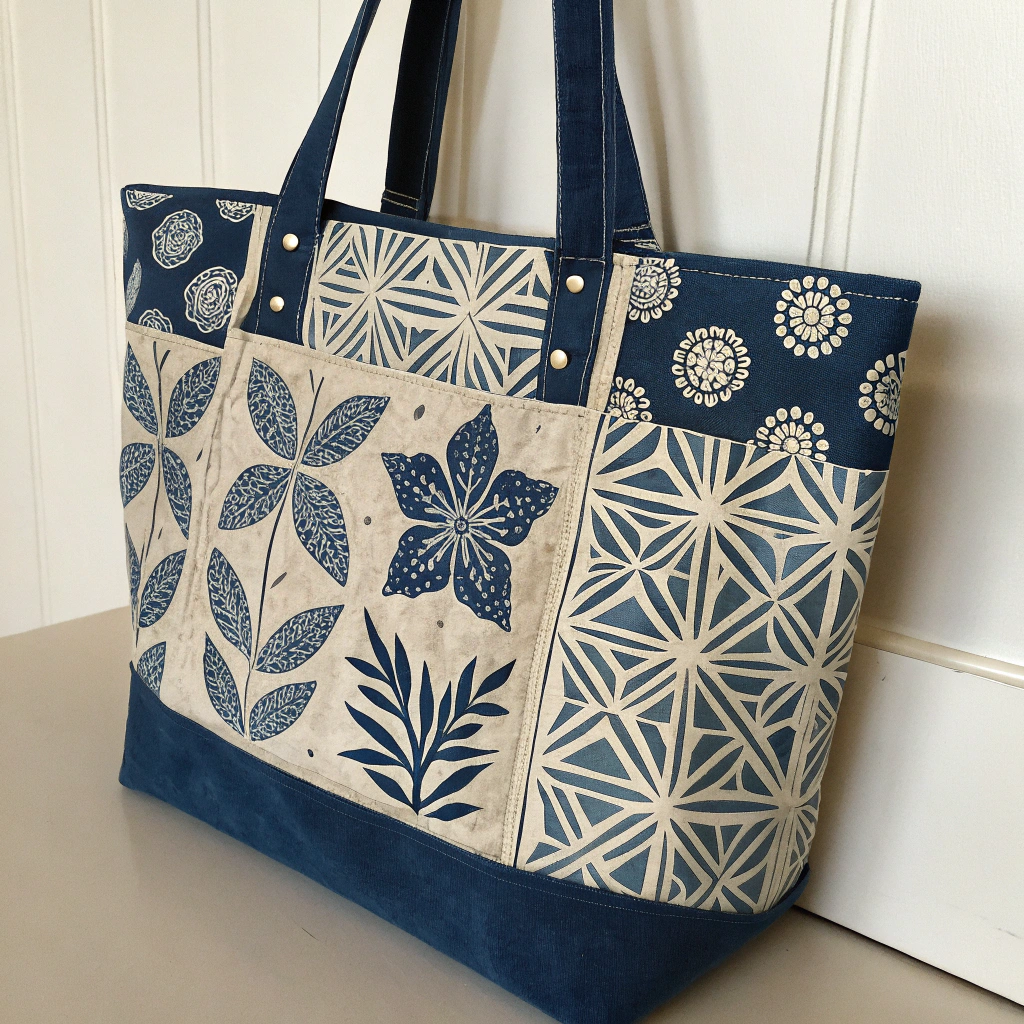
Four Beginner-Friendly Artisanal Techniques
If you want to skip traditional freehand brushwork, these four structural design methods produce clean, refined results:
- Linoleum Block Stamping (Artisanal Repeat Motifs): Carve a repeating pattern, abstract botanical silhouette, or clean monogram into a soft rubber carving block with a linoleum gouge. Roll fabric block-printing ink evenly over the stamp with a rubber brayer, then press firmly onto the tote. This creates a charming, rhythmic aesthetic reminiscent of traditional woodblock prints.
- Geometric Masking & Color-Blocking: Use low-tack blue painter’s tape to mark off crisp triangles, diagonal color-blocks, or racing stripes across the bottom third of the tote. Stipple fabric paint inside the tape boundaries with a high-density foam sponge. Once peeled, the edges stay razor-sharp, mimicking high-end Scandinavian color-blocked design.
- Sashiko Visible Mending & Structural Stitching: Rooted in historic Japanese textile craft, Sashiko uses thick white cotton embroidery thread in clean running stitches against navy or natural canvas. Stitching geometric grids, cross patterns, or securing raw denim patches onto high-wear corners simultaneously reinforces bag stress points while delivering a striking, tactile wabi-sabi finish.
- Botanical Cyanotype Sun Printing: Coat an untreated natural canvas tote with non-toxic cyanotype chemistry (potassium ferricyanide and ferric ammonium citrate) in a dim room. Lay fresh fern leaves, monstera fronds, or pressed wildflowers flat across the dry fabric, weight them down with a sheet of glass, and place the bag in direct midday sun for 10 minutes. A quick cold-water rinse reveals vivid Prussian blue silhouette impressions of nature that are permanently dyed into the fibers.
Technique Concept | Core Creative Aesthetic | Specialized Supplies Needed | Time Commitment | Ideal Design Application |
|---|---|---|---|---|
Handmade Block Print | Artisanal, rhythmic, stamped texture | Speedy-Carve block, gouge, brayer | 1.5 to 2.5 Hours | Repeating leaf, fruit, or geo patterns |
Geometric Tape Masking | Minimalist, modern, razor-sharp lines | Painter’s tape, foam spouncer sponge | 45 Minutes | Two-tone split dip bases & stripes |
Sashiko Thread Stitch | Textured, hand-crafted, wabi-sabi | Sashiko needle, heavy white thread | 2 to 4 Hours | Reinforcing corners & pocket accents |
Botanical Cyanotype | Prussian blue silhouette photography | Cyanotype chemicals, sun, glass | 1 Hour (Plus drying) | Real flower & leaf shadow profiles |
Conclusion
Decorating your own canvas bag is completely achievable when you pair flexible acrylic fabric mediums with careful heat-setting protocols, ensuring your unique personal expression stays vibrant, pliable, and ready for years of daily carry.