Jun 26, 2026News & Insights
Can We Get Cancer from Plastic Water Bottles?
Plastic bottles are generally safe for normal use, but reusable steel or glass bottles are a healthier long-term choice.
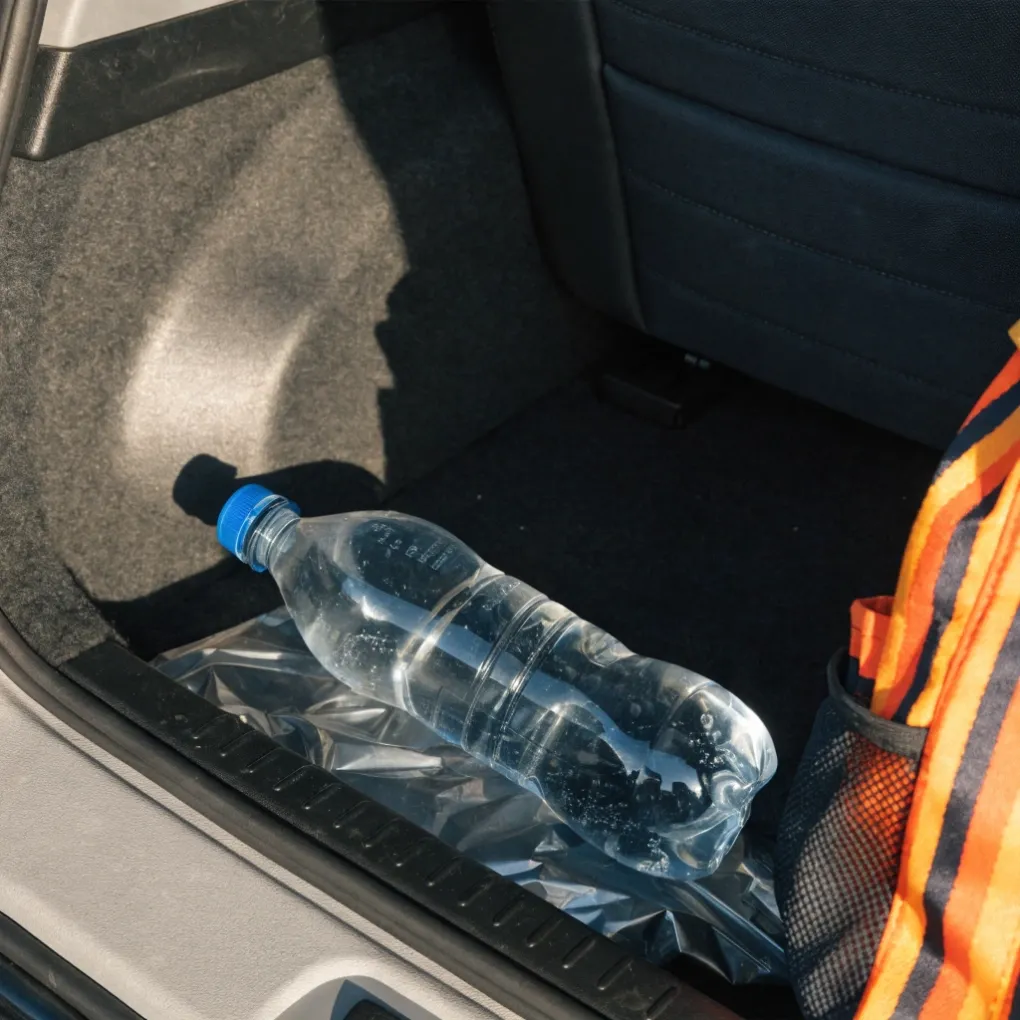
Can We Get Cancer from Plastic Water Bottles?
Are you terrified that taking a sip from a standard plastic bottle left inside a warm car trunk or a sunny backpack is quietly releasing dangerous, life-threatening carcinogens directly into your drinking water?
You can protect your peace of mind by understanding that modern food-grade plastic bottles from reputable brands do not cause cancer under normal conditions. However, repeatedly exposing single-use plastics to extreme heat, boiling water, or prolonged sunlight can accelerate chemical leaching and physical degradation.
I started my career working on a dusty printing factory floor, managing busy production lines and testing how synthetic materials react under intense industrial heat. That hands-on manufacturing experience taught me that every plastic compound has strict operational limits and specific safety thresholds. Later, I established Latitude Experience Pte Ltd to help businesses select premium, certified food-safe corporate lifestyle gifts that promote consumer health and long-term brand trust. I know that sensational news headlines often spread unnecessary panic among busy marketing managers. Let us break down the actual science, manufacturing facts, and everyday lifestyle habits behind plastic safety.
Is It Unhealthy to Drink Water from Plastic Bottles?
Do you find yourself constantly worrying about invisible chemical toxins entering your body every time you buy a cold bottle of mineral water at the grocery store? Navigating conflicting health claims on social media can feel incredibly confusing.
It is generally not unhealthy to drink water from plastic bottles if you use them as intended and store them in cool, shaded environments. However, relying daily on single-use bottles instead of premium reusable glass or stainless steel containers increases your exposure to microscopic plastic fragments and chemical stabilizers.
From my perspective, the health discussion around modern plastic drinkware should focus on proper usage habits rather than pure fear. Major global beverage companies manufacture their single-use containers using Polyethylene Terephthalate, commonly known as PET or number 1 plastic. This material is heavily regulated and fully certified for food contact, meaning it contains no dangerous Bisphenol A (BPA). The real health risk appears when people try to clean and reuse these thin disposable bottles over several months. The soft material scratches easily, creating microscopic traps where mouth bacteria, saliva, and mold thrive. Let us compare how different bottle materials perform across essential long-term health metrics.
Key Factors Driving Material Performance
- Chemical Migration Resistance: High-grade 304 stainless steel and borosilicate glass are completely inert, meaning they release zero molecules into hot liquids.
- Bacterial Defenses: Smooth, hard interior surfaces prevent bacterial bio-films from sticking, making them much easier to sanitize thoroughly.
- Polymer Degradation Limits: Reusable Tritan plastics do not break down or shed microparticles when exposed to standard UV sunlight.
To help you choose the healthiest container for your daily routine, let us evaluate the three major drinkware materials.
Container Material Type | BPA and BPS Chemical Risk | Microparticle Shedding Rate | Maximum Safe Temperature |
|---|---|---|---|
304 Food-Grade Steel | Zero Risk (100% Chemical-Free) | None | High (Handles boiling water safely) |
Borosilicate Glass | Zero Risk (Pure Mineral) | None | High (Dishwasher and heat-safe) |
Single-Use PET Plastic | Low (BPA-Free but degrades) | Exceptionally High when heated | Low (Damaged by liquids over 60°C) |
What Is the No. 1 Cause of Cancer?
Are you trying to identify the absolute largest environmental and lifestyle risks to protect your family’s long-term health and well-being? Many people get so distracted by minor product warnings that they completely overlook the primary drivers of chronic illness.
The number one cause of cancer globally is tobacco smoking, which accounts for approximately 85% of all lung cancer cases and nearly one-third of all cancer deaths worldwide. Other leading primary causes include chronic obesity, poor dietary choices, heavy alcohol use, and prolonged exposure to solar ultraviolet radiation.
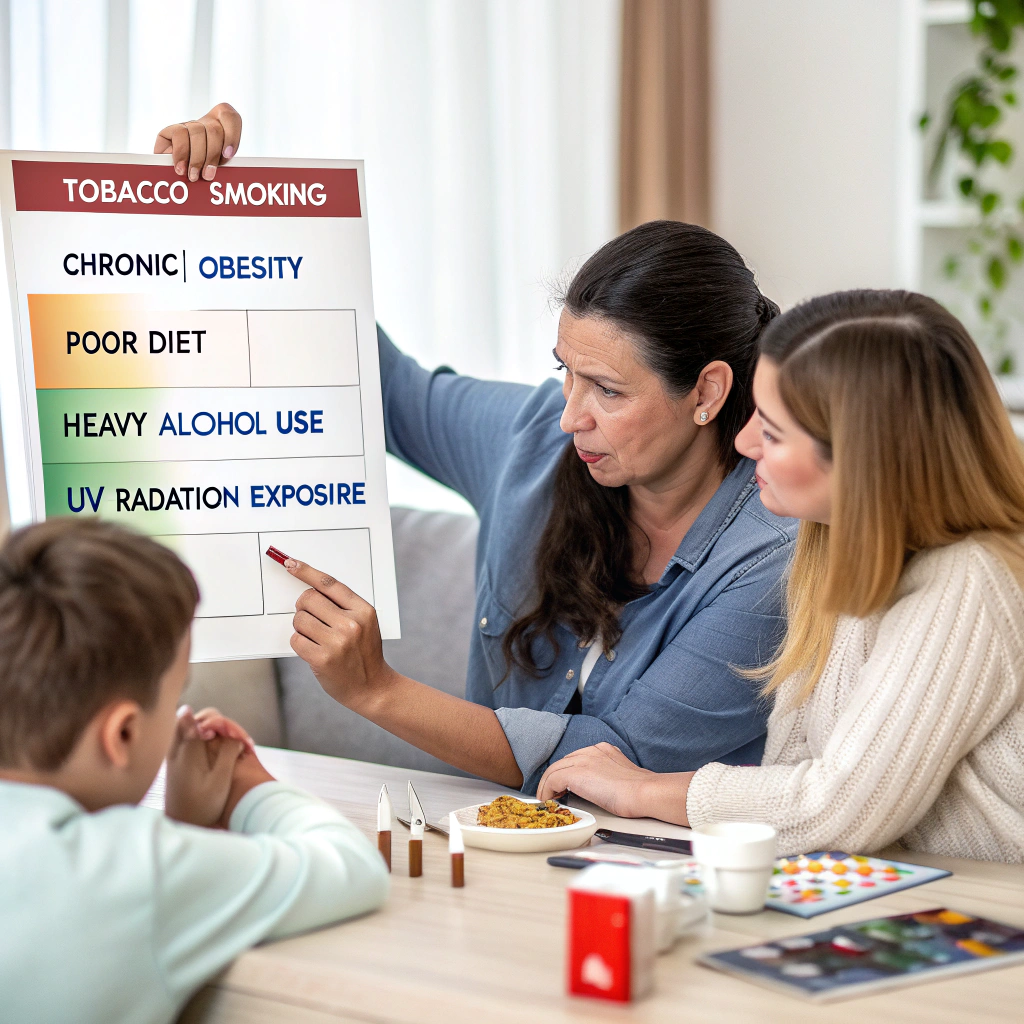
When managing safety protocols on our factory floor, I learned that you must always focus your resources on fixing the largest hazards first. The exact same rule applies to personal healthcare. While worrying about plastic molecules feels urgent, medical data proves that standard behavioral choices have a vastly superior impact on your longevity. Maintaining a balanced diet, exercising regularly, avoiding tobacco smoke, and protecting your skin from severe sunburn do infinitely more to lower your health risks than obsessing over a certified plastic water bottle. Let us look at the primary global health hazards ranked by their statistical impact on human populations.
Top Primary Health Hazards
- Tobacco Smoke Exposure: Introduces over seventy known chemical carcinogens directly into the lungs with every single puff.
- Chronic Physical Inactivity: Weakens the human immune system and alters insulin regulation, lifting total metabolic cancer risks.
- Heavy Alcohol Intake: Breaks down into acetaldehyde inside the body, damaging cellular DNA structures permanently.
What Are 10 Harmful Effects of Plastics?
Do you want to understand the true, broad-scale impact that mass-produced plastic materials exert on our global environment, wildlife, and human communities? The real danger of synthetic polymers extends far beyond basic storage concerns inside your kitchen cabinet.
The 10 main harmful effects of plastics are ocean microplastic contamination, severe wildlife ingestion injuries, toxic landfill chemical leaching, microplastic entry into human food chains, high manufacturing carbon emissions, non-biodegradable waste accumulation, chemical disruptions in soil, blocked urban drainage networks, toxic air pollution from trash burning, and high crude oil resource depletion.
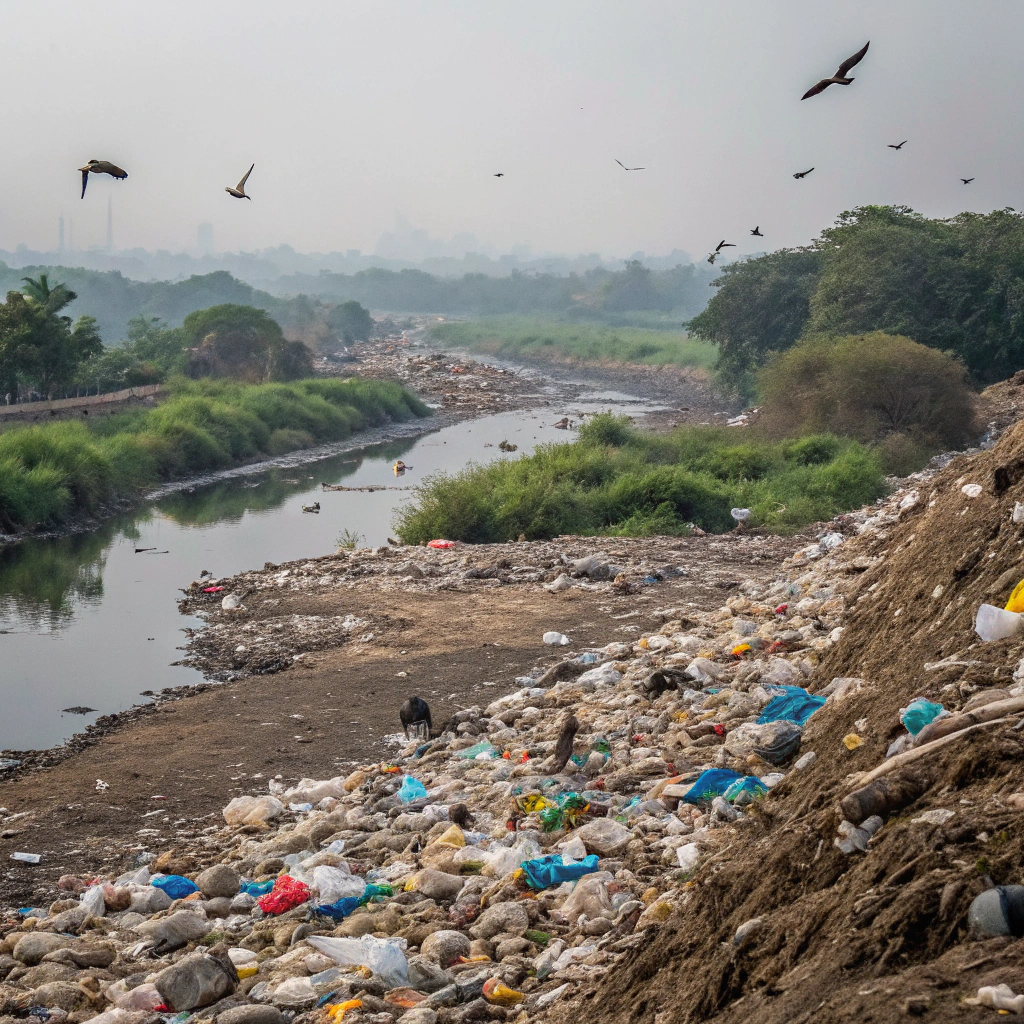
In the manufacturing world, we must look at the entire lifecycle of a product to evaluate its true cost. A single-use plastic bottle takes less than five seconds to produce, yet it requires hundreds of years to break down inside a local landfill. As these millions of discarded containers weather down, they do not disappear; they fracture into billions of microscopic shards that contaminate local agricultural soils and groundwater networks. This massive environmental footprint is the primary reason why corporate clients at Latitude are shifting away from cheap plastic giveaways toward circular materials. Let us break down these ten structural threats into a clear checklist.
Ten Hidden Plastic Threats
- 1. Ocean Plastic Gyres: Massive floating fields of discarded synthetic waste trap and suffocate marine mammals daily.
- 2. Marine Ingestion Hazards: Sea turtles and seabirds mistake floating clear film for food, blocking their digestive tracts.
- 3. Landfill Leaching: Heavy chemical additives mixed into industrial plastics slowly seep down into local municipal water tables.
- 4. Food Chain Bioaccumulation: Microscopic plastic particles are eaten by fish and travel directly back onto our dinner plates.
- 5. Heavy Carbon Footprint: Extracting and refining crude oil to manufacture clear polymers releases massive greenhouse gases.
- 6. Millennium Waste Spans: Standard synthetic bottles require over four hundred and fifty years to physically decompose in nature.
- 7. Soil Matrix Damage: Microplastics alter how water moves through soil, reducing crop yields and killing earthworms.
- 8. City Drainage Blockages: Discarded shopping bags choke urban storm drains, causing severe localized flash flooding.
- 9. Open Incineration Toxins: Burning plastic trash releases highly toxic dioxin fumes directly into surrounding residential air.
- 10. Petroleum Resource Exhaustion: Using vast amounts of non-renewable fossil oil for short-term packaging strips future resources.
Conclusion
Getting cancer from plastic water bottles is not supported by scientific evidence under normal use, making it far more impactful to focus on healthy hydration habits and using high-quality reusable flasks.