Jul 14, 2026News & Insights
Can You Put Ice in a Stainless Steel Water Bottle?
Stainless steel water bottles safely hold ice for all-day cooling. Avoid freezing a full bottle, clean it regularly, and enjoy long-lasting, refreshing hydration every day.
Can You Put Ice in a Stainless Steel Water Bottle?
Are you tired of your refreshing water turning lukewarm during a long commute or an outdoor workout? Drinking warm water on a hot day makes hydration feel like a chore rather than a relief. You need a reliable way to keep your drinks crisp all day.
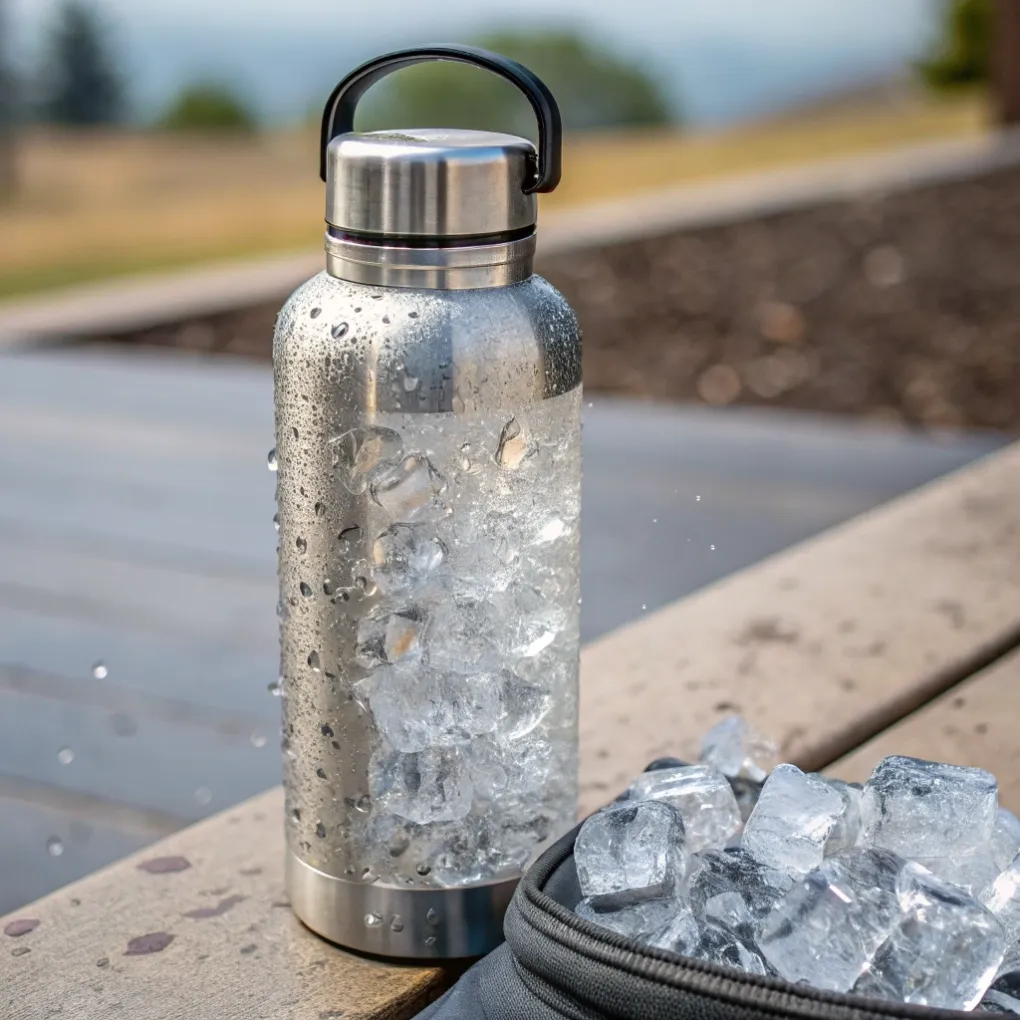
Yes, you can absolutely put ice in a stainless steel water bottle. High-quality vacuum-insulated stainless steel is built to handle freezing temperatures, keeping your ice intact and your water ice-cold for up to 24 hours without sweating.
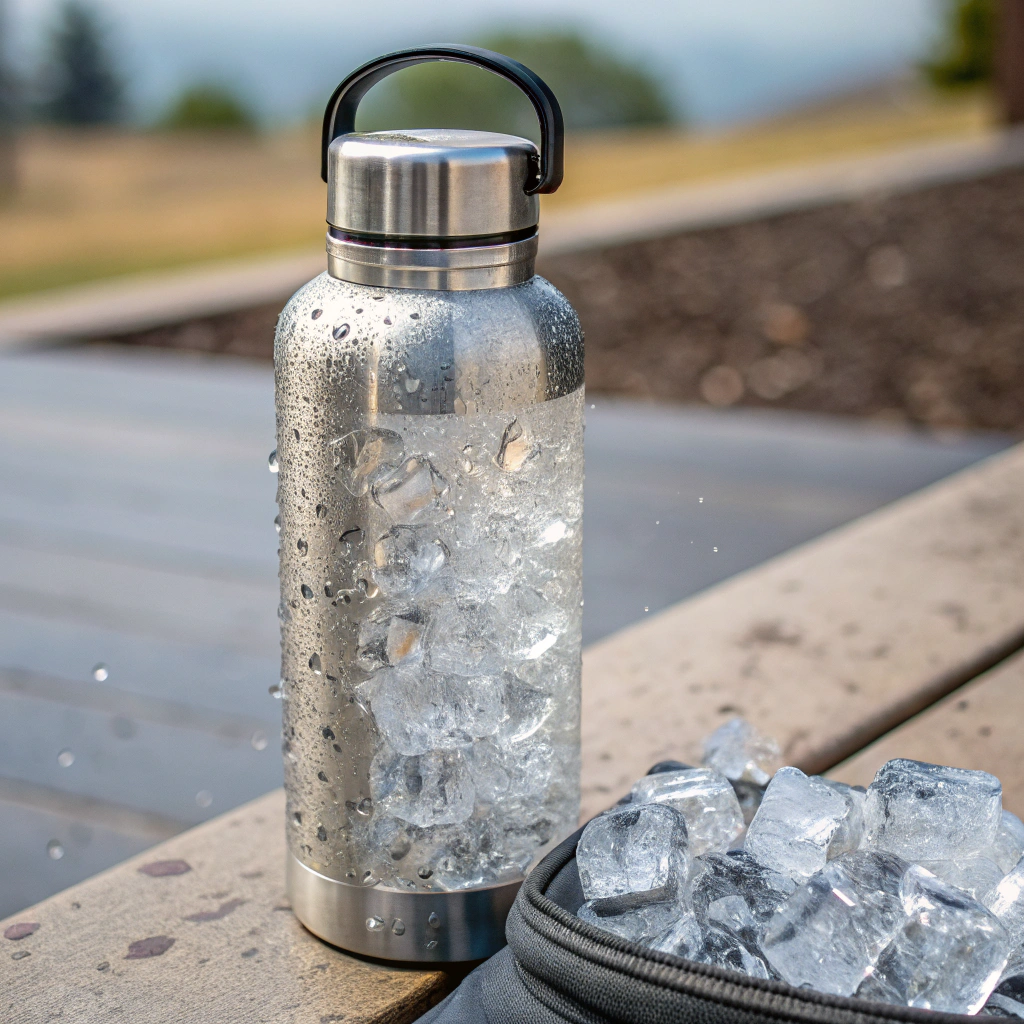
During my early years working on a printing factory floor, the heat was intense, and regular plastic bottles left my water warm within an hour. Switching to a stainless steel flask changed everything. It kept my ice solid all day, proving to me how crucial temperature control is for staying productive and healthy.
Will Water Freeze in a Stainless Steel Water Bottle?
You want to prep your bottle for a long day by freezing it overnight, but you worry it might break the container. Damaging an expensive flask can ruin your morning routine and waste your money. You need to know the safe limits of your gear.
Water will freeze if placed in a freezer, but you should never freeze a full stainless steel water bottle. Because water expands as it turns to ice, the immense pressure can warp the metal, break the vacuum seal, or split the bottom.
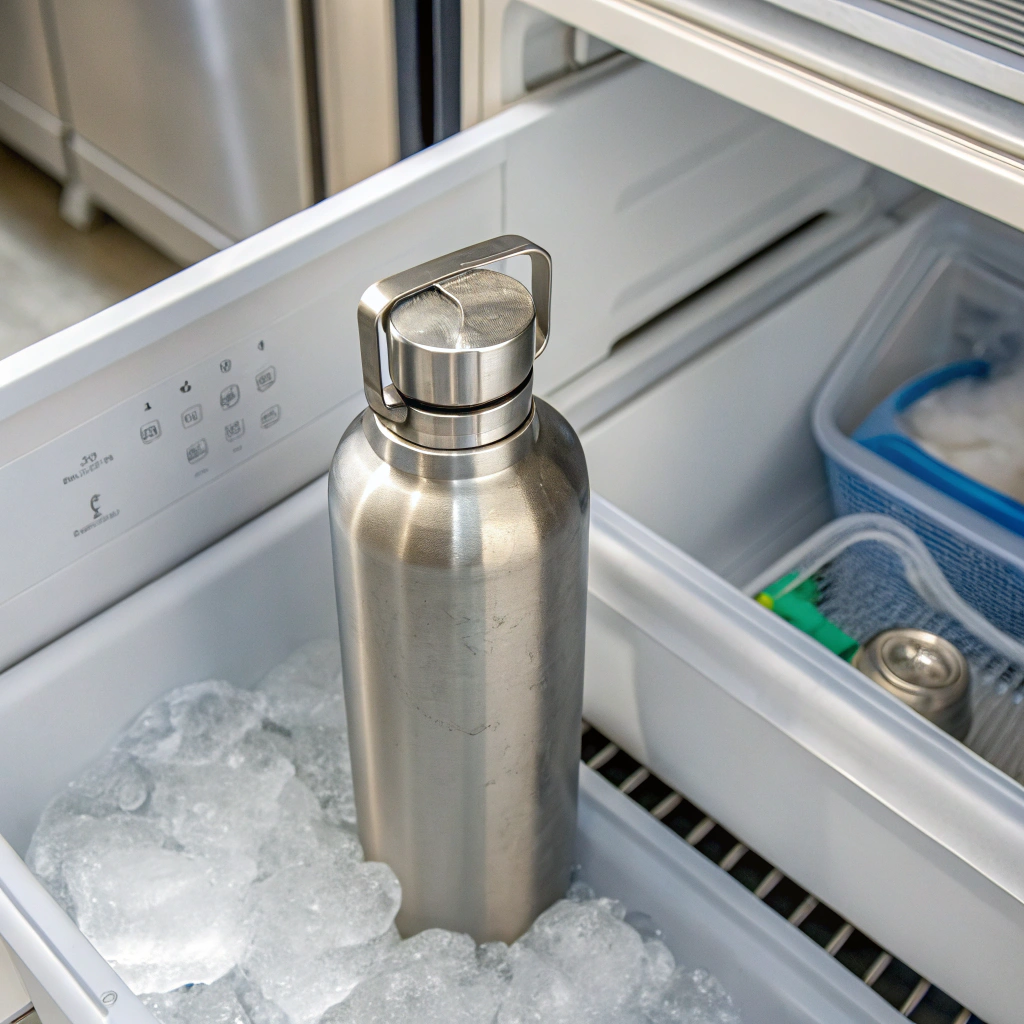
I once had a client, Jacky, who tried to freeze a completely full insulated bottle for an outdoor corporate team-building event. By morning, the expanding ice had bulged the bottom out, so the bottle could no longer stand upright on his desk. The insulation layer was ruined. If you want ice-cold water, the best method is to drop loose ice cubes directly into the wide mouth of the bottle instead.
To understand how ice interacting with your bottle affects your daily hydration, let us look at the best ways to balance coldness with actual water capacity.
Managing Ice and Water Capacity
Ice Volume in Bottle | Temperature Duration | Drinking Water Volume | Best Use Case |
|---|---|---|---|
1/4 Filled with Ice | 8 to 12 Hours | Maximum | Long office days and daily commuting |
1/2 Filled with Ice | 16 to 24 Hours | Balanced | Outdoor sports and mid-day workouts |
Completely Full of Ice | Over 24 Hours | Minimum | Short intense hikes where refills are nearby |
As the table shows, filling the entire bottle with ice leaves you with very little actual water to drink. Finding a balance ensures your water stays perfectly chilled without sacrificing the liquid volume you need to stay hydrated during your activities.
What Are the Disadvantages of Stainless Steel Water Bottles?
You love the idea of long-lasting ice, but you worry the bottle might feel too heavy during a long walk. Carrying a bulky, dented metal container can make your daily commute feel frustrating and uncomfortable. These everyday drawbacks make you hesitate before buying.
The main disadvantages of stainless steel water bottles are their heavy weight, susceptibility to outer dents when dropped, and higher upfront cost. They also require a wide mouth design to easily fit standard ice cubes and make deep cleaning simple.
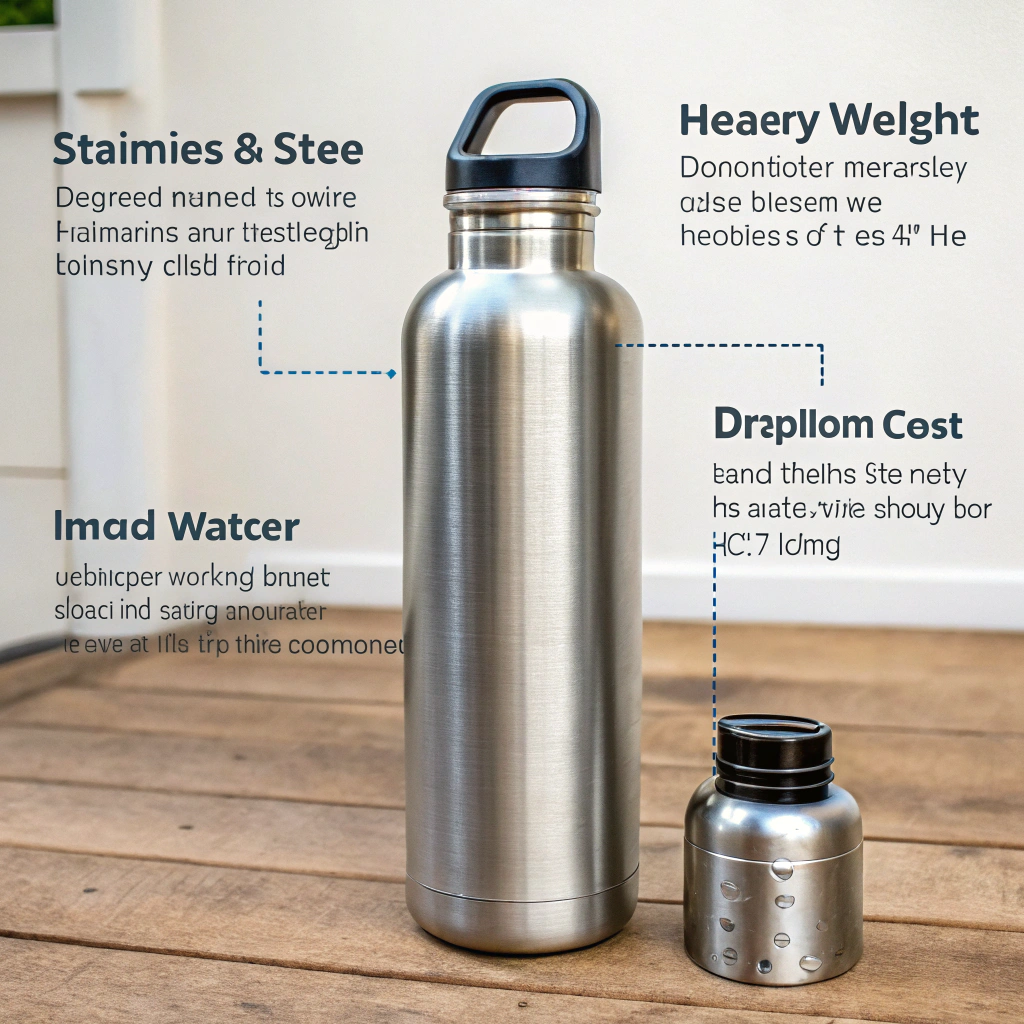
When I help companies select promotional gifts, I always emphasize that design details matter. A metal bottle with a narrow opening makes it incredibly frustrating to drop ice cubes inside, and it is very hard to clean out residual moisture. Over time, moisture trapped inside can cause minor odor issues if the bottle is not dried properly.
Common Metal Bottle Challenges and Fixes
- Heavy Weight: Double-wall vacuum insulation adds structural weight, so choose a bottle with a comfortable carry loop or handle.
- Denting Risk: Metal can dent if dropped on concrete, but adding a silicone boot to the base protects it from high impacts.
- Hygiene Needs: Hidden moisture around the rubber lid seals can trap bacteria, meaning you must wash the lid thoroughly after the ice melts.
Understanding these traits helps you choose a bottle that lasts. While metal requires a bit more care and is heavier than cheap single-use plastic, the incredible durability and temperature retention make it a far better long-term companion.
What Is the Fastest Way to Turn Water into Ice?
You need cold ice quickly before running out the door for an event, but standard trays take hours to freeze. Waiting around for ice causes unnecessary delays and stresses you out when you are on a tight schedule. You need a faster solution.
The fastest way to turn water into ice at home is to use a metal ice tray filled with hot water, or wrap an uninsulated container in a wet paper towel before placing it in the deepest part of your freezer.
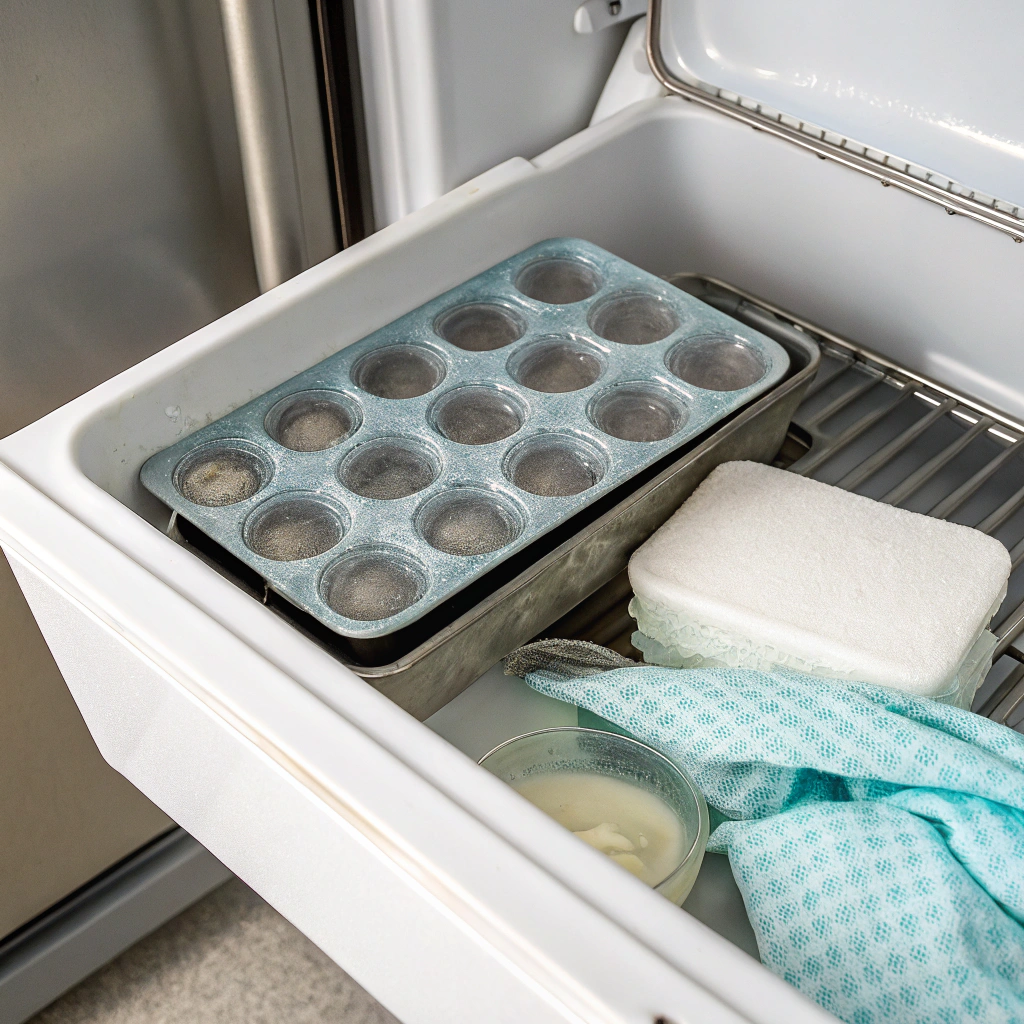
In the production industry, we study thermal conductivity closely. Metal conducts heat away much faster than plastic trays do. Furthermore, hot water can sometimes freeze faster than cold water under specific conditions due to evaporation and convection currents—a phenomenon known as the Mpemba effect.
Ice-Making Methods Compared by Speed
If you use a stainless steel bottle every single day, investing in a small countertop ice maker or utilizing thin metal ice molds will save you massive amounts of time. You can quickly pack your insulated bottle with fresh ice each morning, ensuring your water stays cold, refreshing, and highly enjoyable all day long.
Conclusion
You can safely put ice in a stainless steel water bottle to enjoy cold drinks all day. Avoid freezing a full bottle, clean it regularly, and you will have the ultimate hydration tool.