Jul 15, 2026News & Insights
Can You Use an Insulated Steel Water Bottle for Hot Coffee?
Insulated stainless steel bottles keep coffee hot for hours, resist stains and corrosion, and provide a safe, durable, reusable solution for daily hot beverages.
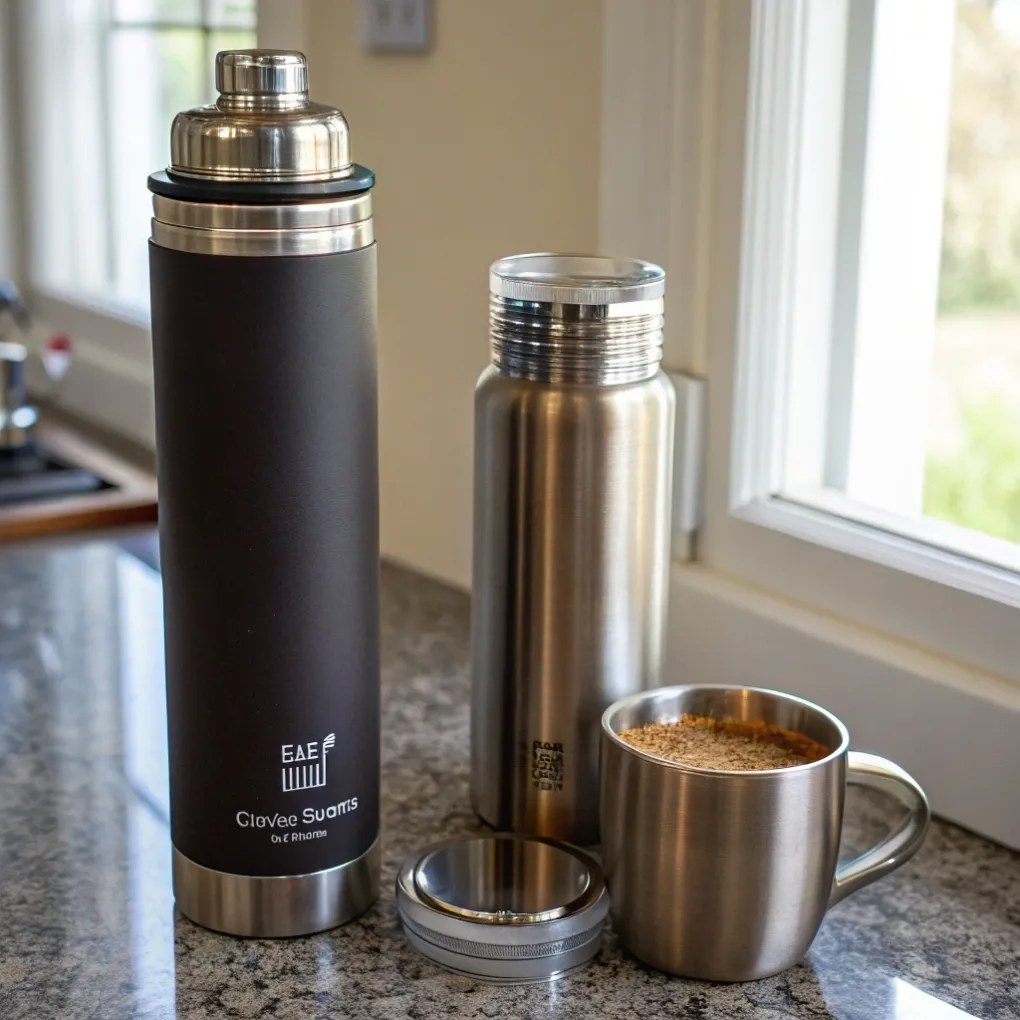
Can You Use an Insulated Steel Water Bottle for Hot Coffee?
Are you tired of pouring fresh, steaming-hot coffee into your daily travel flask, only to have it turn lukewarm, stale, and completely unappealing by the time your morning office commute ends?
You can absolutely use an insulated steel water bottle for hot coffee. A container made from high-quality, double-wall vacuum insulated 304 food-grade stainless steel will easily keep your morning coffee steaming hot for over twelve hours while remaining entirely safe.
I started my career working directly on a noisy printing factory floor, managing busy manufacturing production setups and checking layout proportions by hand under tight schedules. That production experience taught me that selecting the correct material grade is absolutely vital for long-term safety, material durability, and human health. Later, I established Latitude Experience Pte Ltd to help forward-thinking marketing managers select premium, highly functional corporate lifestyle gifts that their clients can trust completely. I know that confusion about temperature limits and metal reactions can cause unnecessary worry during your daily routine. Let us look at the exact insulation science, material tolerances, and cleaning habits to keep your daily beverages perfectly hot, fresh, and enjoyable.
Can You Use an Insulated Water Bottle for Coffee?
Do you hesitate to pour fresh espresso inside your daily travel flask because you are afraid the strong, dark coffee flavors will permanently stain the metal walls?
You can use an insulated water bottle for coffee without any issues. High-quality food-grade stainless steel features a dense, non-porous interior layer that stops liquid molecules, deep pigments, and volatile oils from soaking into the container walls.
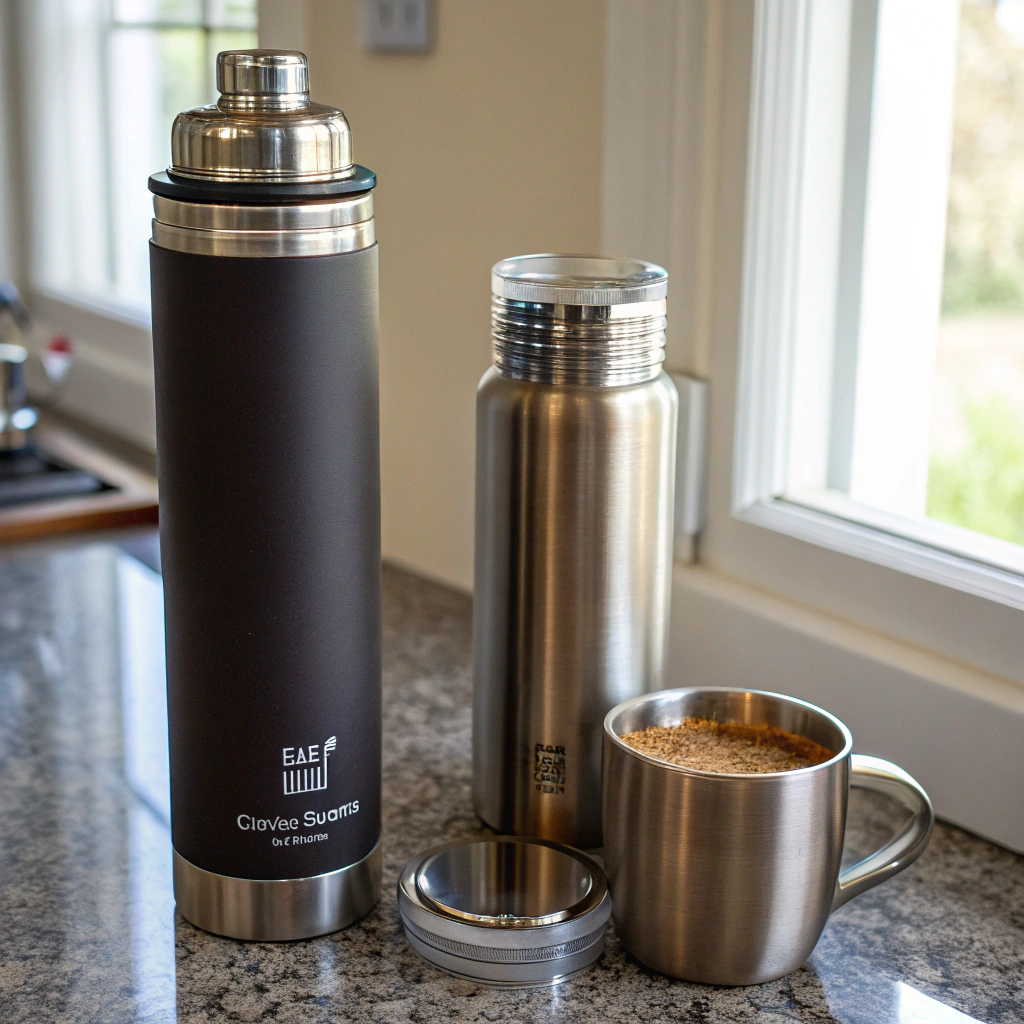
From my perspective, the true strength of an insulated steel container lies in its incredible versatility. A single well-made flask can hold steaming-hot black coffee during your morning commute and transition to crisp, ice-cold water for your afternoon gym workout. The dense metal structure prevents flavor crossover, meaning your afternoon water will never taste like morning coffee. However, you must remember that plastic lids and rubber seals are more porous than steel. If you leave old coffee sitting inside the cap crevices all day, the plastic components will hold onto the smell and ruin your next drink.
Let us look at how different travel mug materials handle the daily switch between hot coffee and cold water.
Container Material Base | Flavor and Odor Absorption | Heat Retention Performance | Risk of Internal Staining |
|---|---|---|---|
304 Stainless Steel | Zero (Dense mineral alloy) | Exceptionally High (Vacuum walls) | Zero (Wipes clean easily) |
BPA-Free Utility Plastic | High (Traps oily coffee residue) | Very Low (Loses heat quickly) | High (Darkens from coffee pigments) |
Single-Wall Aluminum | Low (Requires a plastic liner) | Low (Transfers heat to your hand) | Moderate (Liner can scratch easily) |
Streamlining Your Daily Workflow
When Jacky organizes branding items for corporate giveaways, I always tell him that a single high-utility product is far more valuable than three single-purpose gifts. An insulated flask that handles both hot caffeine and cold water simplifies the user’s routine instantly. It removes desk clutter, cuts down on dirty dishes, and ensures your corporate brand gets continuous passive exposure from morning to night. True value comes from everyday usefulness, and an adaptable container is the ultimate tool for active professionals.
Can I Put Hot Coffee in a Stainless Steel Water Bottle?
Are you worried that pouring boiling hot coffee directly into a metal container will cause structural cracks, leak harmful industrial chemicals, or burn your hands through the outer shell?
You can safely put hot coffee in a stainless steel water bottle if the flask features double-wall vacuum insulation. This advanced design stops heat transfer completely, keeping the beverage hot while ensuring the outer surface stays cool.
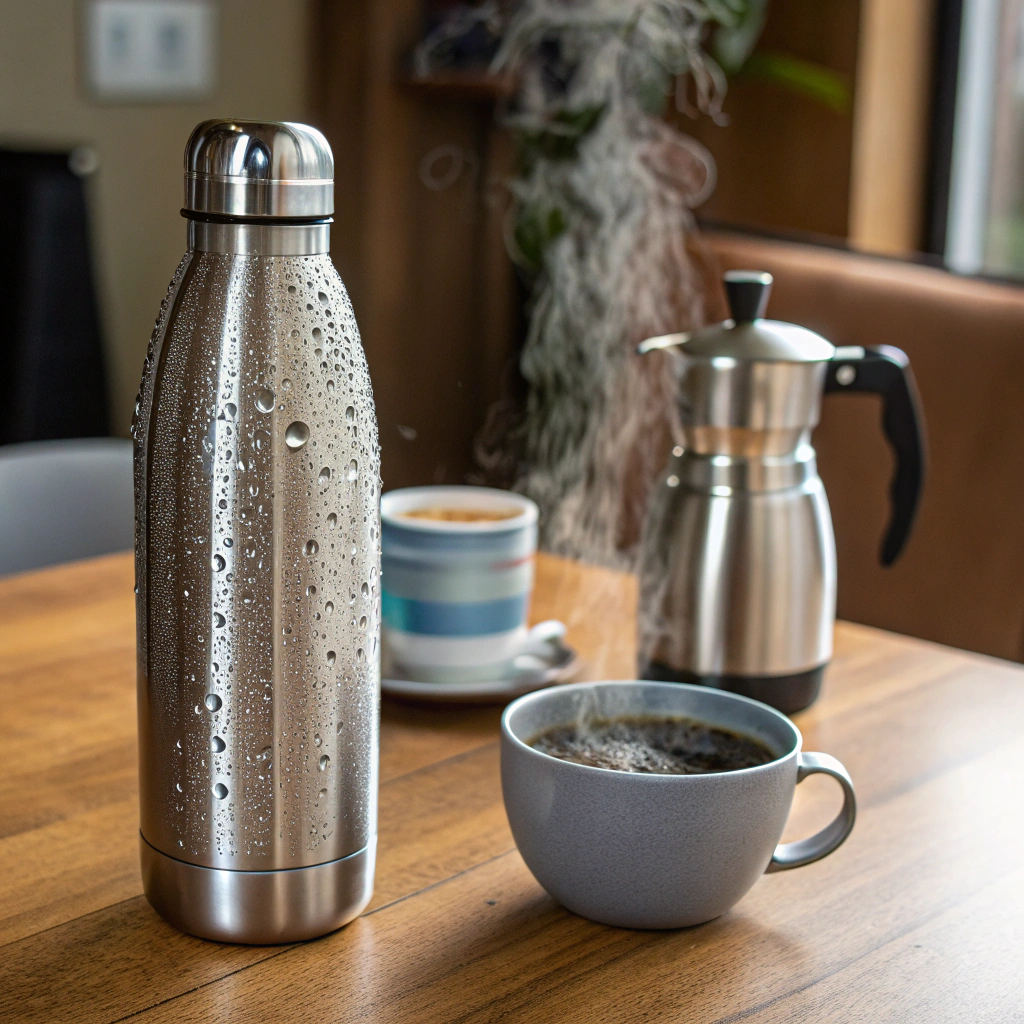
In my years of studying material safety and custom product manufacturing, I have learned that the internal structure of a bottle dictates how it manages extreme heat shifts. Premium flasks use a double-walled build where air is completely sucked out of the space between the two steel layers to form an absolute vacuum. Because heat requires physical molecules to move through space, this empty vacuum pocket stops thermal energy from escaping the bottle. This means your fresh coffee stays at a safe, enjoyable drinking temperature for hours, while the exterior shell remains perfectly comfortable to hold in your bare hands without any risk of burns.
Let us examine the structural safety differences between insulated steel and standard single-use retail options.
Drinkware Category | Chemical Leaching Risk | External Surface Heat | Average Useful Lifetime |
|---|---|---|---|
Double-Wall Steel Flask | Zero Risk (No liners needed) | Safe and Cool (Vacuum insulation) | 3 to 5 Years (Durable build) |
Disposable Paper Cup | Low (Microplastics from lining) | High (Requires a cardboard sleeve) | Less than 1 Hour (Single use) |
Single-Wall Glass Bottle | Zero Risk (Inert mineral) | Extremely Hot (Burns fingers easily) | Variable (Can break on floors) |
Eliminating Single-Use Waste
When working on the factory printing floor, we went through dozens of single-use paper cups every week, which created an absolute mess in the recycling bins. Switching to a personal insulated flask completely removes this waste from your workspace. A durable steel body can replace over five hundred disposable cups during its lifetime, making it an excellent financial choice and a highly responsible environmental habit. Investing in a premium, reusable container shows you value long-term quality over quick convenience.
Can Coffee Corrode Stainless Steel?
Are you afraid that the natural organic acids found in specialty coffee beans will slowly eat away at the internal metal walls, causing rust spots or metallic chemical leaching?
Coffee cannot corrode high-quality stainless steel under any normal daily conditions. High-grade 304 food-safe steel contains a high percentage of chromium, which naturally reacts with oxygen to form a permanent protective shield.
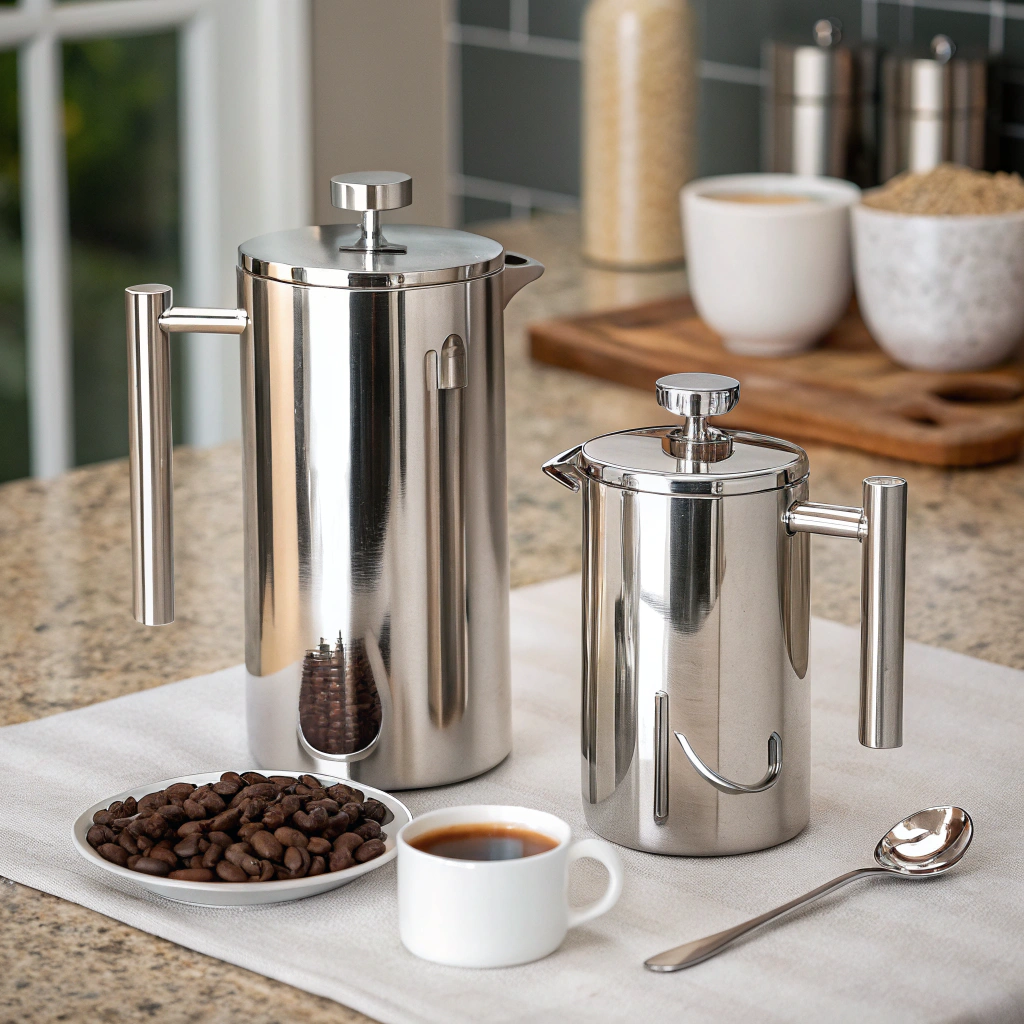
When managing large production runs in our factory printing lines, I realized that technical chemical boundaries dictate how materials survive daily contact with liquids. Coffee is slightly acidic, matching a rating of around five on the pH scale. This mild acidity is completely weak against premium food-grade steel. The chromium mixed into the steel alloy forms an invisible, self-healing oxide layer on the inner walls that blocks organic acids and moisture from attacking the raw iron beneath. Your flask will never pit, rust, or leach harmful compounds into your drink, provided you avoid using harsh industrial chemicals like chlorine bleach to clean it.
Let us review the rules for managing your daily drinkware material choices safely.
Allowed Beverage Types | Highly Dangerous Cleansers | Recommended Wash Habit | Expected Core Safety Benefit |
|---|---|---|---|
Black coffee, lattes, herbal teas | Industrial chlorine bleach | Warm water + basic dish soap | Keeps the inner surface shiny and clean |
Acidic fruit juices, cold sodas | Heavy steel wire scouring pads | Soft nylon bottle brush scrub | Prevents scratches on the oxide shield |
Plain water, mineral sports drinks | Concentrated abrasive acids | Weekly baking soda paste soak | Removes stubborn coffee oil stains safely |
Proper Post-Use Maintenance
Even though coffee cannot damage the tough metal walls, leaving damp coffee residues inside the container for days will create a dark layer of old oils that spoils the taste of your fresh water. The golden rule for maintenance is incredibly simple: rinse your bottle with warm water and basic soap right after you finish your daily coffee. Let it air-dry completely on your kitchen rack with the cap left open to prevent moisture from getting trapped inside. This simple care routine ensures your premium flask stays pristine, odor-free, and ready for any beverage year after year.
Conclusion
Using an insulated steel water bottle for hot coffee is exceptionally safe and highly effective because the double-wall vacuum design traps heat for hours, while the inert 304 stainless steel resists coffee acids perfectly.