Jul 10, 2026Services Overview
Canvas Grocery Bag: Why Does This Classic Fabric Dominate Modern Shopping?
Canvas grocery bags dominate modern shopping by combining durability, reusability, and eco-friendly design, offering a practical and sustainable alternative to disposable shopping bags.
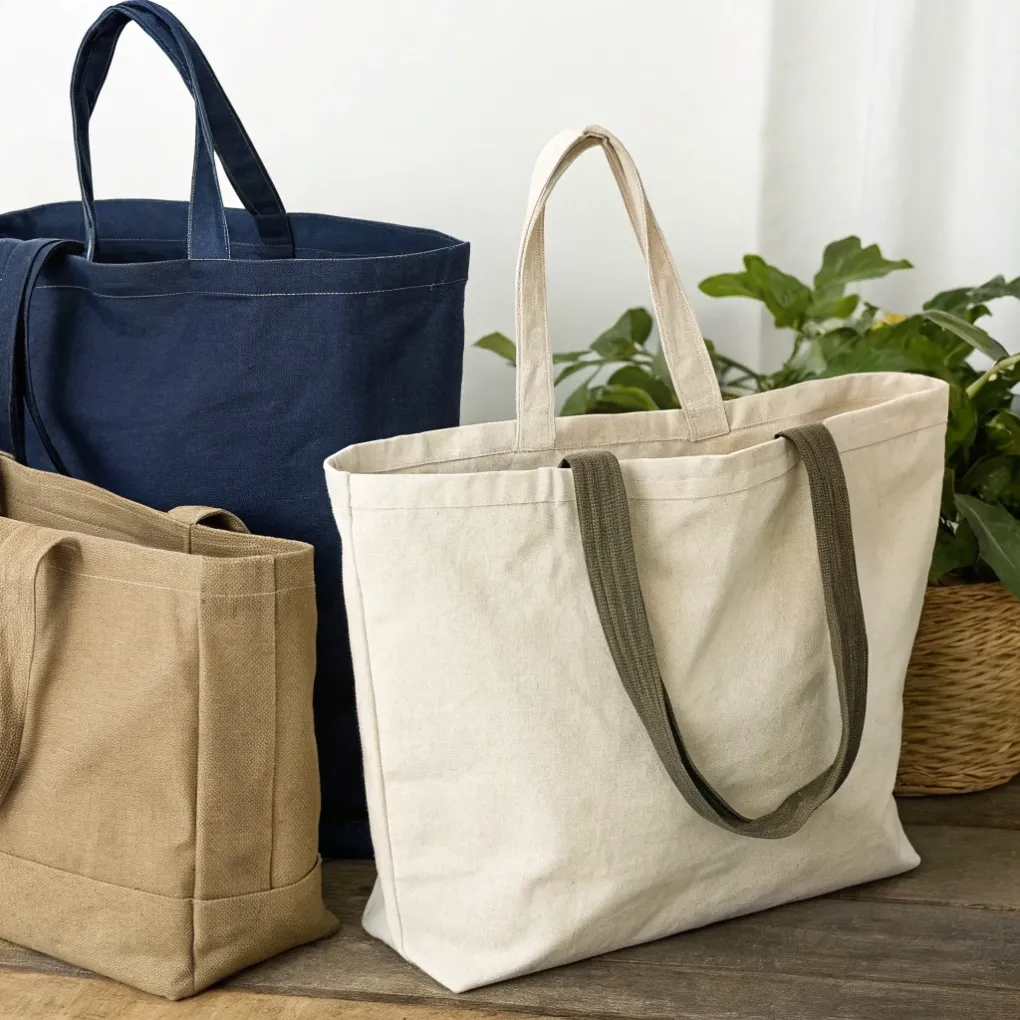
Canvas Grocery Bag: Why Does This Classic Fabric Dominate Modern Shopping?
Are you tired of cheap promotional bags that tear at the seams after just a few trips to the supermarket? Finding a truly reliable shopping companion requires shifting your focus toward timeless, heavy-duty materials.
A canvas grocery bag is a heavy-duty shopping tote made from tightly woven cotton or linen fabric. It provides exceptional tensile strength, a spacious interior, and a washable design, making it the gold standard for carrying heavy groceries, books, and daily essentials for many years.
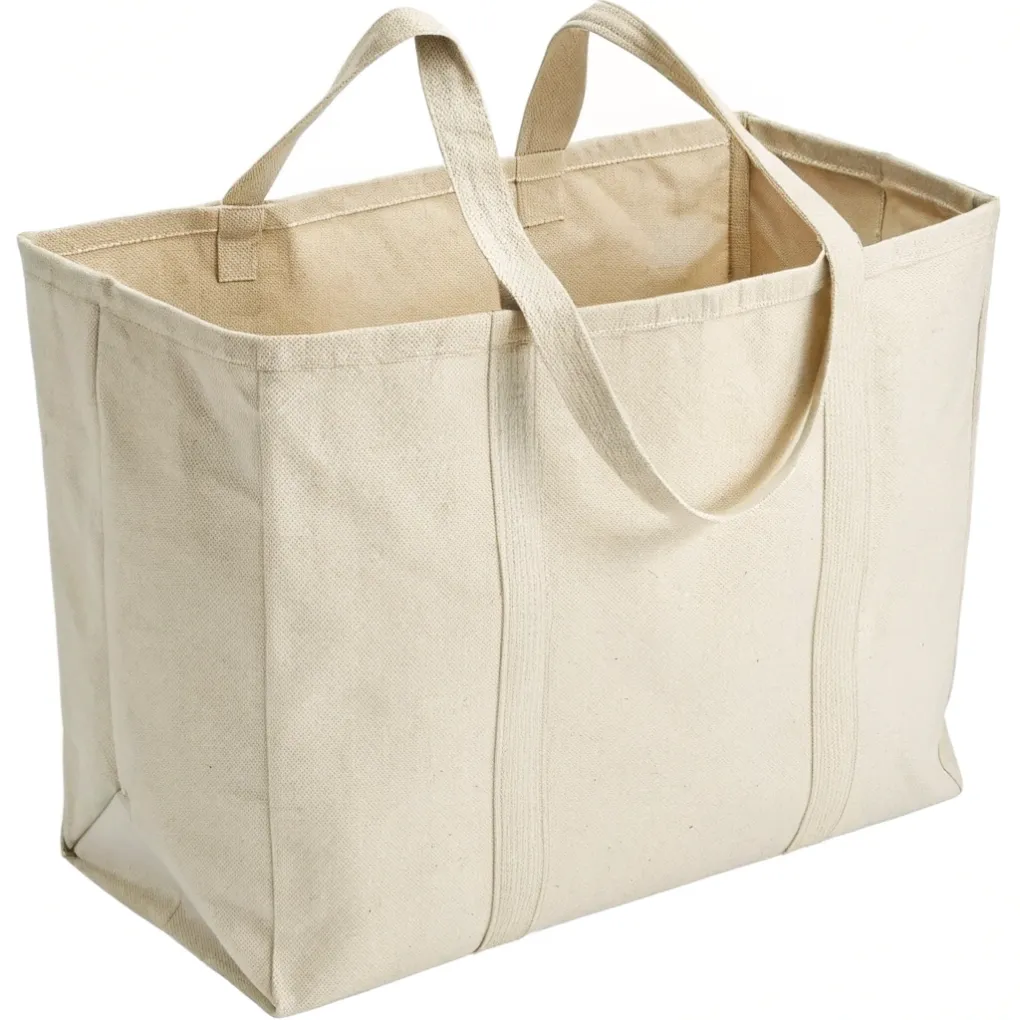
I spent my early career working inside a traditional printing factory, handling raw fabrics and learning how different weaves hold up under tension. I know firsthand that a canvas tote is not just a passing eco-friendly trend. It is a masterclass in functional engineering. Let us look at how this durable fabric changes our relationship with everyday products and builds long-term brand value.
What Is a Canvas Shopping Bag Called in the Textile Industry?
Do you get confused by terms like duck canvas, cotton tote, and shopper when browsing product catalogs for your business? Sourcing the wrong fabric weight can lead to bags that feel flimsy instead of premium.
In the textile industry, a canvas shopping bag is formally classified by its fabric weight in ounces or called cotton duck canvas. In retail spaces, it is widely referred to as a canvas tote bag, a utility shopper, or a heavy-duty market bag depending on its shape and handle construction.
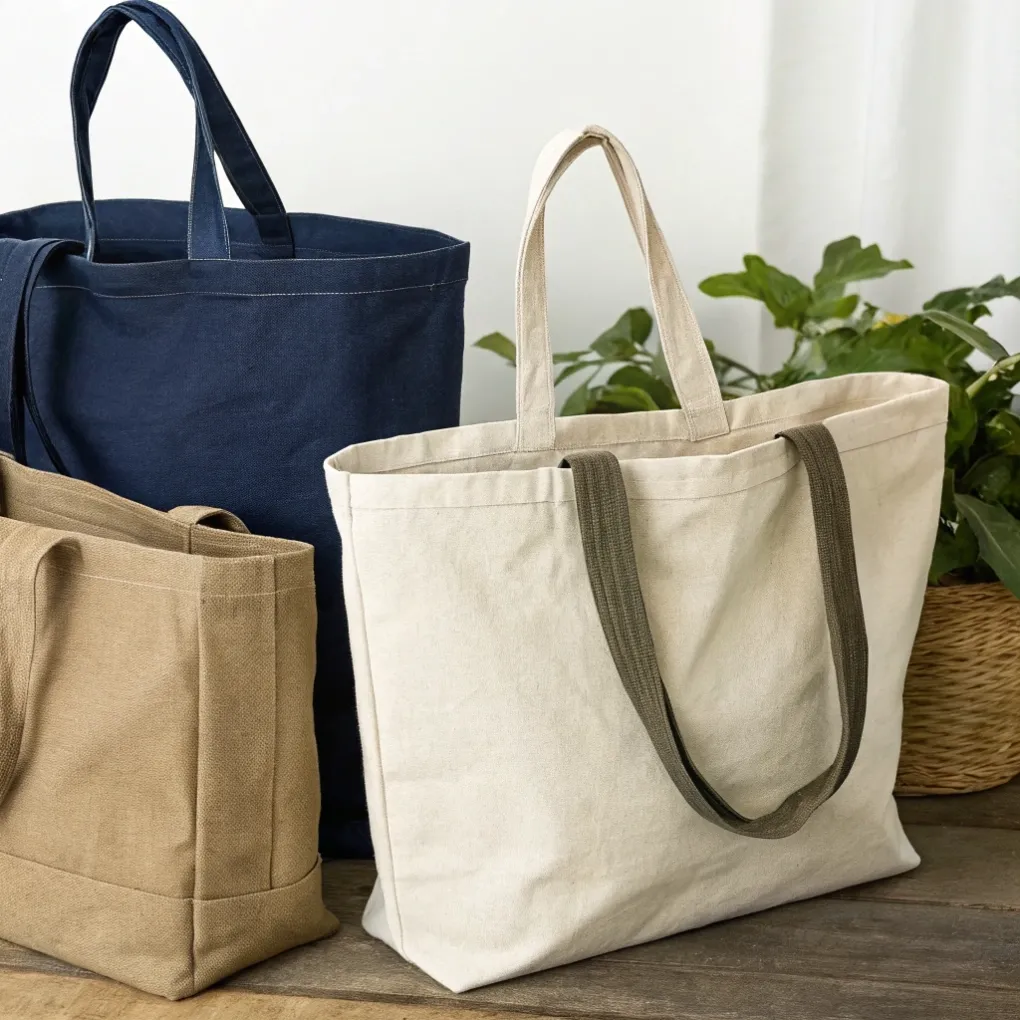
When corporate clients consult me at Latitude Experience, they often use the words cotton and canvas interchangeably. However, in production, the weave structure makes a massive difference in product lifespan. Standard cotton bags are made from a plain weave that feels lightweight and thin. True canvas uses a much tighter double-weave pattern that creates a stiff, rugged texture capable of standing upright on its own.
Critical thinking shows that understanding fabric weight prevents costly ordering mistakes. If you select a light fabric for heavy grocery loads, the handles will fail quickly. Let us examine the specific names and weights used in canvas production.
Industry Term | Fabric Weight | Material Characteristics | Best Practical Use |
|---|---|---|---|
Lightweight Canvas | 6oz to 8oz | Soft, flexible, easy to fold into a pocket | Event giveaways, light promotional gifts |
Medium-Weight Canvas | 10oz to 12oz | Sturdy, holds its shape well, durable | Standard grocery shopping, daily school totes |
Heavy-Duty Duck | 14oz to 16oz | Very stiff, highly water-resistant, rugged | Tool bags, heavy market hauls, premium retail |
If you want your brand message to last, you must pick the right weight for the job. A medium-weight canvas provides the perfect balance of comfort and structural strength for daily errands.
Are Canvas Bags Good Quality for Long-Term Everyday Use?
Do you worry that fabric shopping bags will stain, shrink, or fall apart after a few washes? Many people hesitate to invest in canvas because they assume all fabric totes behave the same way under stress.
Canvas bags offer exceptional quality because the natural cotton fibers are twisted into multi-ply yarns before weaving, which prevents tearing and punctures. Their woven structure distributes weight evenly across the base and reinforced handles, allowing a single quality bag to last for over five years of constant washing and heavy loading.
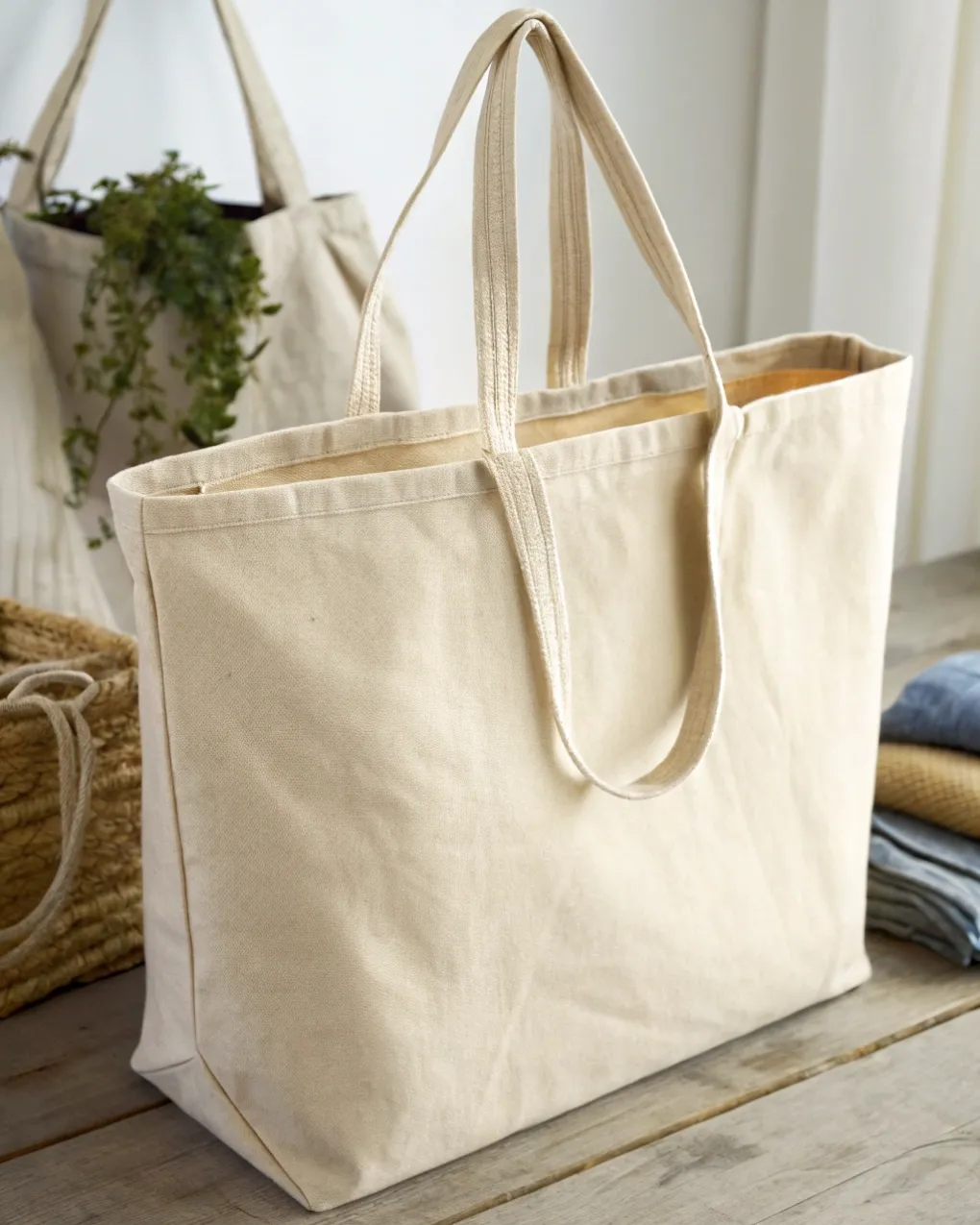
I always explain to marketing managers that customers use products because of convenience first, and environmental claims second. A canvas bag succeeds because it outperforms plastic and paper in every single category. It handles sharp box corners without puncturing, and the wide fabric handles do not cut into your shoulders when walking home with heavy milk jugs. Over time, the fabric softens and develops a worn-in character without losing its actual structural strength.
We can analyze the quality markers that separate a premium canvas bag from a cheap alternative. Look closely at the construction details before making a bulk purchase.
Quality Indicator | Cheap Promotional Bag | Premium Canvas Grocery Bag | Long-Term User Benefit |
|---|---|---|---|
Handle Attachment | Simple straight stitch | Reinforced "X" box stitching | Prevents handles from tearing off under load |
Interior Seams | Raw edges that fray | Overlocked or bound interior seams | Stops the fabric from unraveling in the wash |
Base Construction | Flat bottom pattern | Gusseted or flat-bottom panel | Creates a wide base to pack items flat |
Fabric Treatment | Raw unfinished cotton | Pre-shrunk or water-repellent coating | Maintains size and repels liquids during spills |
True sustainability is measured by how long an item stays in active rotation. When you give a customer a bag that feels this reliable, they carry your brand into gyms, offices, and markets every week.
What Are the 7 Types of Bags Every Professional Should Know?
Are you unsure which bag style fits your specific lifestyle or marketing campaign goals? The retail world uses hundreds of names, but most designs boil down to a few foundational shapes.
The seven essential types of bags are the tote bag, the backpack, the duffel bag, the messenger bag, the crossbody bag, the briefcase, and the clutch. Each type is defined by its carrying method, structural capacity, and functional purpose in daily life.
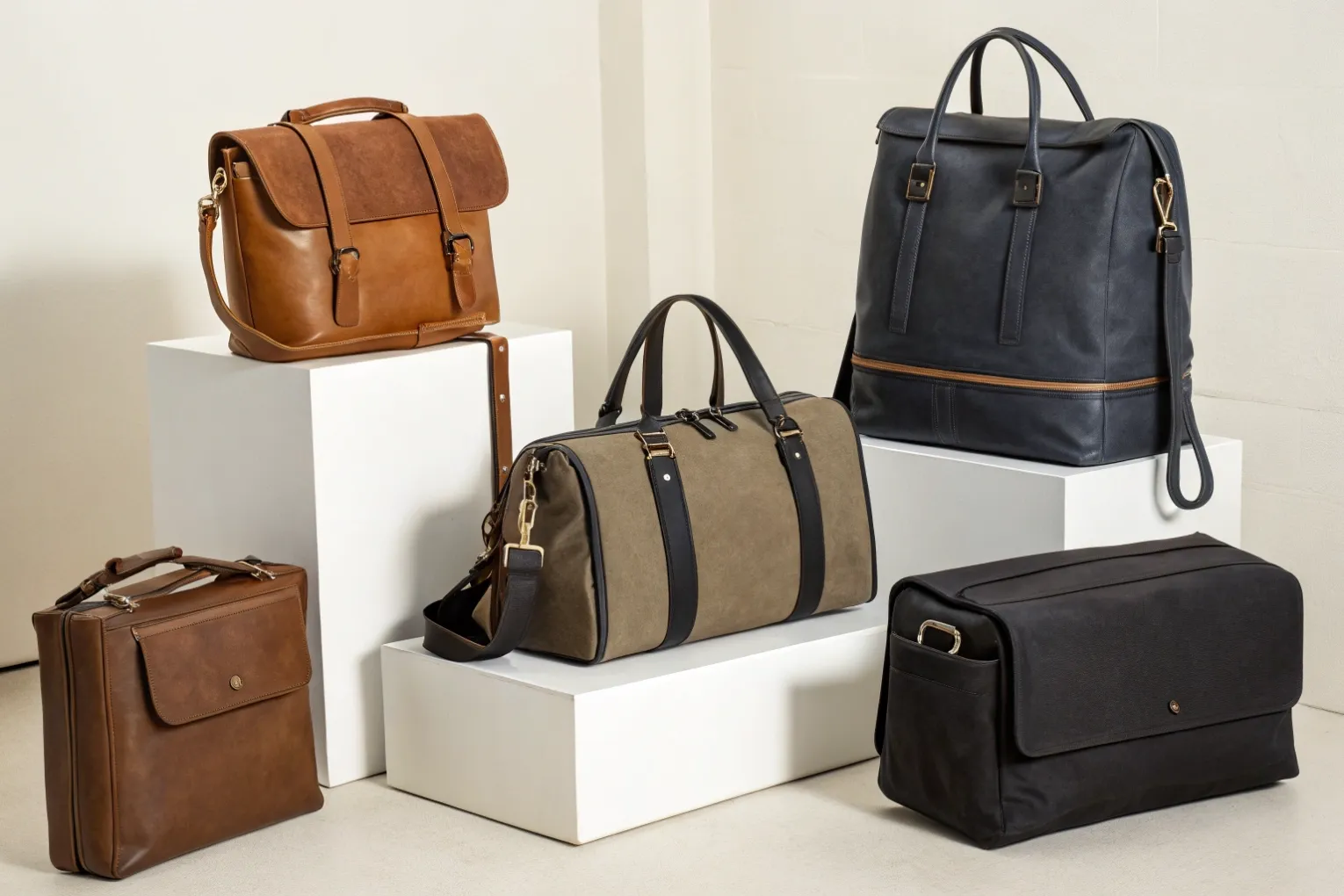
In my branding work, I help companies select the right bag style to match their target audience. A tech firm might choose a sleek backpack for corporate laptops, while a retail brand will find immense value in a classic canvas tote. Modern consumers are moving away from owning dozens of cheap, single-purpose bags. Instead, they prefer investing in a few versatile styles that adapt to changing needs throughout the week.
Critical thinking helps us see that the best bag is the one that eliminates clutter while maximizing utility. Let us break down how these seven classic bag styles function across different environments.
Bag Type | Primary Carrying Method | Core Functional Strength | Best Target Audience |
|---|---|---|---|
1. Tote Bag | Double handles over shoulder | Open top, massive capacity, highly versatile | Grocery shoppers, students, daily commuters |
2. Backpack | Dual shoulder straps | Hands-free mobility, even weight distribution | Tech workers, travelers, outdoor enthusiasts |
3. Duffel Bag | Top handles or long strap | Large cylindrical volume for bulky gear | Gym members, weekend travelers, sports teams |
4. Messenger Bag | Single thick strap across torso | Fast access to items while wearing the bag | Urban cyclists, couriers, casual professionals |
5. Crossbody Bag | Long thin strap over shoulder | Lightweight, secure storage for valuables | Travelers, festival-goers, weekend shoppers |
6. Briefcase | Single rigid top handle | Structured protection for flat documents | Corporate executives, legal professionals |
7. Clutch | Held in hand or under arm | Minimalist size for small personal items | Evening events, formal gatherings, dining out |
The canvas grocery bag falls squarely into the tote category, which is the most adaptable shape of all seven types. It bridges the gap between work, shopping, and leisure seamlessly.
Conclusion
The canvas grocery bag succeeds because its rugged fabric, simple open-top design, and multi-purpose utility quietly replace the culture of disposability with an item built to last a lifetime.