Jul 30, 2026News & Insights
Do Stainless Steel Water Bottles Rust?
High-quality stainless steel water bottles resist rust, last over ten years, and remain safe with proper cleaning, maintenance, and durable materials.
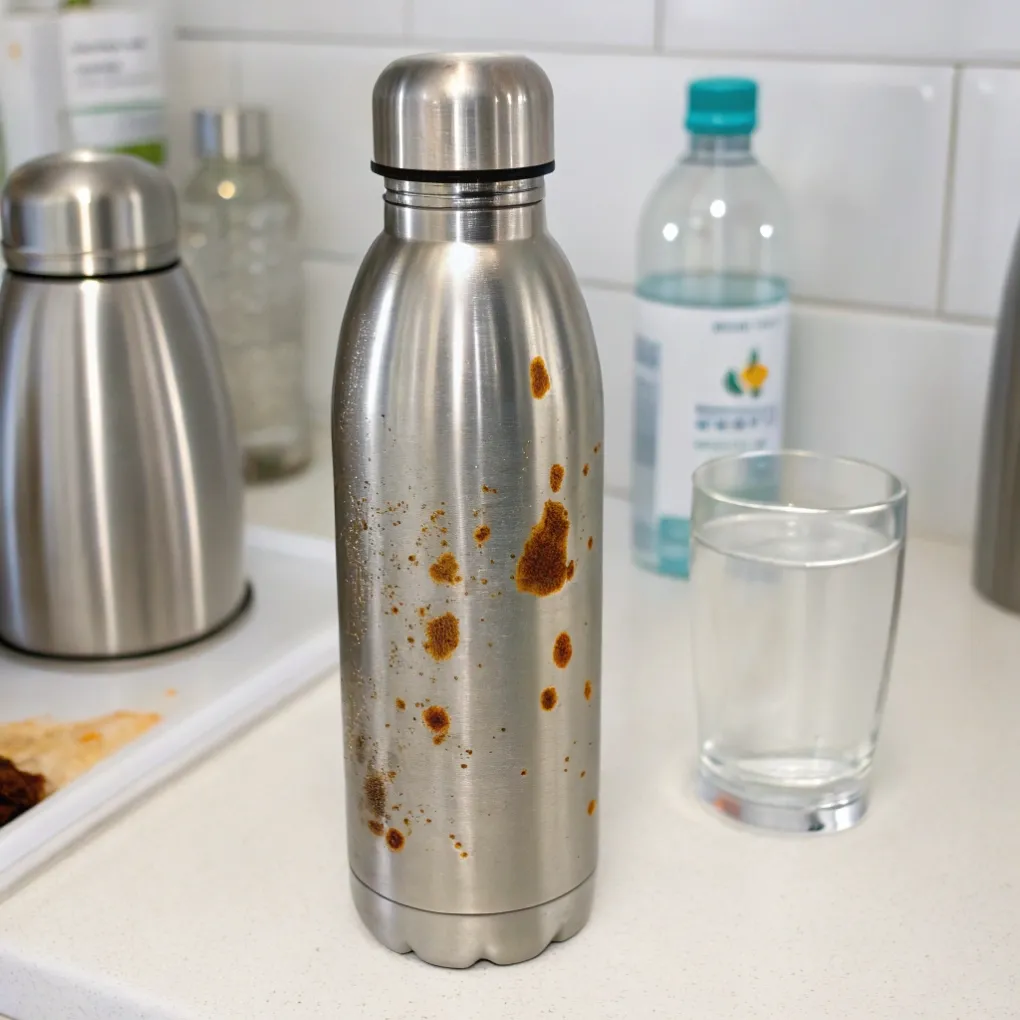
Do Stainless Steel Water Bottles Rust?
Finding mysterious spots inside your favorite drink container can be alarming. You worry about drinking contaminated water or exposing yourself to health risks from corroded metal. Choosing high-quality stainless steel and proper maintenance prevents rust completely.
Stainless steel water bottles rarely rust because chromium creates a self-healing protective oxide layer. However, rust can form if harsh chemicals, acidic liquids, or severe scratches damage this protective barrier on low-grade steel.
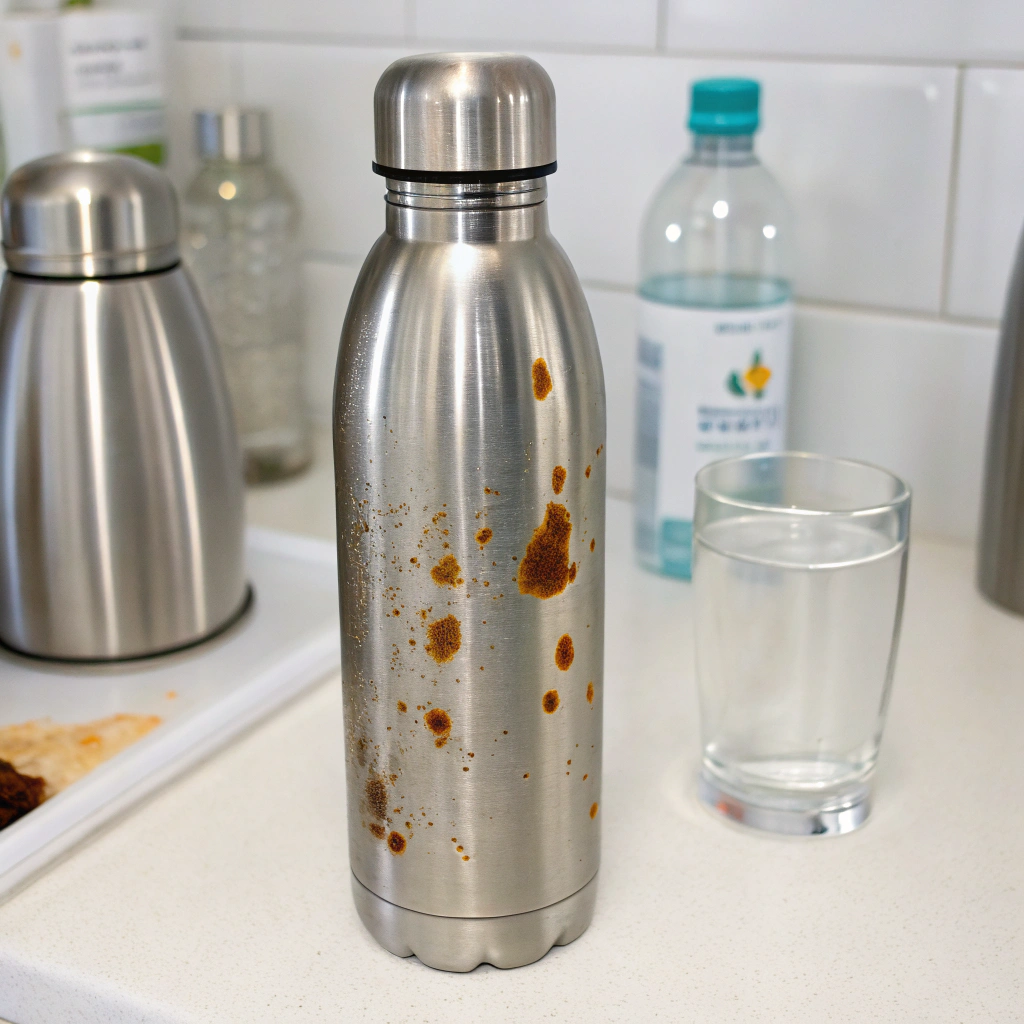
I spent years on factory floors in the printing and custom merchandise industry before founding Latitude. I inspected thousands of metal drink containers, testing how different steel grades handle moisture and daily wear. Keep reading to learn how to keep your bottle rust-free and when to replace it.
Should I Throw Away My Metal Water Bottle?
Noticing dark spots or discoloration inside your bottle causes instant concern. You might feel tempted to toss out an expensive container right away. Understanding the difference between harmless mineral stains and real rust saves you money and prevents unnecessary waste.
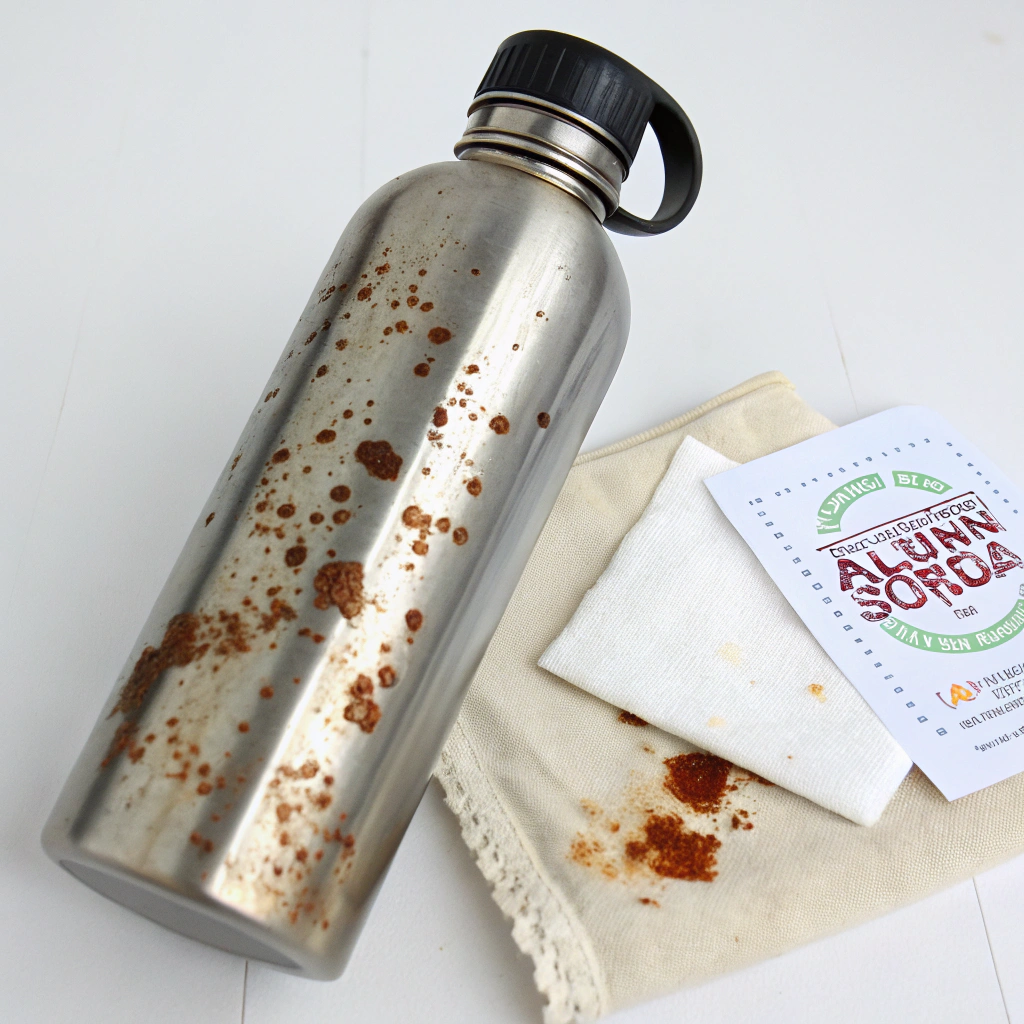
No, you should not throw away your metal water bottle immediately for minor stains. Most brown or white spots are harmless mineral deposits from hard water that you can easily clean with baking soda and vinegar.
Harmless Mineral Stains vs. Permanent Damage
In my ten years running Latitude, clients often brought back bottles thinking the metal had corroded. In almost every case, hard water minerals like calcium or coffee oils had built up on the inner walls. A simple soak with warm water and white vinegar dissolved the buildup, revealing bright, undamaged steel underneath.
However, if you see deep reddish-brown pitting or peeling inner liners, those are signs of permanent corrosion. Physical dents that break the inner vacuum seal or persistent metallic tastes after deep cleaning mean it is time to recycle your bottle.
Visual Indicator | Cause Of Staining | Action Needed |
|---|---|---|
White Chalky Spots | Calcium / Hard water buildup | Soak in vinegar & warm water |
Light Brown Film | Coffee or tea oil residue | Scrub with baking soda paste |
Reddish-Brown Flakes | Real iron rust corrosion | Replace the bottle safely |
Peeling Metallic Coating | Damaged interior lining | Throw away or recycle immediately |
Distinguishing between superficial stains and real metal rust ensures you keep using functional bottles without taking health risks.
What Is The Lifespan Of A Stainless Steel Water Bottle?
Investing in high-quality drinkware leads many to expect a product that lasts a lifetime. You wonder if your trusty insulated bottle degrades over time. Knowing average material lifespans helps you maximize your investment.
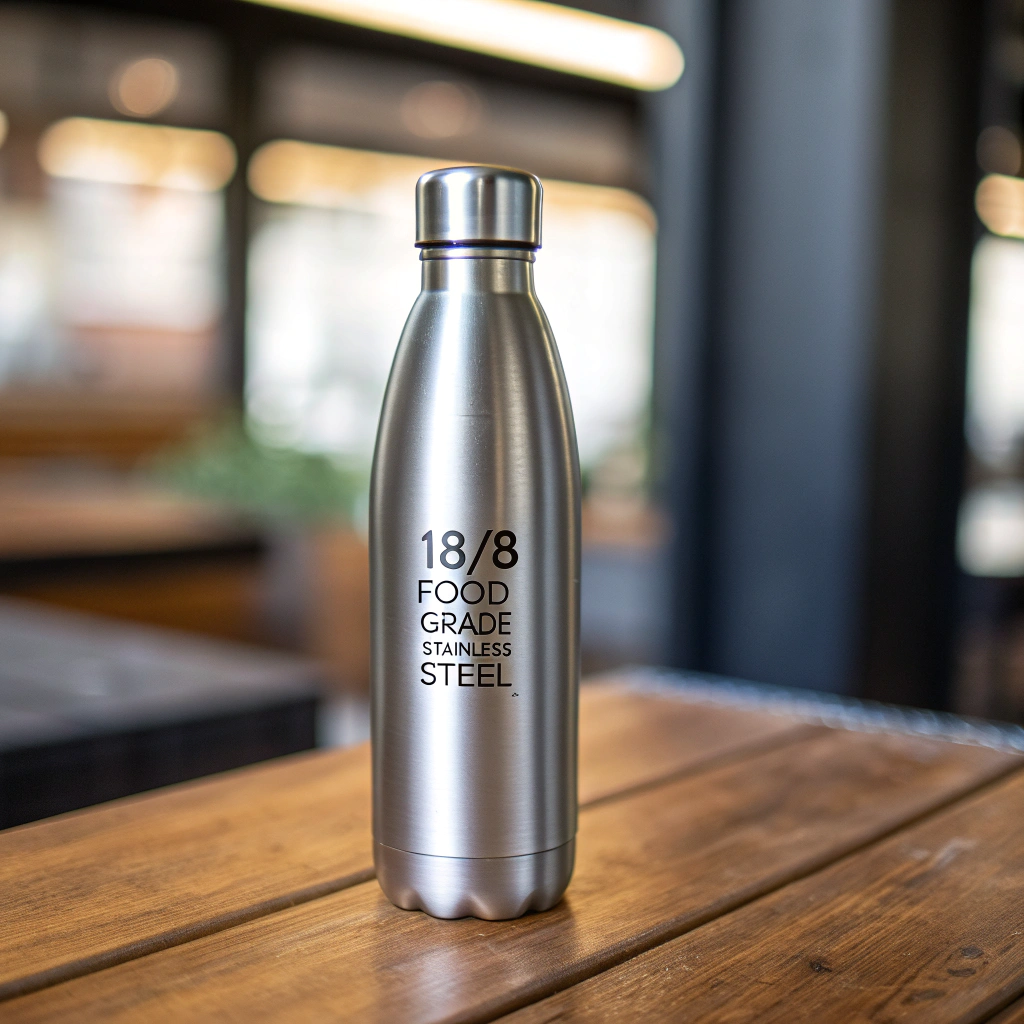
The lifespan of a high-quality stainless steel water bottle is typically 10 to 12 years or more. Premium 18/8 food-grade stainless steel resists daily drops, corrosion, and temperature changes without degrading.
How Material Quality Affects Longevity
During my factory days, I tested many metal drinkware samples. Low-grade 201 series stainless steel often showed surface degradation within a year because it lacks sufficient nickel. On the other hand, food-grade 18/8 (304 series) stainless steel features eighteen percent chromium and eight percent nickel. This combination forms a strong protective barrier that resists rust for decades.
Proper daily care also extends bottle lifespan. Avoid putting vacuum insulated bottles in the dishwasher unless the maker approves it. High heat can weaken vacuum seals and degrade outer powder coatings over time.
Steel Grade | Composition | Expected Lifespan | Corrosion Resistance |
|---|---|---|---|
18/8 (304 Grade) | 18% Chromium, 8% Nickel | 10 to 12+ Years | Superior / Food-Grade |
18/10 (316 Grade) | 18% Chromium, 10% Nickel | 15+ Years | Maximum / Marine-Grade |
201 Series Steel | Manganese alternative | 1 to 3 Years | Poor / Prone to rust |
Choosing bottles made from certified 18/8 stainless steel ensures your drinkware remains durable, safe, and rust-free for years.
When Should You Replace A Stainless Steel Water Bottle?
Using a damaged water bottle without realizing it can ruin your drinking experience. You risk losing insulation or drinking from cracked plastic lids containing bacteria. Identifying clear warning signs tells you exactly when to replace your bottle.
You should replace a stainless steel water bottle if it develops true internal rust, loses vacuum insulation performance, develops cracks in the plastic lid or seal, or produces a persistent metallic taste after cleaning.
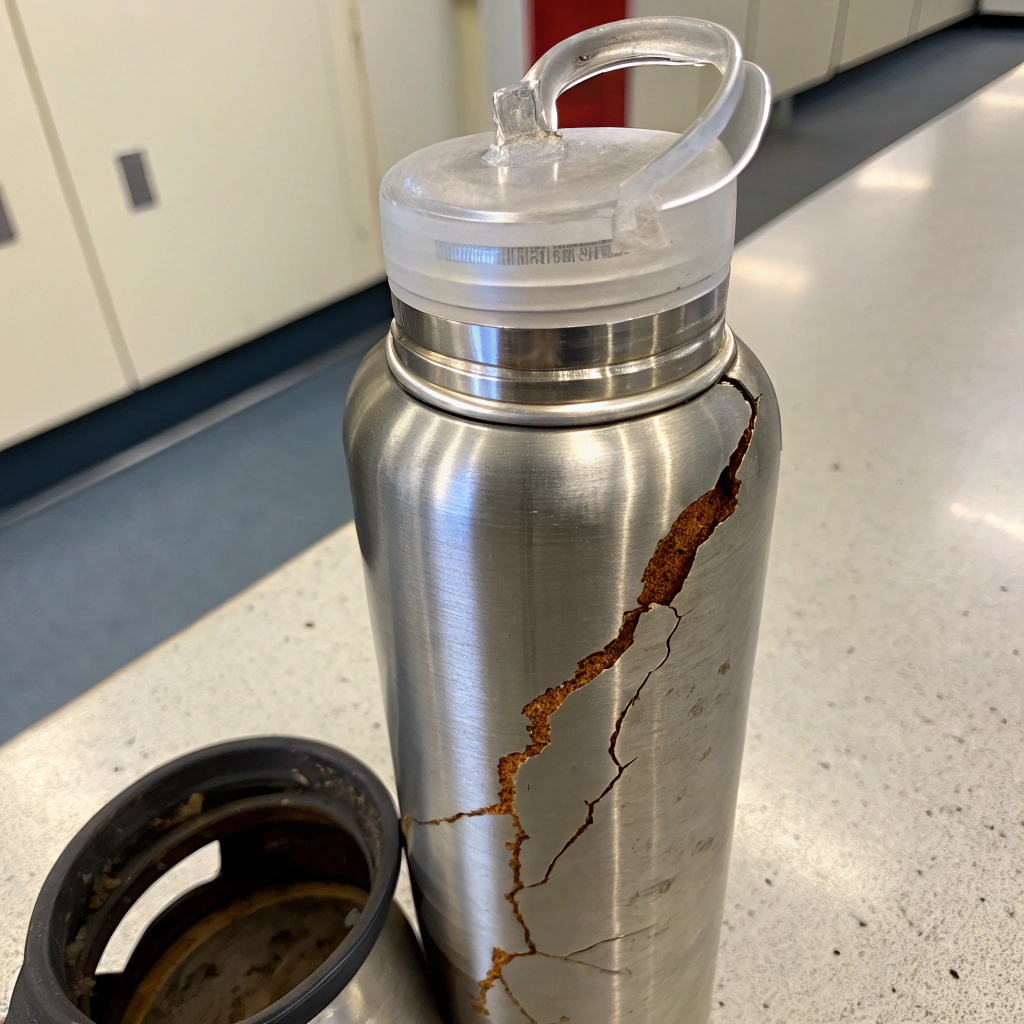
Key Warning Signs It Is Time For A New Bottle
When consulting with clients at Latitude, I always share a quick test to check if a vacuum bottle is broken. Fill your bottle with boiling water and feel the outside walls after two minutes. If the outside feels hot, the vacuum seal has failed, and the bottle can no longer maintain temperatures effectively.
Another key reason to replace your bottle is damaged lids or silicone gaskets. Cracks in plastic lids collect mold and bacteria that are hard to clean out. Replacing worn-out bottles keeps your daily hydration safe, fresh, and enjoyable.
Warning Sign | Primary Cause | Is Replacement Required? |
|---|---|---|
Loss of Insulation | Broken vacuum seal from drops | Yes (Will not keep drinks cold) |
Persistent Metal Taste | Inner metal degradation | Yes (Safety & taste risk) |
Flaking Internal Rust | Damaged protective layer | Yes (Corrosion safety risk) |
Moldy Silicone Ring | Old gasket seal | No (Just replace the gasket ring) |
Checking your bottle for these physical signs ensures you enjoy clean, fresh water every day.
Conclusion
Stainless steel water bottles rarely rust when crafted from quality 18/8 steel, providing over ten years of safe, durable daily hydration when cleaned regularly and handled with care.