Jun 30, 2026News & Insights
Do You Carry a Water Bottle with You Outdoors Every Day?
Carrying a reusable water bottle outdoors keeps you hydrated, reduces plastic waste, saves money, and supports healthier daily habits.
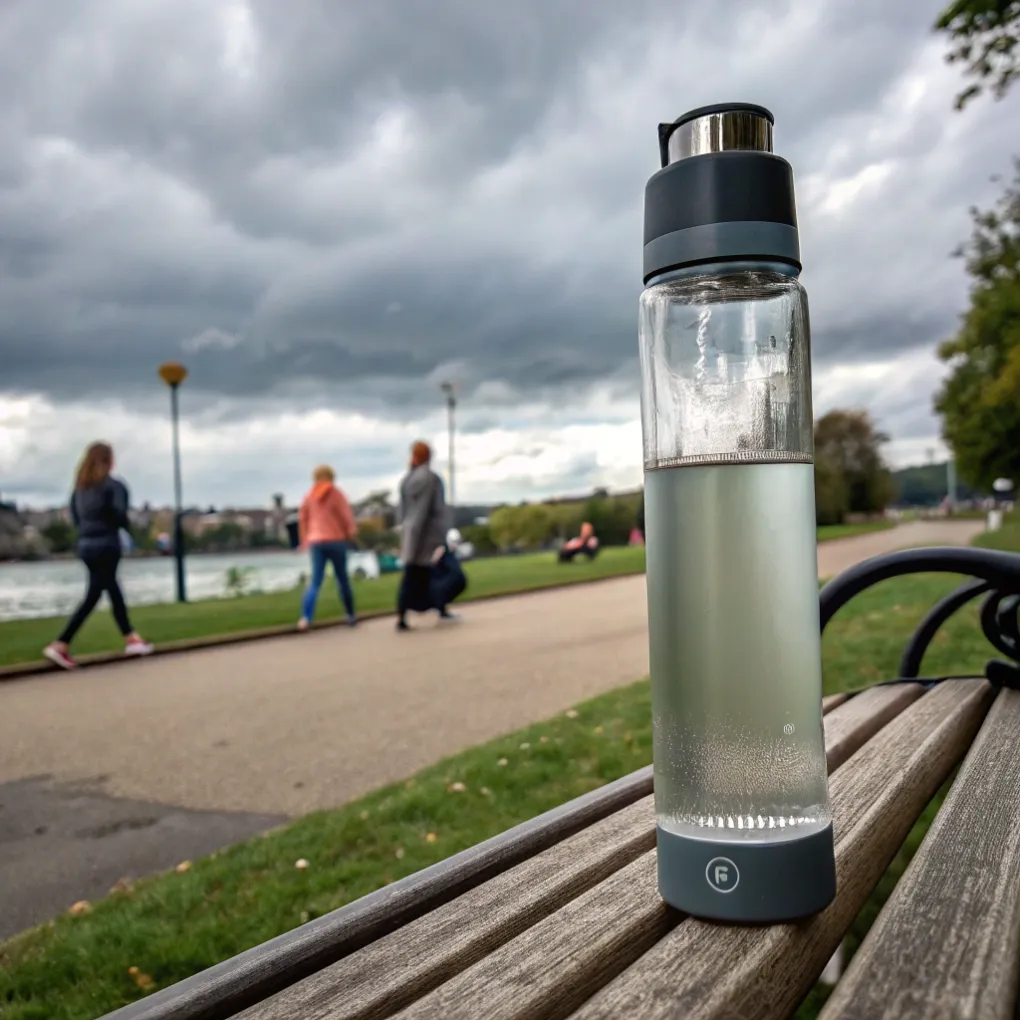
Do You Carry a Water Bottle with You Outdoors Every Day?
Are you tired of running out of fresh water during your daily commute, or constantly wasting money on single-use plastic retail bottles that end up polluting the local environment?
Carrying a water bottle outdoors every day is a highly effective way to maintain proper physical hydration, cut out unnecessary packaging waste, and save money by avoiding impulse convenience store purchases.
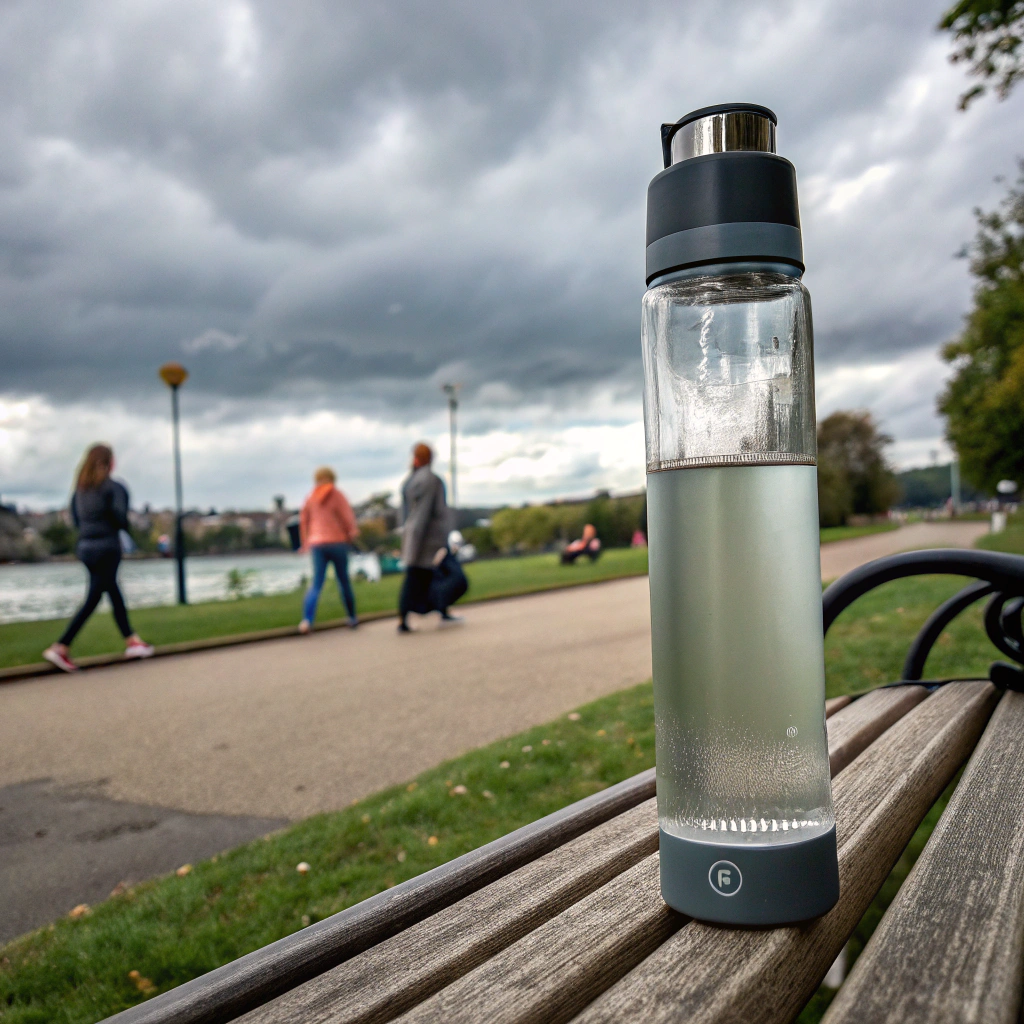
I started my career working directly on a busy printing factory floor, checking material specifications and assembling product containers under tight schedules. That hands-on manufacturing experience taught me that daily habits are fully anchored in having the right tools close at hand. Later, I established Latitude Experience Pte Ltd to help marketing managers select premium, long-lasting promotional lifestyle gifts that support health and corporate identity. I know that a busy day can make you forget basic self-care. Carrying a reliable personal flask turns healthy hydration into an automatic, seamless routine. Let us look at how carrying a bottle changes your daily energy levels and explores unique hydration habits around the world.
Why Do Japanese Leave Water Bottles Outside?
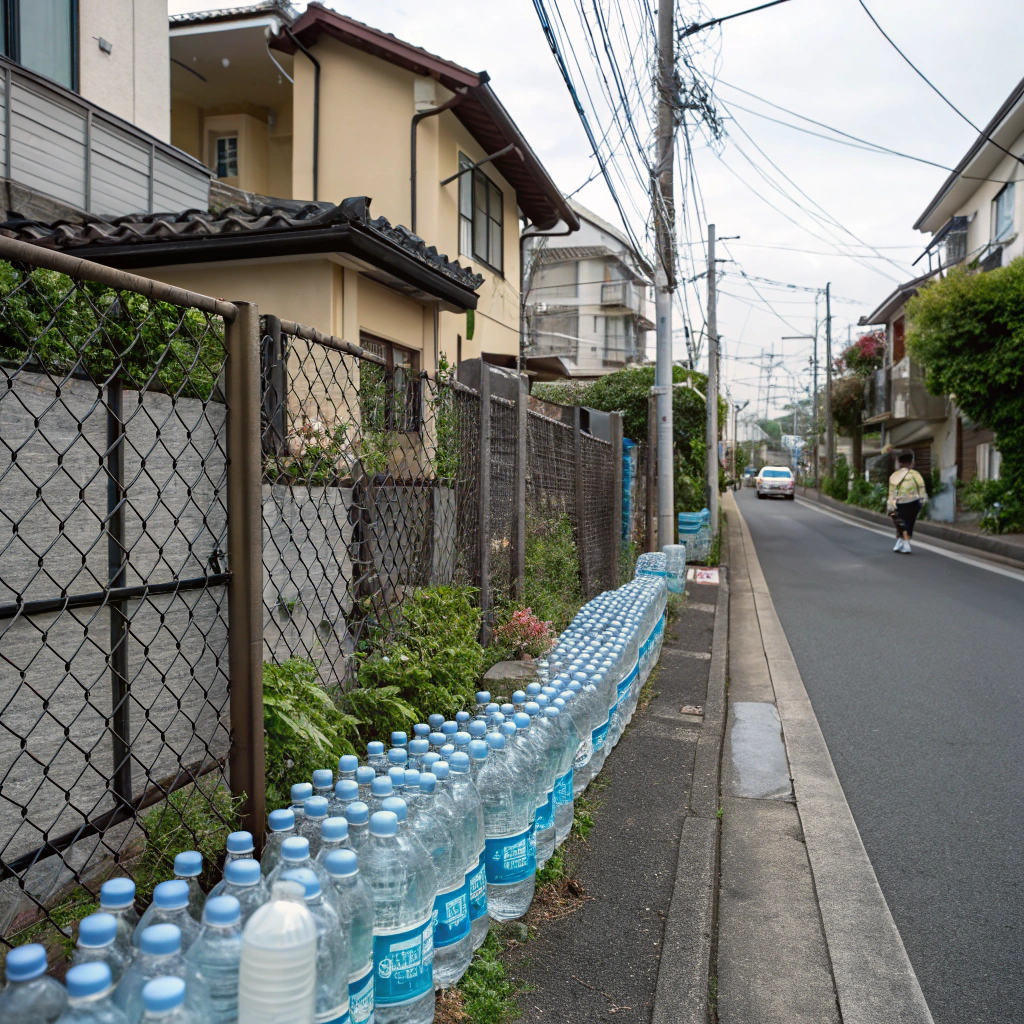
Are you walking through a quiet residential neighborhood in Tokyo and feeling completely confused by the long rows of plastic water bottles lined up along fences? Seeing trash left on the streets looks incredibly strange.
Japanese residents leave clear plastic water bottles filled with water outside their homes because of a widespread urban legend called nekoyoke, which is a traditional method meant to repel stray neighborhood cats.
The Story Behind Nekoyoke
This unique neighborhood sight is a classic example of a cultural myth turning into an everyday street tradition. The popular belief started back in the late twentieth century after a gardening program suggested that bright sunlight refracting through clear liquid would startle stray animals. People thought the sudden light flashes and distorted mirror reflections would scare cats away, preventing them from making a mess near doorstep gardens. Even though modern animal behavior experts have fully proven that water bottles have zero actual impact on cats, the visual habit remains highly popular among older homeowners. It has transformed into a quirky piece of local street culture rather than a real structural solution.
Let us look at a scannable table detailing common cultural uses for discarded drinkware across different countries.
Country Region | Outdoor Bottle Practice | Intended Behavioral Goal | Real Scientific Effectiveness |
|---|---|---|---|
Japan | Lining fences with clear 2L bottles | Repelling stray cats from gardens | Completely ineffective (Urban legend) |
United Kingdom | Placing filled jugs on green lawns | Deterring dogs from marking lawns | Completely ineffective (Folk myth) |
Global Urban Hubs | Securing plastic water jugs to nets | Weighing down loose garbage covers | Highly effective physical ballast |
Why Is Carrying a Water Bottle with You Helpful During a Busy Day?
Do you find yourself experiencing sharp afternoon headaches, sudden energy crashes, or severe muscle fatigue during your packed office calendar? Neglecting your body’s fluid intake slows your brain down.
Carrying a water bottle with you during a busy day removes the physical friction of finding a drink, provides a visual reminder to hydrate, and keeps your water perfectly cold.
Maximizing Daily Professional Focus
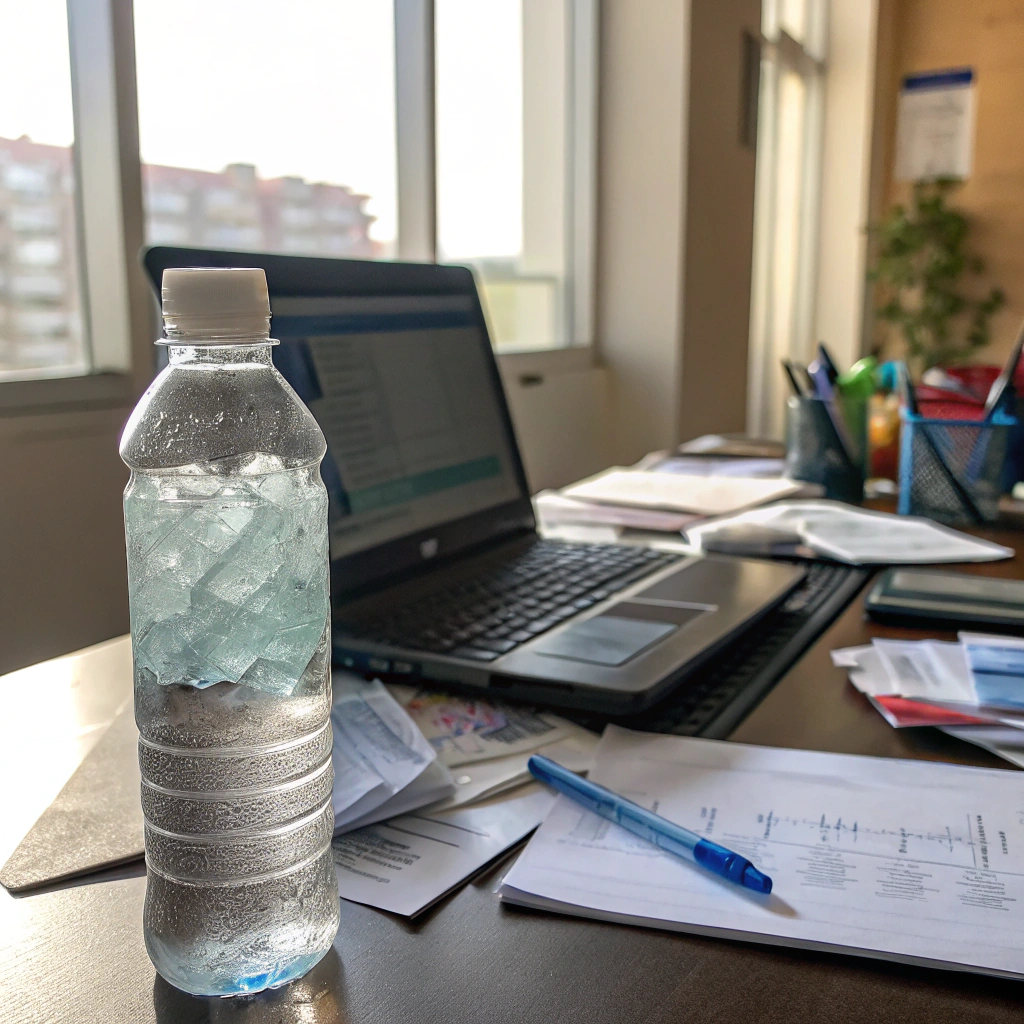
When analyzing workplace productivity trends with our corporate event clients at Latitude, I always emphasize that physical wellness directly shapes your mental output. Mild dehydration begins long before you feel actively thirsty, dulling your attention span and increasing decision fatigue during long operational meetings. When you place a premium insulated flask right next to your computer keyboard, the container acts as a continuous behavioral cue. You naturally take small sips throughout the morning without needing to disrupt your workflow to walk down to the office pantry. This simple setup keeps your physical energy stable, improves your skin health, and removes the urge to buy sugary commercial sodas from vending machines.
Let us break down how consistent personal hydration supports your daily physical capabilities in the workplace.
Hydration Level Status | Impact on Focus and Brain Speed | Physical Energy Level | Recommended Daily Action |
|---|---|---|---|
Optimal Hydration | Maximum attention span and speed | High stamina, zero headaches | Keep a full 24oz flask on your desk |
Mild Dehydration | Slow responses, brain fog appears | Early fatigue and tiredness | Take three large sips every single hour |
Severe Dehydration | Loss of concentration, dizziness | Sore muscles, dry skin layers | Refill your bottle with fresh mineral water |
Why Do Europeans Not Carry Water Bottles?
Are you traveling through historic European plazas and noticing that local residents rarely carry massive insulated water jugs around like tourists do? It seems unusual that people walk around for hours without any visible hydration gear.
Europeans do not carry large water bottles because their cities feature hundreds of free historical drinking fountains, their restaurant cultures favor sitting down at cafes, and their daily water consumption targets are traditionally lower.
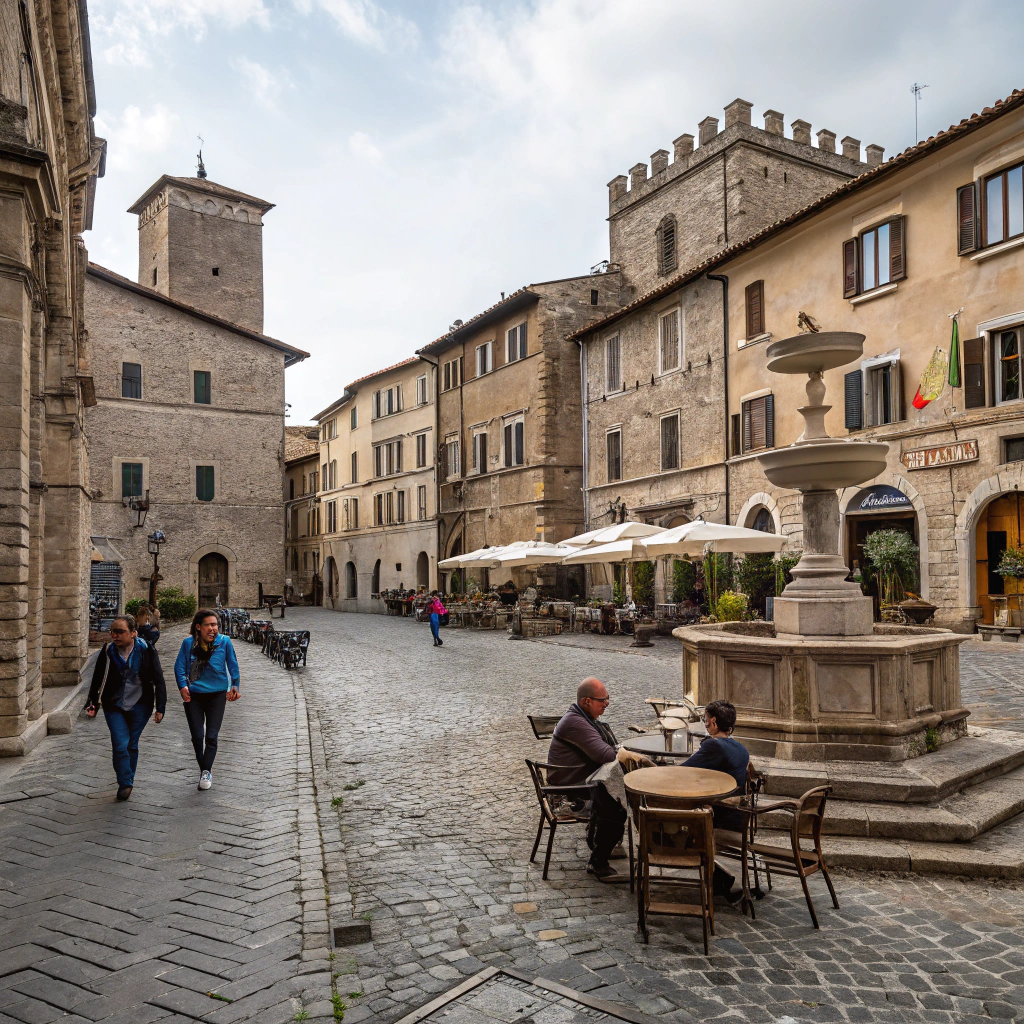
Cultural Differences in Daily Hydration
This behavioral contrast reveals a deep historical difference in how public spaces are designed and used across continents. In historic cities like Rome or Madrid, public drinking fountains have distributed cold, clean alpine spring water for thousands of years, allowing commuters to drink directly from the source without carrying heavy gear. Furthermore, European lifestyle habits favor slow, localized consumption over continuous sipping on the go. Locals prefer to step inside a neighborhood cafe for a quick espresso and a glass of water rather than packing a heavy backpack with immense fluid containers. It is a cultural approach that values immediate urban infrastructure over individual personal storage equipment.
Let us evaluate the different lifestyle approaches to public hydration between regional populations.
Regional Lifestyle Base | Preferred Hydration Method | Average Container Size | Core Cultural Mindset |
|---|---|---|---|
European Cities | Public stone fountains and cafes | Small pouches or zero bottles | Rely fully on local city infrastructure |
North American Cities | Personal reusable metal flasks | Large 32oz to 40oz jugs | Prioritize absolute individual self-sufficiency |
Southeast Asian Hubs | Premium insulated lifestyle bottles | Medium 16oz to 24oz flasks | Balance portable cooling with convenience |
Conclusion
Carrying a water bottle outdoors every day is a vital lifestyle habit that improves your mental focus, eliminates plastic waste, and ensures you stay perfectly healthy and energized.