News & Insights
How and What Should I Write in a Daily Diary?
Build a daily diary habit by recording meaningful moments, practicing gratitude, reflecting on emotions, tracking achievements, and setting tomorrow’s priorities.
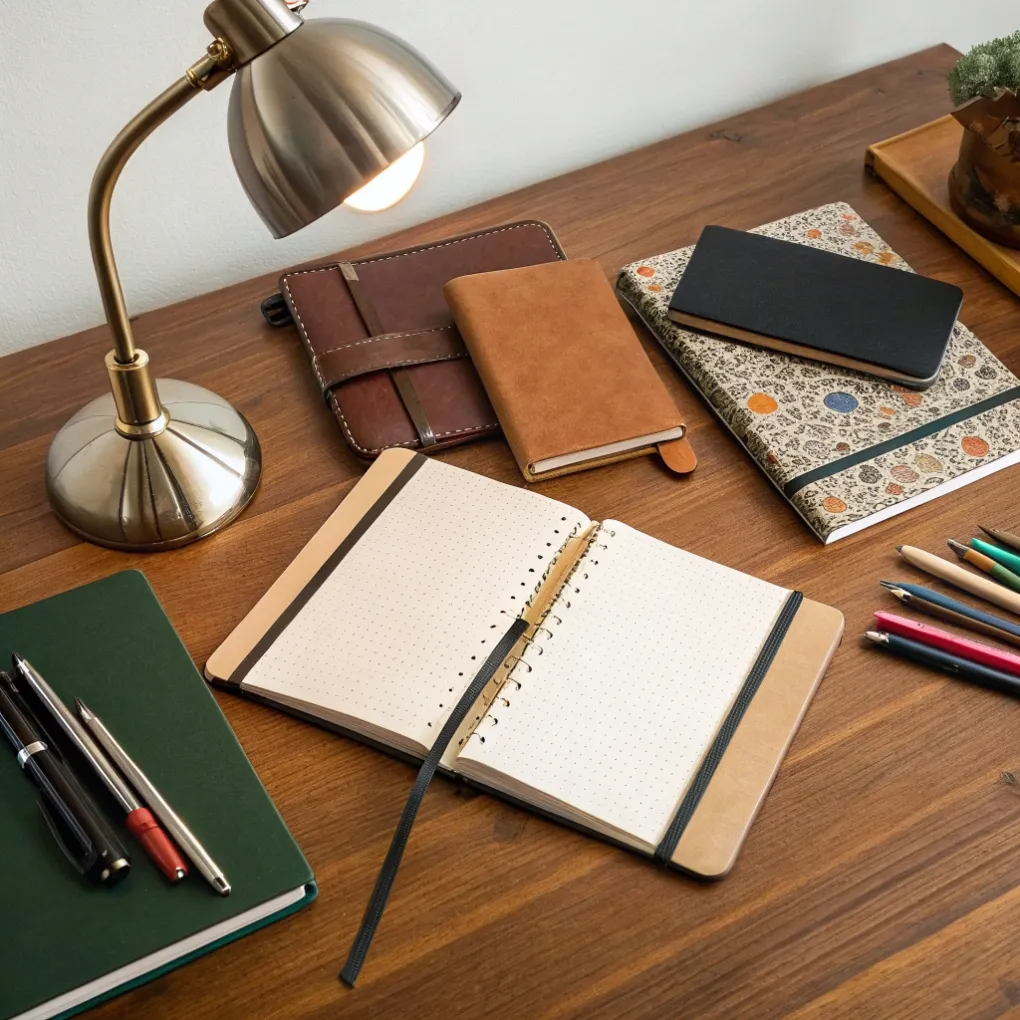
How and What Should I Write in a Daily Diary?
Many people sit down to write a daily diary only to stare at a blank page. You might feel your daily routine is too ordinary or struggle to structure your private thoughts into meaningful entries. You can easily turn diary writing into an effortless, rewarding daily habit.
You write a daily diary by recording key daily moments, tracking your primary emotions, identifying personal lessons, and using structured prompts to reflect on your experiences in five to ten minutes each day.
I spent my early career on printing factory floors inspecting paper stocks, book bindings, and journal finishing before founding Latitude Experience. I saw firsthand how a well-made physical notebook becomes a lasting personal archive. Marketing managers like Jacky in Singapore often ask me for practical journaling tools and custom stationery to help their teams reflect and stay organized. I wrote this step-by-step guide to help you build a clear, stress-free daily diary routine that brings clarity to your personal life.
What to Write in a Diary Every Day?
Struggling to figure out what to write often leads to abandoned journals and lost memories. Trying to record every single event of your day creates mental exhaustion and turns journaling into a chore. You can focus your writing by targeting seven key life areas.
You should write about significant daily events, dominant emotional reactions, specific gratitude moments, daily lessons, recurring mental thoughts, tomorrow’s realistic priorities, and short notes to your future self.

My factory production background taught me that structured layouts make routine tasks effortless. When you open your diary, avoid documenting your entire work schedule hour by hour. Instead, choose one or two meaningful moments that made an impression on you. Record how a difficult conversation felt or capture a small achievement at your workplace. Describe specific gratitude details rather than broad statements. Write about a warm cup of coffee during a quiet morning break or a supportive message from a colleague. Focusing on specific feelings transforms your diary from a simple activity log into a rich record of personal growth.
Daily Journaling Content Categories
Writing Category | Core Focus Area | Example Entry Topic | Personal Value Delivered |
|---|---|---|---|
Key Events | Highlights and surprises | Finishing a long-postponed work task | Preserves meaningful life moments |
Emotional Check-In | Primary feelings and reactions | Processing frustration after a long meeting | Builds self-awareness and emotional health |
Specific Gratitude | Detailed positive moments | A colleague checking in during a busy afternoon | Shifts focus toward daily positive experiences |
Daily Lessons | Mistakes and new insights | Realizing the need for clearer meeting questions | Turns daily challenges into personal growth |
I always advise using thread-sewn notebooks with lay-flat bindings. A journal that stays flat on your desk makes writing quick notes far more comfortable during busy evenings.
What Is the 3-3-3 Journaling Method?
Complex journaling frameworks often fail because they require too much time and energy. Spending thirty minutes writing long entries every night quickly leads to burnout. You can maintain a consistent practice using the rapid 3-3-3 journaling method.
The 3-3-3 journaling method is a structured reflection framework where you write down 3 things you are grateful for, 3 key things you accomplished today, and 3 specific goals for tomorrow.

I analyze product workflows every day, and I respect simple, repeatable systems. The 3-3-3 method takes less than five minutes to complete, making it perfect for busy professionals. By listing three gratitude points, you train your mind to notice positive details throughout your workday. Recording three daily accomplishments—no matter how small—builds personal confidence and momentum. Finally, outlining three clear goals for tomorrow removes evening anxiety and prepares you for a productive morning. This balanced approach provides immediate mental clarity without demanding hours of writing time.
3-3-3 Method Structural Breakdown
System Component | Target Input | Time Required | Strategic Mental Benefit |
|---|---|---|---|
3 Gratitudes | Specific positive interactions or moments | 1 Minute | Promotes daily positivity and mindfulness |
3 Wins | Small or large daily achievements | 1 to 2 Minutes | Reinforces personal progress and self-worth |
3 Priorities | Core action items for tomorrow | 1 to 2 Minutes | Clears evening anxiety and focuses attention |
I keep a compact 3-3-3 journal on my nightstand. Spending three minutes on this simple structure every evening helps clear my mind before sleep.
What Are the 7 Different Types of Journaling?
Assuming that diary writing means only traditional paragraph entry limits your personal expression. Forcing yourself into a single writing style can make journaling feel boring or restrictive. You can choose from seven distinct journaling styles to match your personal needs.
The 7 different types of journaling are bullet journaling, gratitude journaling, stream-of-consciousness writing, reflective journaling, visual or art journaling, prompt-based journaling, and goal tracking.
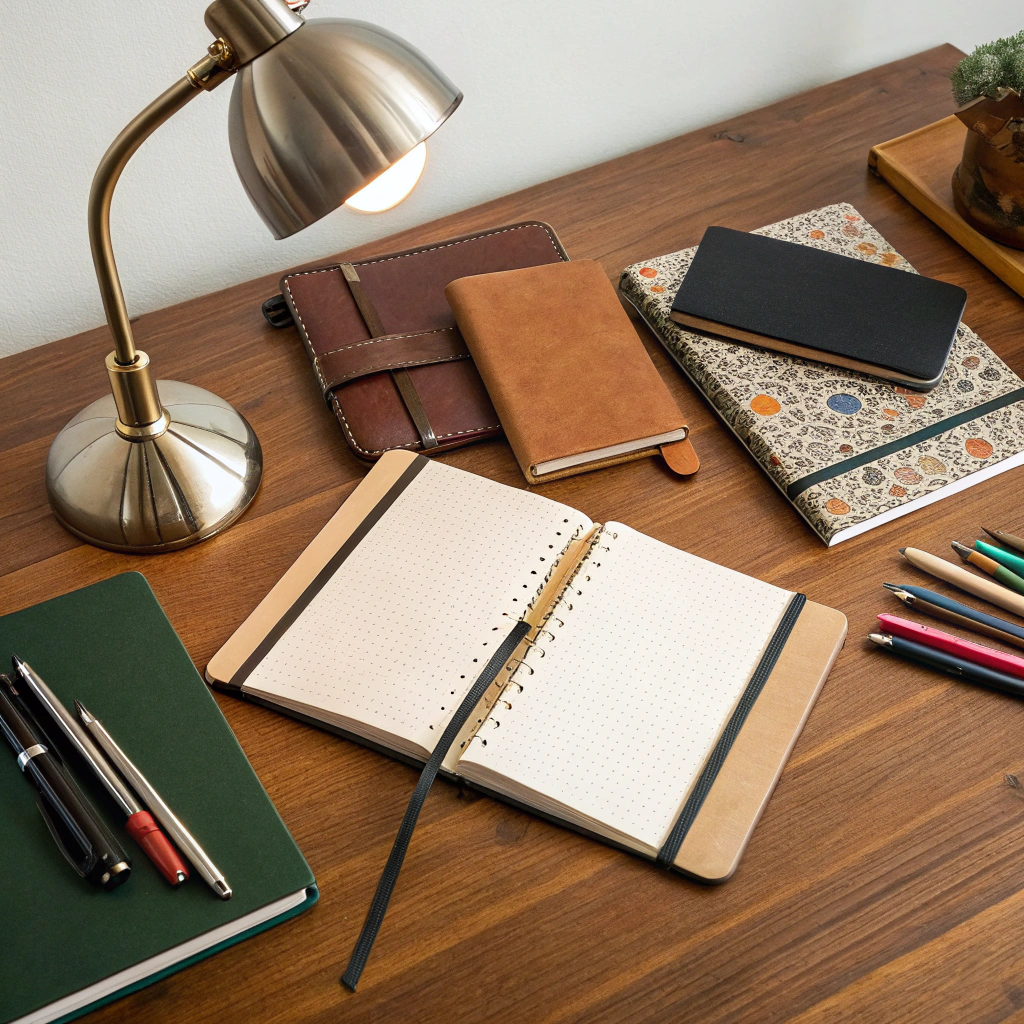
During my years producing custom stationery, I learned that different layouts support different mental styles. Stream-of-consciousness writing, often called morning pages, helps clear mental clutter by writing unfiltered thoughts onto paper. Bullet journaling uses rapid bullet points and symbols to manage daily tasks, habits, and schedules efficiently. Reflective journaling focuses on deep self-discovery, while gratitude journals build positive daily mindsets. Art journaling combines sketches and visual elements for creative expression. Exploring these distinct styles allows you to adapt your writing routine to match your changing life priorities.
The 7 Journaling Styles Compared
Journaling Style | Primary Execution Method | Best Audience Match | Primary Functional Benefit |
|---|---|---|---|
Bullet Journaling | Symbols, rapid logs, and task lists | Organized planners and professionals | Combines task tracking and daily reflection |
Gratitude Journaling | Short lists of positive daily details | Anyone seeking a positive mindset shift | Reduces stress and builds daily appreciation |
Stream of Consciousness | Unfiltered, continuous free-writing | Creative thinkers clearing mental noise | Releases hidden anxiety and mental clutter |
Reflective Journaling | In-depth analysis of specific events | Individuals seeking deep personal growth | Evaluates life choices and emotional responses |
Visual / Art Journaling | Sketches, color washes, and collages | Visual thinkers and creative artists | Expresses emotions beyond written words |
Prompt-Based Journaling | Answering targeted daily questions | Beginners struggling with blank pages | Provides clear structure and guided focus |
Goal Tracking | Tracking progress metrics and habits | Goal-oriented professionals | Keeps major personal projects on schedule |
I recommend experimenting with two or three styles to see what feels natural. Combining short bullet logs with occasional reflective entries keeps your daily diary practice engaging and flexible.
Conclusion
Writing a daily diary requires recording meaningful moments, utilizing structured techniques like the 3-3-3 method, and choosing a journaling style that fits your personal routine to capture long-term personal growth.