Jun 26, 2026News & Insights
How Bad Is It Really to Never Clean Your Water Bottle?
Never cleaning your water bottle can lead to bacteria, mold, and bad odors building up inside. Daily washing and regular deep cleaning help keep it hygienic, safe to use, and your water tasting fresh.
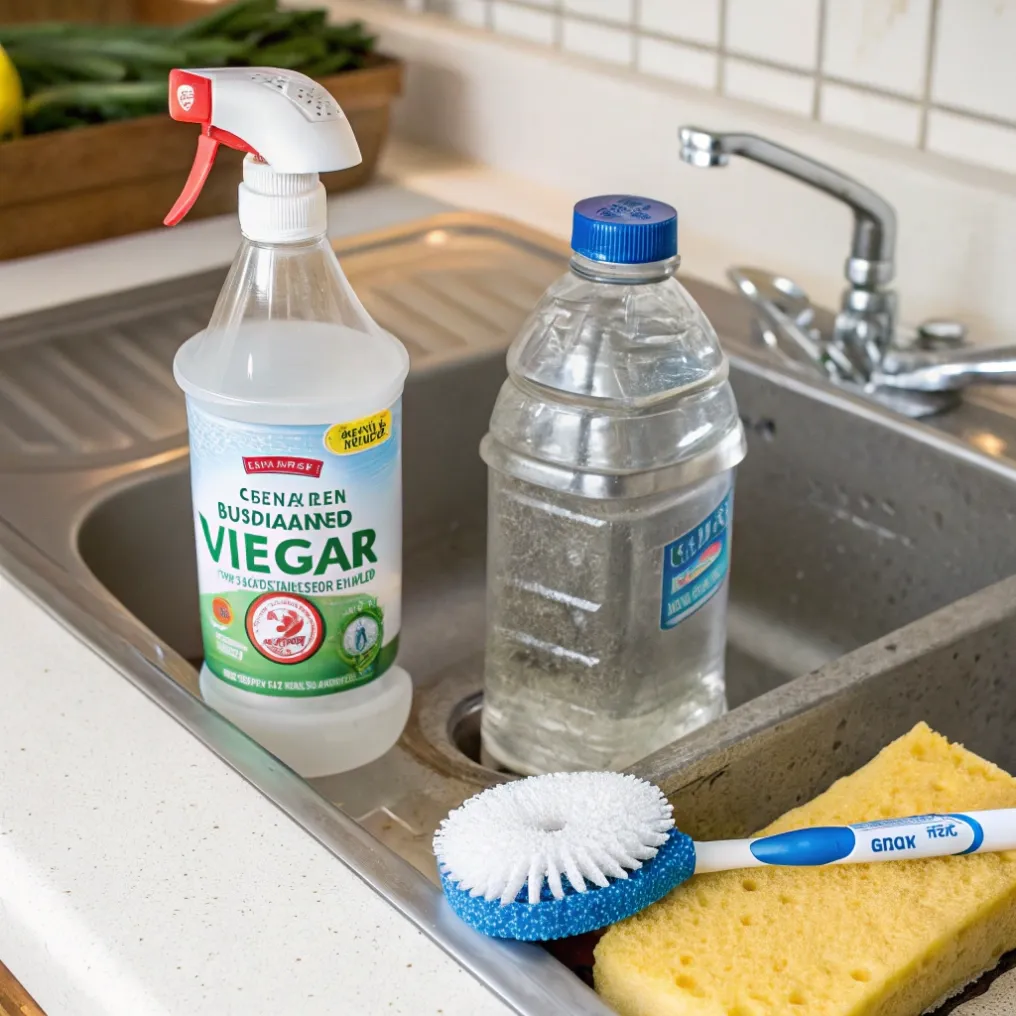
How Bad Is It Really to Never Clean Your Water Bottle?
Are you treating your daily reusable water bottle like a self-cleaning object simply because you only ever fill it with fresh, clear tap water? Assuming that clear liquid keeps a container clean is a dangerous mistake that can ruin your favorite daily hydration tool.
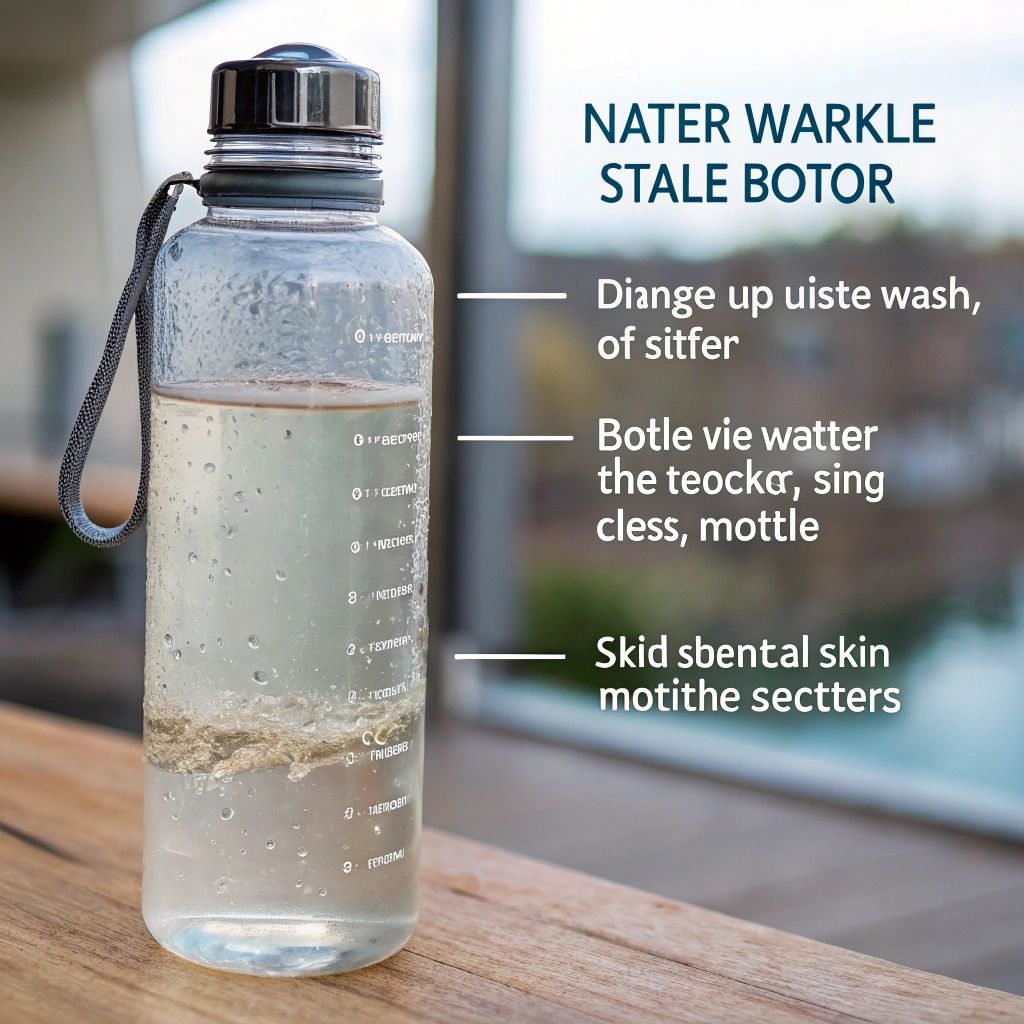
Never cleaning your water bottle allows millions of bacteria from your mouth to transfer onto the rim, forming a slimy, invisible layer called a biofilm. Over time, this damp, sealed environment becomes a breeding ground for harmful germs, black mold, and stubborn, sour odors.
I started my career working directly on a busy printing factory floor, managing production setups and checking material specifications by hand under tight schedules. That factory experience taught me that any enclosed space exposed to constant moisture and lack of airflow will rapidly develop mold and bacterial colonization. Later, I established Latitude Experience Pte Ltd to help marketing managers select premium, long-lasting promotional lifestyle gear that supports corporate health and brand integrity. I know that forgetting to wash your travel container turns a healthy lifestyle habit into an unhygienic routine. Let us look at the actual science behind bottle buildup and how you can fix it effortlessly.
Is It Bad to Never Wash My Water Bottle?
Do you find that your water flask is slowly developing a weird, stale taste or a funky odor that you cannot seem to get rid of? Ignoring these sensory warning signs means you are actively swallowing built-up microbial layers.
It is highly bad to never wash your water bottle, even if it looks spotless to the naked eye. Every single sip you take forces saliva, backwash, skin cells, and mouth bacteria straight back down into the liquid, contaminating the entire container.
The Hidden Moisture Traps
From my perspective, people fail to realize how quickly an enclosed, damp chamber turns into a microbial sanctuary. When you seal a wet bottle and toss it inside a dark backpack or a warm car trunk, you are creating the perfect greenhouse for mold spores. The problem is rarely the smooth stainless steel or plastic body itself; the true danger zones are the small structural design details. The tight screw threads, flexible silicone gaskets, and narrow drinking straws trap moisture out of your direct line of sight. If you neglect these pieces, a dark film of black mold can quickly colonize the rubber seals.
Let us look at how different bottle design elements can trap hidden bacteria over time.
Bottle Design Area | Cleanliness Risk Level | Common Trapped Material | Long-Term Impact |
|---|---|---|---|
Silicone Gasket | Extremely High | Trapped moisture, lip balms | Grows thick black mold |
Screw Threads | High | Saliva, dead skin cells | Creates a sour mouth odor |
Main Steel Chamber | Low | Mineral scaling, light biofilm | Changes the taste of water |
Is Not Washing My Water Bottle Making Me Sick?
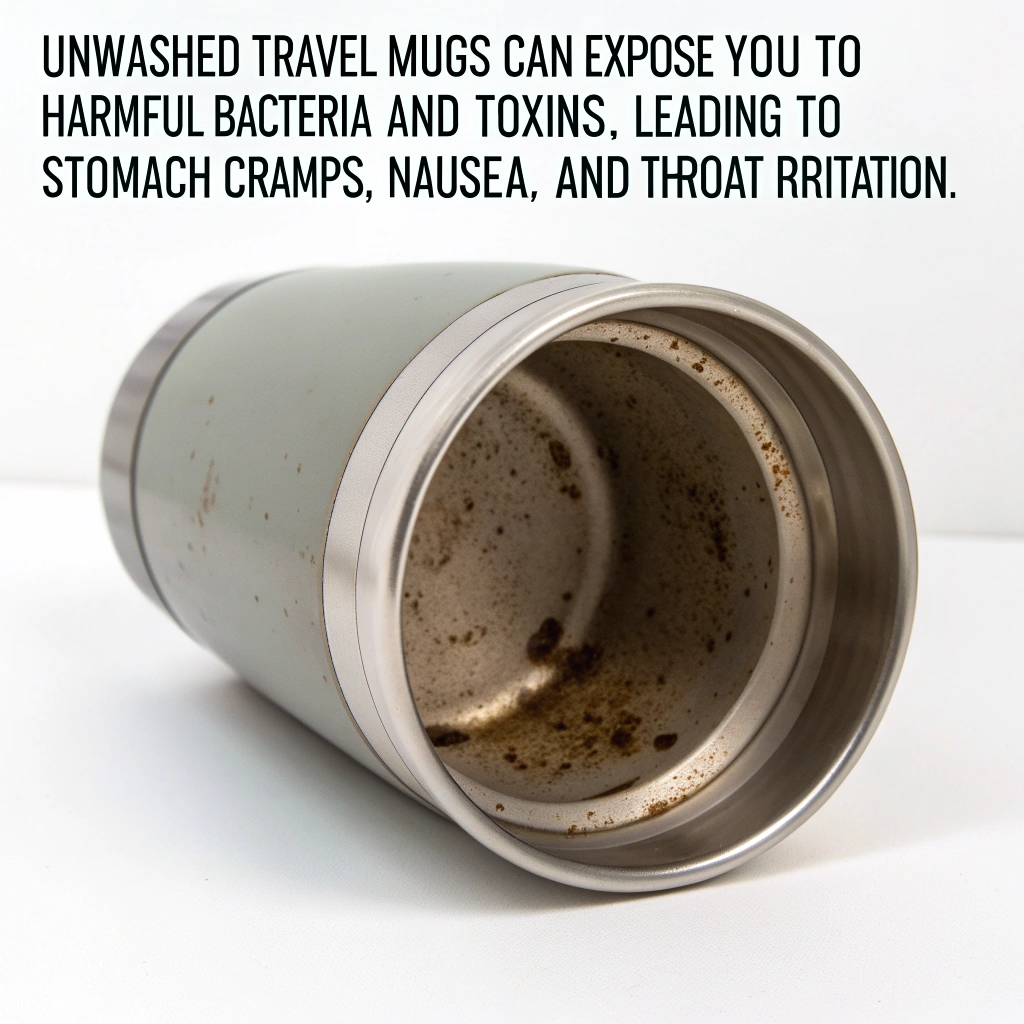
Are you experiencing mysterious stomach cramps, nausea, or regular throat irritation that you cannot easily explain? You might be surprised to learn that your unwashed daily travel mug is secretly pulling down your immune defenses.
Not washing your water bottle can absolutely make you sick by exposing your digestive system to high levels of fecal coliforms, mold toxins, and common bacteria like Staphylococcus and E. coli. This constant low-level chemical and germ exposure frequently triggers vomiting, diarrhea, and food poisoning symptoms.
Understanding the Germ Load
In my years of analyzing material testing and supply chain hygiene standards, I have read numerous independent sanitation studies on reusable drinkware. Lab tests frequently reveal that a reusable flask left unwashed for a single week can harbor more live bacteria colonies than a standard household toilet seat. While your body’s natural stomach acids can handle a small amount of your own daily mouth bacteria, allowing those germs to multiply rapidly inside a warm, wet environment creates an aggressive toxic load. Drinking from a contaminated mouth spout forces millions of active pathogens straight into your digestive tract with every swallow.
Let us organize these invisible health hazards into a clear, scannable table to help you protect your daily routine.
Toxic Organism Type | Primary Growth Location | Potential Health Symptom | Immediate Fix Action |
|---|---|---|---|
Black Mold Spores | Inside flexible lid channels | Throat coughing, light allergies | Soak the parts in warm white vinegar |
Staphylococcus | Around the external mouth rim | Skin irritation, upset stomach | Scrub daily with warm soapy water |
Bacterial Biofilm | Along the interior base walls | Stale odors, metallic aftertaste | Use a long brush with baking soda |
How Often Do I Really Need to Clean My Water Bottle?
Are you confused by conflicting online advice telling you to sanitize your bottle after every single sip, leaving you feeling like dishwashing is a massive daily chore? Finding a realistic, practical schedule helps you stay safe without wasting time.
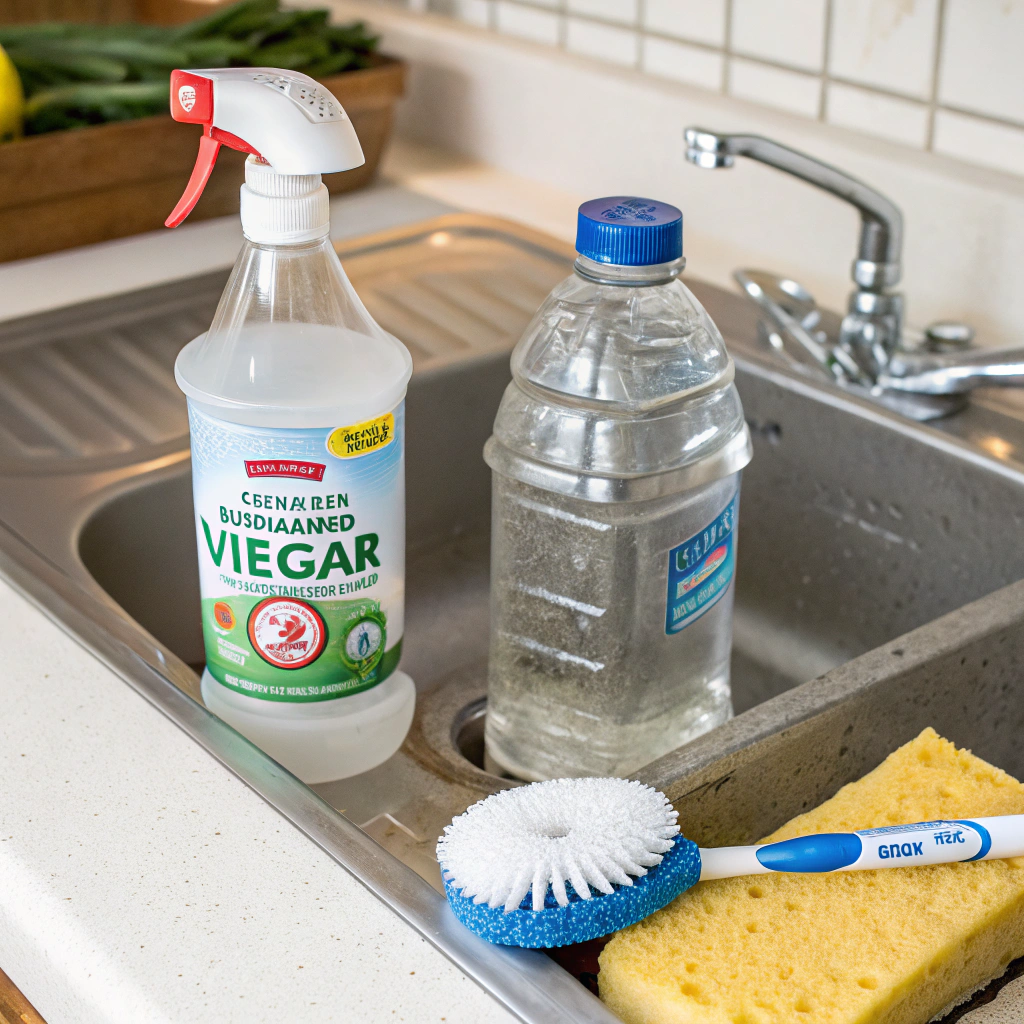
You really need to clean your water bottle with mild dish soap and warm water every single day after use. Additionally, you should execute a deep, natural sanitation soak using white vinegar or baking soda once a week to dissolve stubborn mineral scaling and deep odors.
Building a Simple Maintenance Habit
When setting up quality assurance systems on our factory production floors, I learned that consistency beats occasional aggressive intervention every single time. You do not need to use harsh industrial chemicals or dangerous boiling cycles that warp your container parts. A simple, automatic nightly habit of rinsing the bottle with warm, soapy water and leaving it to air-dry completely upside down on a clean rack does ninety-five percent of the heavy lifting. Air-drying with the lid off is the most critical step because removing the moisture prevents any remaining spores from multiplying.
Let us look at a simple operational schedule to keep your premium drinkware fresh and long-lasting.
Maintenance Schedule | Targeted Bottle Area | Cleaning Agent Choice | Core Operational Benefit |
|---|---|---|---|
Every Single Night | Main body chamber and rim | Mild dish soap + warm water | Removes fresh saliva and surface oils |
Every Weekend | Internal screw threads and base | Diluted white vinegar soak | Dissolves mineral scaling and scale |
Once a Month | Hidden lid channels and rings | Thick baking soda paste scrub | Eliminates tough mold matrices completely |
Conclusion
Understanding how bad it is to never clean your water bottle requires looking past visual appearance to establish a daily washing habit, protecting your body from toxic mold buildup and keeping your water tasting perfectly crisp and healthy.