Sep 3, 2026Services Overview
How Can You Build a Successful Cloth Bag Manufacturing Business?
Learn how to build a successful cloth bag manufacturing business by focusing on quality, efficient production, reliable sourcing, smart branding, and customer needs for long-term growth.
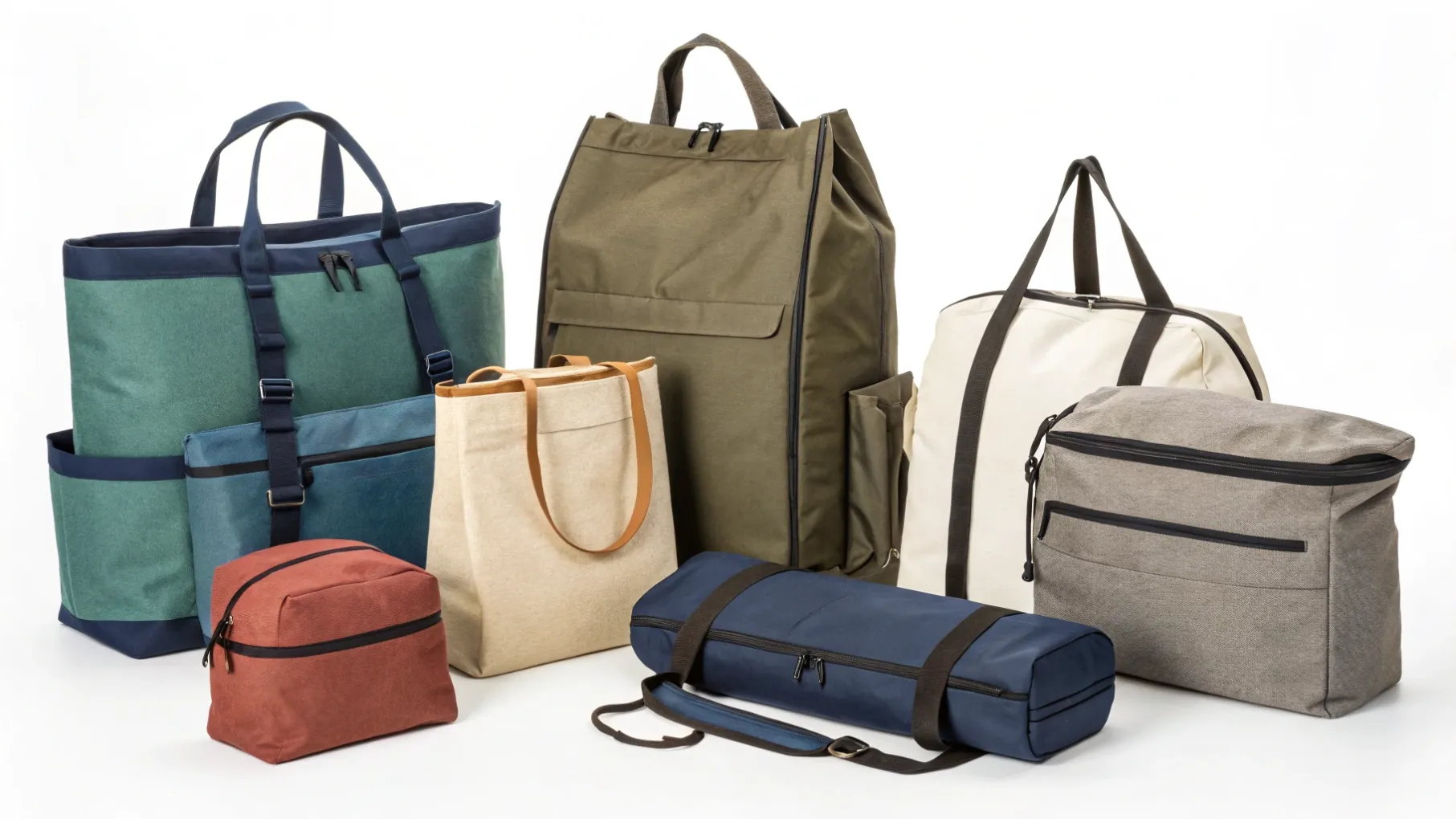
How Can You Build a Successful Cloth Bag Manufacturing Business?
Do you think launching a cloth bag manufacturing line is just about cutting fabric and running basic stitches? Cutting corners on production details leads to torn seams, crooked prints, and costly client rejections.
A successful cloth bag manufacturing business relies on reliable fabric sourcing, precise automated cutting, reinforced stitching at stress points, versatile print technology, and strict quality control to deliver consistent bulk orders.
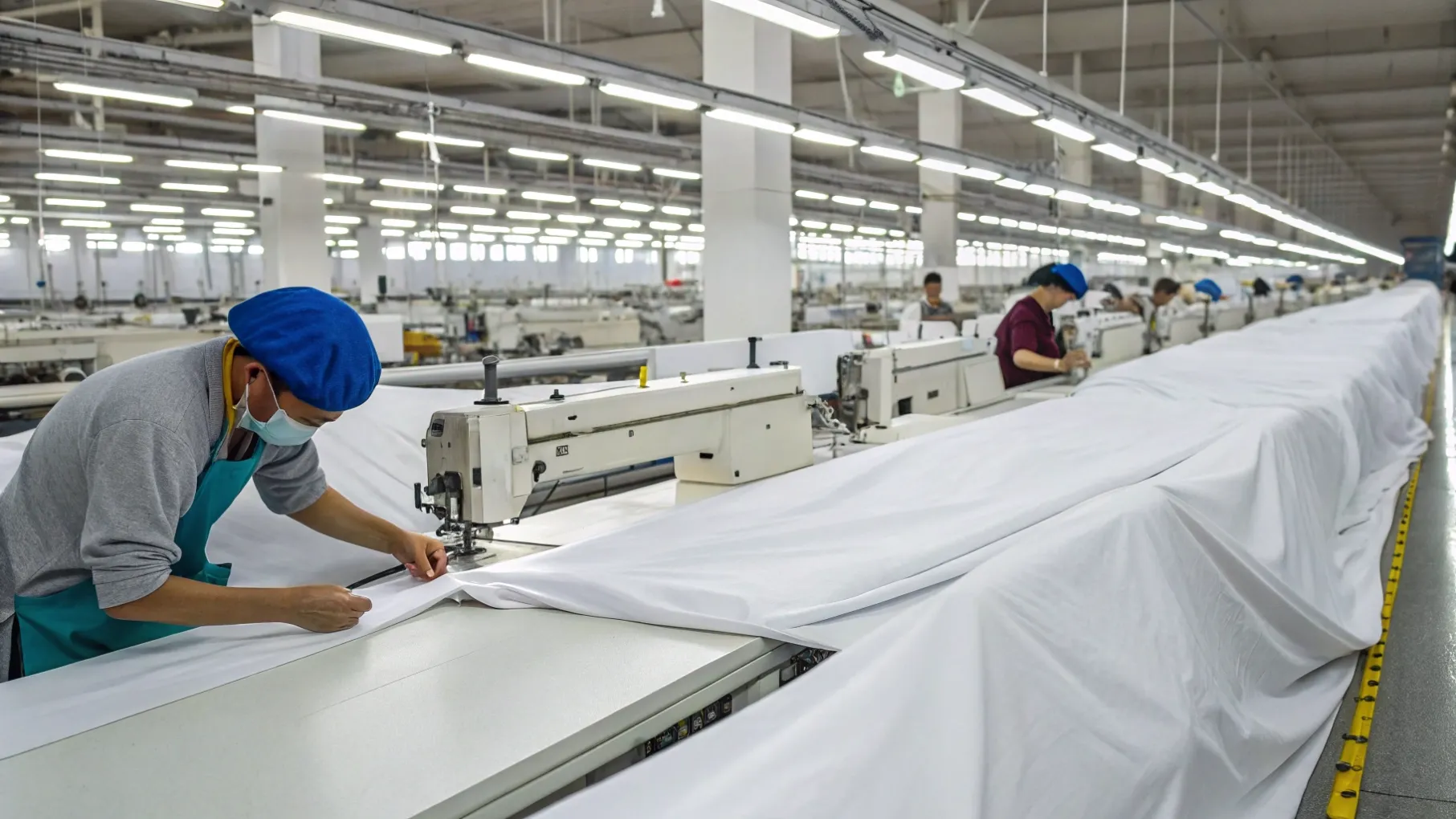
When I began my career in a printing factory, I learned that sample beauty means nothing without bulk repeatability. A bag manufacturer must produce the thousandth unit with the exact same precision as the first. Let us examine how to structure a profitable, dependable cloth bag manufacturing operation.
Is Bag Making a Profitable Business?
Are you wondering if low unit margins on reusable bags can generate sustainable, long-term business profits? Relying solely on low-cost promotional giveaways can trap your workshop in a race to the bottom.
Yes, bag making is a profitable business with gross profit margins between 25% and 50%, driven by global plastic-bag bans, rising corporate merchandise demand, and high-margin bespoke retail orders.
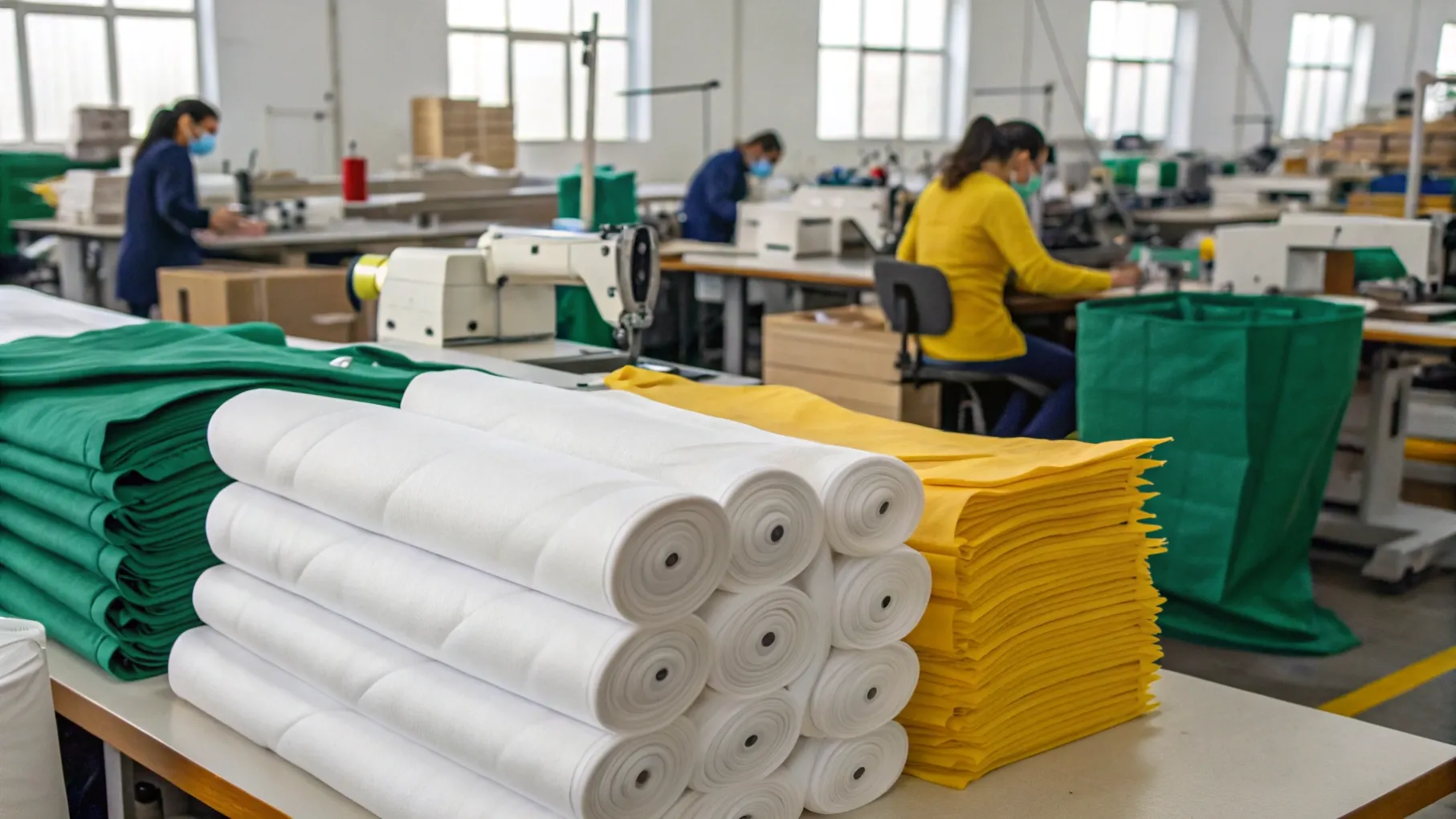
Analyzing Margins, Costs, and Market Demand
Profitability in cloth bag manufacturing depends on product positioning and production efficiency. Producing thin promotional giveaways yields thin unit margins, which requires high volumes to sustain overhead. In contrast, manufacturing heavy-duty canvas totes, lifestyle shopping bags, and executive work bags allows you to charge premium prices.
Corporate buyers and retail brands willingly pay higher rates for certified fabrics, pre-shrunk cotton, and reinforced construction. When marketing managers like Jacky plan corporate merchandise, they value durability and accurate Pantone matching over bargain-basement prices. Streamlining your cutting operations and minimizing fabric scrap directly protects your bottom line.
Bag Market Segment | Typical Fabric Weight | Production Volume | Average Profit Margin | Primary Buyer Profile |
|---|---|---|---|---|
Event Promotional Totes | 120 to 180 GSM (Sheeting) | High (5,000+ units) | 15% to 25% | Trade shows, roadshows, charity runs |
Retail & Grocery Bags | 220 to 280 GSM (Canvas) | Medium (1,000 to 5,000) | 25% to 35% | Supermarkets, lifestyle boutiques |
Executive Lifestyle Totes | 340 to 450 GSM (Duck Canvas) | Low to Medium (500 to 2,000) | 40% to 50% | Corporate clients, luxury brands |
Specialized Tech & Duffels | 450+ GSM or Coated Blends | Low (200 to 1,000) | 45% to 60% | Direct-to-consumer brands, travel gear |
How to Start a Bag Manufacturing Business?
Are you intimidated by the complex machinery and supply chain steps needed to open an industrial sewing workshop? Jumping in without a clear operational workflow leads to wasted inventory and missed delivery deadlines.
To start a bag manufacturing business, define your niche, source certified raw fabrics, invest in industrial straight-stitch and overlock sewing machines, set up in-house printing, and establish rigid quality inspection gates.
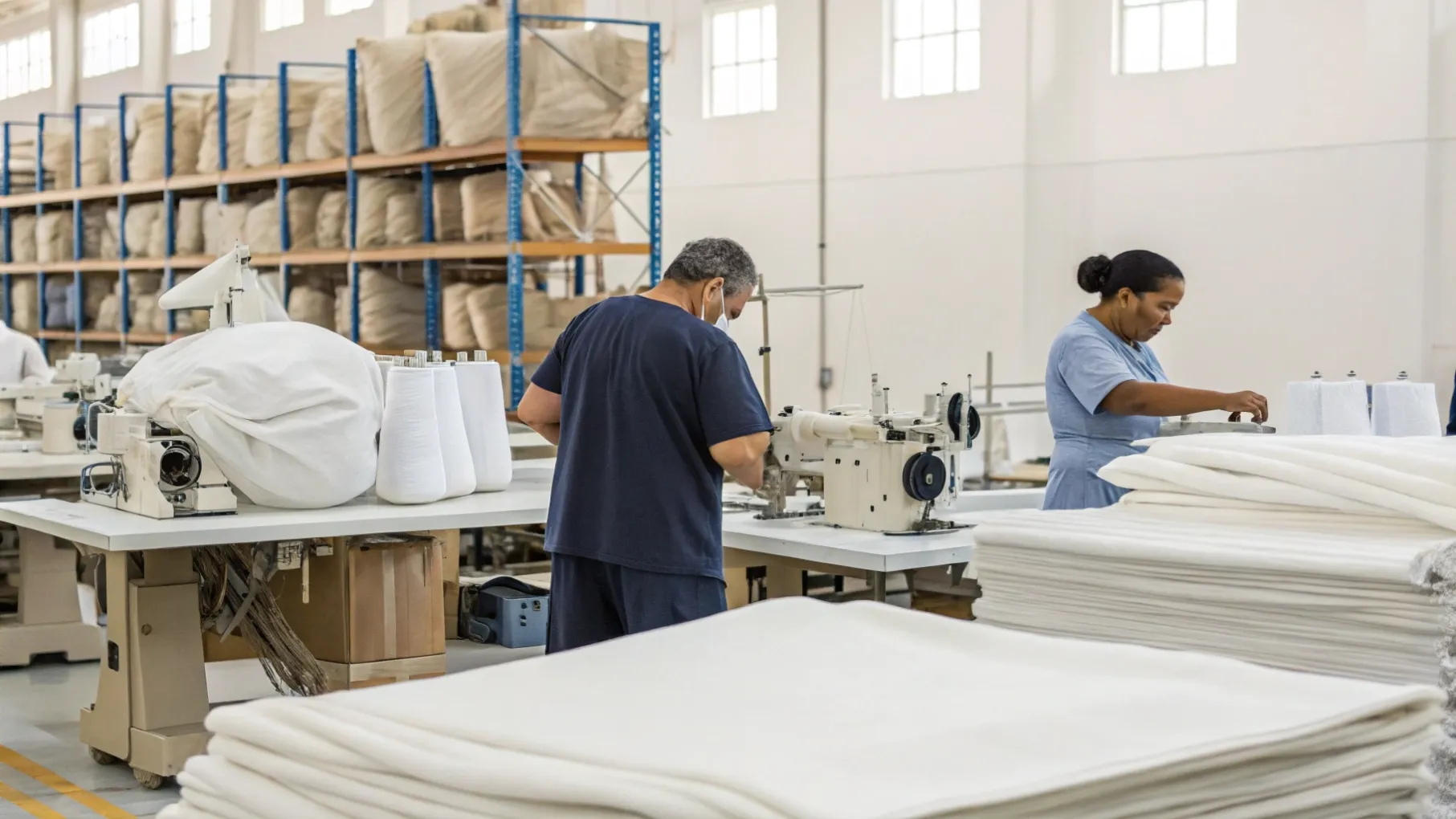
Five Essential Steps from Workshop Setup to Delivery
Starting a manufacturing facility requires practical organization rather than massive initial capital. Begin by mapping your workshop floor to create a logical production line: raw material inspection, fabric relaxation and cutting, panel printing, stitching, quality trimming, and final carton packing.
Sourcing reliable fabric mills is your most important operational foundation. Always demand technical data sheets for tear strength, yarn count, and colorfastness to washing. Equipping your sewing operators with industrial walking-foot machines ensures clean stitching through multi-layered canvas handles. Finally, set up clear quality checkpoints to catch thread breaks and crooked prints before goods reach the packing table.
Production Stage | Core Equipment Needed | Critical Quality Metric | Operational Risk to Avoid |
|---|---|---|---|
1. Fabric Spreading & Cutting | Electric rotary knife or laser cutter | Dimension tolerance within ±5 mm | Fabric warping from uneven tension |
2. Logo Customization | Automatic screen press or DTF printer | Ink curing and opacity on dark cloth | Ink wash-out and blurred logo edges |
3. Assembly & Stitching | Industrial lockstitch & overlockers | 4 to 5 stitches per centimeter | Skipped stitches and loose seams |
4. Handle Reinforcement | Programmable box-x bar-tack machine | Handle pull strength over 15 kg | Handles snapping off under heavy loads |
5. Final QC & Packaging | Thread trimmers and needle detectors | 100% check for metal fragments | Shipping stained bags or broken needles |
What Are the 7 Types of Bags Every Manufacturer Should Know?
Do you lose out on corporate contracts because your workshop only produces basic two-dimensional flat shopping totes? Limiting your catalog prevents you from capturing larger, higher-value client budgets.
The 7 essential types of bags are flat promotional tote bags, gusseted grocery bags, drawstring backpacks, zippered duffle bags, messenger courier bags, foldable pouch bags, and structured canvas backpacks.
Structural Patterns, Functionality, and Fabrication Demands
A versatile manufacturing workshop should handle various silhouettes to meet diverse client requirements. A simple two-panel flat tote is easy to cut and sew, making it perfect for rapid turnaround event orders. However, bags with bottom and side gussets provide the structure needed for retail stores and grocery brands.
Adding hardware like metal eyelets, nylon zippers, interior organizer pockets, and adjustable webbing straps elevates your product catalog. Manufacturing complex multi-panel designs positions your factory as a true solution provider rather than just a basic bag stitcher.
Bag Style | Structural Complexity | Primary Function | Best Fabric Choice |
|---|---|---|---|
1. Flat Promotional Tote | Simple (2 panels + 2 straps) | Event giveaways and flat documents | 140 to 180 GSM Cotton |
2. Gusseted Grocery Bag | Moderate (Bottom/side gussets) | Heavy groceries and daily errands | 260 to 320 GSM Canvas |
3. Drawstring Cinch Sack | Low (Channel casing + rope cord) | Gym gear, school kits, sports events | 150 to 210 GSM Cotton / RPET |
4. Heavy-Duty Duffle Bag | High (Cylinder body + zip + straps) | Weekend travel, sports equipment | 400 to 480 GSM Duck Canvas |
5. Flap Messenger Bag | High (Lining + pockets + cross-strap) | Daily office commutes, laptops | 340 GSM Canvas + PU base |
6. Foldable Pocket Bag | Moderate (Built-in pouch closure) | Compact emergency shopping bag | Lightweight Ripstop Nylon / Poly |
7. Structured Backpack | Very High (Padded straps + multi-pocket) | Everyday carry, campus study | Heavy Canvas with internal lining |
Conclusion
Build a successful cloth bag manufacturing business by prioritizing repeatable production quality, investing in strong handle reinforcement, and offering versatile bag styles that deliver long-term value to commercial clients.