Sep 1, 2026Services Overview
How Can You Find the Best One for Customized Bottles?
Learn how to choose the best customized bottles by comparing materials, durability, lids, safety, and branding methods. Find the right bottle to match your audience and strengthen your brand.
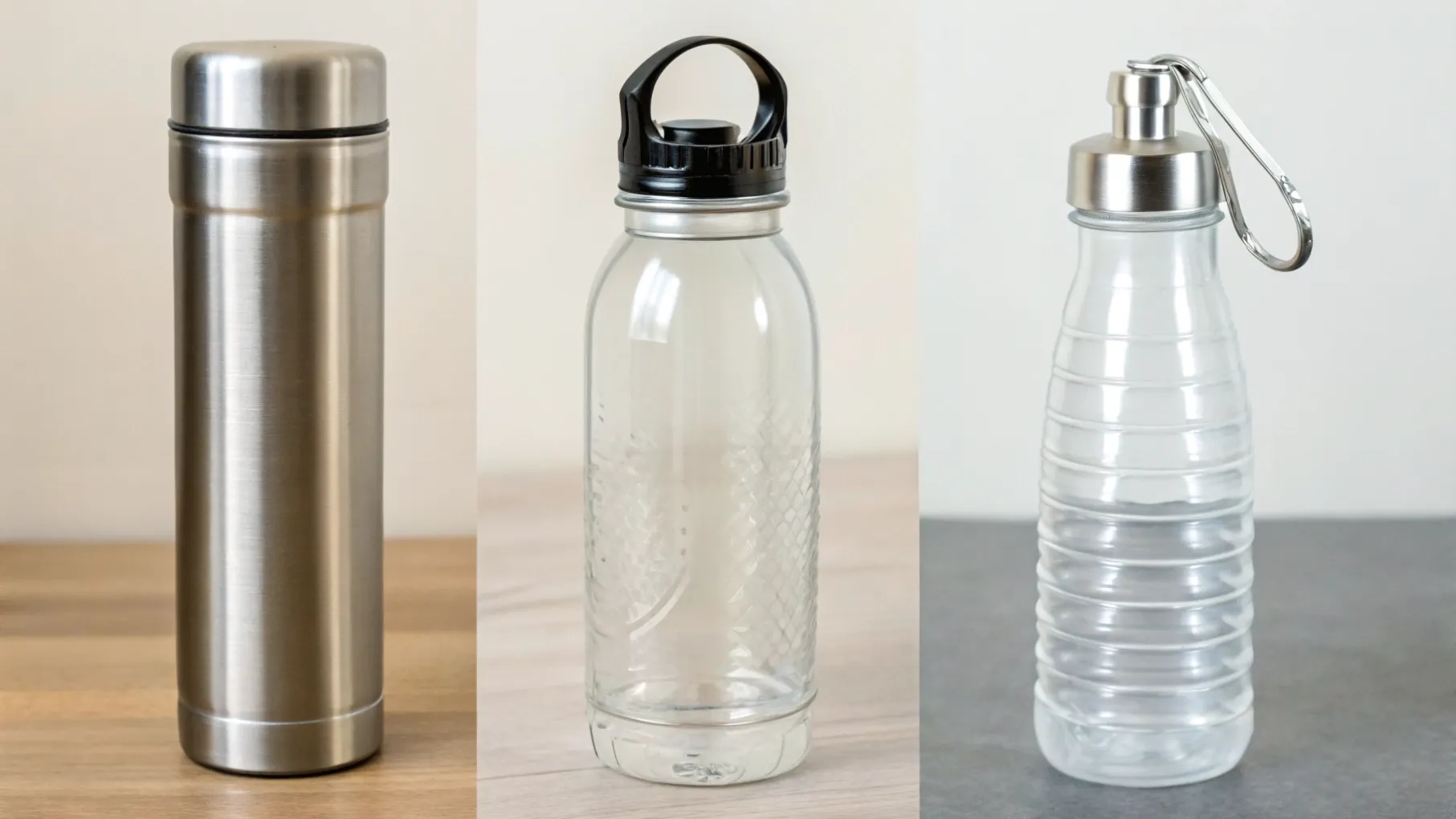
How Can You Find the Best One for Customized Bottles?
Do your custom branded bottles end up forgotten in dusty cabinets because the quality feels cheap? Poor drinkware choices waste your marketing budget and damage your corporate reputation.
To find the best customized bottle, select durable food-grade materials like stainless steel or borosilicate glass, choose leakproof and easy-to-clean lids, apply scratch-resistant branding methods, and match the bottle style to your audience's daily routine.
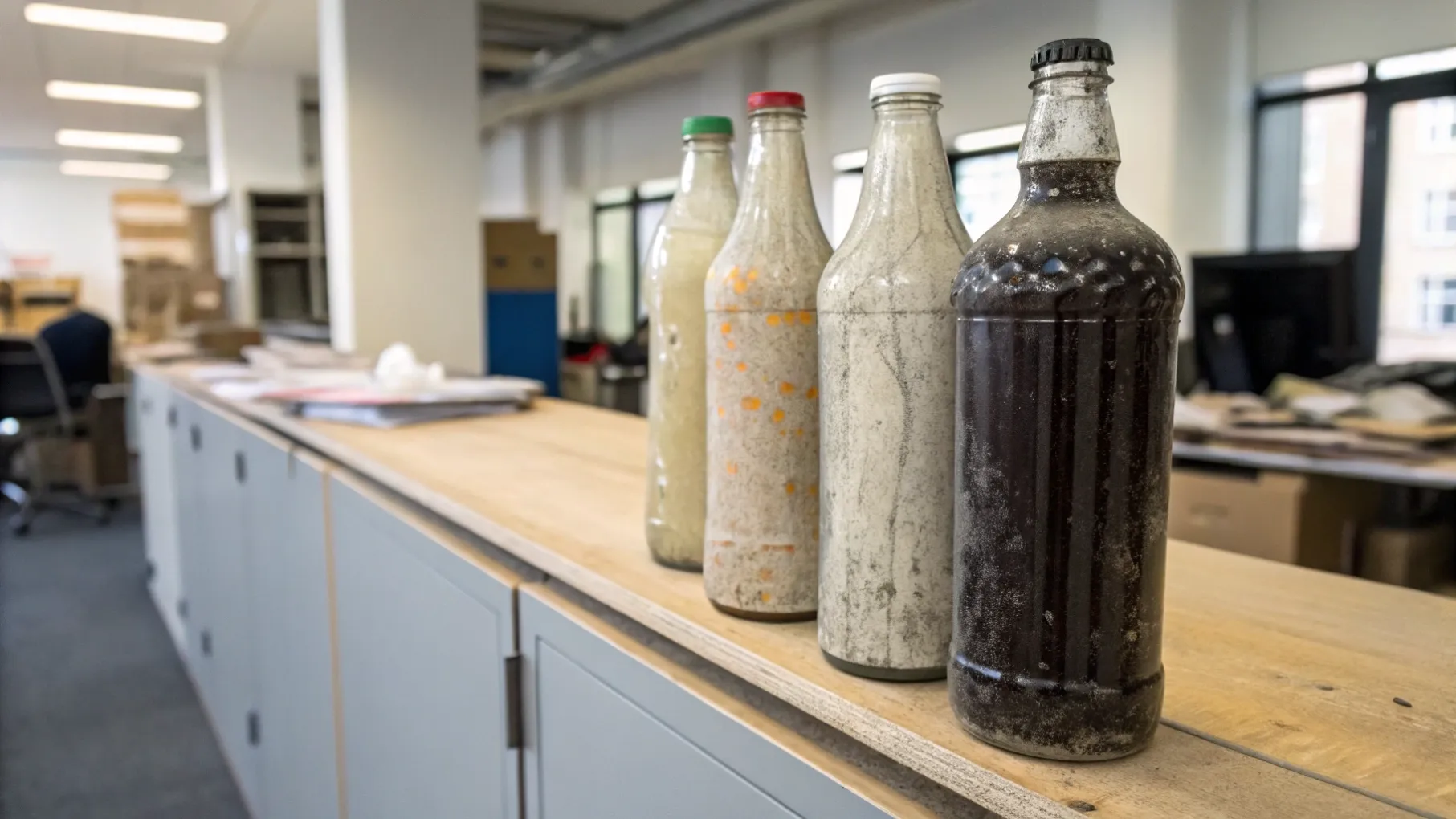
When I worked in a printing factory years ago, I saw many buyers focus only on unit price and quick logo printing. In my view, that is backwards. The design only determines how the bottle looks on the first day, while the material and build determine how long people keep using it. Let us examine how to choose the right custom drinkware for your brand.
What Are the Top 10 Best Bottled Water Brands?
Are you curious why premium bottled water brands charge high prices while regular tap water is widely available? Understanding leading water brands helps you see how packaging and mineral purity shape consumer trust.
The top 10 best bottled water brands include Mountain Valley Spring, Fiji, Voss, Evian, San Pellegrino, Gerolsteiner, Essentia, Liquid Death, Icelandic Glacial, and Acqua Panna, known for natural mineral sources and distinctive packaging.
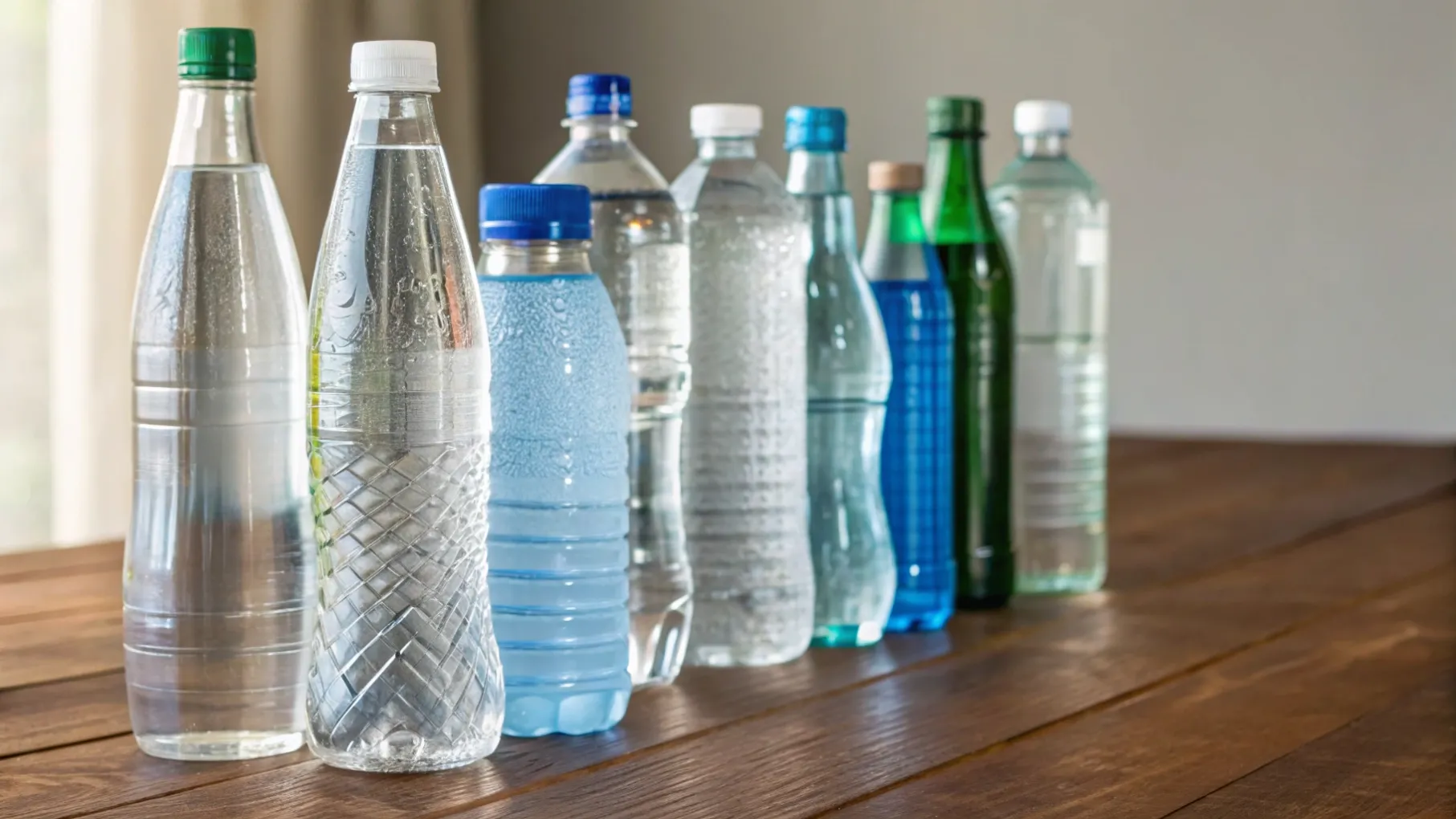
Packaging Styles and Purity Profiles
Studying successful commercial water brands provides valuable lessons for customized merchandise. High-end brands like Mountain Valley Spring and Voss stand out because they use heavy glass bottles that preserve pure taste and look elegant on executive conference tables. Meanwhile, newer brands like Liquid Death gained massive popularity by using infinitely recyclable aluminum cans with bold artwork.
When you select custom drinkware for clients, you should observe these same packaging principles. The container shape, surface texture, and material communicate brand value before anyone takes a sip. If your company promotes wellness or eco-friendly initiatives, handing out single-use plastic water bottles sends the wrong signal. A reusable bottle made with retail-grade finishes elevates your brand perception far more effectively.
Water Brand | Sourcing Origin | Primary Packaging Format | Core Brand Appeal |
|---|---|---|---|
Mountain Valley Spring | Ouachita Mountains, USA | Green Glass Bottle & Jugs | Rich natural minerals and heritage glass packaging |
Fiji Water | Yaqara Valley, Viti Levu | Square BPA-Free PET Plastic | High silica content with soft, smooth taste |
Voss | Iveland Aquifer, Norway | Cylindrical Glass and RPET | Sleek minimalist aesthetic and artesian purity |
Evian | French Alps, France | Recycled PET & Glass Bottles | Naturally filtered glacial minerals and balanced pH |
San Pellegrino | San Pellegrino Terme, Italy | Green Glass Bottle with Embossing | Fine effervescence paired with gourmet dining |
Gerolsteiner | Volcanic Eifel, Germany | Heavy Glass & PET Bottles | High calcium and magnesium content |
Essentia Water | Bothell, Washington, USA | BPA-Free Recycled Plastic | Ionized alkaline water with added electrolytes |
Liquid Death | Austrian Alps, Austria | Infinitely Recyclable Tallboy Cans | Bold punk branding with mountain spring water |
Icelandic Glacial | Ölfus Spring, Iceland | High-Grade Recycled Plastic | Naturally alkaline with zero carbon footprint |
Acqua Panna | Tuscany Hills, Italy | Glass and Clear PET Bottles | Velvety smooth taste from natural spring sources |
Which Type of Bottle Is Best for Everyday Use?
Do you struggle to pick between stainless steel, glass, and plastic bottles when planning your custom merchandise? Choosing the wrong material leads to heavy bags, broken containers, or unwanted chemical odors.
Vacuum-insulated stainless steel bottles are best for active daily use and long commutes because they keep drinks cold for 24 hours, resist heavy impacts, avoid plastic leaching, and provide durable surfaces for laser engraving.
Comparing Materials for Corporate Gifting
When I assist marketing managers like Jacky, I evaluate the target recipient's daily environment before choosing a bottle blank. A field engineer needs a rugged double-wall steel flask, while a yoga instructor might prefer a lightweight glass tumbler with a silicone sleeve. There is no single bottle type that fits every corporate gifting scenario.
Vacuum-insulated 304 and 316 stainless steel bottles offer the highest perceived value for corporate gifts. They keep coffee hot during morning meetings and keep water icy during evening workouts. Lightweight BPA-free Tritan plastic bottles work best for high-energy sporting events and children's camps where low weight is essential. Aluminum bottles offer a cost-effective alternative for outdoor events, but they require internal resin liners that can wear down over time.
Bottle Material | Thermal Insulation | Impact Resistance | Primary Corporate Advantage | Best Decoration Technique |
|---|---|---|---|---|
Double-Wall 304 Steel | Exceptional (12h hot / 24h cold) | Very High (Resists drops) | Premium executive appeal and daily utility | Laser engraving and 3D UV printing |
Borosilicate Glass | Poor (Without thermal sleeve) | Moderate (Needs protection) | Completely inert, zero taste transfer | Silkscreen printing and silicone debossing |
BPA-Free Tritan Plastic | None (Single-wall design) | High (Flexible and light) | Economical for large roadshows and sports | Rotary screen printing and full wrap prints |
Coated Aluminum | Low (Single-wall shell) | Moderate (Dents easily) | Ultra-lightweight with bright color finishes | Pad printing and heat sublimation |
Which Glass Bottle Is the Best for Quality and Safety?
Are you worried that a custom glass bottle will shatter when filled with hot tea or accidentally dropped on a desk? Standard soda-lime glass can crack under sudden temperature shifts and rough handling.
The best glass bottle is made from thermal-shock-resistant borosilicate glass wrapped in a non-slip silicone protective sleeve, paired with a stainless steel or bamboo leakproof cap and a wide mouth for easy cleaning.
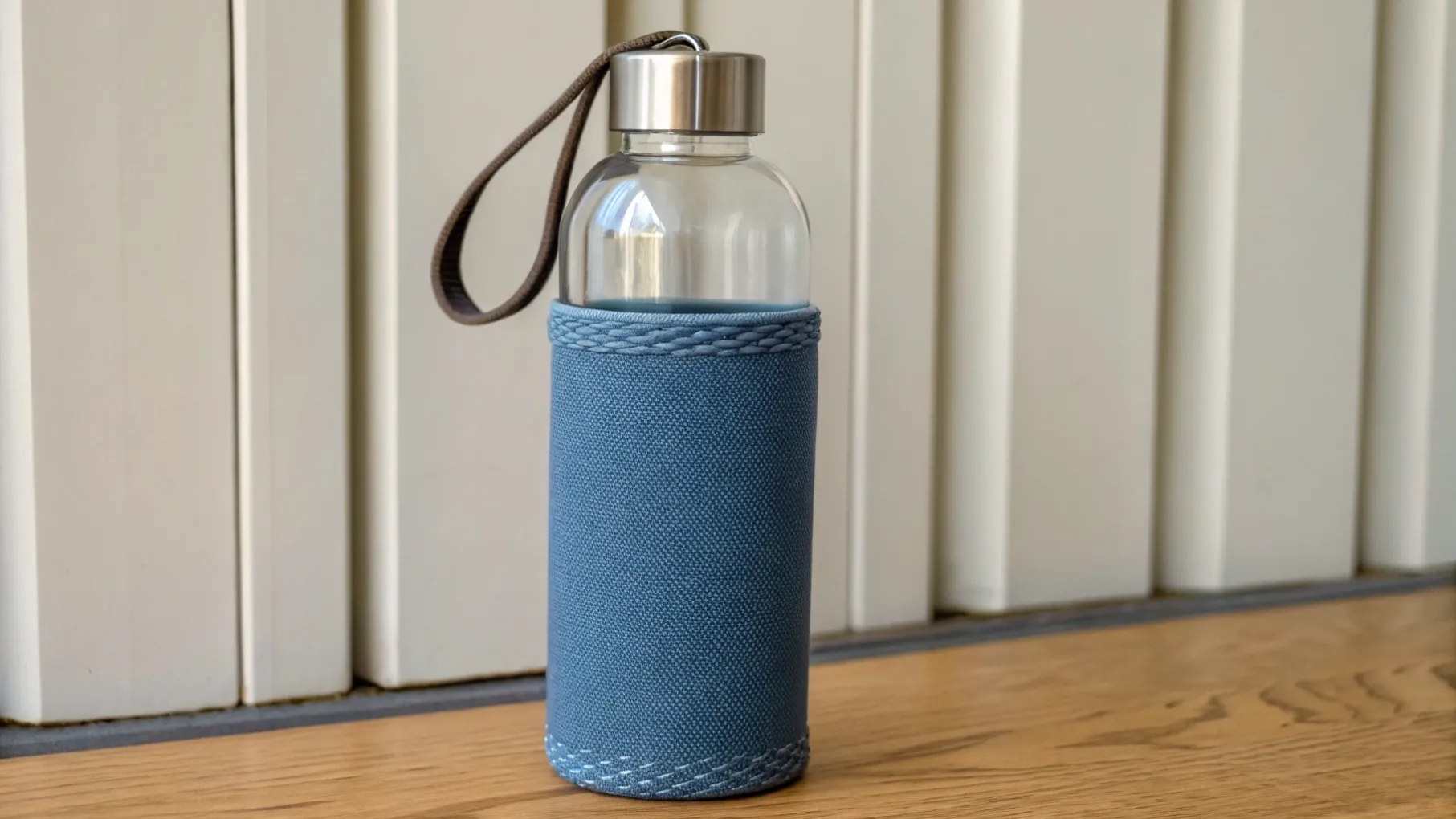
Borosilicate Versus Soda-Lime Glass Construction
Glass is one of the cleanest, safest materials for drinking water because it never leaches chemicals, sheds microplastics, or absorbs lingering flavors. However, you must pay attention to the specific type of glass used in production. Regular soda-lime glass is cheap and common, but it cracks easily if you pour hot water into a cold bottle.
For custom branded merchandise, I always recommend borosilicate glass. Borosilicate glass contains boron trioxide, which gives it a very low coefficient of thermal expansion. It handles boiling tea and ice water safely without shattering. Adding a thick, textured food-grade silicone sleeve provides extra grip, protects against accidental desktop knocks, and offers an elegant background for subtle corporate logos.
Glass Bottle Component | Standard / Budget Quality | Premium Borosilicate Standard | Impact on Everyday Use |
|---|---|---|---|
Base Glass Type | Standard soda-lime glass | Laboratory-grade borosilicate glass | Handles extreme hot and cold liquids safely |
Protective Sleeve | Thin neoprene pouch or none | Textured food-grade silicone boot | Prevents shattering and improves hand grip |
Cap Construction | Cheap plastic lid with glued seal | Stainless steel interior with food silicone | Stops water from touching plastic parts |
Mouth Opening | Narrow bottleneck design | Wide-mouth opening with smooth rim | Fits large ice cubes and allows fast cleaning |
Conclusion
Find the best customized bottle by selecting durable food-grade materials, reliable leakproof lids, and scratch-resistant branding to create a daily drinkware item that clients love using.