Aug 25, 2026News & Insights
How Can You Start a Diary and What Should You Write in It?
Start a diary with simple prompts, record honest feelings and daily moments, and build a lasting habit through consistent, pressure-free writing.

How Can You Start a Diary and What Should You Write in It?
Do you stare at empty diary pages feeling completely stuck, wondering what to write? Striving for perfection turns personal journaling into exhausting, stressful homework.
To start a diary, pick a comfortable notebook, write one honest sentence about your day using simple prompts, focus on your true feelings rather than perfection, and record ordinary daily moments consistently.
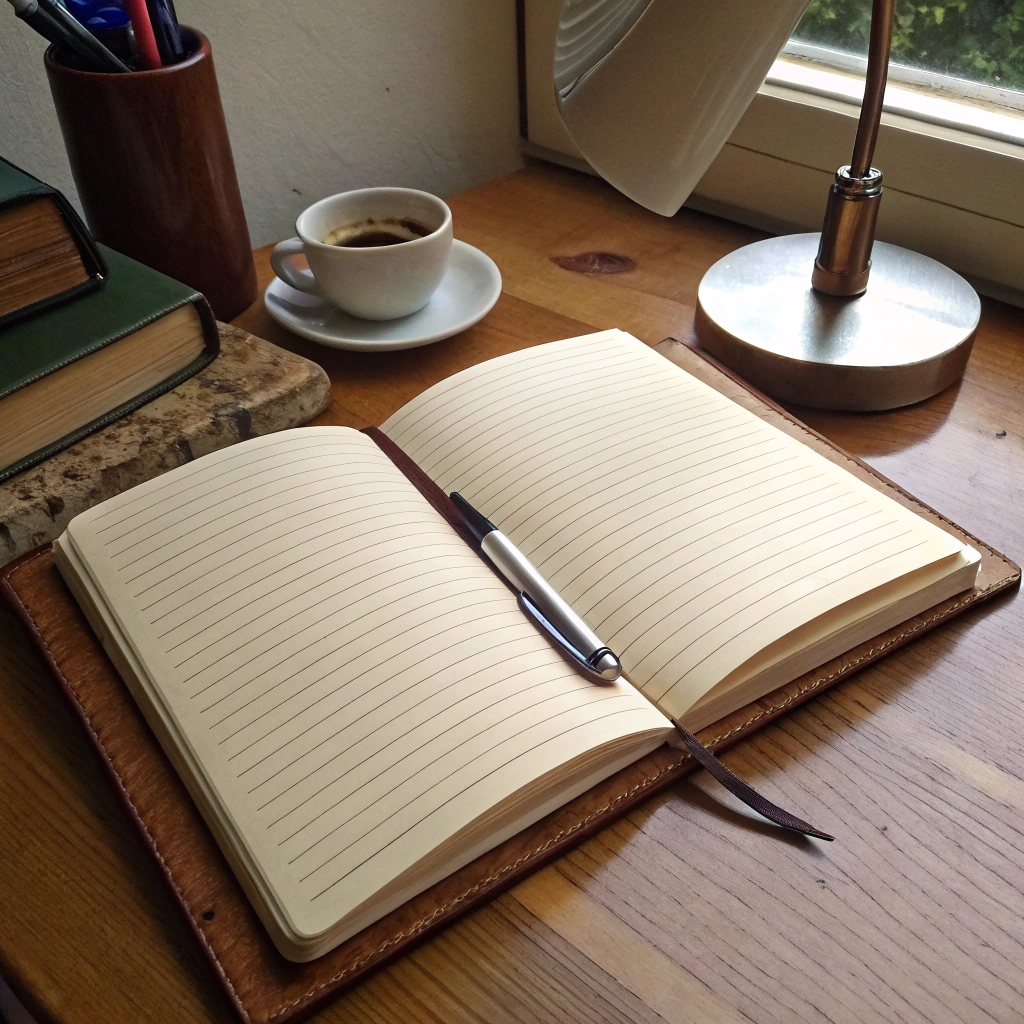
When I worked in a printing factory years ago, I saw thousands of blank notebooks roll off the machines every day. A notebook only gains real value when you put your thoughts onto the paper. Let us look at how you can build an easy, lasting diary habit without feeling overwhelmed.
How Do I Start Writing My Diary?
Do you feel intimidated by blank pages because you think your life is too boring to record? Waiting for exciting events keeps you from building a rewarding, lifelong journaling habit.
You start writing a diary by lowering your expectations, dating the page, and answering three simple questions: what happened today, how you felt about it, and what you want to do tomorrow.
Simple Frameworks for the First Page
Many beginners assume that a diary must be a profound literary work. In my view, that is exactly why people quit after three days. A diary is not a public stage performance; it is a private space to clear your mind and track your personal journey.
If the first blank page feels hard, use a simple five-minute framework. Write one sentence about a specific event, add one sentence about your emotions, and finish with one small thought for tomorrow. This structure moves your mind from facts to personal reflection without pressure.
Writing Framework Step | Core Guiding Question | Example Starter Sentence | Purpose of Step |
|---|---|---|---|
Step 1: The Event | What happened today? | “I finished my client presentation this afternoon.” | Records the objective factual timeline |
Step 2: The Emotion | How did I feel about it? | “I felt nervous at first, but relieved after speaking.” | Captures honest personal feelings |
Step 3: The Next Action | What should I do next? | “I want to organize my project files early tomorrow.” | Creates direction for your future self |
What Should I Write in My Diary?
Are you running out of things to write because you try to document every single detail of your day? Trying to write full daily essays makes journaling feel like an exhausting chore.
You should write about meaningful conversations, personal frustrations, quick bullet-point gratitude lists, everyday small victories, and honest reflections on what you learned about yourself during the day.

Using Daily Prompts to Spark Thoughts
When brand managers like Jacky plan their busy schedules, they rely on structured templates to save time. You can do the same with your daily diary. When you do not know what to write, use targeted questions instead of waiting around for random inspiration.
Ordinary days deserve space in your notebook. Years from now, you will care far more about how an ordinary Tuesday felt than another standard holiday recap. Your pages can take many shapes: short paragraphs, bullet lists of things you appreciate, quick work sketches, or saved ticket stubs.
Journaling Style | Best Writing Format | Time Needed | What to Record |
|---|---|---|---|
Quick Gratitude Log | 3 bullet points per entry | 2 minutes | Small pleasant moments, good food, kind words |
Brain Dump Entry | Free-form unedited paragraphs | 5 to 10 minutes | Mental stress, work worries, urgent thoughts |
Daily Learning Tracker | Single sentence reflections | 3 minutes | Lessons from mistakes and self-discoveries |
Decision-Making Log | Pros and cons list format | 5 minutes | Big choices, trade-offs, and future plans |
Should a 12 Year Old Have a Diary?
Are you wondering if giving a diary to a 12-year-old child will actually support their emotional growth and writing skills? Pre-teens face huge emotional changes and need safe outlets to process their feelings.
Yes, a 12-year-old should have a diary because it provides a private space to process complex emotions, build regular writing habits, improve critical thinking, and reduce daily school stress.

Emotional and Mental Benefits for Young Writers
At age 12, children transition into secondary school and deal with social pressure, heavier workloads, and rapid personal changes. Giving them a private notebook helps them sort through confusing feelings without the fear of judgment from peers or adults.
Writing in a personal diary also builds practical language skills naturally. When young people write about their real lives, they learn to organize their ideas clearly. Parents should respect diary privacy completely, because knowing that their words are secure gives pre-teens the confidence to express themselves honestly.
Developmental Area | How Diary Writing Helps | Practical Long-Term Outcome |
|---|---|---|
Emotional Regulation | Gives a safe outlet to vent anger and worry | Better stress management and self-awareness |
Written Communication | Encourages daily unprompted writing practice | Stronger vocabulary and clear sentence structure |
Critical Thinking | Helps evaluate conflicts with friends objectively | Improved problem-solving skills in social life |
Memory Preservation | Keeps a personal record of childhood growth | Greater appreciation for personal progress |
Conclusion
Start your diary with simple daily prompts, write honestly about ordinary moments, and focus on steady progress rather than perfection to build a lasting habit.