Aug 4, 2026News & Insights
How do gift card companies earn money?
Gift card companies profit through fees, commissions, prepaid funds, extra spending, and unused balances, creating multiple revenue streams for retailers and issuers.
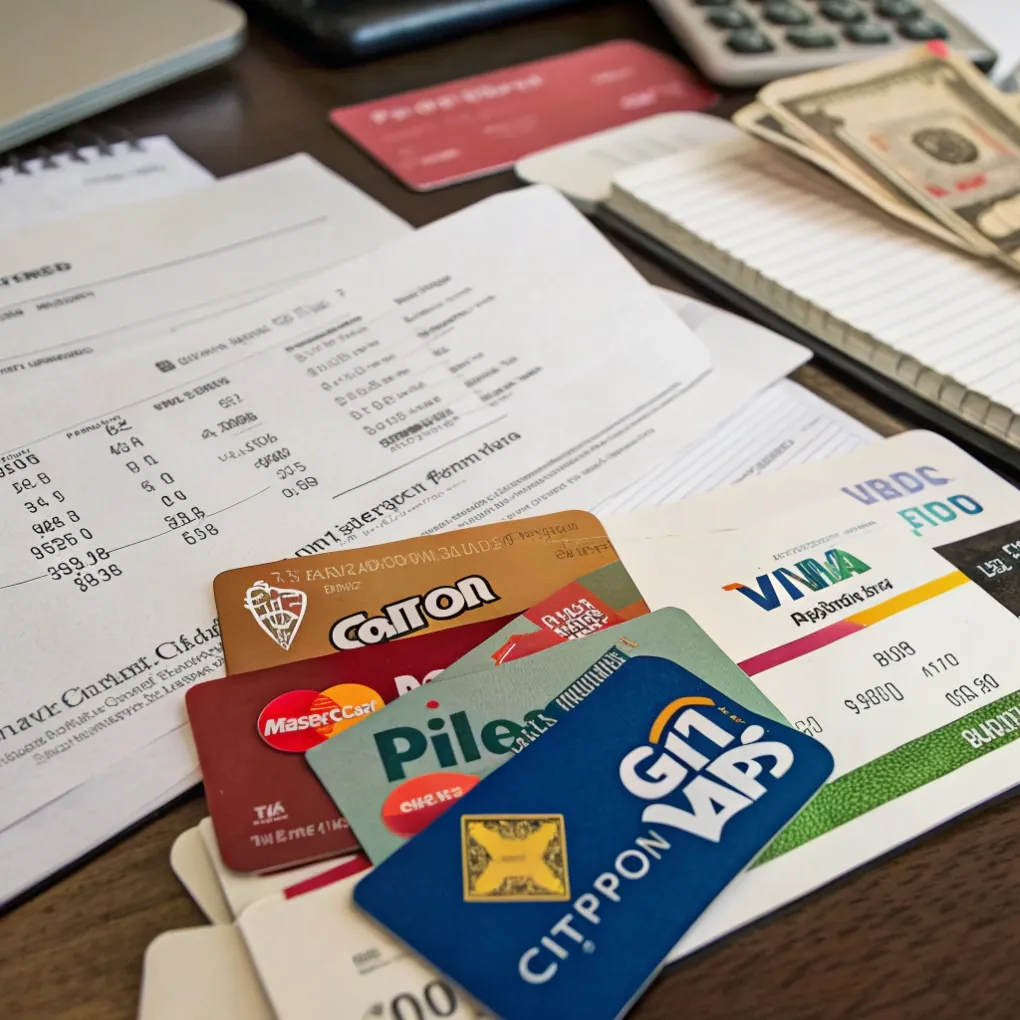
How Do Gift Card Companies Earn Money?
Understanding how the gift card industry generates revenue often creates confusion. You might wonder how selling dollar-for-dollar monetary credits produces massive corporate profits. Discovering how gift cards drive revenue reveals why companies value gift card programs heavily.
Gift card companies earn money through merchant commissions, consumer activation fees, bulk corporate sales, interest on prepaid funds, increased customer spending above card balances, and unredeemed balances known as breakage revenue.
I spent years on factory floors managing corporate gifts, promotional packaging, and custom card printing before founding Latitude. I saw firsthand how a well-managed gift card program creates huge financial value for both card issuers and retail businesses. Keep reading to learn how companies turn prepaid cards into major revenue drivers.
Do Gift Card Companies Make Money?
Many people assume gift cards are simple payment tokens that yield zero profit. You might wonder if card issuers make money or if they just process payment exchanges for free. Examining business models shows that gift cards generate multi-billion dollar profits annually.
Yes, gift card companies and retailers make massive profits from gift cards. Revenue comes from merchant fees, corporate bulk sales, interest accrued on prepaid balances, and customers spending more than the face value of the card.
Main Profit Streams For Gift Card Issuers
In my ten years running Latitude, I evaluated many corporate reward models. Third-party gift card distributors charge retailers a commission percentage—typically between three and fifteen percent—for every gift card sold on their store racks. In exchange, retailers gain massive brand exposure and attract new customers into their stores.
Furthermore, multi-merchant network cards (like Visa or Mastercard gift cards) charge upfront activation or purchase fees directly to consumers. These fees cover card production, processing networks, and immediate profit margins for the issuer.
Gift Card Revenue Stream | How It Generates Income | Primary Beneficiary |
|---|---|---|
Merchant Commissions | Percentage fee charged per card sold | Third-party card distributors |
Consumer Activation Fees | Upfront purchase fee ($3 to $6 per card) | Visa, Mastercard, & Issuing Banks |
B2B Corporate Sales | Custom card issuing for company perks | Corporate gift card providers |
Prepaid Interest Float | Interest earned on cash held before use | Retailers & issuing financial institutions |
These diverse revenue streams make gift card issuing one of the most profitable sectors in retail finance.
How Do Companies Get Money From Gift Cards?
Seeing how simple plastic or digital cards generate profit for stores can feel puzzling. You might wonder where the actual profit comes from during a purchase. Exploring real-world shopping behaviors highlights how gift cards boost store bottom lines.
Companies get money from gift cards by receiving upfront cash payment before goods are delivered, earning high-margin sales when customers overspend their card balance, and capturing new customer acquisition opportunities.
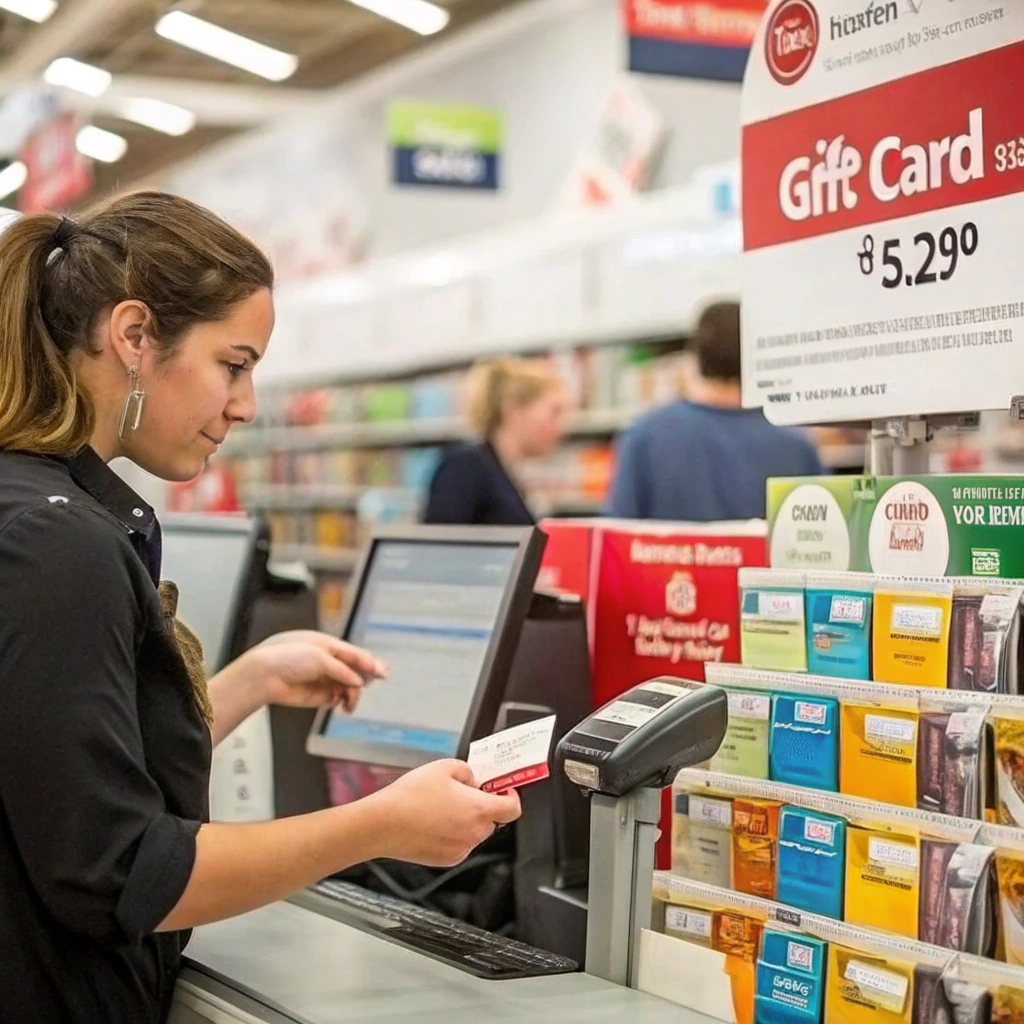
Upfront Cash Float And Overspending Behavior
During my early factory days, I helped corporate clients design promotional gift packages. I noticed that gift cards create an immediate financial advantage called cash float. When a customer buys a $100 gift card, the business gets cash immediately. The company can invest or use that working capital months before the customer redeems the card.
Another major profit driver is overspending. Industry data shows that over sixty percent of gift card recipients spend more than the face value of their card when shopping. A customer with a $50 gift card frequently buys $75 or $100 worth of merchandise, creating incremental sales the store would not have earned otherwise.
Customer Shopping Behavior | Financial Outcome For Retailer | Business Impact |
|---|---|---|
Overspending Balance | Customer pays extra cash out of pocket | Increases average order size & profit |
New Customer Visit | Recipient shops at store for first time | Lowers customer acquisition cost |
Upfront Cash Payment | Retailer receives money immediately | Boosts working capital & interest float |
Full Value Redemption | Standard product sale at retail margin | Delivers standard product profit |
Combining upfront cash float with customer overspending makes gift cards powerful sales multipliers for businesses.
How Much Money Is Wasted On Gift Cards Every Year?
Finding forgotten gift cards in desk drawers makes many consumers wonder how much value goes unused. You might worry that unspent funds represent lost personal money. Uncovering global breakage statistics reveals the staggering scale of unredeemed gift cards.
An estimated $21 billion to $23 billion in gift card value sits unspent or unused annually in the United States alone. Unredeemed gift card balances are referred to in accounting as “breakage”.

Understanding Gift Card Breakage And Escheatment Laws
In the corporate gifting industry, unredeemed balances represent a major topic. Roughly two to six percent of all gift card value issued every year goes unredeemed due to lost cards, forgotten balances, or store closures. Major corporations report hundreds of millions in annual breakage revenue from unspent card balances alone.
However, modern accounting rules and state escheatment laws strictly regulate how companies handle unspent funds. In many jurisdictions, businesses cannot simply pocket abandoned money immediately; they must recognize breakage over time based on historical redemption patterns or surrender unclaimed property to state treasuries.
Breakage Aspect | Financial Industry Reality | Consumer Impact |
|---|---|---|
Annual Unspent Total | ~$21B to $23B unused in the US | Loss of personal purchasing power |
Average Unused Balance | ~$180 to $244 in unspent cards per person | Value sitting idle in drawers |
Accounting Recognition | Recognized as revenue based on data patterns | Boosts long-term company bottom line |
State Escheatment | Unclaimed funds remitted to state treasuries | Protects consumer property rights |
Using your gift cards promptly ensures you maximize personal value while preventing your money from turning into corporate breakage.
Conclusion
Gift card companies earn money through merchant commissions, consumer activation fees, upfront interest float, increased customer overspending, and accounting breakage from unredeemed card balances.