Aug 6, 2026News & Insights
How Often Should You Replace Reusable Grocery Bags?
Replace reusable grocery bags every 2–5 years or when damaged. Proper cleaning and durable materials ensure hygiene, safety, and sustainability.
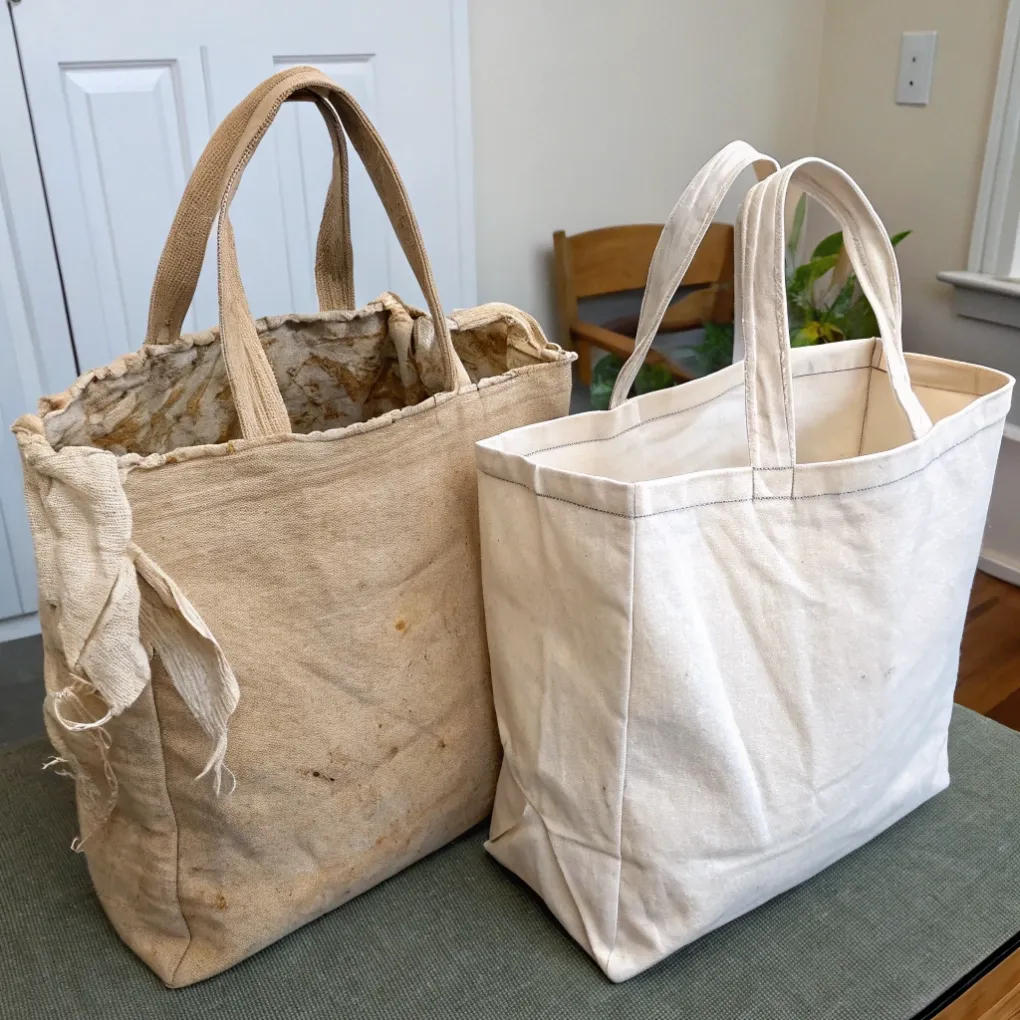
How Often Should You Replace Reusable Grocery Bags?
Are you still using worn-out reusable grocery bags that might be harboring invisible bacteria? Flimsy, dirty bags can tear without warning, ruining your groceries and risking food contamination.
You should replace reusable grocery bags every 2 to 5 years, or immediately when you notice torn handles, broken stitching, permanent odors, or fabric degradation. Choosing durable materials like heavy-duty cotton canvas or woven polypropylene extends the bag’s operational life and ensures safe, hygienic food transportation.
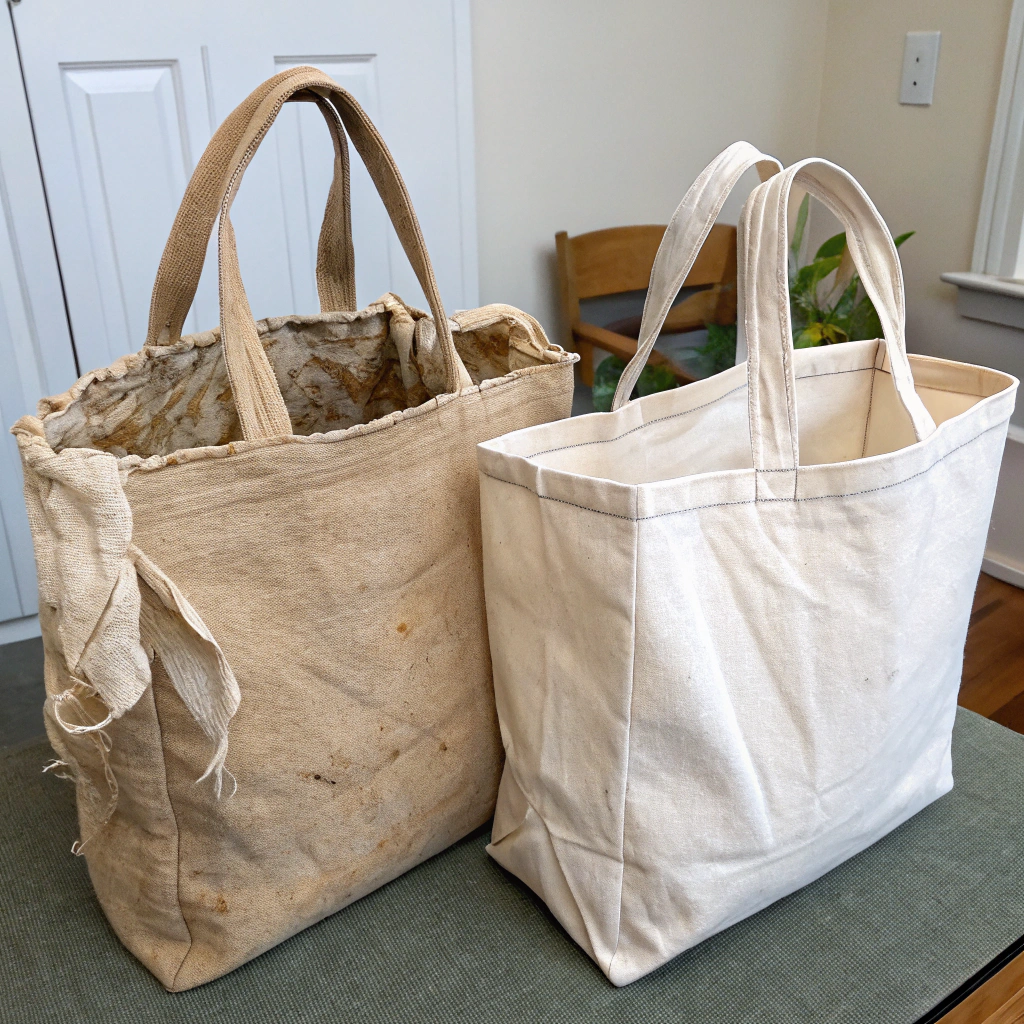
When I started my career in a humble printing factory, I saw companies produce cheap reusable bags that ripped on the first heavy grocery run. Later, I founded Latitude Experience Pte Ltd to help businesses and consumers choose long-lasting, high-quality promotional products. Knowing when to replace your grocery bags is not just about avoiding sudden tears. It is about maintaining personal hygiene and supporting genuine sustainability. Let us look at how to evaluate your bags and keep them clean.
What Is the Lifespan of a Reusable Bag?
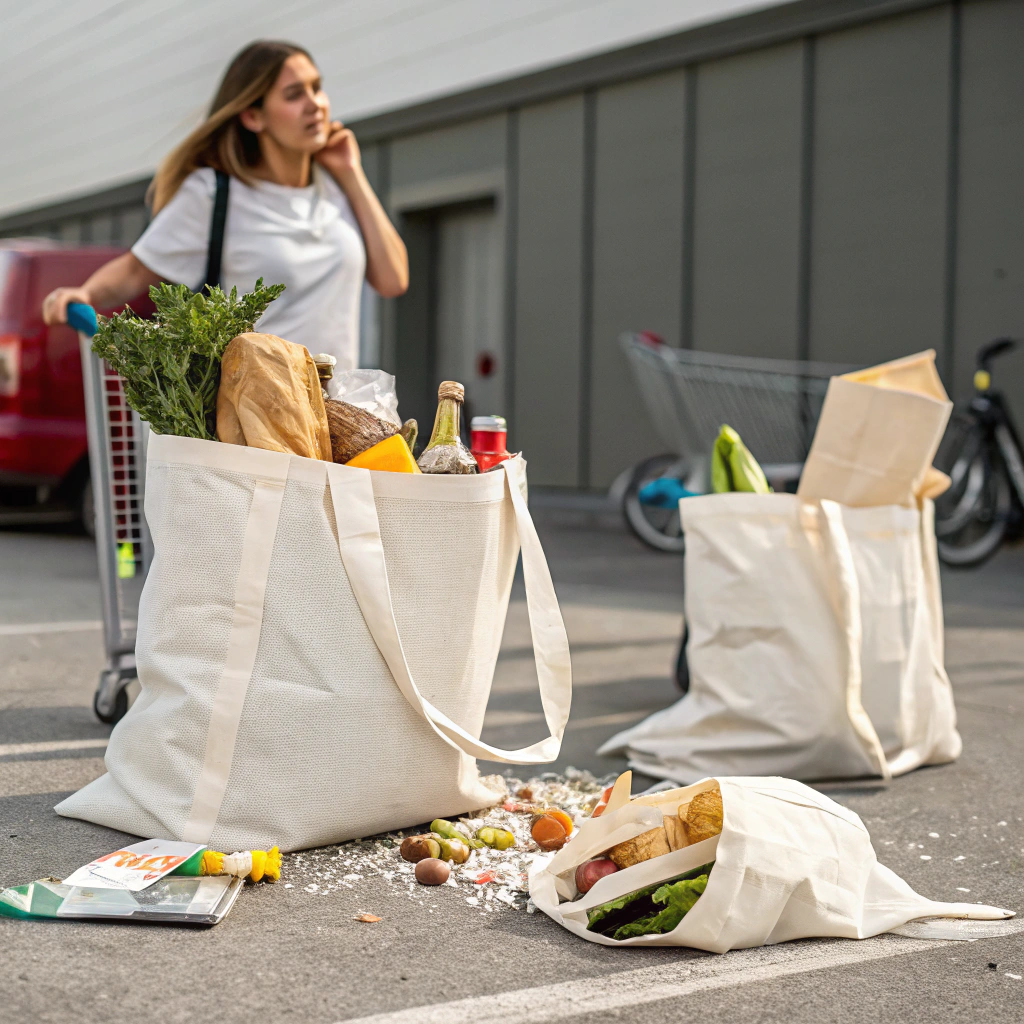
Using weak reusable bags that tear under heavy grocery weight causes unnecessary stress and messy accidents. Buying low-quality bags wastes your money and damages the environment through frequent replacements.
The lifespan of a reusable bag ranges from 1 to 5 years depending on material quality, usage frequency, and care. Heavy-duty cotton canvas bags can last up to 5 years, while cheap non-woven plastic bags typically last between 6 and 12 months before showing structural damage.
Material Quality Determines Product Longevity
In my decades of product customization experience, I have tested dozens of bag fabrics under real stress conditions. Low-cost non-woven polypropylene bags degrade quickly when exposed to heavy items or sunlight. In contrast, high-density cotton canvas or woven polyester bags handle repeated grocery runs without ripping.
Fabric thickness and handle stitching dictate how many years of service a bag delivers. Cross-stitched handles and reinforced bottom seams prevent sudden handle failure at checkout counters.
Bag Material Type | Expected Lifespan | Weight Capacity | Primary Durability Trait |
|---|---|---|---|
Non-Woven Polypropylene | 6 to 12 Months | Low to Medium | Lightweight, low cost |
Woven Polypropylene / PET | 1 to 3 Years | High | Water-resistant, easy to wipe clean |
Heavy-Duty Cotton Canvas | 3 to 5+ Years | Very High | Machine-washable, high tear resistance |
Choosing high-density cotton or woven materials gives you maximum utility per bag. Investing in quality items reduces overall environmental waste over time.
How Often Should I Wash Reusable Grocery Bags?
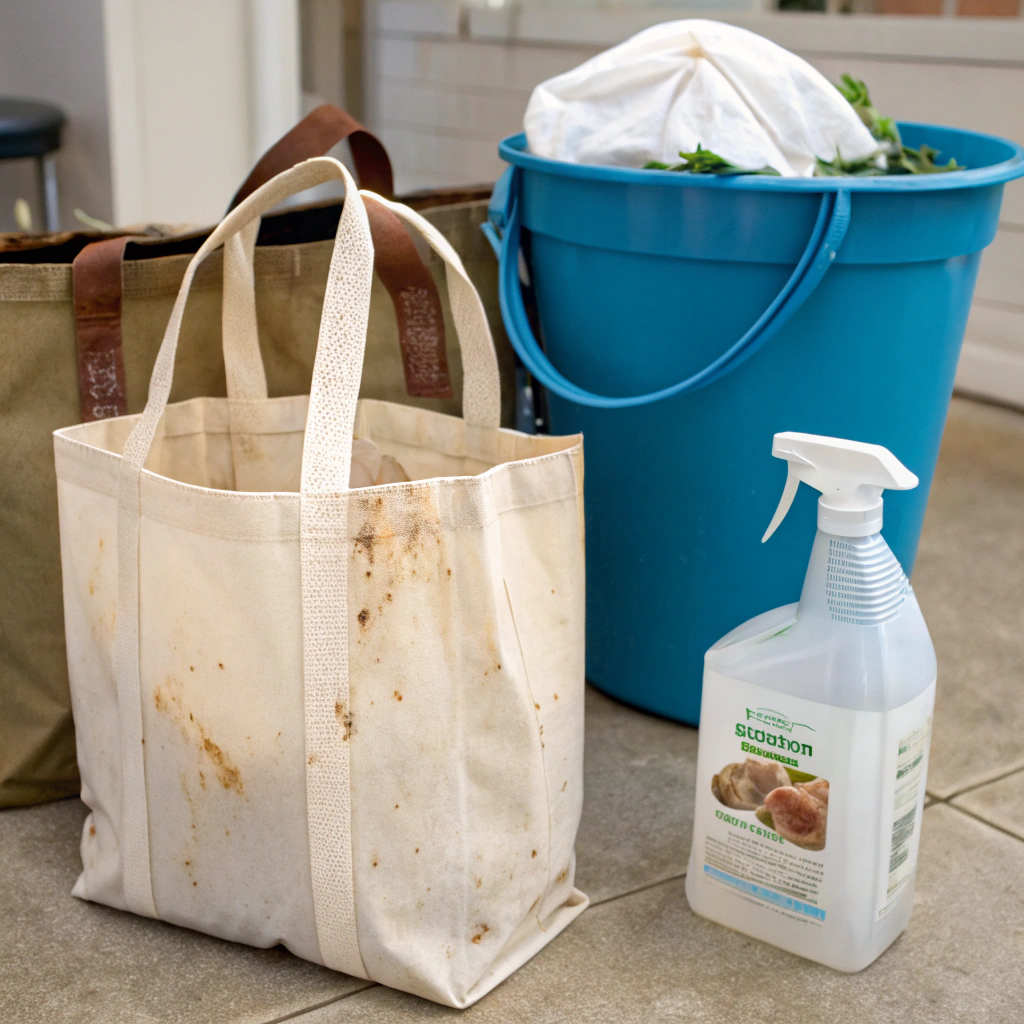
Ignoring bag cleanliness allows meat juices and produce soil to breed harmful bacteria inside your grocery totes. Contaminated bags compromise your family’s food safety, but establishing a simple washing routine prevents health risks completely.
You should wash cloth reusable grocery bags at least once a month, or immediately after any raw meat spill or juice leak. Washing frequency depends on bag usage, with fabric totes requiring hot machine washing and synthetic bags needing anti-bacterial spray wiping.
Cleaning Protocols by Fabric Type
During my early production factory days, I learned that improper cleaning damages bag coatings. Machine-washing non-woven plastic bags causes them to melt or shred. However, natural cotton canvas handles machine washing easily. You must sanitize bags that carry raw chicken, fish, or unwashed vegetables after every single shopping trip to eliminate cross-contamination risks.
Essential Care Guidelines
Following correct maintenance procedures keeps your totes sanitary without ruining their structural strength.
Bag Material | Recommended Cleaning Method | Washing Frequency | Drying Method |
|---|---|---|---|
Cotton Canvas | Machine wash hot with laundry detergent | After meat spills or monthly | Air dry completely |
Non-Woven Plastic | Hand wipe with disinfectant spray or soapy cloth | Weekly or after produce trips | Air dry |
Insulated Cooler Tote | Wipe interior with anti-bacterial wipes | After every use with food | Towel dry completely |
Drying your bags completely before folding them prevents mold growth. Clean bags protect your health and extend product usability for years.
What Are the Disadvantages of Reusable Bags?
Failing to recognize the drawbacks of reusable bags leads to poor hygiene habits and unexpected fabric failures. Assuming all eco-friendly bags are perfect causes frustration when cheap bags leak or harbor unpleasant smells.
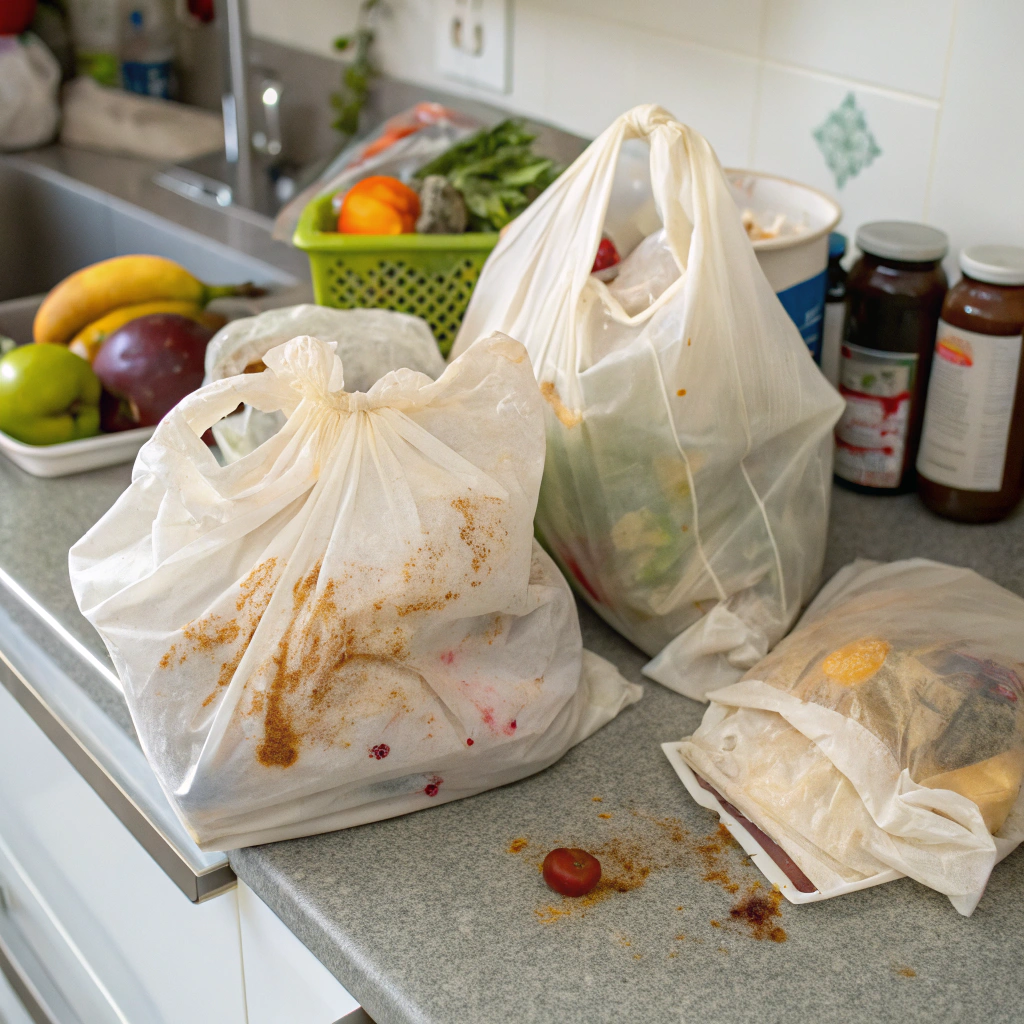
The main disadvantages of reusable bags include potential bacterial growth from unwashed food spills, environmental footprint if underutilized, storage clutter, and higher initial purchase costs. Furthermore, cheap synthetic bags can tear easily under heavy loads if handle stitching lacks proper reinforcement.
Overcoming Practical Gifting and Daily Challenges
At Latitude Experience Pte Ltd, marketing managers like Jacky ask me how to select promotional totes that clients will actually keep. The biggest flaw of cheap promotional bags is low structural quality. When companies give away weak, thin totes with huge corporate logos, recipients throw them away. That creates more environmental waste than single-use plastic bags.
To overcome these disadvantages, brands must offer functional, attractive, high-capacity bags. Adding interior bottle pockets, water-resistant linings, and comfortable shoulder straps transforms a basic tote into an essential daily accessory.
Reusable Bag Challenge | Practical Negative Impact | Strategic Solution |
|---|---|---|
Bacterial Contamination | Cross-contamination of raw food | Use washable cotton or wipeable vinyl linings |
Environmental Footprint | Wasted resources if discarded early | Choose durable 12oz canvas built for 500+ uses |
Structural Failure | Ripped handles during heavy transit | Use reinforced cross-stitching on handle stress points |
Focusing on heavy-duty construction removes the disadvantages of reusable bags. High-quality totes deliver safe, long-term performance for everyday grocery shopping.
Conclusion
You should replace reusable grocery bags every 2 to 5 years or when structural damage appears, ensuring food safety through regular washing and choosing durable materials for long-term sustainability.