Oct 13, 2026News & Insights
How to Buy a Good Water Bottle: The Ultimate Buyer’s Guide
A good water bottle balances durable materials, leak-proof design, easy cleaning, suitable capacity, and reliable insulation to deliver lasting value for everyday hydration.
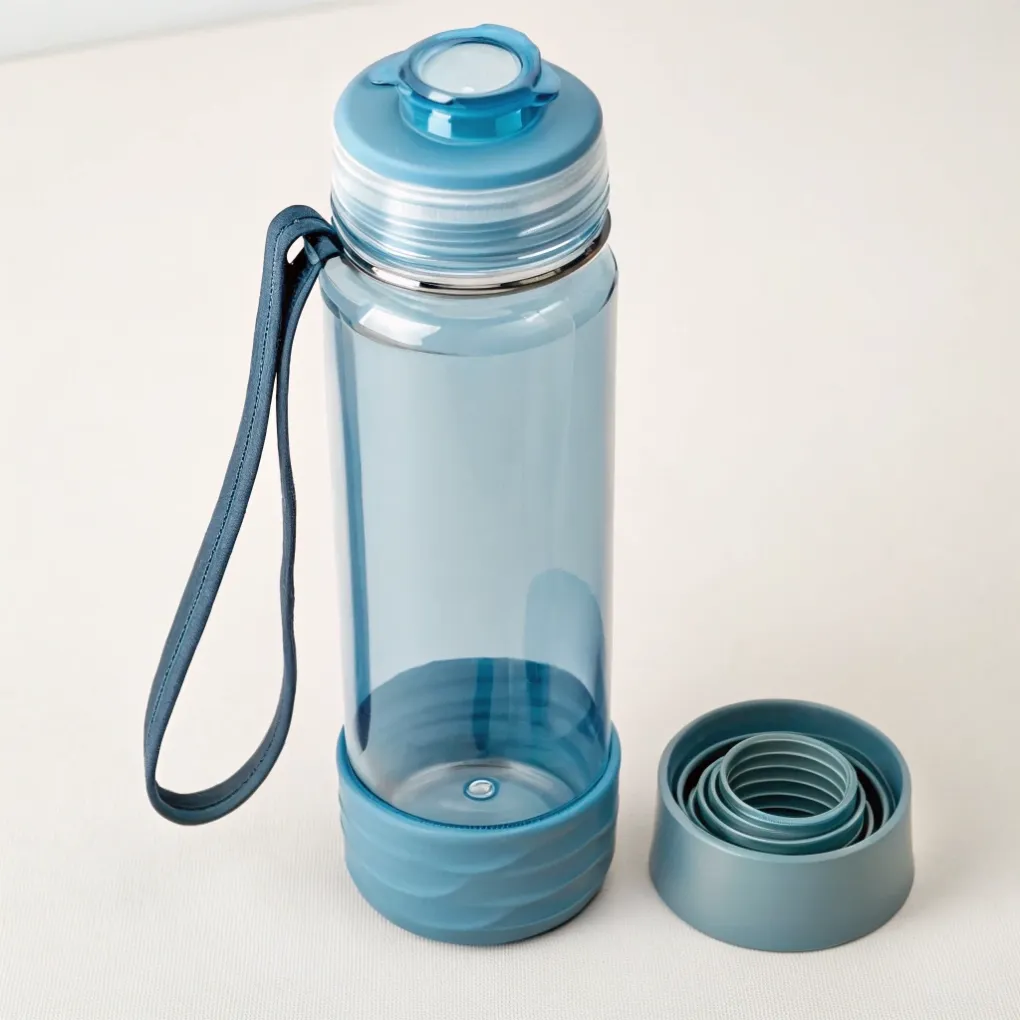
How to Buy a Good Water Bottle: The Ultimate Buyer’s Guide
Do you pick a water bottle because it looks sleek on a store shelf or went viral online, only to retire it to the back of your cupboard three weeks later because it is clumsy to wash, leaks in your backpack, or weighs down your shoulder like a brick? Evaluating drinkware purely on visual aesthetics or marketing claims leads to frustrating buyer’s remorse.
To buy a good water bottle, evaluate your daily transit and refill routine first, select the appropriate substrate (food-grade 304/316 stainless steel, BPA-free Tritan, or borosilicate glass), verify lid ergonomics and gasket disassembly, and choose a capacity between 500 and 750 ml that balances hydration volume with portable weight.
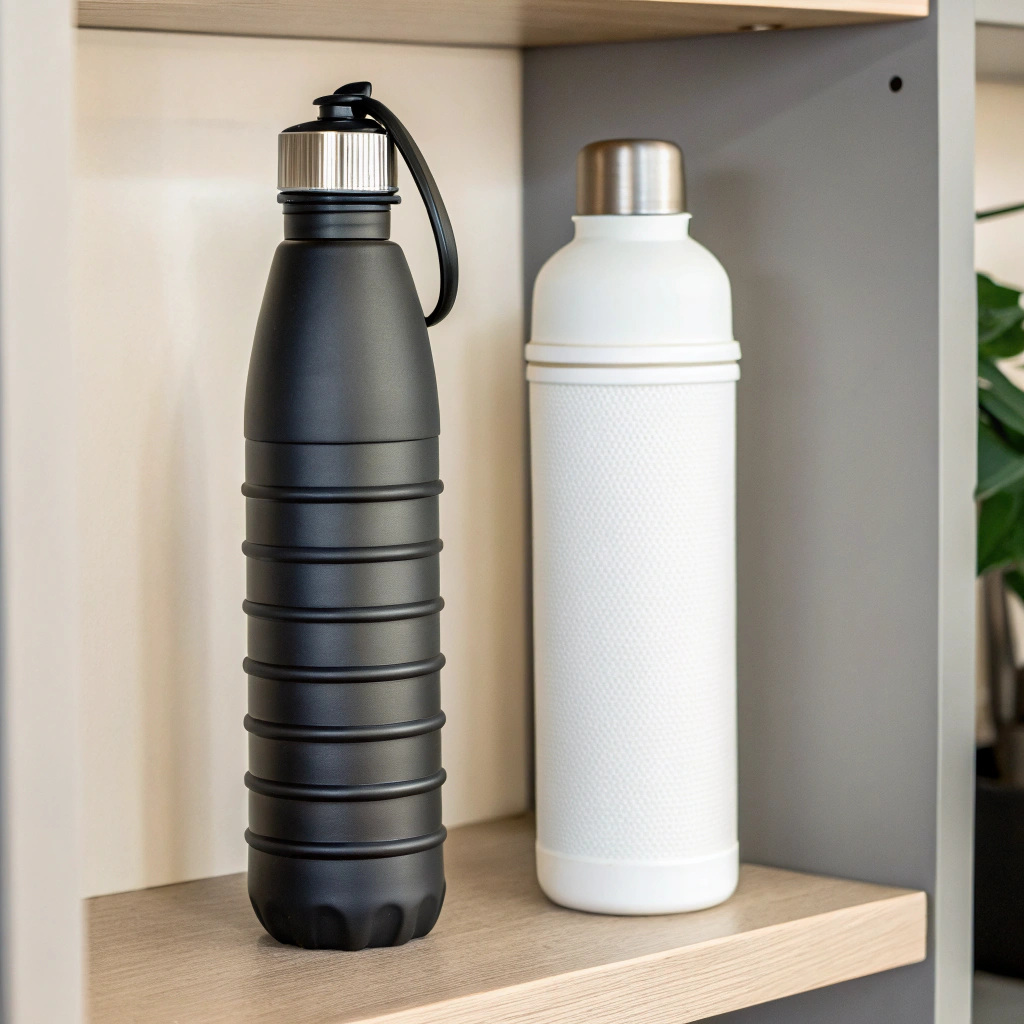
When I started my career working in a printing and corporate merchandise factory years ago, I handled hundreds of thousands of promotional and retail bottles. A bottle is not merely a cylinder that holds liquid; it is a personal hydration tool that must integrate seamlessly into your day. If the mouth opening is too narrow for standard ice cubes, the threads squeak, or the base does not fit into a standard car cup holder, you will quickly stop carrying it. Let us examine how to pick the right bottle for your lifestyle, inspect manufacturing quality, and determine what a dependable bottle should actually cost.
How Do You Pick Out a Good Water Bottle?
Are you torn between double-wall vacuum flasks, ultra-light gym squeeze bottles, and crystal-clear desk tumblers? Selecting the wrong design creates daily friction that discourages healthy hydration habits.
Pick out a good water bottle by matching four mechanical criteria to your daily routine: thermal demand (insulated steel vs. single-wall plastic), physical carrying environment (desk, gym, or commute), lid mechanism (chug, straw, or twist cap), and physical diameter.
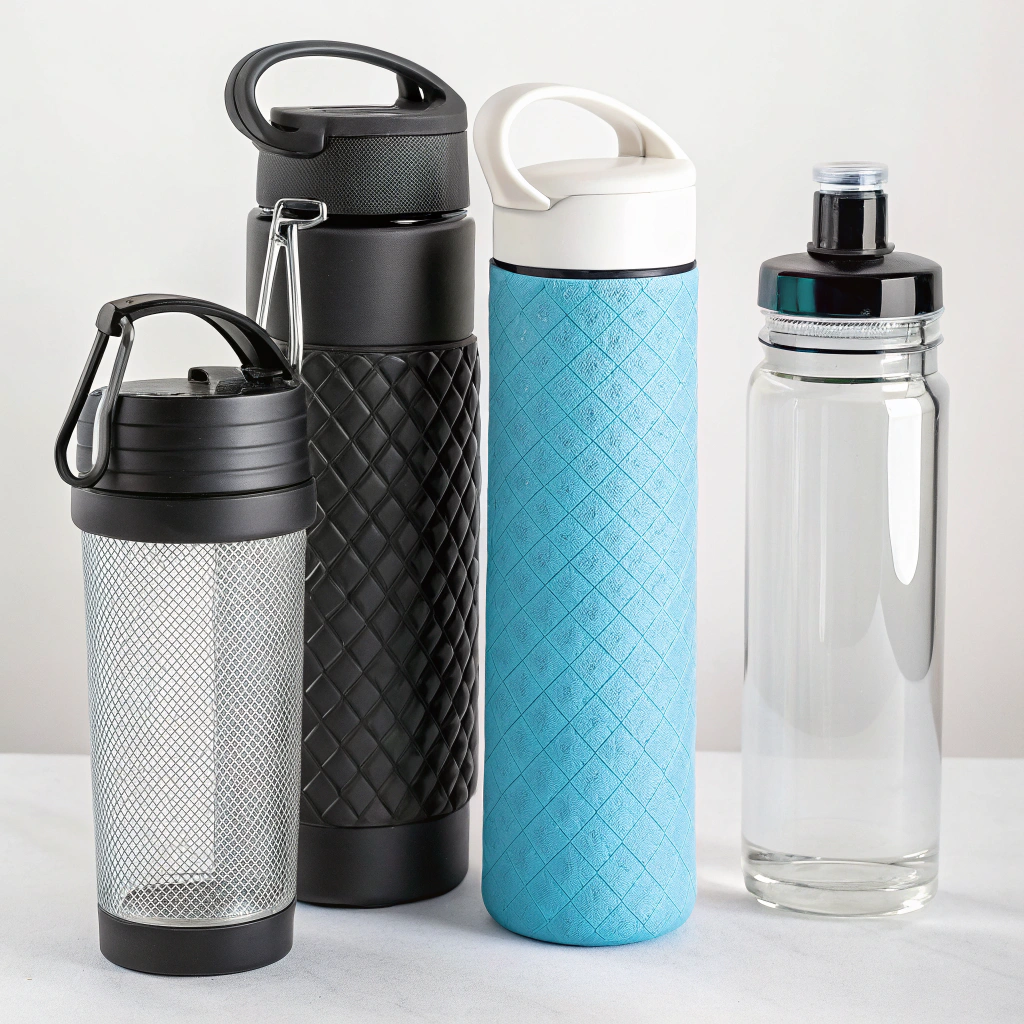
Contextual Matching: Desks, Commutes, Gyms, and Travel
Selecting a water bottle requires honest appraisal of where the vessel will spend 90% of its working life. If you spend eight hours a day at an office desk or behind the wheel of a car, a double-wall vacuum-insulated stainless steel bottle (500 to 750 ml) is ideal. It keeps ice water cold for up to 24 hours, prevents external condensation puddles from ruining desk papers, and sits securely in standard 7.5 cm cup holders.
Conversely, if your routine involves high-intensity interval training, trail running, or crowded transit where you are already carrying a heavy laptop bag, an insulated metal bottle can be an unnecessary burden. When full, a 750 ml double-wall steel bottle weighs over 1.1 kg. In weight-sensitive settings, an impact-resistant, BPA-free Eastman Tritan or food-grade Polypropylene (PP #5) bottle delivers shatterproof hydration at roughly one-third the empty carry weight.
For brand managers like Jacky developing corporate gifting programs or onboarding sets, choosing the versatile 600 ml insulated profile ensures the gift adapts comfortably to both hybrid commuting and boardroom meetings.
Lifestyle Routine | Primary Physical Need | Recommended Material Spec | Ideal Lid Style | Pitfall to Avoid |
|---|---|---|---|---|
Corporate Desk / Hybrid | All-day cold retention; zero exterior sweat | Double-wall SUS304 vacuum steel | Modular sip / twist-cap | Oversized 1.5L jugs that crowd desk space |
Daily Train / Bus Commute | 100% Leak-proof guarantee; compact slim base | 500–600 ml Insulated steel | Screw cap with silicone O-ring | Exposed flip-straws that brush bag debris |
Gym & Athletic Training | High fluid flow; one-handed opening; low weight | BPA-free Tritan or HDPE plastic | Push-button autospout / chug cap | Fragile glass vessels that shatter on hard gym floors |
Outdoor Hiking & Travel | Maximum impact durability; high capacity | Single-wall or vacuum steel (1L+) | Wide-mouth with loop carabiner cap | Narrow necks that cannot be refilled under trail taps |
How to Check the Quality of a Water Bottle?
Have you ever purchased a bottle that looked premium online, only to find the threads cross-threading, the coating chipping off, or the water tasting like metallic pennies? Knowing how to inspect manufacturing tolerances protects you from poorly made factory seconds.
Check the quality of a water bottle by verifying certified food-contact raw materials (SUS304/316 steel or BPA-free Tritan), testing the lid threads for smooth engagement, inspecting the silicone gasket for easy removal, and checking the base for stability and insulation integrity.
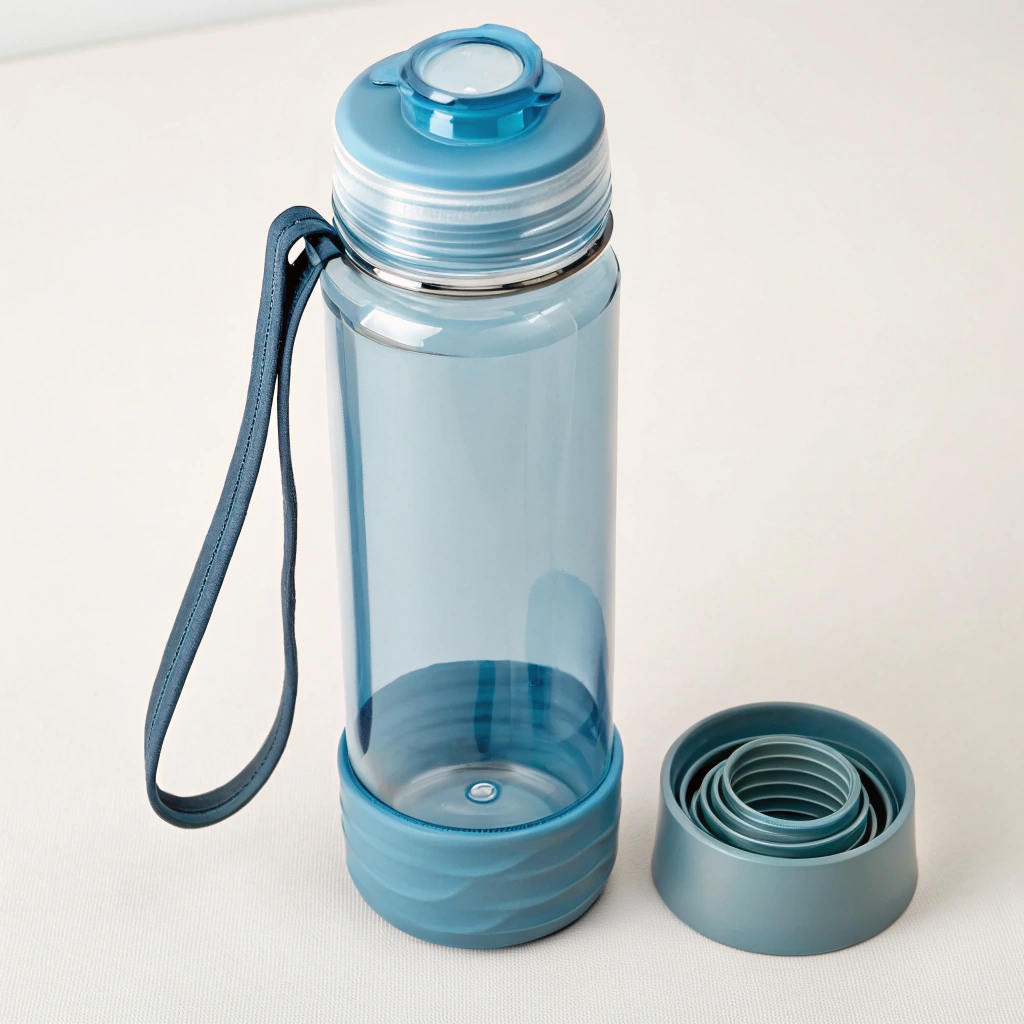
Physical Quality Inspection: Five Mechanical Checkpoints
When evaluating a bottle in person or reviewing factory production samples, look past the brand label and inspect the physical engineering:
- The Internal Surface & Steel Grade: Look inside the bottle with a flashlight. High-grade stainless steel features a smooth, uniform electropolished interior that looks like a clean satin mirror. Avoid bottles with visible dark welding seams, internal tool scratches, or rough textures where mineral scale and bacterial biofilms can take root. Ensure the base is stamped with “SUS304”, “18/8”, or “SUS316” rather than vague claims like “Stainless.”
- Thermal Vacuum Integrity Test: Pour boiling water into an insulated bottle and seal it. Touch the exterior shell after three minutes. If the outside body feels warm, the vacuum seal has failed (thermal leakage). The outer metal wall should remain completely cool to the touch regardless of how hot the liquid inside is.
- The Thread & Closure Mechanics: Slowly screw the cap on and off. The threads should engage effortlessly within one to one-and-a-half turns without binding, squeaking, or slipping off track. Loose, shallow plastic threads wear down quickly and cause sudden bag leaks.
- Gasket Architecture & Hygiene: Examine the internal silicone sealing ring. Can you easily remove it with your fingers or a small tab to clean behind it, or is it permanently glued into a narrow, deep groove? Glued or non-removable gaskets inevitably trap moisture, creating black mold pockets that are impossible to sanitize.
- Exterior Coating Durability: High-grade bottles utilize electrostatic powder coating, which has a subtle, grippy orange-peel texture that resists key scratches and accidental drops. Cheap bottles use basic glossy wet-spray paint that chips, flakes, and peels after a few runs through the dishwasher.
Quality Inspection Point | Premium Manufacturing Indicator | Cheap / Low-Grade Shortcut | Long-Term User Consequence |
|---|---|---|---|
Internal Metal Treatment | Seamless electropolished 304/316 surface | Raw unpolished steel with dark weld seam | Imparts metallic taste; rusts along seam line |
Thermal Insulation | Double-wall vacuum with internal copper lining | Single-wall or poorly brazed vacuum chamber | Drinks warm up quickly; bottle exterior sweats |
Silicone Gasket Seal | Removable platinum-cured food-grade silicone | Cheap glued black industrial rubber | Gasket hardens, leaks, and harbors black mold |
Exterior Finish | Electrostatic powder coating (Textured matte) | Glossy screen paint or thin solvent lacquer | Scratches easily; flakes off into bag interiors |
Mouth Opening Diameter | Wide neck (4.5 to 5.5 cm clearance) | Narrow bottleneck opening (Under 3 cm) | Impossible to insert standard ice or clean with sponge |
How Much Should a Good Water Bottle Cost?
Do you wonder whether a US$45 designer bottle performs noticeably better than an US$18 supermarket alternative, or if you are simply paying for brand hype? Understanding production costs helps you identify the sweet spot where quality matches fair pricing.
A good, durable water bottle should cost between US$15 and US$35: basic food-grade Tritan sport bottles sit between US$12 and US$18, while premium double-wall vacuum-insulated stainless steel bottles generally range from US$22 to US$35.
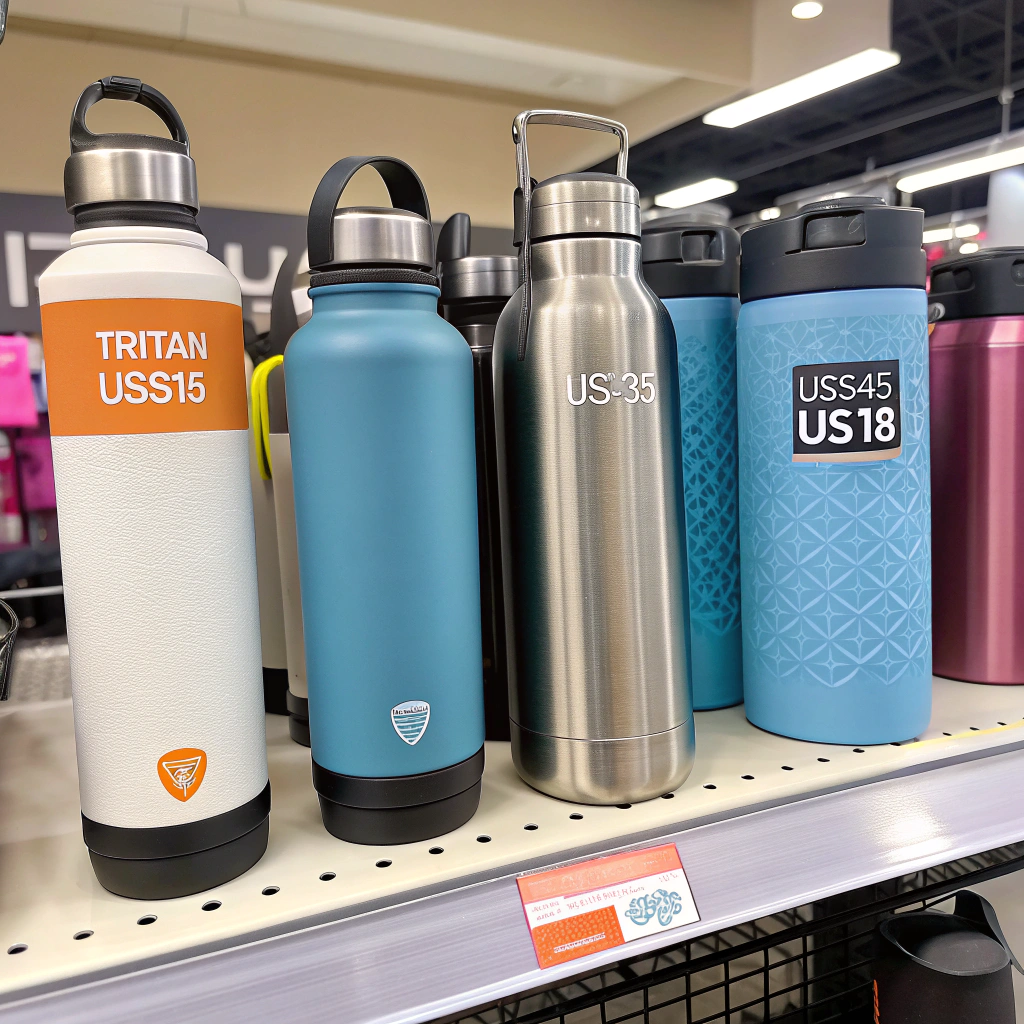
Price Tiers, Manufacturing Realities, and Long-Term Value
In drinkware manufacturing, pricing reflects material purity, tooling precision, and thermal testing. A bottle priced under US$10 often cuts critical corners: using thin industrial 201 steel, cheap single-stage vacuum ovens that lose their seal within months, or brittle plastic lids made without impact modifiers.
Between US$20 and US$35 sits the optimal balance of performance and price. In this bracket, reputable manufacturers provide food-grade 18/8 stainless steel, reliable copper vacuum barriers, durable powder coatings, and modular, dishwasher-safe lids with available replacement gaskets. When bottles exceed US$45 to US$60, you are generally paying for limited-edition color drops, designer licensing, or high-budget social media influencer marketing rather than superior metallurgical performance.
For corporate procurement and bulk branded gifting, sourcing directly through established manufacturing partners like Latitude Experience yields factory unit pricing between US$4.50 and US$8.50 for retail-grade 304 insulated bottles, providing high-end corporate gifts that fit comfortably within marketing budgets.
Retail Price Tier | Expected Construction Specifications | Expected Working Lifespan | Value Assessment Verdict |
|---|---|---|---|
Budget (Under US$12) | Single-wall metal or cheap PET/PC; basic lids | 2 to 6 Months (Prone to dents & leaks) | Poor Value: High replacement rate; prone to failures |
Value (US$15 – US$22) | High-grade BPA-Free Tritan or basic 304 steel | 1 to 3 Years of consistent use | Solid Everyday Buy: Excellent for gym & sport use |
Sweet Spot (US$22 – US$35) | Double-wall 18/8 steel, powder coat, copper vacuum | 3 to 7+ Years of daily commuting | Optimal Value: Best balance of longevity and price |
Luxury / Viral (US$40 – US$60+) | Identical 18/8 steel core; trendy colors & logos | 3 to 7+ Years | Diminishing Returns: Paying for fashion branding |
Conclusion
Buying a good water bottle comes down to picking a size and material that seamlessly fits your daily commute, verifying that the lid is simple to disassemble and clean, and investing in durable 18/8 stainless steel construction that delivers reliable hydration for years to come.