Jun 26, 2026News & Insights
How to Choose the Best Plastic Bottle for Daily Use?
A BPA-free Tritan bottle offers safe, durable, and convenient hydration for everyday use.
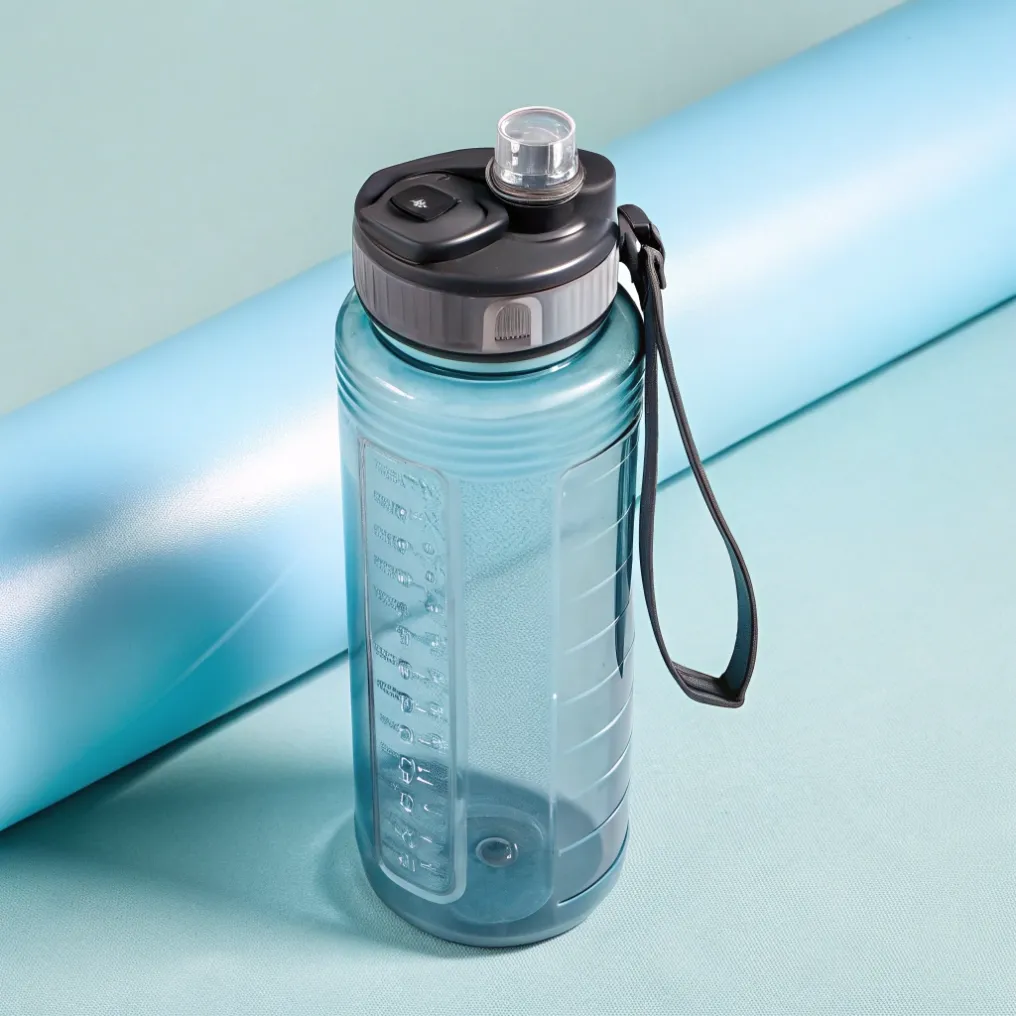
How to Choose the Best Plastic Bottle for Daily Use?
Are you tired of buying reusable plastic bottles that crack on the first drop, leak inside your gym bag, or smell like old protein shakes after a few weeks?
You can choose the best plastic bottle for daily use by selecting a model made from food-grade, high-impact Tritan plastic. Ensure it features a leakproof lock-switch lid, a wide-mouth opening for easy washing, and a capacity that fits your daily travel routine.
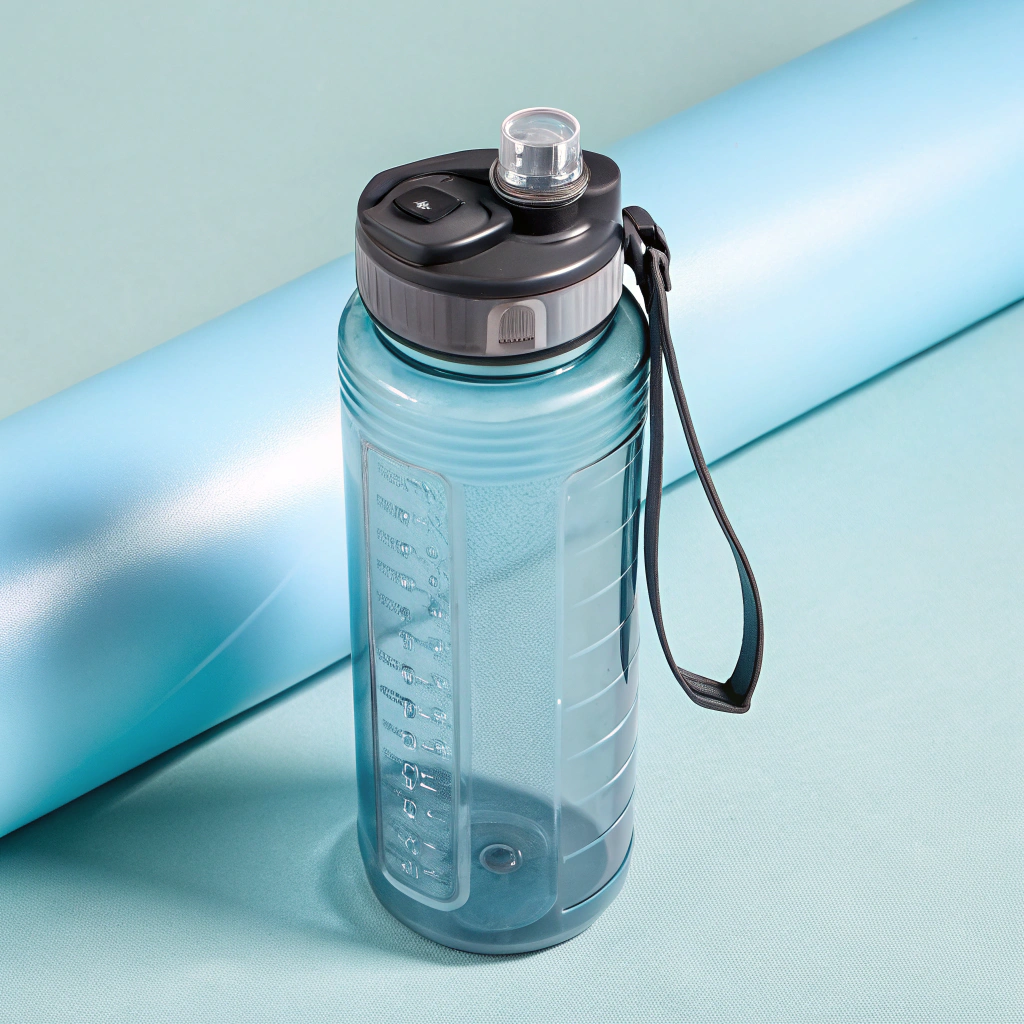
I started my career working on a busy printing factory floor, managing production lines and checking material specifications directly under heavy heat. That industrial experience taught me exactly how different plastic polymers behave and which structures hold up best over years of constant real-world friction. Later, I established Latitude Experience Pte Ltd to help businesses choose safe, premium promotional lifestyle goods that build real client trust. I know that picking a bad daily container causes messy workspace spills and exposes your body to unwanted contaminants. Let us look at how you can pick a high-quality, practical plastic bottle that keeps your hydration simple and safe every single day.
Is It Safe to Drink Out of a Plastic Bottle Every Day?
Do you worry that using a plastic container every single day might secretly be leaching toxic chemicals into your fresh drinking water? Drinking from a degraded or low-grade plastic bottle can quietly harm your health over time.
It is completely safe to drink out of a high-quality reusable plastic bottle every day if it is made from certified BPA-free materials like Tritan. However, you must avoid washing it in extreme dishwasher heat or filling it with boiling liquids, as heat breaks down plastic polymers.
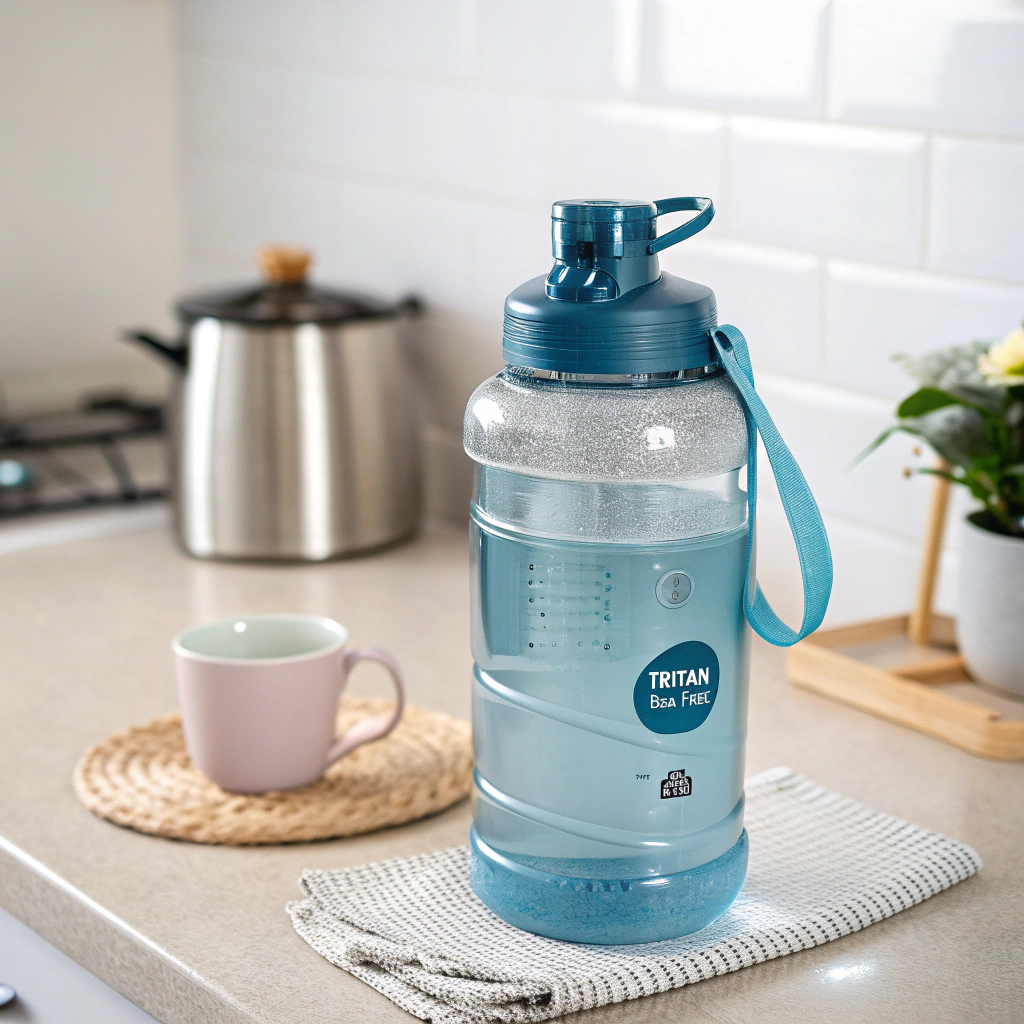
In my years of studying material production, I learned that the safety of a plastic container depends heavily on how you treat the material over time. Many people think that a “BPA-free” sticker means a bottle can handle any abuse, but rough scrubbing with wire brushes creates microscopic scratches inside the walls. These hidden crevices act like a sponge for mouth saliva, old sugars, and dangerous bacterial buildup. To maintain a healthy lifestyle, you need to understand the different types of plastics used in modern drinkware. Let us look at how common plastic materials compare in terms of safety and everyday usability.
Common Reusable Plastic Materials
- Tritan Copolyester: The premium standard for modern reusable drinkware. It is completely shatterproof, lightweight, glass-clear, and highly resistant to odor retention.
- Polypropylene (Number 5): A highly flexible and durable plastic used frequently for sports squeeze bottles and shaker cups because it handles daily impacts well.
- Polyethylene (PET or Number 1): Found in cheap, single-use grocery store bottles. It degrades rapidly after a single use and should never be refilled daily.
Let us look closely at how these common daily plastics rank across essential safety and durability metrics.
Plastic Material Type | Chemical Leaching Risk | Shatter Resistance | Best Daily Use Case |
|---|---|---|---|
Tritan Copolyester | Zero BPA or BPS Risk | Extremely High | Office work, school, and commuting |
Polypropylene (No. 5) | Low Risk | High (Flexible) | High-intensity gym workouts and sports |
PET Plastic (No. 1) | High Risk if Reused | Low (Crinkles) | Single-use emergency hydration only |
How to Avoid Microplastics in Bottled Water?
Are you alarmed by recent scientific reports showing that standard single-use bottled waters contain thousands of invisible plastic particles per liter? Ingesting these microscopic fragments feels incredibly unsettling when you are just trying to stay healthy.
You can avoid microplastics in bottled water by switching completely from single-use PET bottles to reusable stainless steel, glass, or certified Tritan containers. Filtering your home tap water with a sub-micron ceramic or hollow-fiber membrane filter removes existing microparticles before you fill your daily flask.
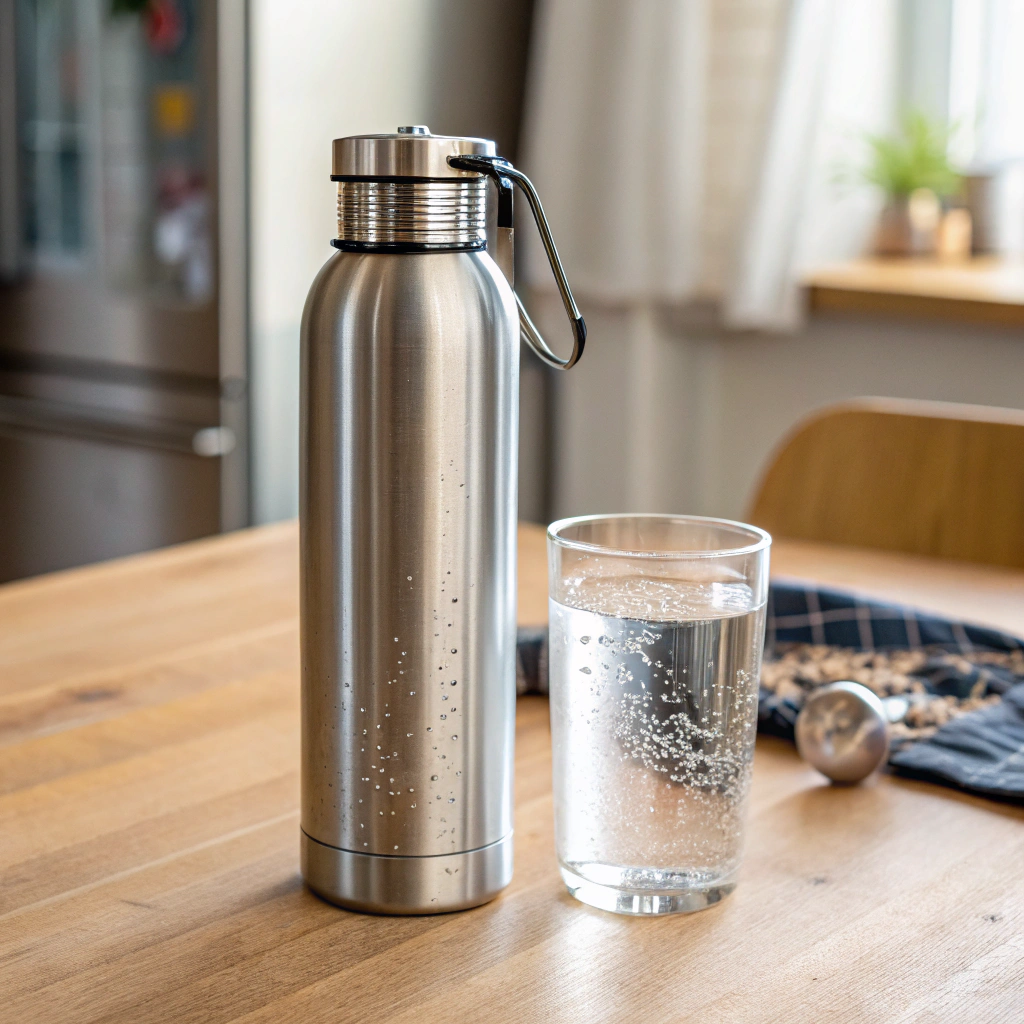
When analyzing factory production lines, I learned that the fast industrial bottling process is actually the primary cause of microplastic shedding. When a plastic cap is screwed tightly onto a PET bottle at high speed, the friction shears off thousands of microscopic and nanoscopic plastic fragments directly into the liquid. Furthermore, leaving plastic cases inside hot delivery trucks or sunny car trunks speeds up the physical breakdown of the packaging. By filtering your local tap water at home and carrying it in a durable reusable container, you protect your body from this massive exposure vector. Let us break down the most effective action steps to clean up your daily hydration routine.
Top Methods to Reduce Plastic Ingestion
- Use Point-of-Use Filters: Install a multi-stage ceramic filter at home that captures physical particles down to 0.2 microns in size.
- Avoid Heated Plastic: Never drink from a plastic container that has been sitting inside a hot vehicle or direct summer sunlight.
- Ditch Single-Use Caps: Stop purchasing standard grocery store water packs, as the plastic-on-plastic thread friction continuously generates nanoplastics.
Which Bottled Water Does Not Contain Microplastics?
Are you searching the supermarket shelves for a premium bottled water brand that can honestly guarantee zero microplastic contamination? Finding a truly clean commercial option feels almost impossible with modern plastic packaging.
No commercial bottled water packaged in standard PET plastic is completely free of microplastics. Recent lab data reveals that 93% of popular bottled waters contain plastic fragments, meaning the only true way to get microplastic-free water is utilizing home filtration inside glass or steel.
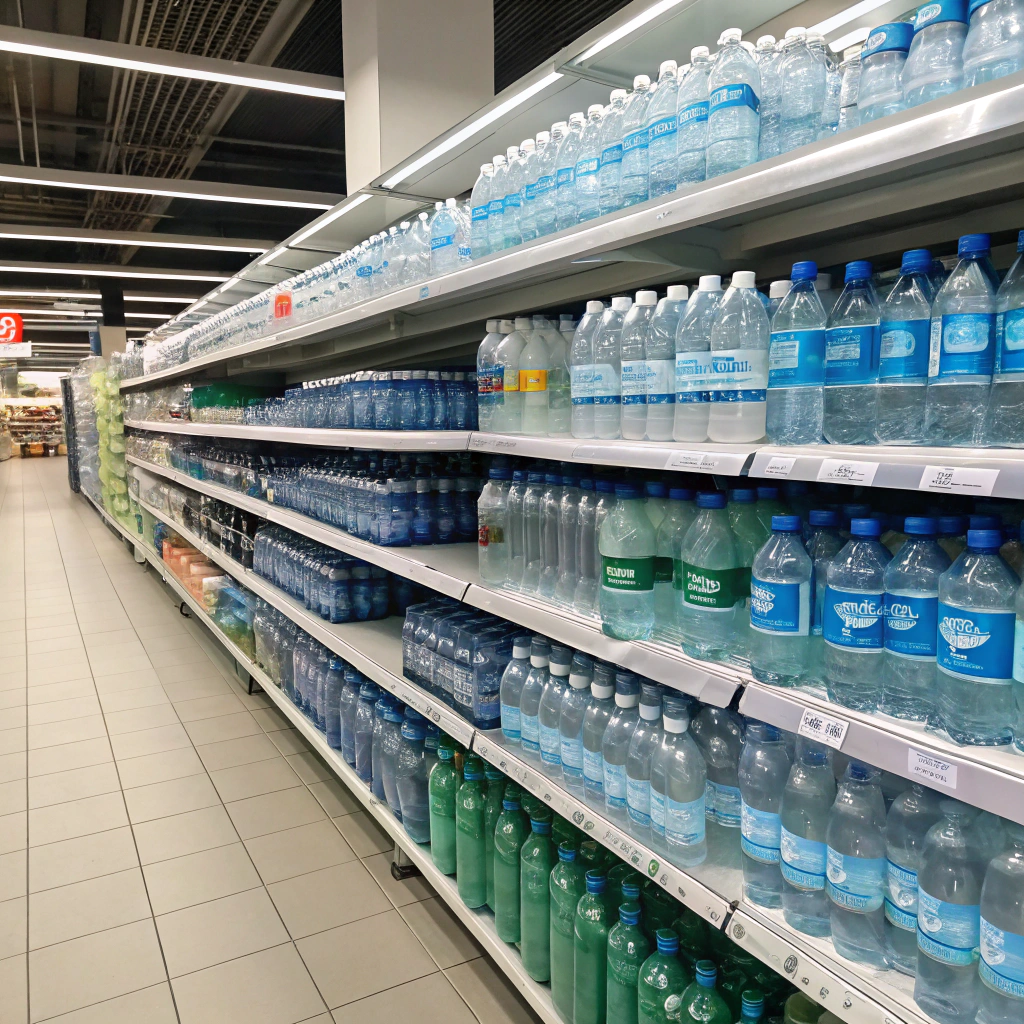
This is a reality that surprises many of our corporate clients at Latitude when we discuss environmental branding strategies. Even expensive mineral water brands sourced from pristine underground springs end up contaminated the exact moment they enter the high-speed factory bottling machinery. Interestingly, studies show that even commercial water in glass bottles can contain particles if the manufacturer uses plastic caps or reverse-osmosis plastic filters during production. Therefore, the most reliable water source is your own municipal tap water passed through a certified carbon and ceramic block filter at home. Let us evaluate how different water sourcing habits stack up against microplastic risks.
Water Sourcing Method | Average Particle Content | Primary Source of Contamination | Safety Recommendation |
|---|---|---|---|
Single-Use PET Bottle | Exceptionally High (~240,000/L) | Bottle walls, cap friction, and factory pumps | Use for emergency situations only |
Unfiltered Local Tap | Low to Moderate | Aging pipe infrastructure and atmospheric dust | Test your home water quality annually |
Ceramic Filtered Tap | Extremely Low (Near Zero) | None (Uses inert home carbon blocks) | Change your filter cartridges regularly |
Conclusion
Choosing the best plastic bottle for daily use requires selecting a certified BPA-free Tritan material, maintaining it with gentle hand washing, and filling it with home-filtered water to avoid microplastics successfully.