Jun 26, 2026News & Insights
How to Clean My Stainless Steel Water Bottle?
Clean your stainless steel bottle daily with soap and water, deep clean weekly with baking soda or vinegar, and air-dry it fully to prevent odors and bacteria.
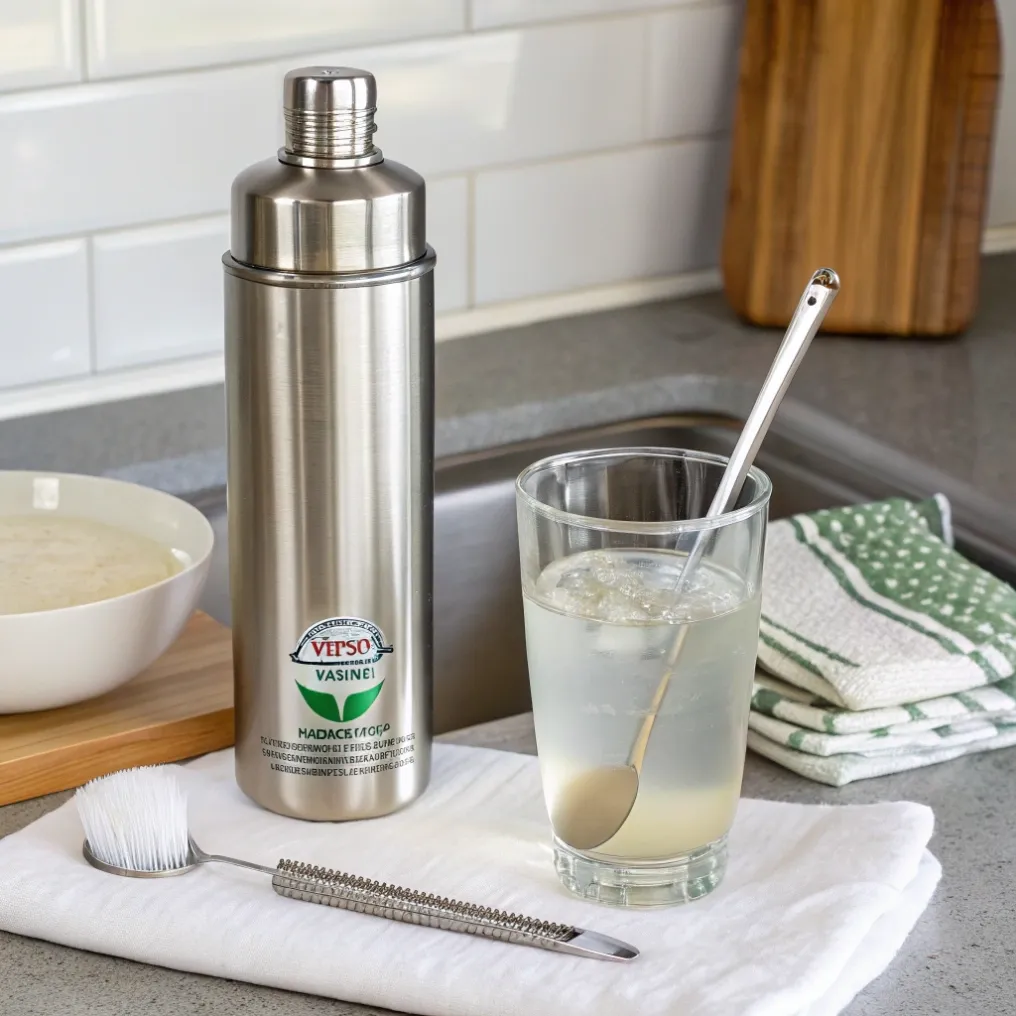
How to Clean My Stainless Steel Water Bottle?
Are you noticing a strange, metallic smell or an unpleasant stale taste every time you take a sip from your premium reusable flask? Simply rinsing your bottle under the tap for a few seconds does not actually kill the invisible bacteria multiplying inside.
You can clean your stainless steel water bottle thoroughly by washing it with warm water, mild dish soap, and a long-handled, soft-bristled bottle brush. For stubborn odors, fill the bottle with warm water and two tablespoons of baking soda, or soak the interior with a diluted white vinegar mixture overnight.
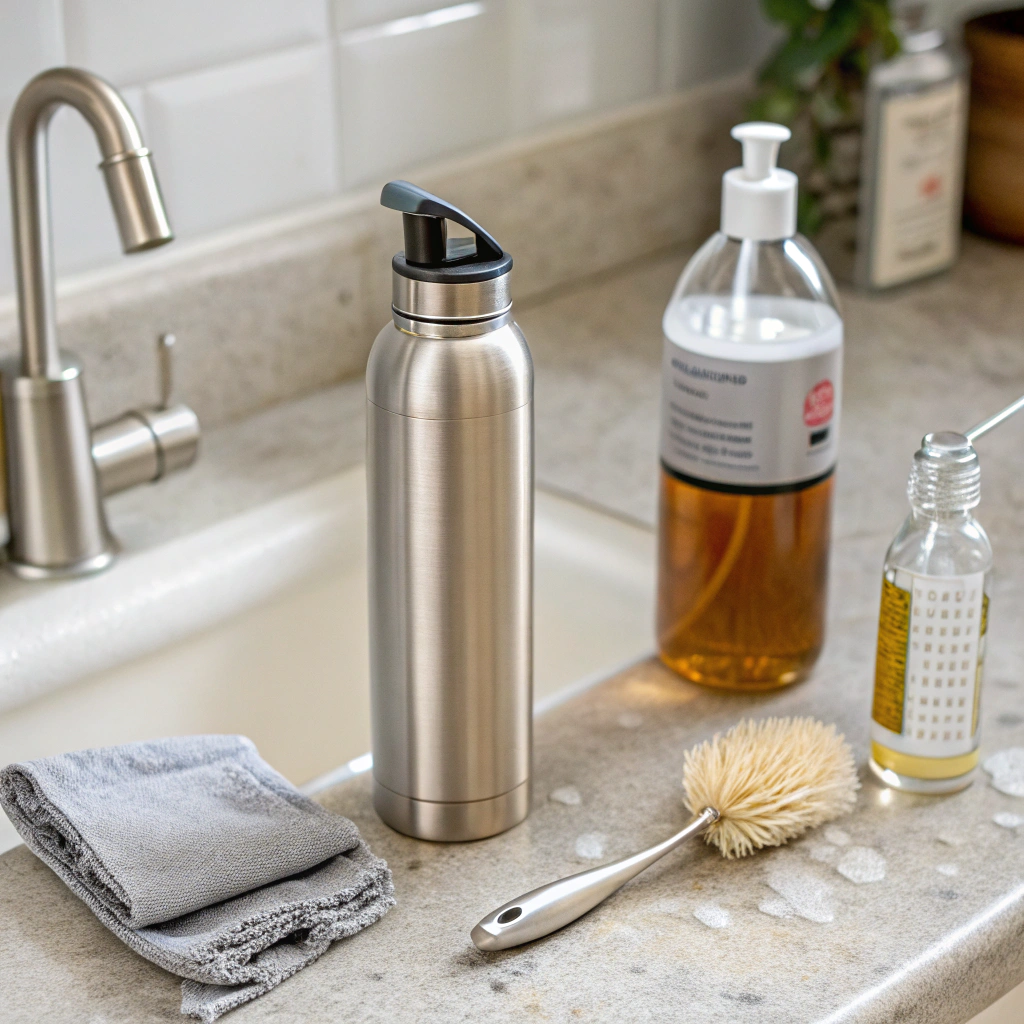
I spent years working on a busy printing factory floor, managing production lines and checking material durability specifications directly. That hands-on experience taught me exactly how metal surfaces behave and how industrial finishes react to different cleaning agents. Later, I established Latitude Experience Pte Ltd to help marketing managers select premium, long-lasting promotional lifestyle gifts that maintain their high-end look over time. I know that an unwashed travel bottle quickly becomes a breeding ground for germs and mold. Let us look at the best natural methods to keep your stainless steel flask completely fresh, safe, and hygienic for years.
What Can I Use to Clean My Stainless Steel Water Bottle?
Do you find yourself reaching for harsh chemical cleaners, industrial bleach, or rough wire sponges to scrub out deep coffee stains inside your travel mug? Using aggressive cleaning tools will ruin your premium drinkware permanently.
You can use mild dish soap, baking soda, white vinegar, or specialized effervescent cleaning tablets to clean your stainless steel water bottle safely. Always use soft nylon bottle brushes or microfiber sponges, and never use bleach or steel wool, which corrode the protective chromium oxide layer.
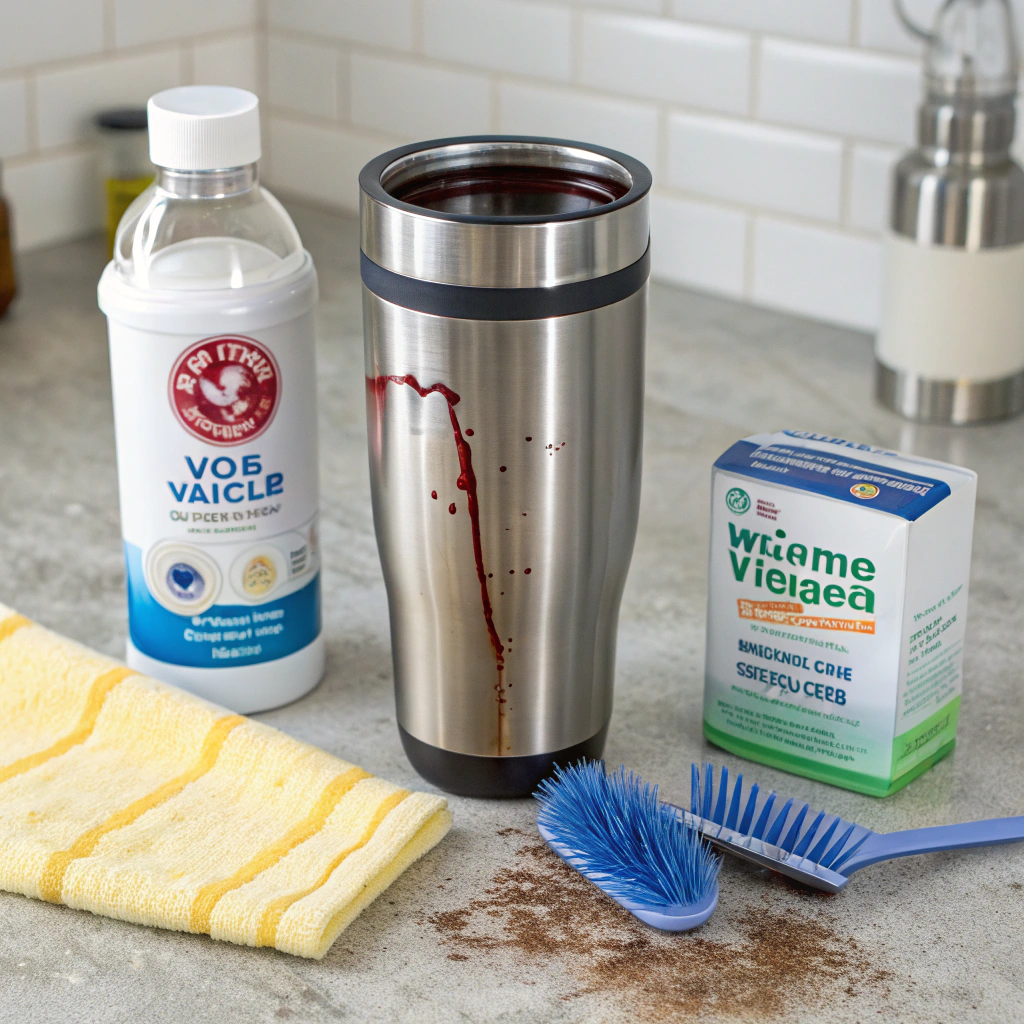
From my perspective, natural household ingredients are far superior to harsh chemical soaps when it comes to maintaining food-grade metal. Baking soda is mildly abrasive, making it exceptional for lifting stubborn tea stains and eliminating sour odors without scratching the smooth steel lining. White vinegar contains natural acetic acid, which dissolves hard water calcium scaling and breaks down invisible bacterial matrices effortlessly. When you clean your bottle, you must remember to pull apart the silicone rubber gaskets and small sealing rings hidden inside the lid. These damp, tight crevices trap saliva, lip balms, and moisture, making them the actual source of bad odors.
Safe Household Cleaning Agents
- Baking Soda Paste: Excellent for scrubbing away localized dark stains from coffee, tea, or sugary sports drink powders.
- White Vinegar Solution: A natural disinfectant that breaks down mineral scaling and sanitizes internal threads thoroughly.
- Warm Soapy Water: The reliable, everyday foundation for removing loose oils and fresh saliva after a long day of work.
Let us compare the safest natural cleaning agents against common destructive chemicals to protect your premium container.
Safe Cleaning Tool | Core Benefit for the Steel | Destructive Chemical | Why It Ruins the Bottle |
|---|---|---|---|
Baking Soda | Lifts odors and stains gently | Chlorine Bleach | Punctures and rusts the metal surface |
White Vinegar | Dissolves hard water lime scaling | Steel Wool Pads | Scratches the interior, trapping bacteria |
Nylon Bottle Brush | Cleans deep bottom corners safely | Harsh Metal Scrapers | Strips away the smooth protective finish |
How to Clean a Stainless Steel Water Bottle for the First Time?
Are you excited to start using your brand-new premium flask but wondering if you need to perform a special wash before your first sip? Skipping the initial cleaning phase can expose your body to lingering factory manufacturing residues.
You should clean a stainless steel water bottle for the first time by filling it with warm water and a tablespoon of dish soap, scrubbing the entire interior with a soft brush, and rinsing it thoroughly. Follow this up with a warm white vinegar soak for fifteen minutes to remove any remaining industrial oils or processing dust.
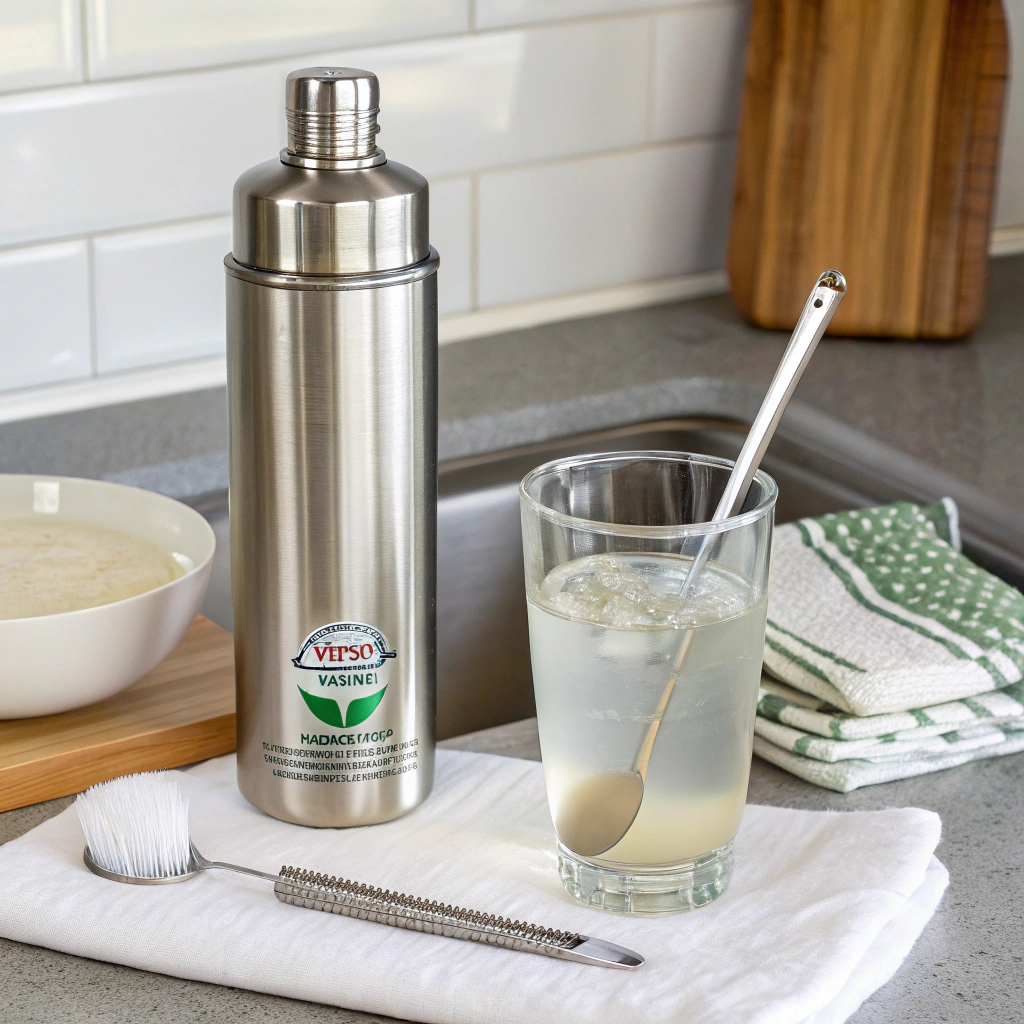
During my early days running manufacturing lines, I learned that every newly pressed metal product goes through intensive polishing, welding, and handling phases. Even though reputable brands sanitize their items before packaging, invisible traces of machine lubricants, protective metal dust, or outer packaging residues can remain on the smooth surface. Performing a structured first-time cleaning routine strips away these factory residues completely, ensuring your water tastes perfectly crisp and clean from day one. Let us break down a simple, effective multi-step roadmap to prepare your brand-new travel flask for daily use.
First-Time Cleaning Steps
- Step 1: The Soap Scrub: Fill the bottle halfway with warm water and liquid dish soap, then scrub the entire inner chamber and the screw threads with a soft nylon brush.
- Step 2: The Acid Rinse: Fill the container with a mixture of equal parts warm water and white vinegar, letting it sit for fifteen minutes to neutralize any hidden manufacturing odors.
- Step 3: The Air-Dry: Rinse the bottle completely under running tap water, then leave it upside down on a clean drying rack with the lid fully detached.
How Often Are You Supposed to Wash a Stainless Steel Water Bottle?
Do you go several days or even weeks without washing your travel bottle because it only holds clean, clear water? Assuming that clear water keeps a container clean is a huge mistake that compromises your personal health.
You are supposed to wash your stainless steel water bottle with soapy water every single day after use, and perform a deep baking soda or vinegar wash once a week. Daily washing is essential because bacteria from your mouth transfer onto the rim and multiply rapidly inside damp environments.
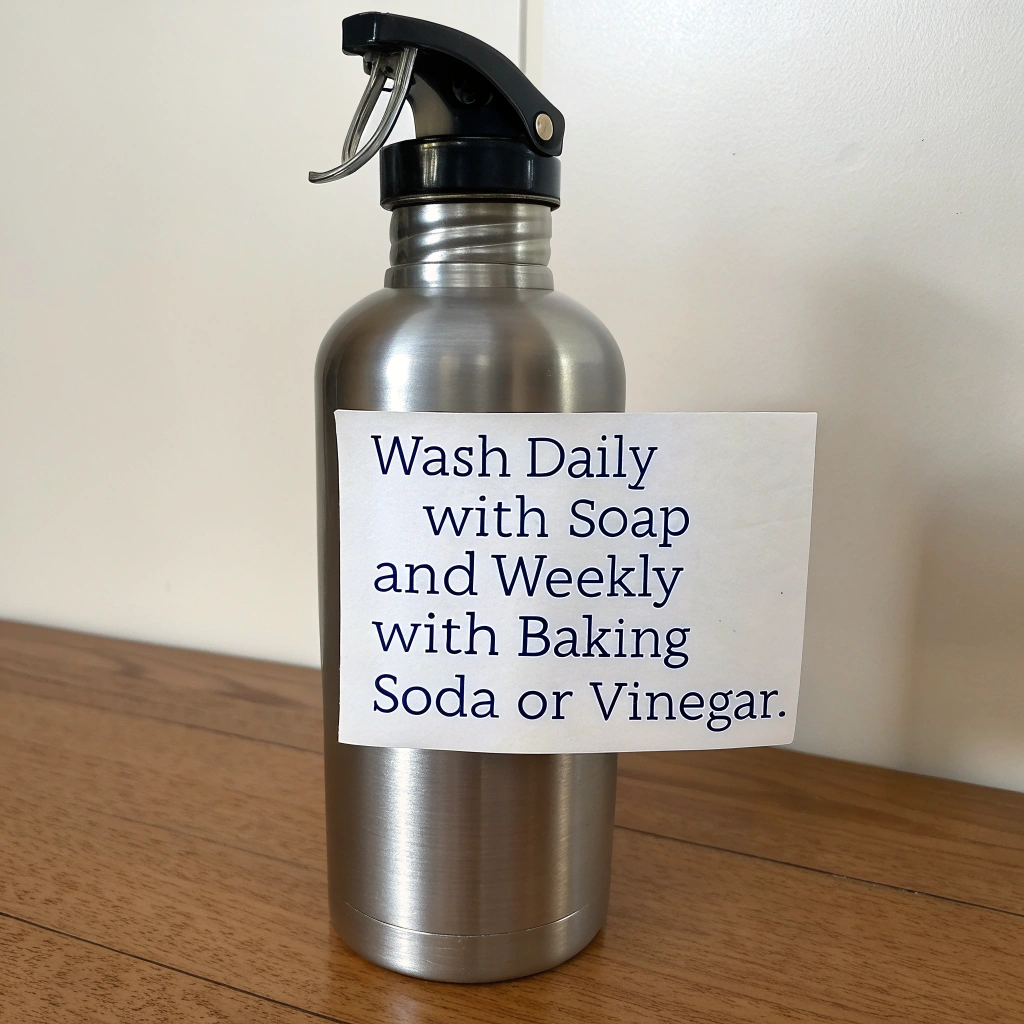
In the production and corporate gifting world, we look at product maintenance as a way to preserve long-term asset value. Every single time you take a drink, your lips transfer thousands of skin cells, mouth bacteria, and saliva enzymes straight onto the drinking spout. If you seal the lid and leave the damp bottle inside a dark backpack or a warm vehicle overnight, those microorganisms grow into a slimy, invisible layer called a biofilm. Washing your bottle daily keeps it perfectly hygienic, prevents mold from ruining the flexible silicone seals, and ensures your corporate gifts stay pristine for years. Let us organize a practical washing schedule to help you maintain your hydration gear effortlessly.
Maintenance Frequency | Required Cleaning Action | Targeted Areas | Core Lifestyle Benefit |
|---|---|---|---|
Every Single Day | Wash with warm water, mild dish soap, and a soft brush | Drinking spout, main rim, and internal walls | Kills fresh mouth bacteria and removes saliva |
Once a Week | Soak with a diluted white vinegar or baking soda solution | Screw threads, lid crevices, and rubber gaskets | Dissolves hard water minerals and deep odors |
Every Single Month | Remove silicone gaskets completely and scrub with a paste | Hidden lid channels and flexible sealing rings | Prevents black mold growth from trapping moisture |
Conclusion
Cleaning your stainless steel water bottle requires daily washing with mild dish soap, regular weekly baking soda or vinegar soaks, and letting the container air-dry completely with the lid off to maintain a fresh, odor-free hydration routine.