Jul 29, 2026News & Insights
How To Create Your Own Notebook Cover Effortlessly?
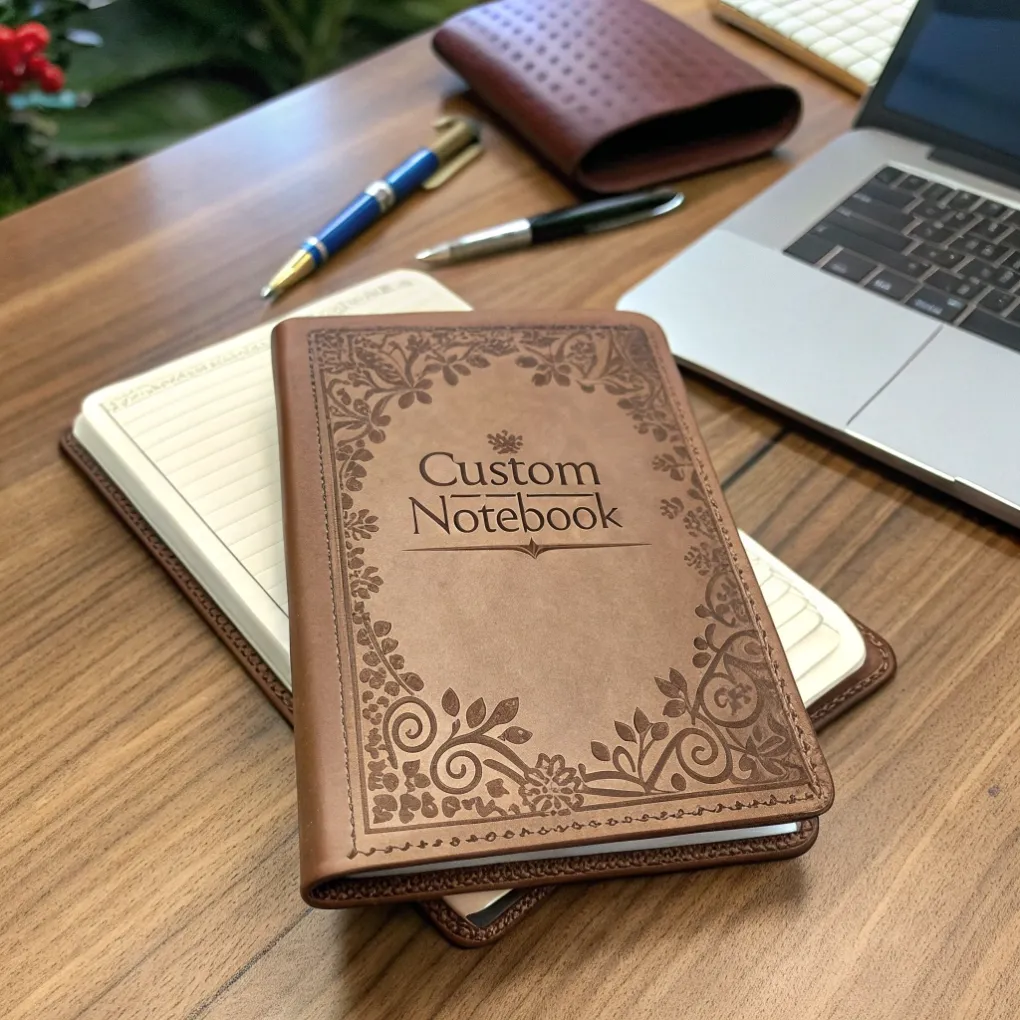
Creating your own notebook cover combines durable materials, minimalist design, and personalization to transform an ordinary journal into a stylish, practical, and inspiring daily companion.
How To Create Your Own Notebook Cover Effortlessly?
Are you tired of plain, boring notebooks that fail to inspire your daily work or writing? Using a generic journal makes taking notes feel like a dull chore instead of a creative habit. Creating your own custom notebook cover turns a simple pad into a personalized daily companion you love to use.
You can create your own notebook cover by choosing a durable base material like PU leather, heavy canvas, or thick cardstock, cutting it to match your notebook dimensions, and adding personalized designs through embossing, screen printing, or custom artwork.
I spent years on factory floors managing custom bookbinding, cover materials, and foil stamping before founding Latitude. I saw firsthand how a well-crafted cover transforms a simple stack of paper into a valued tool for ideas, plans, and creative growth. Keep reading to discover how to design and craft a notebook cover that fits your personal lifestyle.
How To Design Your Notebook Cover?
Starting a notebook design project without a plan often leads to messy layouts and wasted materials. You risk creating an overly cluttered cover that looks unappealing or wears out quickly. Following a structured design approach keeps your artwork clean, practical, and visually balanced.
To design your notebook cover, start by determining its main purpose, measuring page dimensions, choosing a color scheme, and placing subtle design elements like logos, custom artwork, or debossed initials. Focus on clean layout hierarchy to keep your cover looking sophisticated.
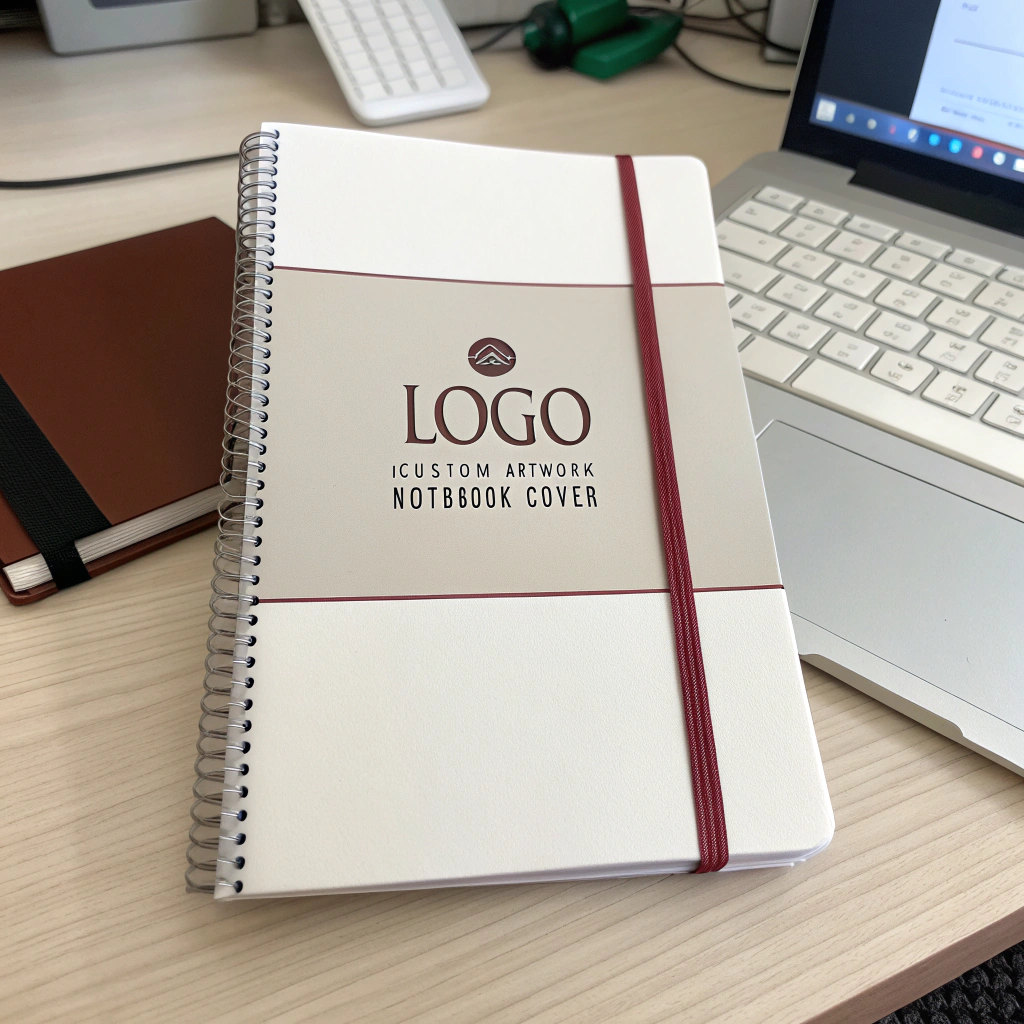
During my early production days in the printing industry, I evaluated thousands of custom book covers for corporate clients. I noticed that the most successful cover designs were always the simplest ones. Plastering massive logos across a cover makes it feel like an advertisement, whereas a subtle corner mark or elegant debossed pattern makes people want to carry it everywhere.
When designing your cover, remember to plan for functional details like spine thickness, fold margins, and corner rounding. Leaving clean space around your central artwork makes your notebook look professional and pleasant to touch every single day.
Essential Notebook Cover Layout Guidelines
Follow these core design principles to create a balanced, attractive notebook cover.
Design Element | Common Mistake | Recommended Best Practice |
|---|---|---|
Artwork Placement | Crowded, edge-to-edge artwork | Centered or subtle bottom-corner placement |
Color Choices | Clashing, overly bright colors | Harmonious neutral or deep jewel tones |
Spine Design | Text cut off along folds | Leave 5mm clearance on both spine edges |
Text & Fonts | Multiple complex typefaces | Limit to 1 or 2 clean, legible fonts |
Applying these basic layout guidelines ensures your custom notebook cover looks balanced and professionally produced.
What Material To Use For A Notebook Cover?
Picking the wrong cover material results in journals that tear, stain, or bend easily in your bag. Flimsy covers fail to protect your written notes, forcing you to replace notebooks frequently. Selecting the right material guarantees long-lasting durability and a luxury tactile feel.
The best materials to use for a notebook cover include synthetic PU leather, heavy cotton canvas, genuine leather, and thick kraft paper or cardstock. PU leather offers a water-resistant, premium feel at an affordable cost, making it the top choice for daily business journals.
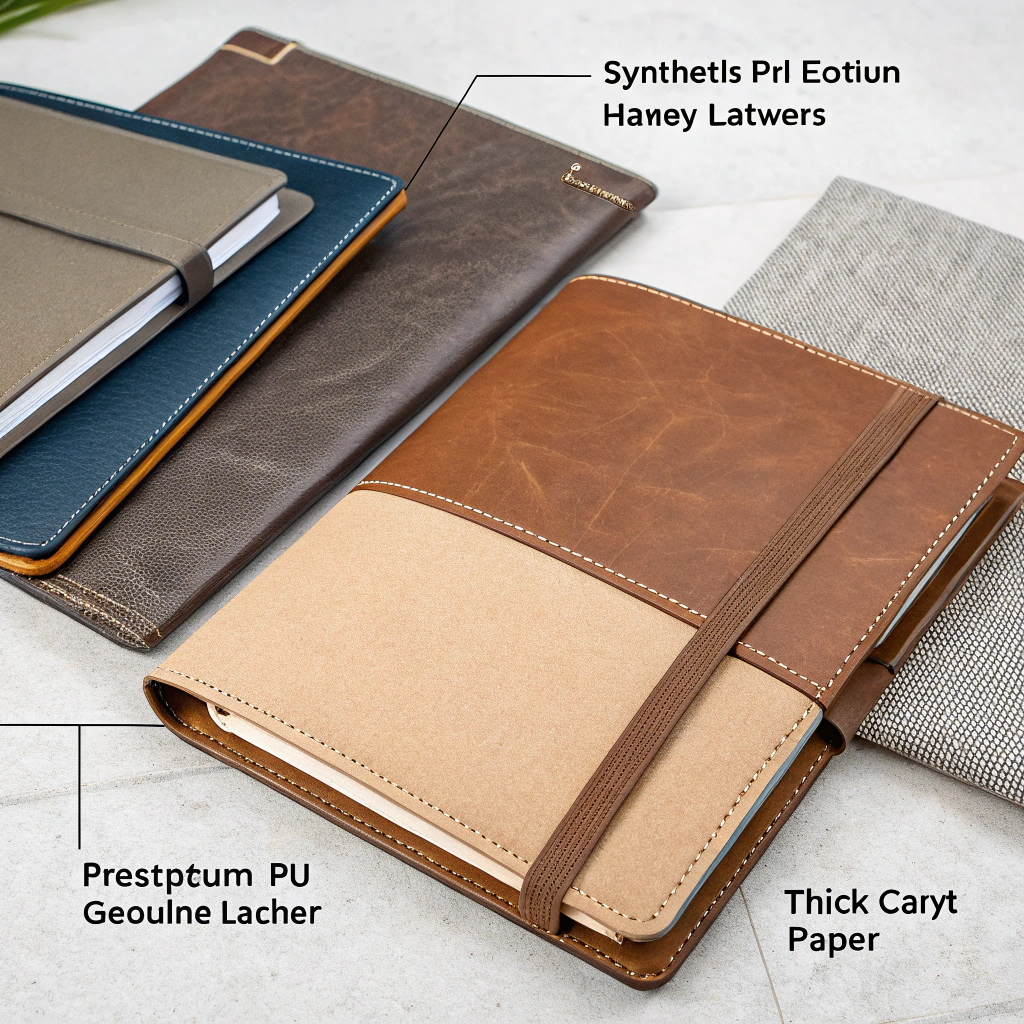
When consulting with clients at Latitude, material selection is always our most important discussion. A client once wanted thin, glossy paper covers for employee field notebooks; those covers tore after just two weeks of outdoor use. We helped them switch to heavy-duty PU leather with stitched edges, giving them durable covers that lasted for years.
Your choice of material should always reflect how and where you plan to use the notebook. If you need a sleek, wipeable cover for office meetings, choose PU leather. If you want an artistic, eco-friendly feel, heavy cotton canvas or recycled cardstock is an ideal choice.
Material Performance Comparison Matrix
Here is how common notebook cover materials compare in strength, feel, and practical maintenance.
Material Type | Water Resistance | Wear Durability | Tactile Feel |
|---|---|---|---|
PU Synthetic Leather | High | Very High | Soft, smooth, luxurious |
Cotton Canvas | Moderate | High | Textured, natural, warm |
Thick Cardstock / Kraft | Low | Moderate | Rigid, clean, eco-styled |
Genuine Leather | Moderate | Extremely High | Soft, rich, premium scent |
Choosing a high-performance base material keeps your written ideas safe and secure through months of daily commuting.
What Are Popular Notebook Cover Design Trends?
Sticking to outdated cover designs makes your stationery feel old-fashioned and boring. You want a notebook that reflects modern aesthetic choices and clean lifestyle trends. Exploring popular cover trends helps you create a stylish, contemporary journal.
Popular notebook cover design trends center around minimalist “quiet luxury” patterns, blind debossing, eco-friendly textures, pastel and earth-tone color palettes, and personalized monograms or inspirational typography.
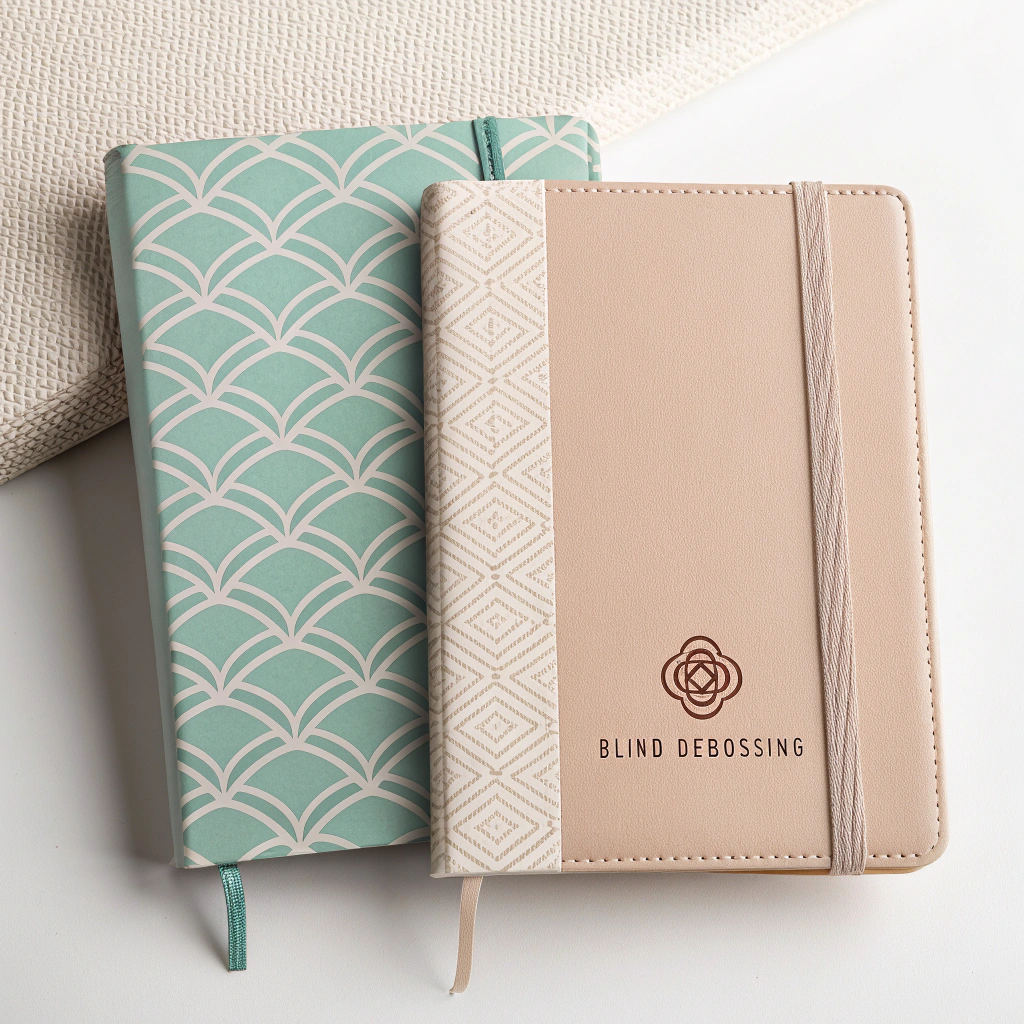
In recent years, I have seen a clear shift away from glossy, busy prints toward subtle, tactile finishes. People love matte soft-touch covers with blind debossing—a technique where designs are stamped into the material without foil or ink, creating a refined, raised 3D texture you can feel with your fingers.
Minimalist designs allow the natural texture of the cover material to shine through. Pairing clean earth tones like sage green, terracota, or navy blue with subtle metal corner protectors or elastic bands creates a timeless look that never goes out of fashion.
Top Trending Cover Features
Incorporate these popular design trends to make your notebook stand out effortlessly.
Design Trend | Key Visual Detail | Why Users Love It |
|---|---|---|
Blind Debossing | Stamped indentation with no ink | Elegant, tactile, low-key branding |
Earth-Tone Palettes | Sage, terracotta, sand, slate | Calming, natural, modern aesthetic |
Tactile Soft-Touch | Velvety matte finish | Extremely comfortable to hold |
Minimal Monograms | Small custom initials in corner | Highly personal without feeling loud |
Adopting these modern design trends ensures your custom notebook looks like a high-end designer lifestyle accessory.
Conclusion
Creating your own notebook cover requires choosing a durable base material like PU leather or canvas, applying clean minimalist design principles, and adding personal touches that turn an everyday writing pad into a cherished daily tool.