Sep 14, 2026Services Overview
How to Design a Quality Custom T-Shirt?
Learn how to design a quality custom T-shirt by choosing the right fabric, artwork, colors, printing method, and placement to create durable apparel with a professional and distinctive look.
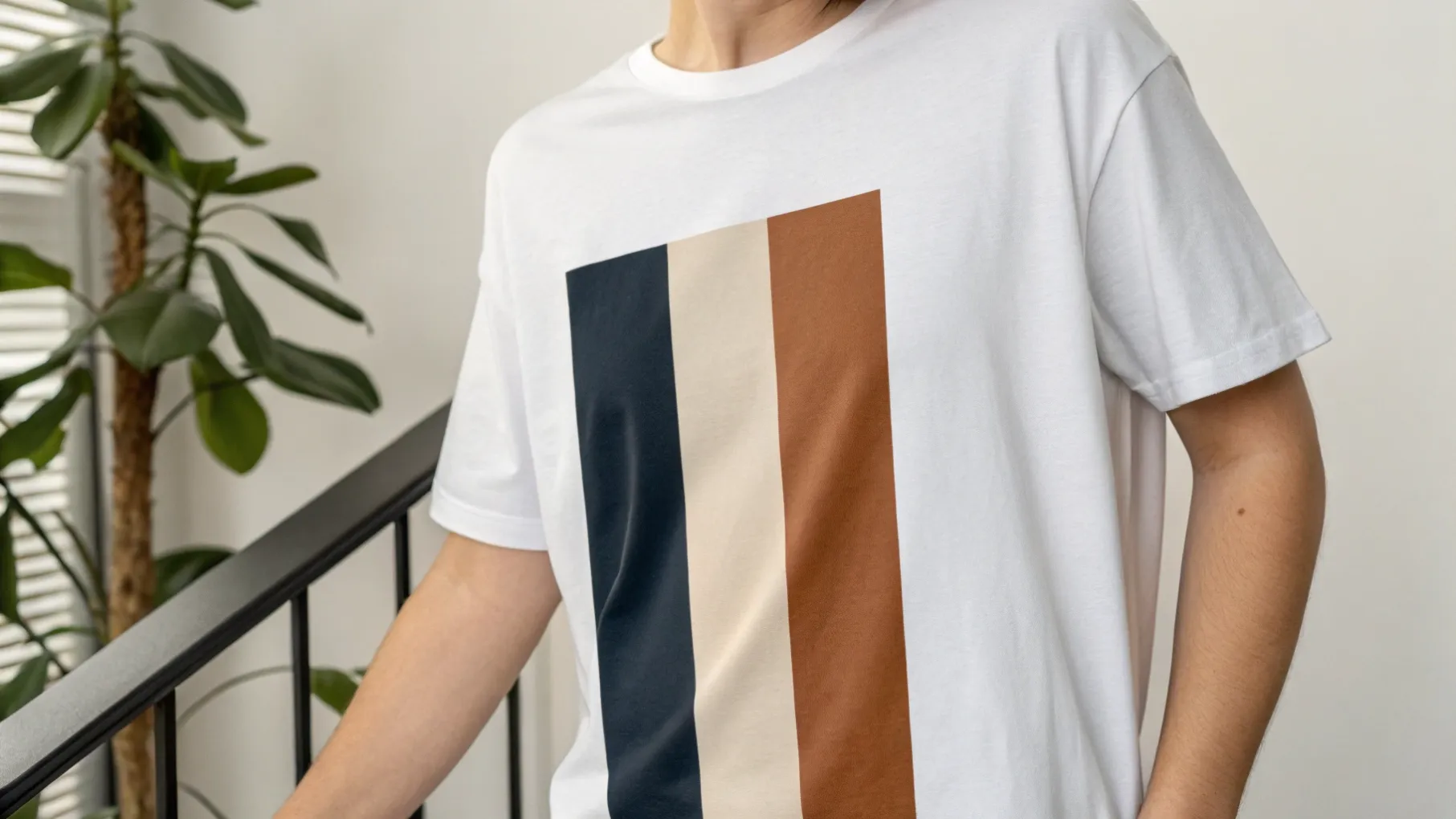
How to Design a Quality Custom T-Shirt?
Designing an attractive graphic on a computer screen often ends in disappointment on fabric. Flat monitor artwork ignores physical garment shape, fabric textures, and how real humans wear clothing.
A quality custom t-shirt requires balancing four core elements: human wearability, garment fabric quality, production-friendly artwork, and the right printing technique. Focus on readable typography, intentional color contrast, proper anatomical placement, and premium combed cotton blanks.
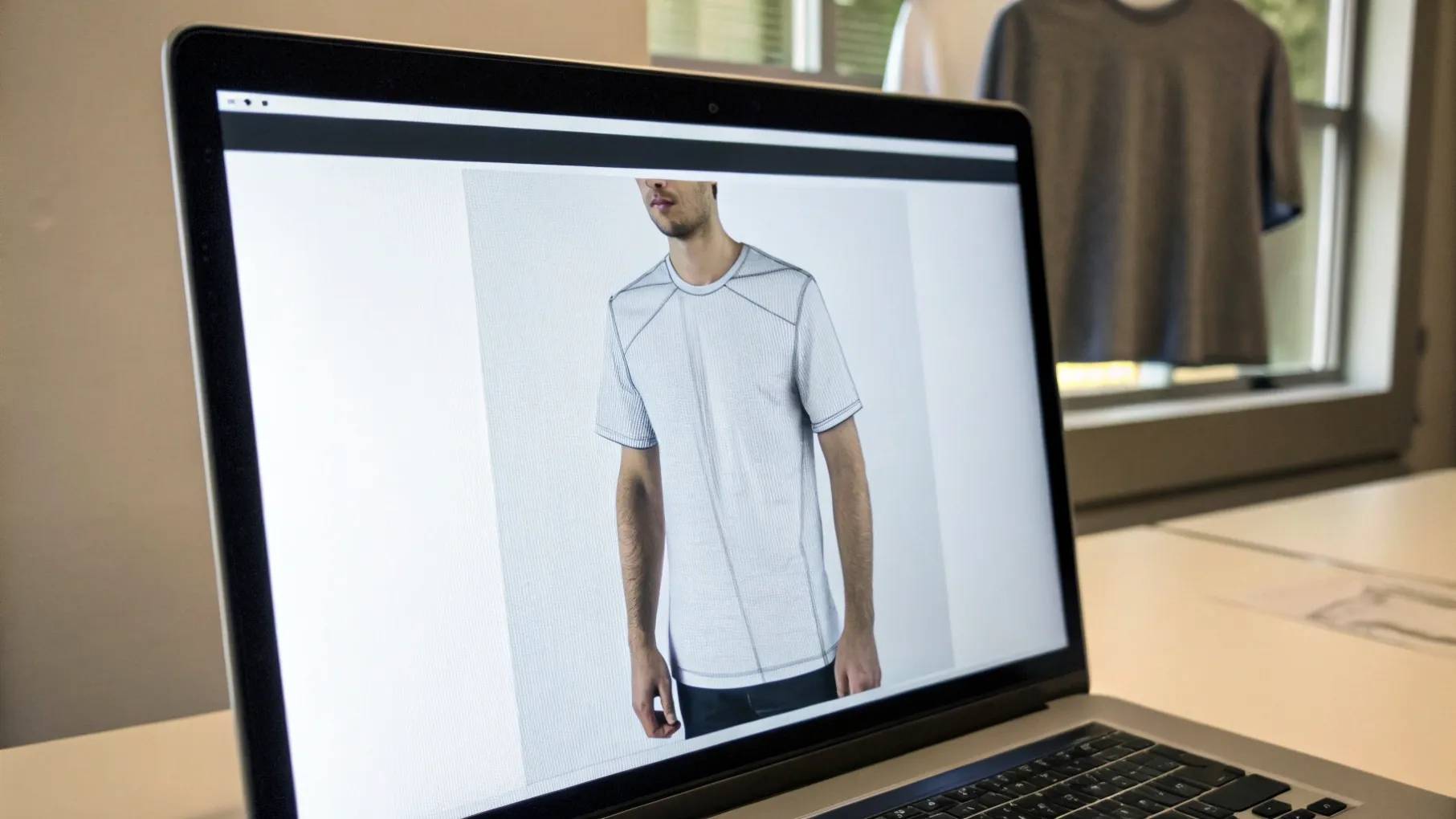
During my early printing factory days, I watched stunning digital artwork fail on the press because designers ignored the physical medium. If you want your shirts to stay in someone's regular wardrobe, you must design for the fabric from the start.
How to Make High Quality Custom Shirts?
Many brands print great illustrations on scratchy, ill-fitting blanks to cut production costs. The resulting shirts get worn once, washed, and relegated to cleaning rags.
High-quality custom shirts require premium combed ring-spun cotton or tri-blend fabrics, professional seam construction, appropriate ink techniques like soft-hand water-based discharge or sharp screen printing, and proportional artwork placement matched to garment size.
Harmonizing Fabric, Ink, and Placement
In my manufacturing career, I learned that the garment blank forms fifty percent of perceived design quality. A great print cannot save a scratchy carded cotton tee with twisted side seams. You need to consider fabric weight and fiber blend before finalizing your ink specifications. Heavy six-ounce cotton shirts suit rugged workwear, but they feel hot and stiff in Singapore's tropical climate. A lighter four-ounce combed ring-spun cotton blank feels soft against the skin and breathes easily throughout the day.
Next, match your ink technique to the fabric. Heavy plastisol ink creates an airtight plastic shield across the chest that traps sweat. Discharge or water-based inks soak directly into cotton fibers, leaving a breathable finish that clients love. Finally, calibrate print dimensions to garment size runs. A twelve-inch wide chest print looks balanced on an extra-large shirt, but it wraps awkwardly into the armpits of an extra-small shirt.
Garment Factor | Budget Grade | Premium Grade | Wearer Experience Impact |
|---|---|---|---|
Cotton Fiber | Carded open-end cotton | Combed ring-spun cotton | Eliminates scratchy feel and resists lint buildup |
Seam Construction | Tubular cut (no side seams) | Side-seamed tailored cut | Holds natural torso fit and avoids twisting after washing |
Ink Chemistry | Heavy standard plastisol | Soft-hand plastisol / water-based | Remains soft, flexible, and fully breathable in heat |
Weight Specification | Heavy uncombed (180+ GSM) | Lightweight combed (140–160 GSM) | Provides smooth drape and comfortable daily wear |
How Can I Create My Own T-Shirt Design?
Staring at a blank art canvas causes many creators to add excessive colors and complex details. That clutter weakens your message and makes industrial printing unnecessarily difficult.
Create your own t-shirt design by defining your concept, picking a clean color palette of one to three colors, selecting bold and readable typography, and setting print dimensions to scale on a life-sized garment mockup.
Step-by-Step Artwork Preparation for Garments
I always advise marketing managers like Jacky to start with the real user, not the brand guidelines manual. Your t-shirt has three seconds to communicate its message on a busy street. If your font is intricate or script-heavy, people passing by cannot read it. Select clean sans-serif or bold display fonts, and add adequate letter spacing to prevent ink bleeding on fabric.
Keep your color palette tight. The t-shirt fabric serves as your base background color. If you design for a navy shirt, use light cream or athletic gold ink to create high contrast. Avoid subtle tone-on-tone gray shades that disappear under natural sunlight. Most importantly, print your digital graphic onto plain paper at one-hundred percent scale. Tape that paper printout directly against your chest in front of a mirror. That quick physical check catches size and placement errors before your production run begins.
Design Element | Beginner Mistake | Professional Best Practice | Production Benefit |
|---|---|---|---|
Color Count | 6+ overlapping spot colors | 1–3 high-contrast colors | Lower screen setup costs and sharper prints |
Font Choice | Intricate, condensed script | Bold, readable display fonts | Instant legibility from several meters away |
File Resolution | 72 DPI web screenshots | 300 DPI vector files (AI, PDF) | Sharp vector lines without jagged pixel edges |
Print Placement | Centered on belly area | High chest (5–7 cm below collar) | Flattering anatomical placement on all bodies |
How Profitable Is a Custom T-Shirt Business?
Low barriers to entry draw thousands of aspiring entrepreneurs into online apparel sales every month. Many newcomers fail because they calculate gross product margins while ignoring return rates and advertising costs.
A custom t-shirt business typically yields net profit margins between 15% and 35% for bulk B2B corporate apparel orders, while direct-to-consumer print-on-demand brands often see tighter net margins between 10% and 20% due to customer acquisition costs.
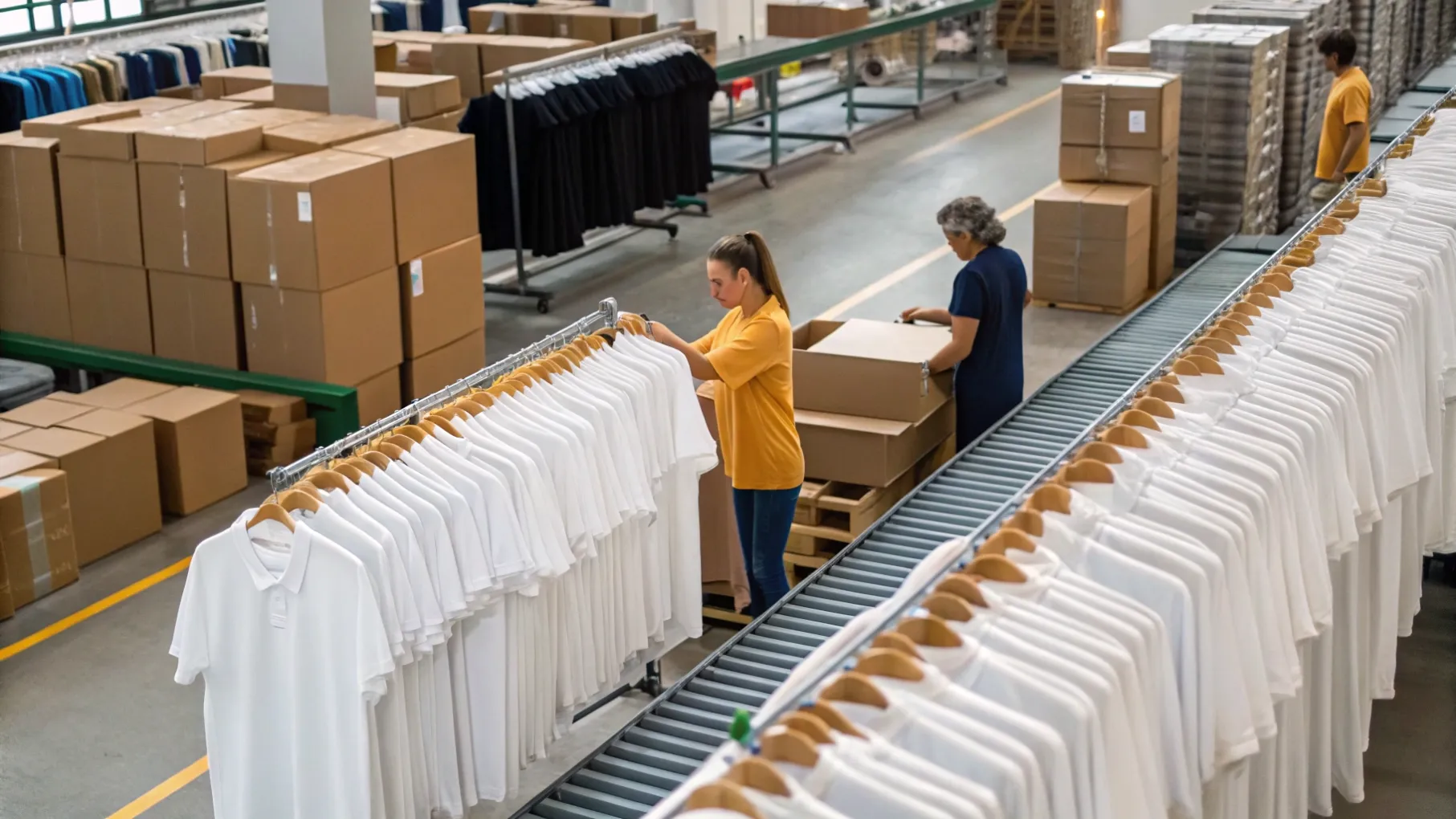
Understanding Margins, Volumes, and Operational Models
Profitability in custom apparel depends on your chosen business model. When I founded Latitude, I focused on business-to-business corporate merchandise because order volumes are predictable and payments are secure. In the B2B model, you secure bulk orders of one hundred to one thousand units per client. Your unit profit may sit at three to five dollars, but one single corporate order generates thousands in profit without marketing spend per piece.
In contrast, print-on-demand e-commerce sounds attractive because you hold no physical inventory. You upload a digital graphic and an external vendor prints each shirt upon sale. However, the print provider charges you thirteen to sixteen dollars for a single printed tee. If you sell that shirt for twenty-five dollars, you hold nine dollars in gross margin. Digital advertising costs on social media easily consume seven dollars per acquisition. That leaves you with razor-thin net profits and little protection against customer returns.
Business Model | Average Order Size | Gross Margin % | Net Margin % | Primary Business Risk |
|---|---|---|---|---|
Print-on-Demand (POD) | 1–2 Shirts | 30% – 45% | 10% – 18% | High customer acquisition and ad spend |
In-House Screen Printing | 50–500 Shirts | 50% – 70% | 25% – 40% | High equipment cost and factory overhead |
B2B Corporate Gifting Agency | 100–1,000+ Shirts | 35% – 50% | 20% – 35% | Supplier management and tight client deadlines |
High-End Boutique Brand | 20–100 Shirts per drop | 60% – 80% | 25% – 35% | Dead stock inventory and brand trend shifts |
Conclusion
A successful custom t-shirt blends comfortable fabric, readable design, and proper print techniques. Treat the garment as wearable apparel rather than a temporary promotional billboard.