Jul 15, 2026News & Insights
How to Keep a Water Bottle Cold and Usable Without a Fridge?
Keep water cold without a fridge using insulated bottles, evaporative cooling, and shade to maintain refreshing drinks during travel, work, or outdoor activities.
How to Keep a Water Bottle Cold and Usable Without a Fridge?
Are you tired of watching your refreshing morning water turn into a warm, unappealing liquid after spending just a couple of hours in the sweltering outdoor heat?
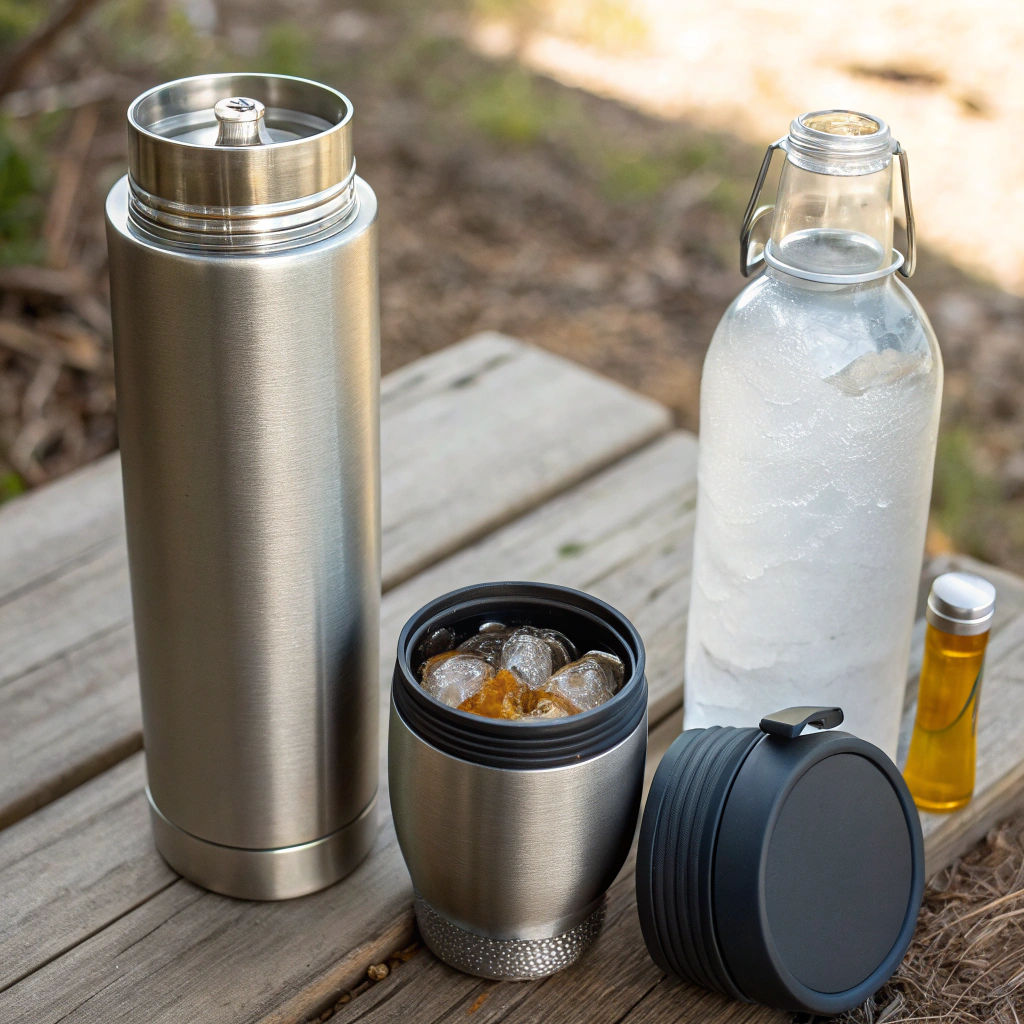
You can keep a water bottle cold without a fridge by combining pre-chilled liquids with a double-wall vacuum insulated stainless steel flask. This setup forms an absolute physical barrier that blocks outside environmental heat from warming up your drink.
I started my career working directly on a busy printing factory floor, managing industrial production runs and checking thermal cooling rates on heavy machinery under tight daily schedules. That hands-on manufacturing background taught me that stopping heat from moving is always much easier than trying to create cold air after a system has already warmed up. Later, I established Latitude Experience Pte Ltd to help forward-thinking branding managers select premium, highly functional corporate lifestyle gifts that deliver genuine daily utility. I know that staying hydrated in hot weather without a kitchen nearby can feel like an impossible challenge. Let us break down the exact thermodynamics, natural cooling tricks, and daily habits to keep your drinks crisp and refreshing all day long.
How to Keep a Water Bottle Cold Without a Fridge?
Do you find yourself working outdoors, traveling, or commuting without any access to a refrigerator to keep your daily water supply cold?
To keep your water bottle cold without a fridge, wrap the container in a wet towel or a damp cotton sock and place it in a breezy spot. As the moving air evaporates the water from the cloth, it draws heat away from the bottle.
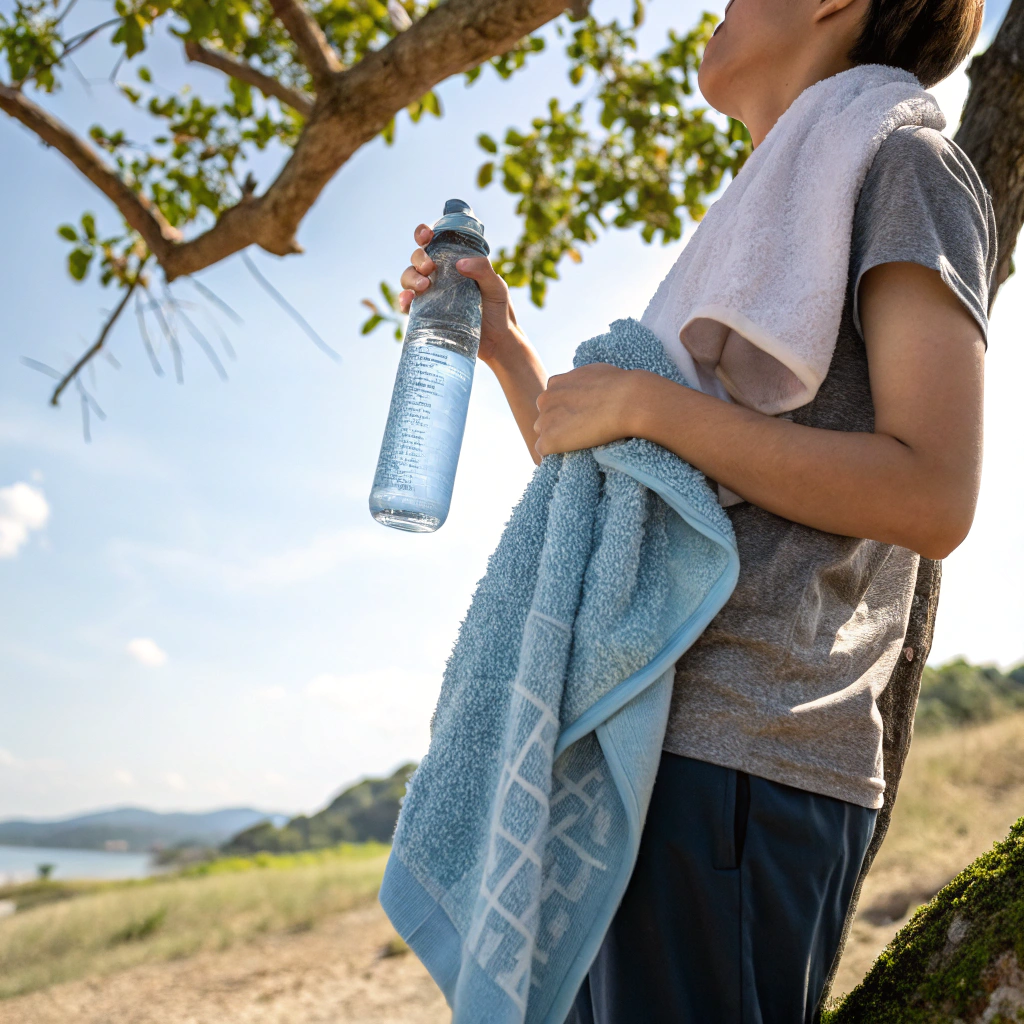
From my perspective, this simple evaporative method is one of the smartest natural cooling tricks ever created. It uses the exact same physical principle that your body uses to cool down through sweating. When moisture evaporates into the surrounding air, it must absorb thermal energy to make that physical change from liquid to gas. By wrapping a wet cloth tightly around your bottle and leaving it in the wind, the evaporating water continuously sucks heat out of the container walls. This simple trick can easily lower the temperature of your drink by several degrees without using a single watt of electrical power.
Let us compare the real-world cooling performance of different quick field methods for keeping drinks cold.
Natural Cooling Method | Temperature Drop Speed | Practical Portability | Best Everyday Use Case |
|---|---|---|---|
Wet Towel Evaporation | Moderate (Takes 20 to 30 minutes) | High (Requires only water and cloth) | Outdoor picnics, hikes, and campsites |
Shaded Soil Burial | Slow (Takes 45 to 60 minutes) | Low (Requires digging in damp earth) | Long-term wilderness survival setups |
Natural Stream Immersion | Fast (Takes 10 to 15 minutes) | Low (Requires a flowing water source) | Rest stops near mountain rivers |
Streamlining Outdoor Hydration
When Jacky sources premium corporate gifts for outdoor marketing events, I always remind him that practical accessories make a massive difference. Adding a simple neoprene sleeve with a clip allows users to hang their bottles in breezy spots, which speeds up natural evaporative cooling. Providing tools that solve real-world problems ensures your brand stays connected to positive, healthy experiences.
How to Keep Something Cold Without a Fridge or Cooler?
Are you struggling to keep fresh snacks, drinks, or medical supplies cool during a long outdoor event when you do not have a heavy cooler box?
You can keep items cold without a fridge or cooler by placing them inside a clay pot-in-pot refrigerator, also known as a Zeer pot. This setup uses wet sand between two clay pots to drive continuous evaporative cooling.
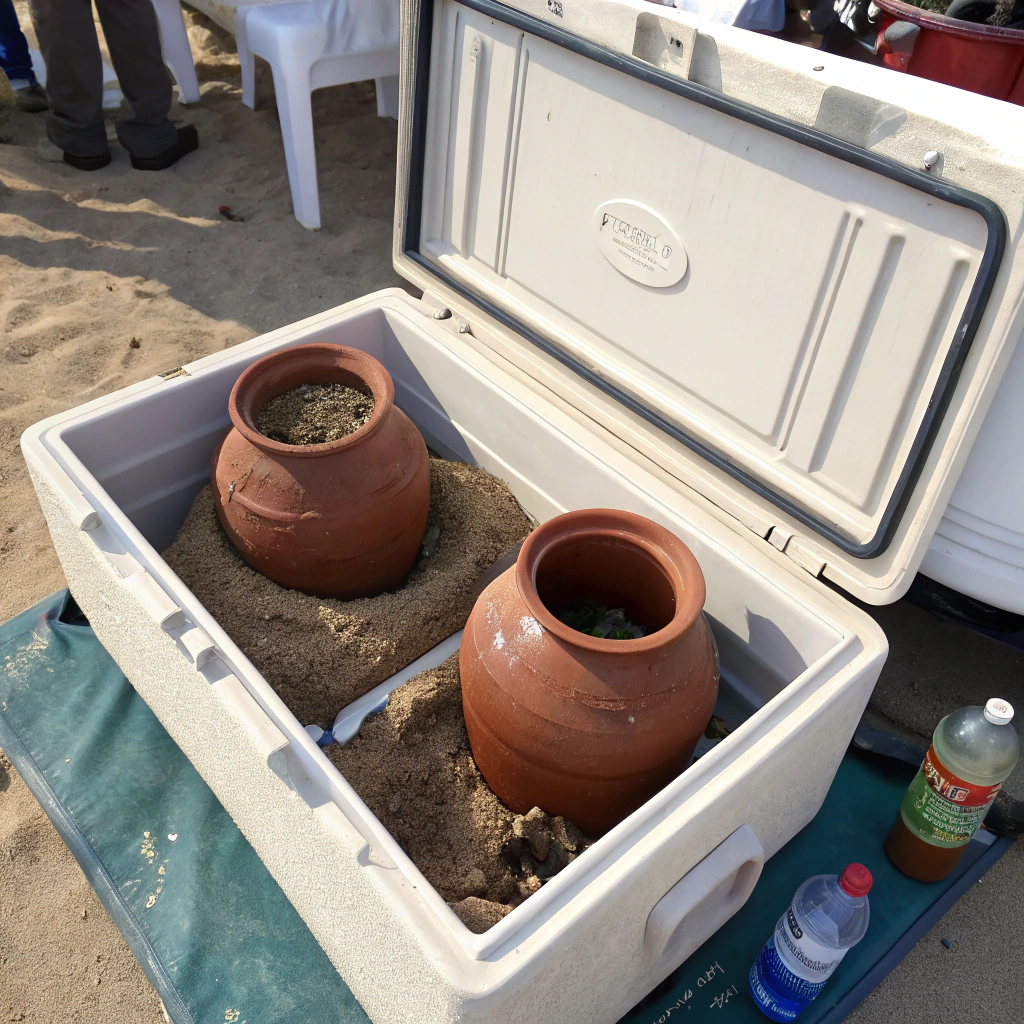
In my years of studying material properties and packaging designs, I have always loved simple, low-tech engineering solutions. The Zeer pot is a brilliant ancient invention that works perfectly in dry, hot climates. You simply place a smaller unglazed clay pot inside a larger one, fill the gap between them with wet sand, and cover the top with a damp cloth. As the dry air causes the water in the sand to evaporate through the porous outer clay walls, it pulls thermal energy out of the inner chamber. This natural cycle can keep the interior up to 15°C cooler than the hot outside air, making it an excellent way to preserve fresh produce and water.
Let us examine the thermal properties of different common materials to see how they manage heat.
Material Category | Thermal Conductivity Rate | Heat Management Behavior | Best Structural Purpose |
|---|---|---|---|
Unglazed Terracotta Clay | Low (Porous structure) | Allows water to seep and evaporate | Creates natural evaporative cooling systems |
Double-Wall Vacuum Steel | Extremely Low | Stops thermal energy transfer completely | Preserves pre-chilled temperatures for hours |
Single-Wall Aluminum | High (Transfers heat fast) | Equalizes with outside air quickly | Good for fast chilling in cold streams |
The Power of Smart Preparation
When working on the factory printing floor, we faced intense heat from the heavy machinery, which made keeping our water cold a major daily task. We learned that thermal management is all about slowing down heat transfer. If you do not have a fridge, your best defense is preparing your items ahead of time. Chilling your water with ice before you leave home, storing your bottle inside an insulated backpack, and wrapping it in dry spare clothes will keep your drinks refreshingly cold for hours by trapping that initial chill.
What Can I Use If I Don’t Have a Fridge?
Are you setting up a temporary workspace, off-grid campsite, or outdoor display and need a reliable way to keep your beverages cold without electricity?
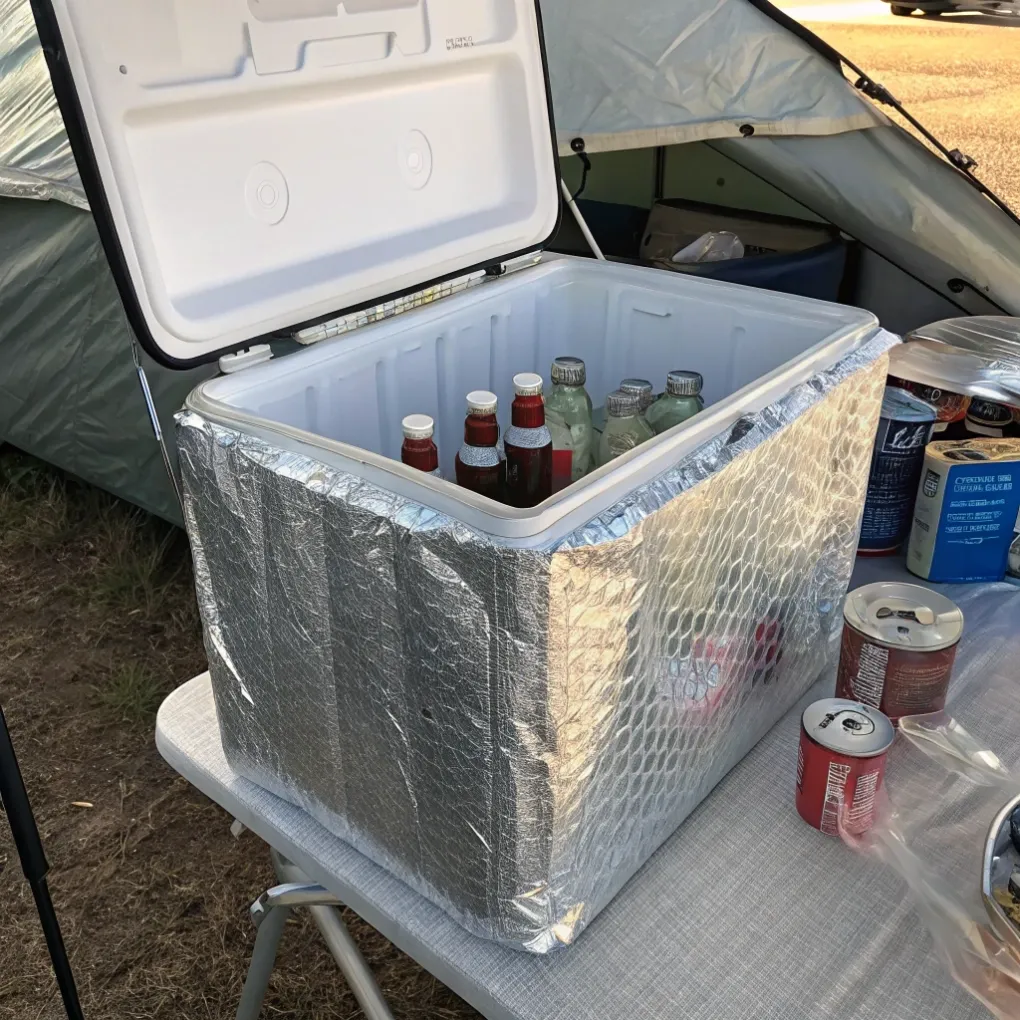
You can use a simple thermal barrier wrap made from bubble wrap and aluminum foil if you do not have a fridge. The foil reflects outside radiant heat, while the tiny air pockets in the bubble wrap block heat conduction.
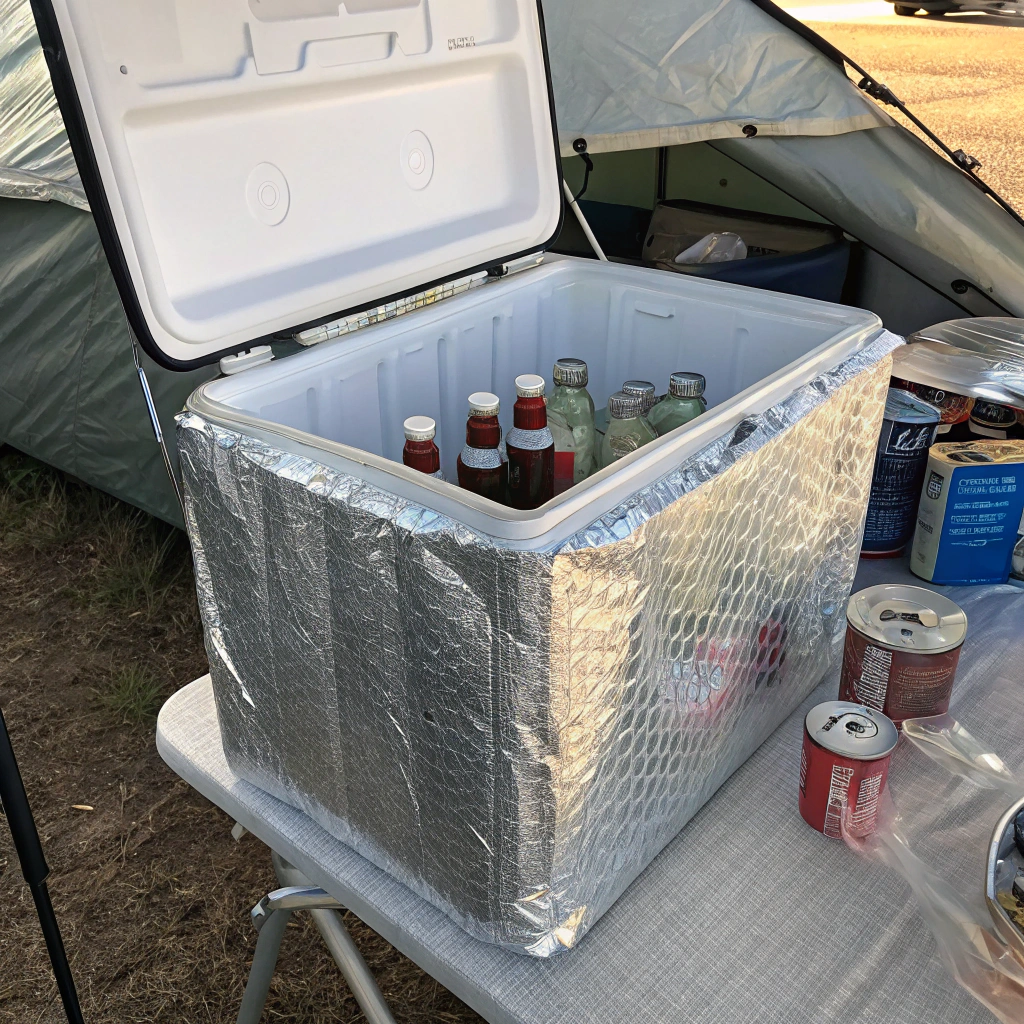
When managing custom manufacturing runs on our factory printing lines, I realized that simple, inexpensive materials can perform incredibly well if you apply basic physics. Shiny aluminum foil is highly effective at reflecting radiant heat waves from the sun. When you pair this reflective face with a layer of bubble wrap, the trapped pockets of still air block heat from traveling through physical contact. This DIY insulation blanket is lightweight, incredibly cheap, and can be wrapped around water bottles or food containers to keep them cold for hours when you are far away from power outlets.
Let us look at a step-by-step routine for keeping your drinks cold on a hot day without any power.
Timeline of Action | Preparation Step | Common Mistake to Avoid | Resulting Cooling Benefit |
|---|---|---|---|
Before Leaving Home | Fill your bottle with plenty of solid ice | Using small crushed ice that melts fast | Creates a deep reservoir of cooling energy |
During Transit | Wrap the bottle in a DIY foil jacket | Leaving the reflective side facing inward | Blocks hot radiant heat from entering |
At the Outdoor Site | Store the container in deep shade | Leaving the bottle in direct sunlight | Prevents solar heat from warming the steel |
Building Sustainable Habits
Making the switch to low-tech, non-electric cooling methods is an excellent way to reduce your daily carbon footprint. Instead of running noisy, power-hungry portable mini-fridges at outdoor booths, using smart thermal wraps and natural evaporation keeps things simple and efficient. This focus on practical, energy-free design is exactly how we help modern businesses create thoughtful, sustainable branding campaigns that connect with eco-conscious clients.
Conclusion
Keeping a water bottle cold without a fridge requires using double-wall vacuum insulated bottles, wrapping them in damp cloths for natural evaporative cooling, and shielding them from direct sunlight.