Jul 20, 2026News & Insights
How to Know If This Is Genuine Leather?
Identify genuine leather by checking natural grain, scent, texture, and labels. Avoid synthetic symbols and choose full-grain leather for lasting quality, durability, and premium value.
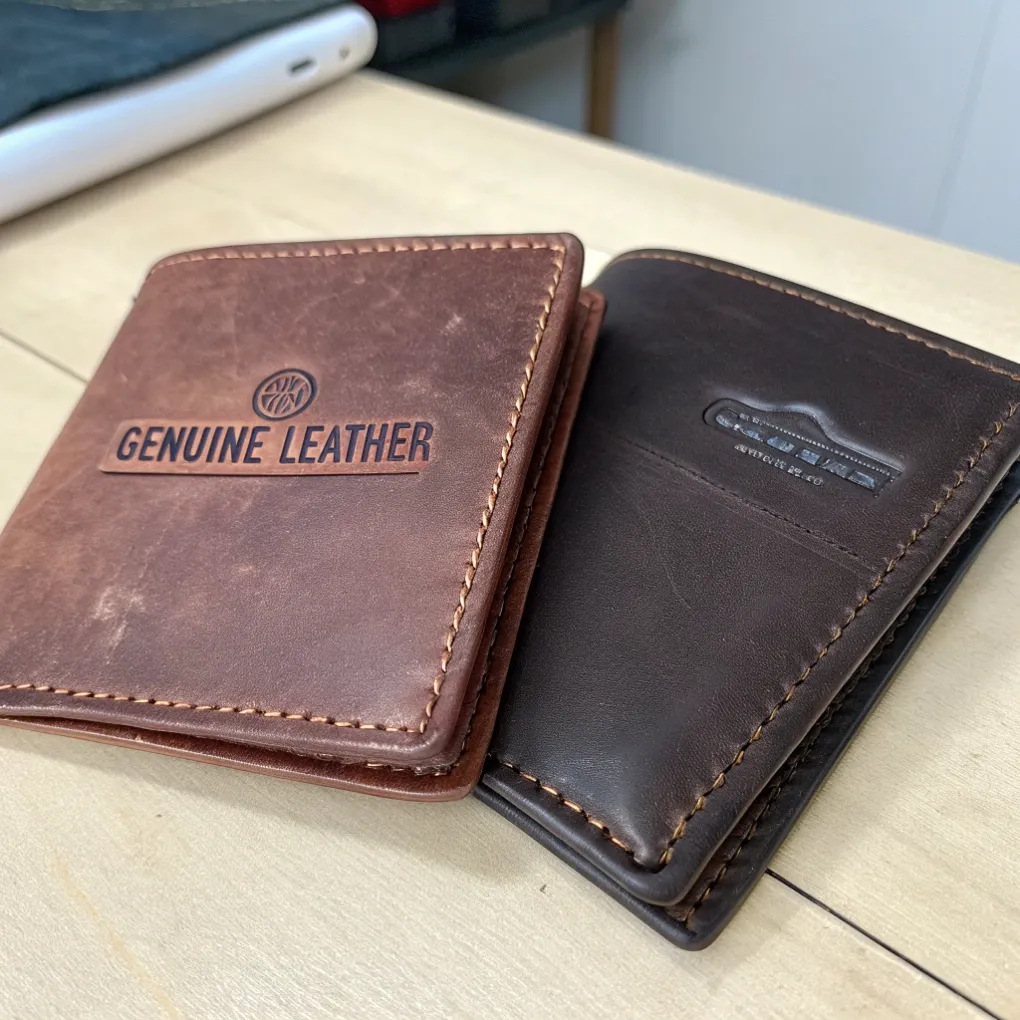
How to Know If This Is Genuine Leather?
Are you terrified of spending your hard-earned money on a premium leather wallet, bag, or belt only to find out that the material is cheap synthetic plastic?
You can tell if a product is made of real leather by looking for natural, irregular grain patterns, touching the surface to feel for body heat warmth, and checking for a rich, earthy scent instead of a chemical smell.
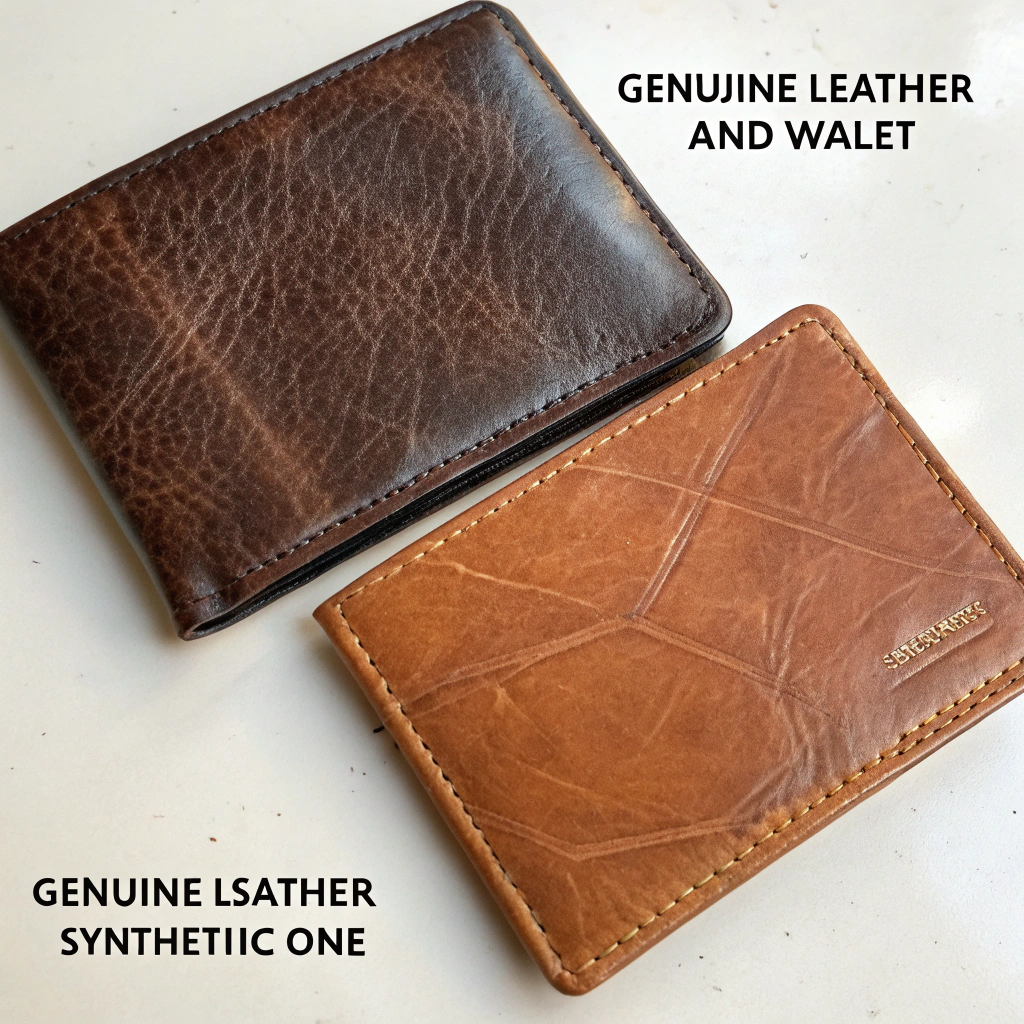
I started my career working directly on a busy printing factory floor, managing industrial production runs and checking material textures under tight daily schedules. That hands-on manufacturing background taught me that synthetic polymers and natural materials behave in vastly different ways when you inspect them closely under bright factory lights. Later, I established Latitude Experience Pte Ltd to help corporate branding managers move away from cheap, disposable items and select premium, high-utility gifts instead. I know that navigating the confusing terms used in the leather industry can feel highly intimidating. Let us break down the exact tests, material symbols, and quality grades to help you identify authentic, long-lasting leather products successfully.
What Is the Symbol for Fake Leather?
Are you worried that you might miss a hidden warning sign or a tricky, confusing label on a product tag while shopping for high-end corporate gifts?
The primary symbol for fake leather is an open diamond outline, which is the international icon used on footwear and material tags to represent synthetic man-made fabrics, vinyl, and polyurethane coatings.
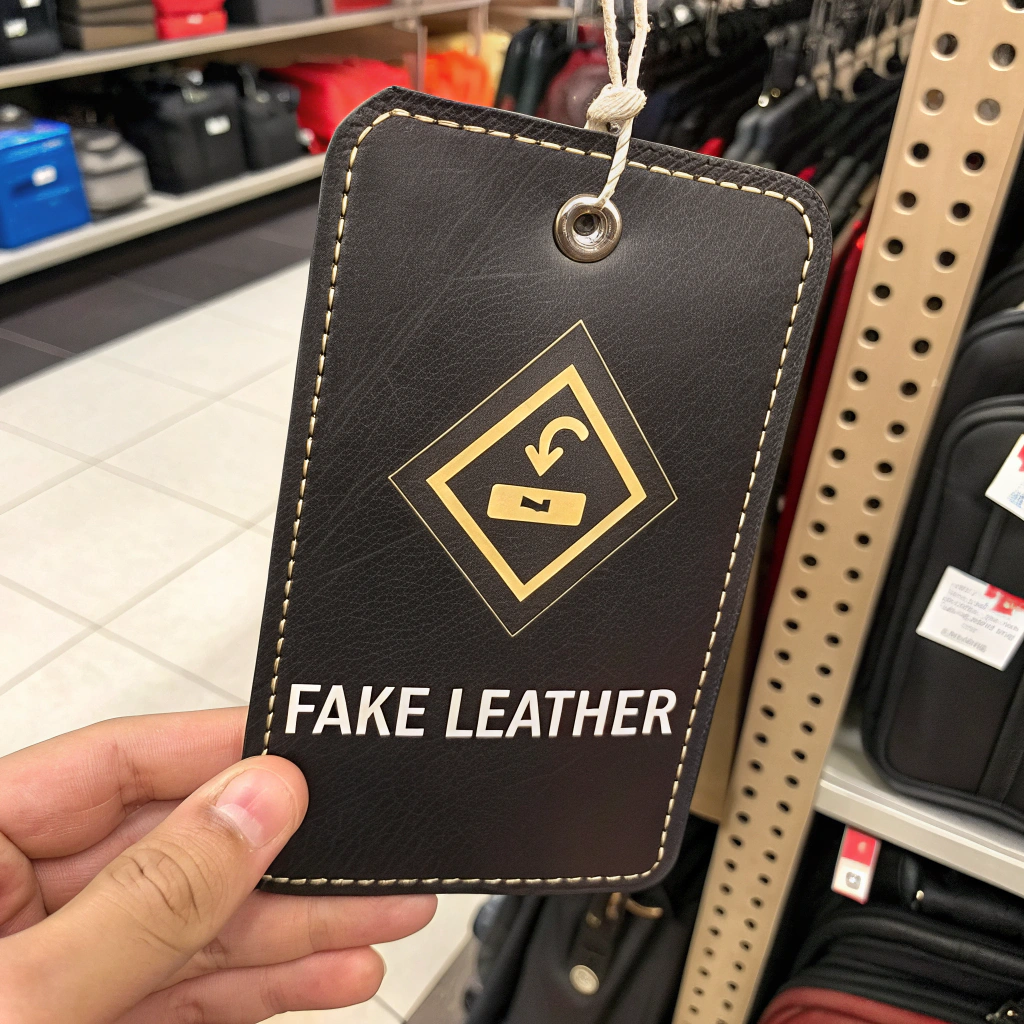
From my perspective, checking the physical material tag is the fastest way to protect your budget from deceptive marketing campaigns. In many international retail markets, manufacturers must print a small material composition chart directly onto an inner label or stamp it onto the underside of the product. While real leather is represented by a detailed, organic hide outline symbol, synthetic materials are marked with an abstract, four-sided diamond grid. If you see this diamond icon on a product tag, the item is constructed from man-made chemicals like polyvinyl chloride or polyurethane, regardless of how convincing the outer faux-leather grain looks to your bare eyes.
Let us compare the official material symbols and their industrial meanings to keep your next purchase completely safe.
Material Group Name | Official Graphic Symbol | Primary Chemical Base | Long-Term Product Behavior |
|---|---|---|---|
Authentic Animal Hide | Detailed stretched skin outline | Natural collagen protein fibers | Develops a rich, beautiful patina over time |
Coated Textile / Faux | Open diamond outline | Polyurethane (PU) or Vinyl (PVC) | Peels, cracks, and flakes within a few years |
Woven Natural Fiber | Box grid or cotton ball icon | Plant cotton, hemp, or flax | Highly breathable but absorbs stains quickly |
Helping Buyers Make Smart Choices
When Jacky sources premium corporate gifts for our clients, I always tell him to check the tiny physical tags first. A gift that peels or cracks after a few months of light use ruins your brand image and makes your company look incredibly cheap. Selecting items that carry the official hide symbol guarantees your recipients receive a durable, high-quality accessory that they will proudly use for years.
Does 100% Genuine Leather Mean Real Leather?
Are you assuming that any product stamped with a “Genuine Leather” logo represents the absolute peak of luxury and top-tier durability?
While “100% genuine leather” does mean the material is real animal hide, it actually represents one of the lowest-quality grades of real leather, made from the leftover bottom layers of the skin split during processing.
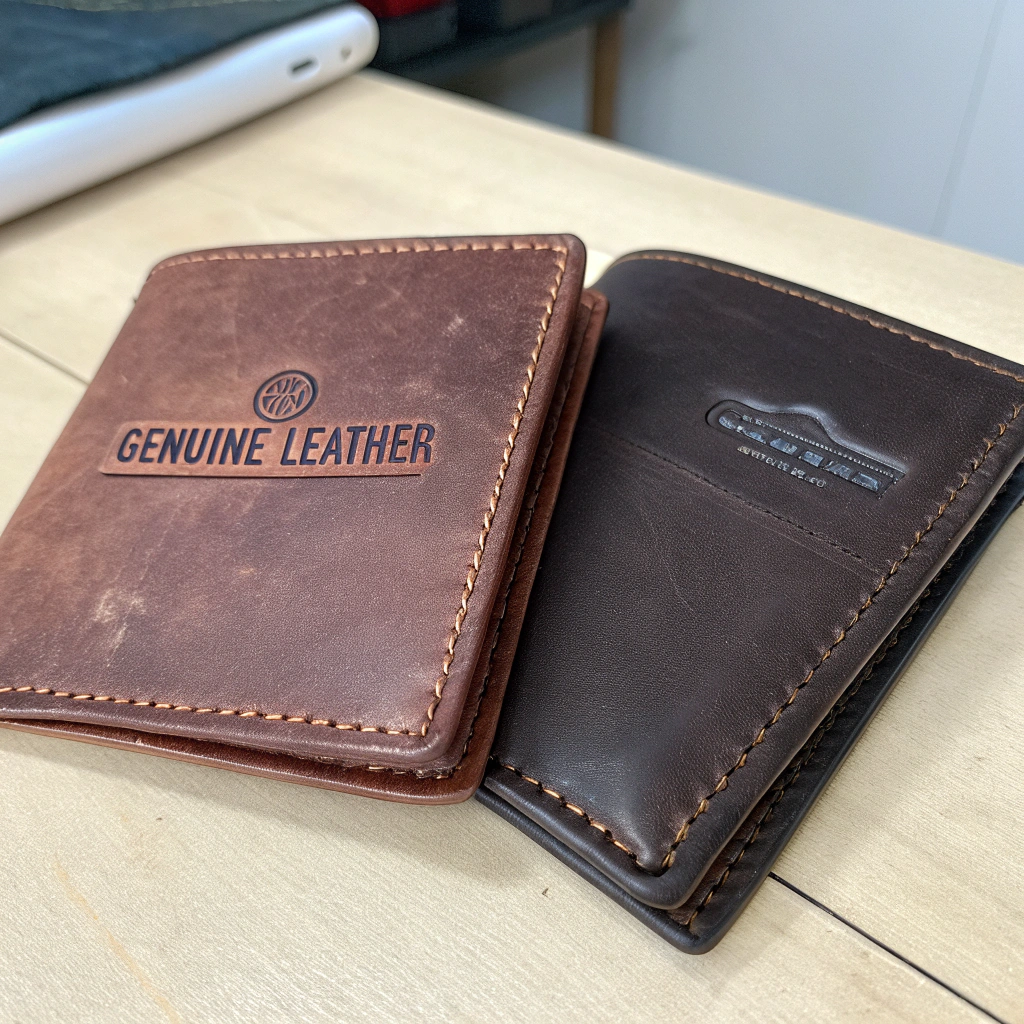
In my years of studying material safety and custom manufacturing quality control, I have learned that words are often used to hide cheap material limits. The processed skin of an animal is highly thick, so factories split it horizontally into several distinct sheets. The premium top layer—known as full-grain leather—keeps the dense, natural fiber patterns that make the material incredibly tough and water-resistant. “Genuine leather” is made from the weaker, fuzzy bottom split layers that remain. To make this cheap layer look like premium leather, factories must buff the surface smooth, spray paint a fake grain pattern onto the top, and apply a heavy plastic coating, which makes the product wear out quickly.
Let us break down the official industry hierarchy of leather grades to show you exactly what you are paying for.
Leather Quality Grade | Hide Layer Used | Material Surface Detail | Lifetime Durability Rating |
|---|---|---|---|
Full-Grain Leather | Toughest outer skin layer | Shows natural scars, pores, and marks | Exceptionally High (Lasts decades) |
Top-Grain Leather | Shaved top skin layer | Buffed smooth with a uniform finish | High (Strong but does not patina) |
Genuine / Split Leather | Weak inner flesh layers | Synthetic pattern stamped on top | Moderate (Can peel and stretch easily) |
The Value of Real Craftsmanship
When working on the factory floor, we learned that cheap coatings cannot hide structural weaknesses for very long. If you buy a “genuine leather” belt, you will notice that the pin holes begin to stretch, crack, and tear after just a few months of daily wear because the underlying fibers are weak. For corporate campaigns, I always recommend investing in top-grain or full-grain products. These premium grades might cost slightly more upfront, but they mature beautifully with use, building a deep, dark patina that turns a simple business gift into a highly prized personal possession.
Is Synthetic Leather Good Quality?
Are you wondering if modern, eco-friendly faux leathers are a smart, durable alternative for your lifestyle accessories, or if they are just cheap plastic imitations?
Synthetic leather is generally not good quality for long-term use. While modern PU leathers are cheap and water-resistant, they lack the dense, interwoven fiber structure of real hide, causing them to crack, peel, and fall apart within two to three years.
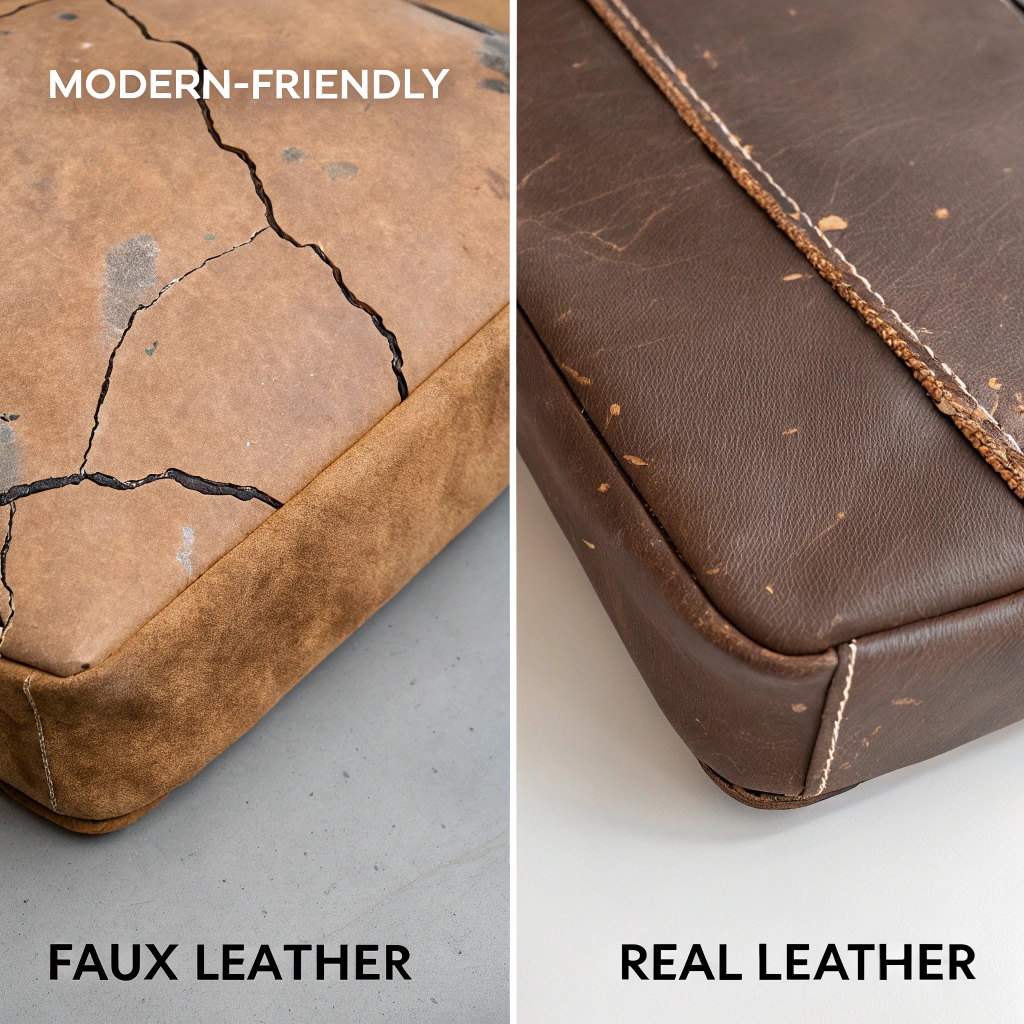
When managing custom manufacturing runs on our factory printing lines, I realized that simple plastic coatings cannot replicate the incredible strength of natural, organic materials. Synthetic leather is made by bonding a thin layer of liquid plastic, like polyurethane, onto a flexible woven fabric base. This plastic layer cannot breathe, meaning it traps moisture and dries out over time under warm sunlight or dry indoor air. Once the chemical plasticizers inside the PU layer break down, the smooth outer surface begins to split and flake off in large, messy chunks that are completely impossible to repair or restore.
Let us examine the major differences between synthetic materials and natural leather to help you choose the right product.
Material Attribute | Synthetic PU Leather | Natural Full-Grain Leather | Impact on Your Daily Use |
|---|---|---|---|
Material Breathability | Very Low (Sweats in warm weather) | High (Passes moisture naturally) | Real leather stays highly comfortable against your skin |
Scratch Resistance | Low (Sharp keys can peel the coating) | High (Scratches blend into the patina) | Real leather heals itself with natural oils |
Repair Capability | Impossible (Must discard the item) | High (Can be conditioned and buffed) | Real leather can be easily restored for decades |
Finding the Right Balance for Your Brand
While synthetic leather is a useful, budget-friendly option for quick, lightweight promotional giveaways like temporary event badges or cheap zippered coin pouches, it is not built for permanent daily accessories. If your goal is to build long-term brand trust and celebrate major business milestones, natural leather remains the gold standard. It sends a clear message of reliability, respect, and high professional quality to your valuable business partners.
Conclusion
Knowing if leather is genuine requires checking for natural grain pores, avoiding the diamond synthetic symbol on product tags, and choosing high-grade full-grain options over low-grade split leather.