Jul 13, 2026Success Stories
How to Print My Company Logo on a T-Shirt: Why Design Must Come Before Production
Successful custom logo T-shirt printing starts with thoughtful design, ensuring the artwork, printing method, and garment work together to create a professional, long-lasting result.
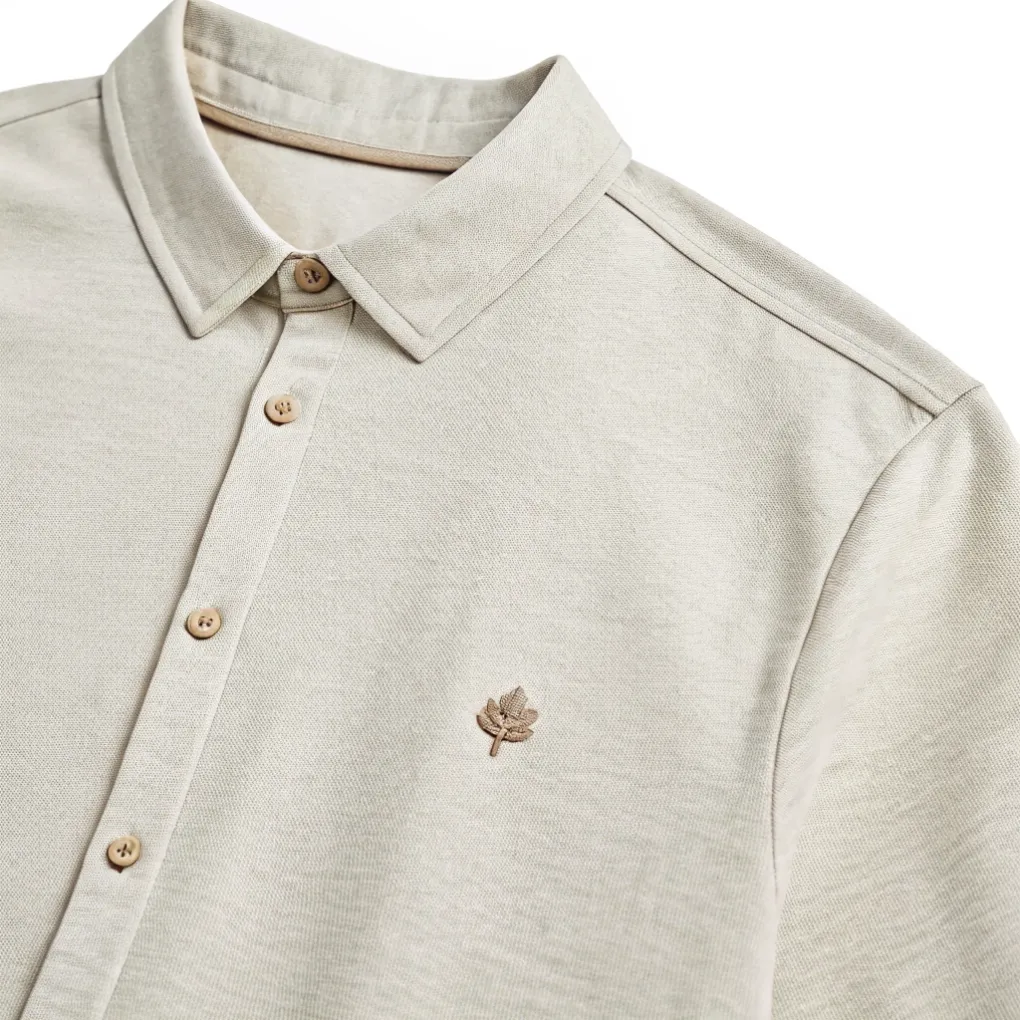
How to Print My Company Logo on a T-Shirt: Why Design Must Come Before Production
Are you tired of investing your marketing budget into branded corporate shirts that your employees only wear once before tossing them into a sleepwear drawer? Making a shirt people actually want to wear requires looking past raw manufacturing costs.
To print your company logo on a T-shirt, you must choose a method like screen printing for bulk durability, digital printing for complex artwork, or embroidery for uniforms. The process involves prepping a high-resolution vector file, selecting a breathable fabric blend, and keeping the logo placement subtle to ensure the garment feels like premium apparel.
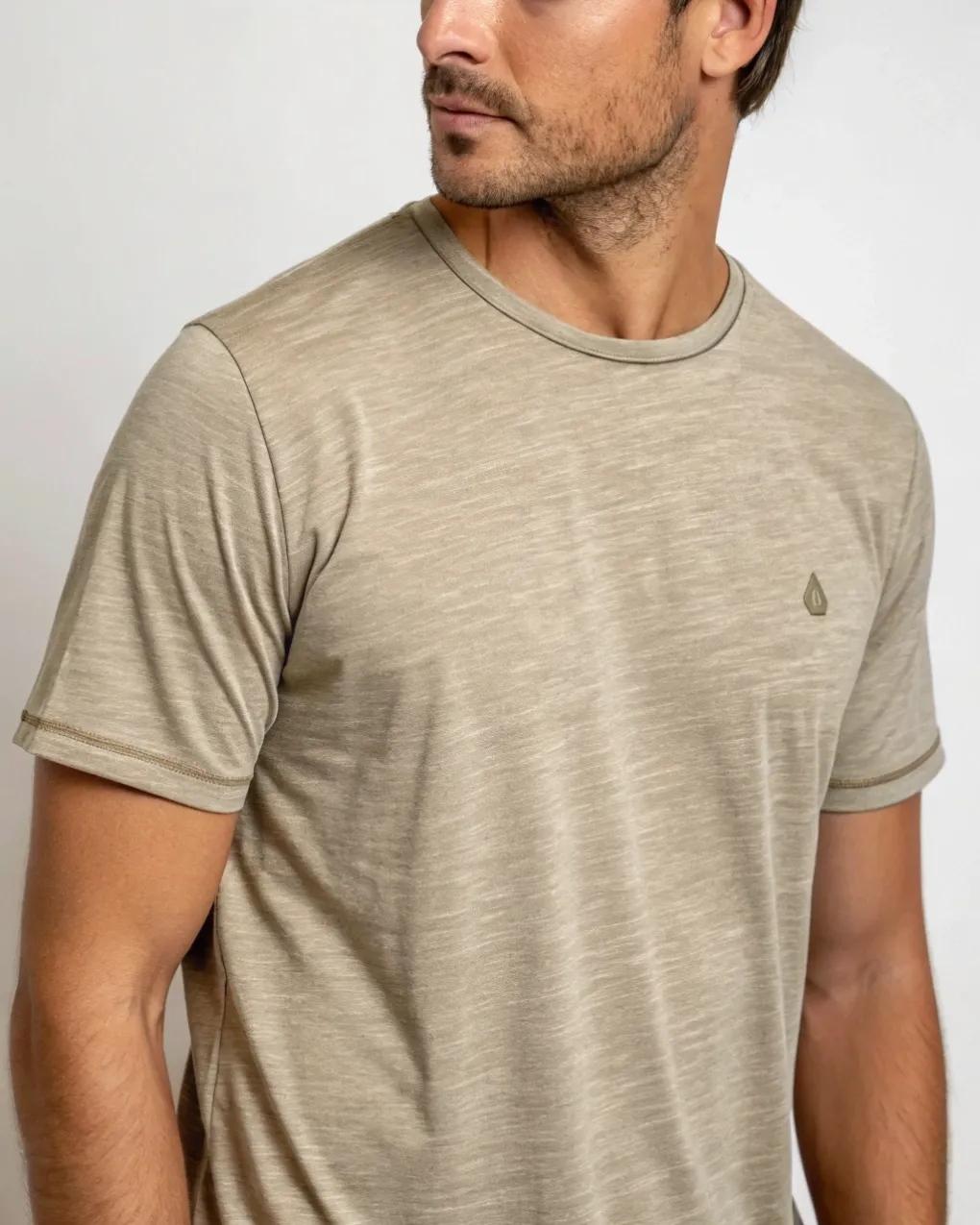
I spent my early career on the floor of a busy traditional printing factory. I watched millions of promotional garments roll off the assembly lines, and I learned a painful truth: a logo printed perfectly on premium cotton still fails if it spends its life hidden away in a closet. True branding success happens when someone voluntarily chooses your shirt over everything else in their wardrobe. Let us explore the core printing mechanics so you can build apparel that your team wears with pride.
Which Printer Is Used for T-Shirt Printing and Commercial Production?
Do you get confused by terms like DTG, DTF, and screen setups when talking to apparel suppliers? Sourcing the wrong printing machinery for your specific project scale can lead to cracked graphics, stiff chest prints, or massive budget waste.
Commercial T-shirt printing relies on three main types of printers: industrial screen printing presses for high-volume orders, Direct-to-Garment (DTG) digital inkjet printers for high-detail short runs, and Direct-to-Film (DTF) transfer systems for flexible placement on synthetic fabrics.
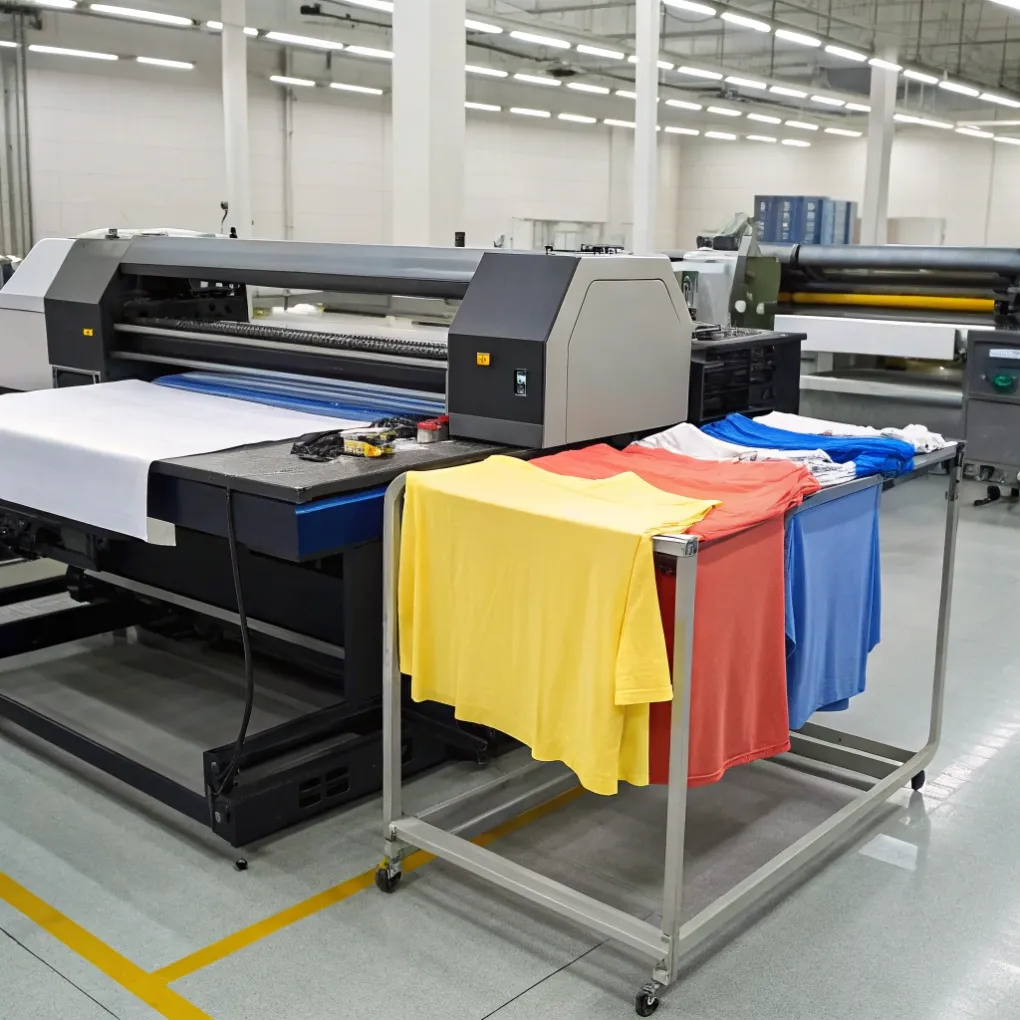
When marketing managers visit me at Latitude Experience for production advice, they often ask for the "best" printer without considering their order volume. In the production world, the machine choice dictates your graphic flexibility and unit price. Screen printing requires physical mesh screens for every color, making it expensive for small orders but incredibly cheap for bulk runs. Digital DTG printers function like giant office paper printers, spraying ink directly onto the cotton fibers, which is perfect for capturing complex color gradients without setup fees.
Critical thinking shows that matching the printer to the garment utility prevents major quality issues. Let us break down how modern commercial textile printers compare.
Printer Type | Production Method | Best Graphic Design Style | Ideal Order Scale |
|---|---|---|---|
Screen Printing Press | Squeeing thick ink through stenciled mesh | Bold vector logos, solid colors, text | Large bulk orders (100 pieces or more) |
Direct-to-Garment (DTG) | Inkjet heads spraying directly onto fabric | Detailed photographic prints, complex art | Small batches and single custom samples |
Direct-to-Film (DTF) | Printing on film sheets, heat pressing layer | Vivid multi-color prints on complex spots | Medium orders, sleeve prints, polyester gear |
Sublimation Printer | Gassing ink into polyester fibers with heat | All-over graphics, seam-to-seam patterns | Custom sportswear, activewear team uniforms |
If your provider uses the wrong machinery for a daily work uniform, the print will crack after a few laundry cycles. Choosing the right press keeps your logo crisp for the long haul.
How Do I Put My Business Logo on a Shirt Without Looking Too Promotional?
Do you worry that adding your corporate branding will instantly turn a comfortable fabric shirt into a cheap, awkward corporate billboard? Many organizations make their graphics far too large, which completely ruins the wearability of the clothing.
To put your business logo on a shirt without looking overly promotional, utilize small left-chest embroidery, tonal color schemes, minimal typography, or elegant side-seam placements. Keeping the graphic elements clean and understated ensures the garment feels like retail-quality fashion rather than loud event merchandise.
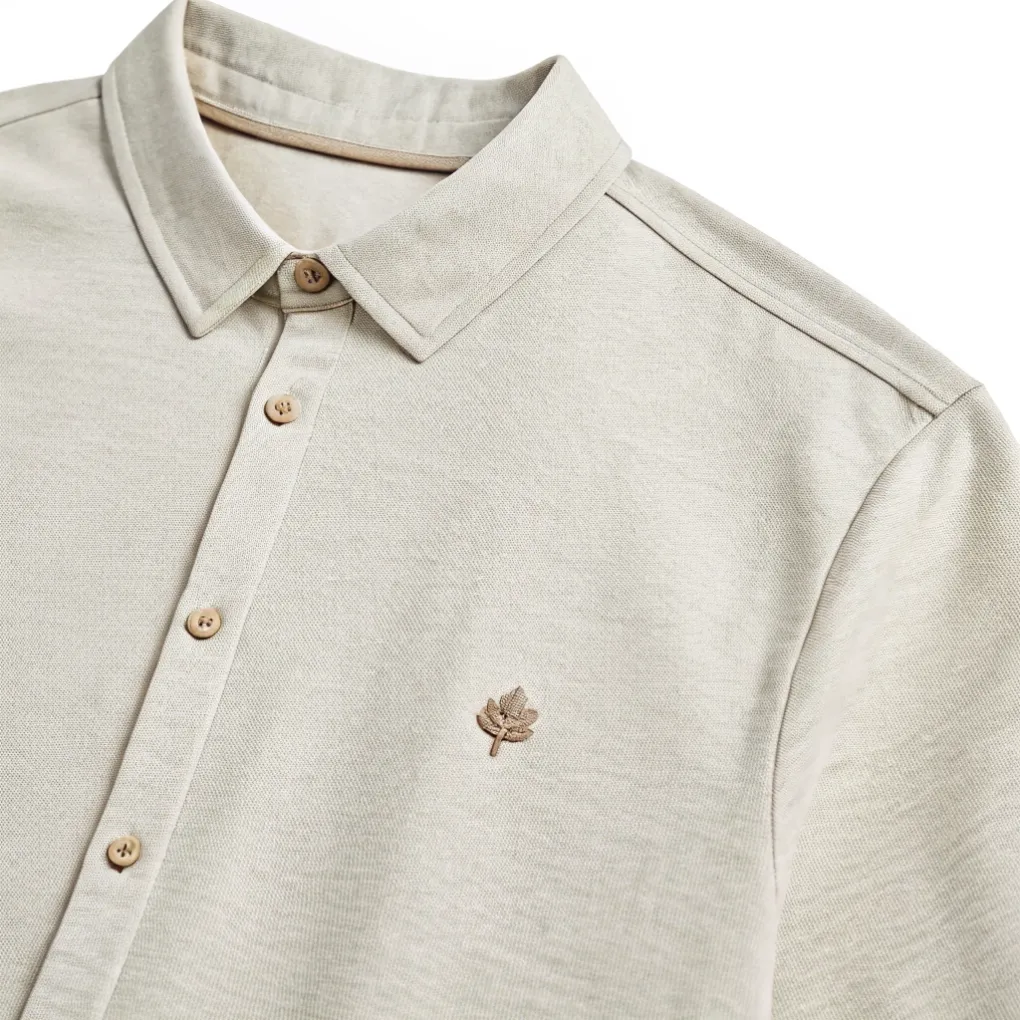
In my factory days, I watched many organizations make the exact same mistake: printing their company name as large as possible across the back shoulders. Modern consumers prefer restraint over aggression. If you want your team to wear their corporate gear to weekend social outings or casual café workspaces, the design must respect their personal style. A tiny, high-density embroidery patch or a blind-debossed leather tag on the hem communicates immense confidence without shouting for public attention.
Let us analyze the logo placement strategies that transform basic promo gear into a valuable lifestyle asset.
Placement Zone | Best Customization Technique | Visual Identity Vibe | Real-World Wear Location |
|---|---|---|---|
Left Chest (Heart) | Classic thread embroidery | Professional, corporate, traditional | Client meetings, formal trade shows, golf runs |
Nape of the Neck | Small silkscreen transfer print | Minimalist, modern, retail-ready | Daily office operations, casual hybrid work |
Lower Left Hem | Woven fabric tag sewn on edge | Streetwear, artistic, premium | Weekend errands, community events, volunteering |
Center Chest Small | High-density clean silicone print | Athletic, tech-focused, young | Team-building retreats, gym commutes, travel |
When you treat the shirt surface like a true fashion canvas, your brand exposure happens naturally rather than forcefully. Subtlety builds deeper trust than forced advertising.
How Do You Print Your Own Logo on T-Shirts Step by Step?
Are you ready to launch a new corporate merchandise campaign but feel overwhelmed by the technical setup required by professional factories? Moving from a digital image file to a finished piece of wearable clothing requires following a strict production workflow.
To print your own logo on T-shirts, you must convert your artwork into a vector format, select a high-grade cotton or cotton-poly fabric blend, prepare the printing screens or digital film layers, calibrate the ink curing temperatures, and complete a final heat set to lock the graphic onto the fabric permanently.

Every great garment print starts with digital file preparation. You cannot simply pull a small JPEG image off your company website and send it to an industrial factory press. The lines will look pixelated and blurry when expanded onto a chest print. You need a clean, high-resolution vector file where the lines are converted into mathematical paths. This allows the printer to create razor-sharp stencils, ensuring your corporate lines stay clean and beautiful through dozens of hot water washes.
Let us look closely at the necessary factory stages required to take your apparel project from a digital mockup to a final delivery box.
Investing time in the setup phase saves thousands of dollars in potential replacement costs. When your finished corporate shirts look, feel, and wash like premium retail apparel, your team quietly becomes an organic network of brand ambassadors every time they step out the door.
Conclusion
Printing a company logo on a T-shirt succeeds when you match reliable commercial machinery with subtle, retail-quality graphic design, changing a simple piece of promotional merchandise into an indispensable daily wardrobe staple.