Jul 14, 2026News & Insights
How to Remove the Taste of Stainless Steel from Water?
Remove stainless steel taste with baking soda or vinegar, clean regularly to prevent mineral buildup, and use food-grade 304 steel for fresh, safe, great-tasting water.
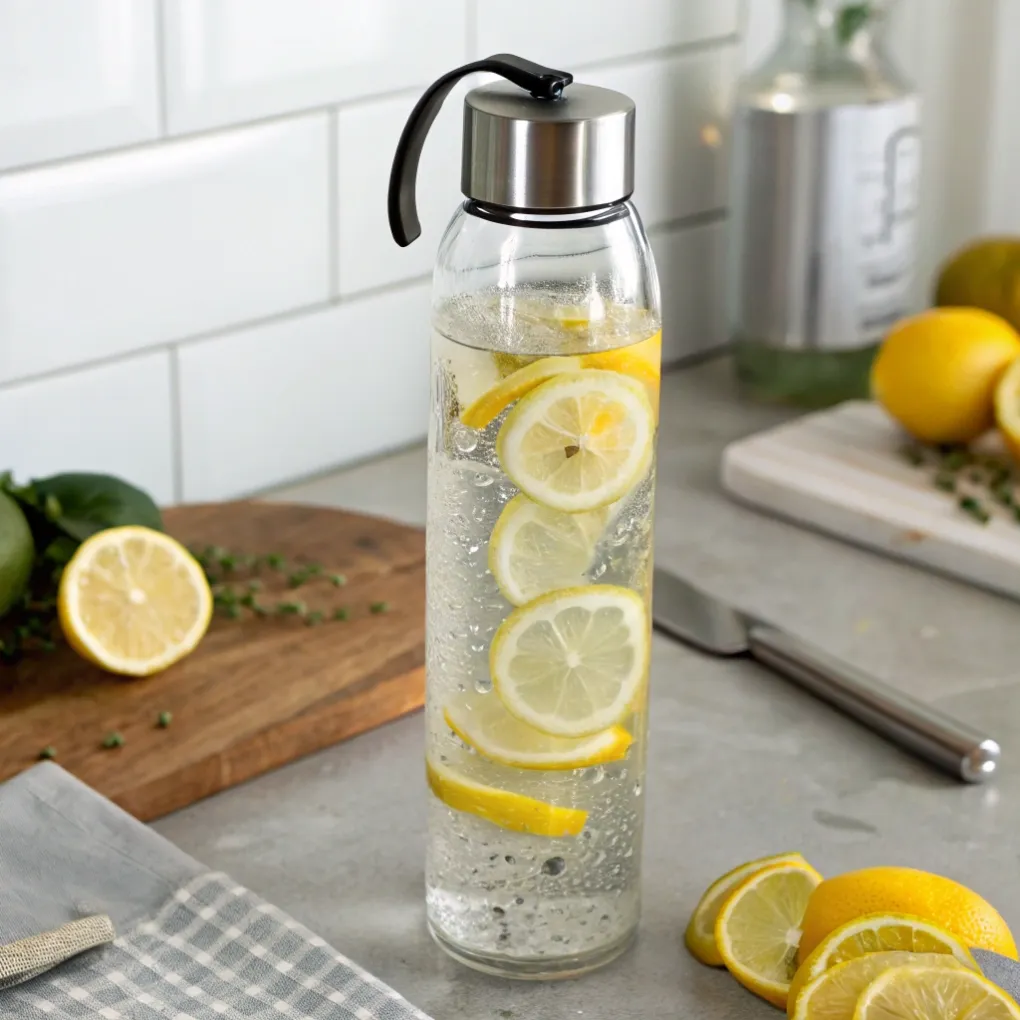
How to Remove the Taste of Stainless Steel from Water?
Are you tired of taking a big, refreshing sip of fresh water from your brand-new reusable flask, only to be met with a harsh, chemical metallic taste that ruins your beverage?
You can remove the taste of stainless steel from water by executing a deep clean with a simple baking soda and hot water mixture. This natural paste neutralizes manufacturing residues, packaging odors, and mineral scaling inside the bottle walls instantly.
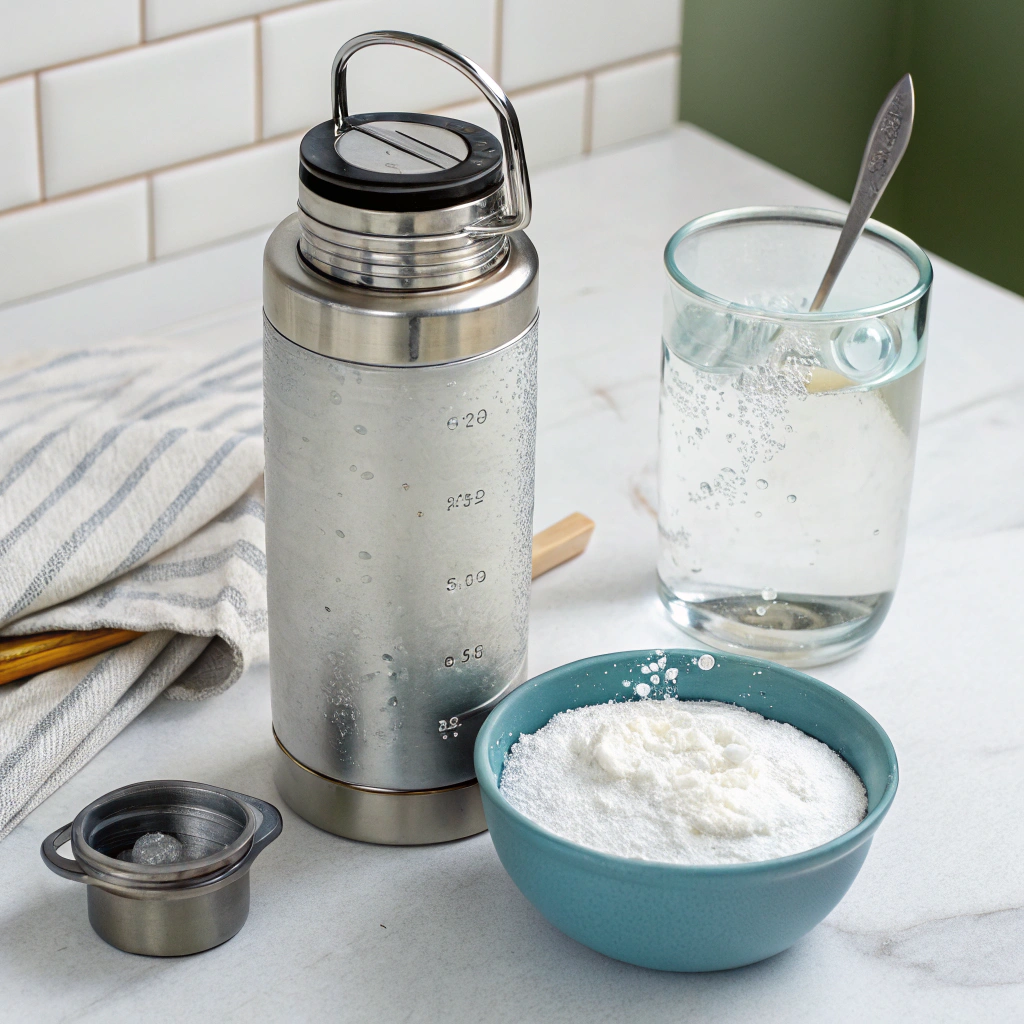
I started my career working directly on a busy printing factory floor, managing production setups and checking material tolerances under tight daily schedules. That hands-on manufacturing experience taught me that newly fabricated metal objects always carry a microscopic layer of production oils, polishing dust, or packaging residues that must be properly stripped. Later, I founded Latitude Experience Pte Ltd to help corporate event managers select premium, certified food-safe lifestyle gifts that protect consumer health and brand integrity. I know that an unpleasant metallic taste can make anyone feel uneasy about using their custom flask. Let us look at the exact material science, natural cleaning methods, and fluid rules to keep your daily drinking water tasting perfectly fresh and clean.
How to Get Rid of Stainless Steel Taste?
Do you find that your stainless steel water bottle continues to smell like a busy metal shop even after you rinse it several times with cold tap water? This persistent factory smell can make your daily hydration feel like an unhygienic chore.
To get rid of the stainless steel taste, fill the container with warm water, add two tablespoons of baking soda, shake it vigorously, and let it soak for several hours. This basic mixture breaks down acidic residues and lifts fine manufacturing dust off the interior metal walls.
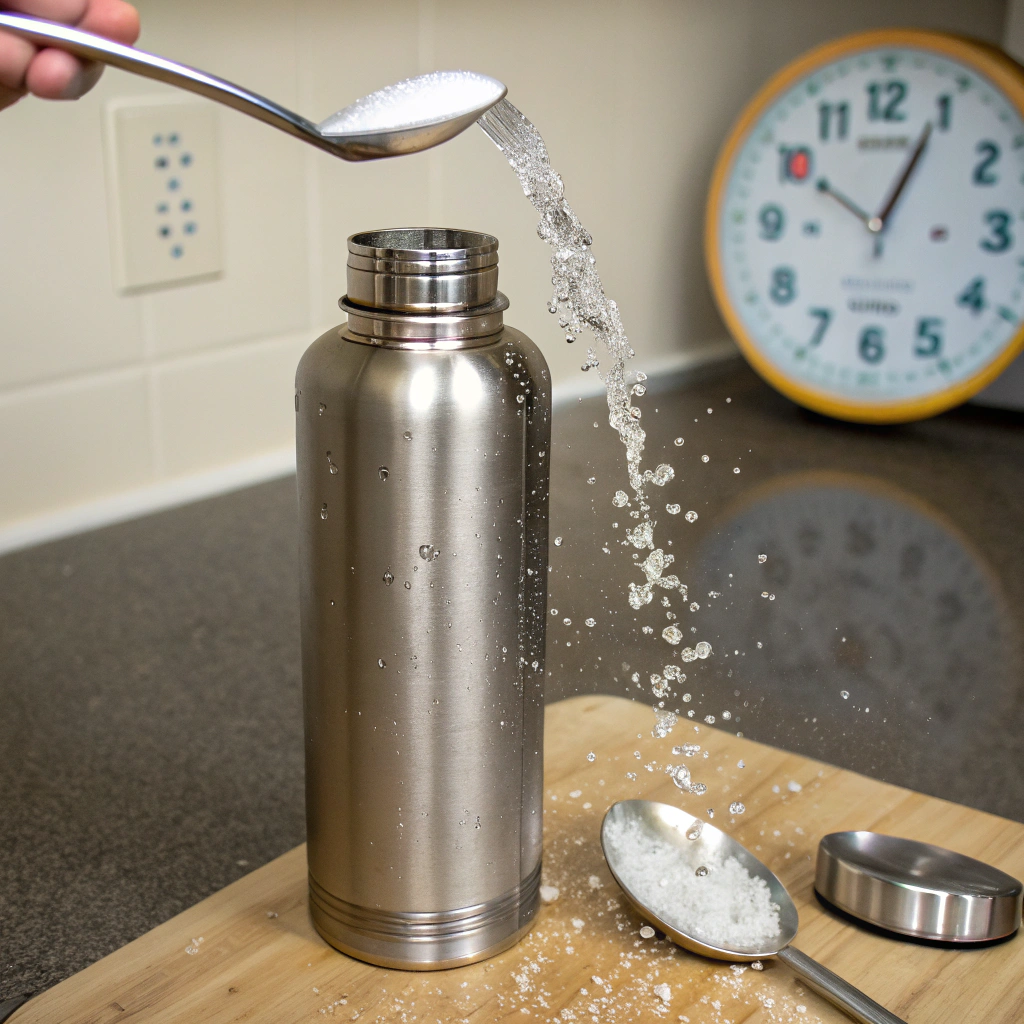
Deep Cleaning Your New Container
From my perspective, many people blame the metal itself for bad odors when the real culprit is a lack of deep initial cleaning. Food-grade 304 stainless steel is naturally non-porous and should not impart any flavor to water once it is fully prepped. During the industrial molding and polishing phases of bottle production, trace elements of lubricating oils and protective compounds can cling to the inner seams. A simple cold water rinse cannot dissolve these manufacturing binders. Using a mild abrasive compound like baking soda dissolved in hot water lifts these compounds off the surface, ensuring a completely neutral, clean-tasting interior.
Let us compare the effectiveness of different household cleaning methods for eliminating tough metal tastes.
Bottle Cleaning Compound | Odor Removal Performance | Chemical Safety Level | Best Use Case |
|---|---|---|---|
Baking Soda + Hot Water | Exceptionally High | 100% Safe (Natural mineral) | Neutralizing fresh factory smells |
White Vinegar Soak | High | 100% Safe (Mild food acid) | Dissolving mineral scales and scale |
Standard Dish Soap | Moderate | High (Rinse thoroughly) | Daily maintenance washes |
Chlorine Bleach Solution | Dangerous (Avoid) | Highly Toxic (Corrodes steel) | Never use on metal drinkware |
How to Remove Metallic Taste from Water?
Are you noticing a sudden, sharp metallic flavor in your drinking water even though you have been using your favorite travel flask for several months without any issues? This sudden change in taste is usually a warning sign of mineral buildup.
You can remove a metallic taste from water by executing a hot white vinegar wash to strip away accumulated hard water mineral deposits. When calcium, magnesium, and chlorine from tap water bind to the internal metal walls, they react to create a strong metallic aftertaste.
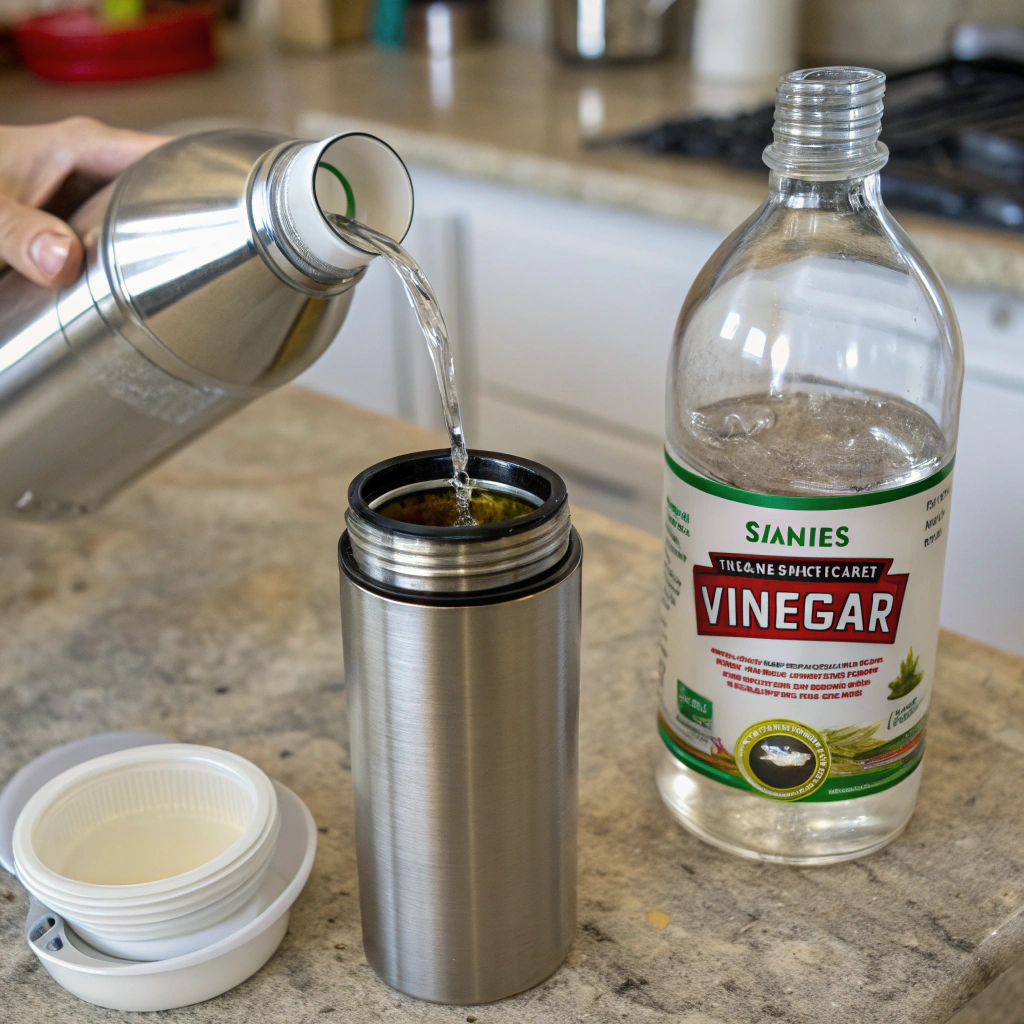
Stripping Hard Water Minerals
In my years of managing product dimensions and custom manufacturing quality control, I learned that tracking structural changes is vital. Hard water minerals are highly alkaline and bind stubbornly to metal surfaces over time, creating a chalky scale. The mild acetic acid in white vinegar dissolves these mineral matrices, stripping away the source of the metallic taste without scratching the steel. You should fill one-quarter of your bottle with vinegar, top it off with hot water, and let it sit for thirty minutes. Afterward, scrub the inner walls with a soft-bristled brush and rinse. This simple routine keeps your container hygienic.
Let us look at a simple operational schedule to keep your premium drinkware fresh and long-lasting.
Maintenance Schedule | Targeted Bottle Area | Cleaning Agent Choice | Core Operational Benefit |
|---|---|---|---|
Every Single Night | Main body chamber and rim | Mild dish soap + warm water | Removes fresh saliva and surface oils |
Every Weekend | Internal screw threads and base | Diluted white vinegar soak | Dissolves mineral scaling and scale |
Once a Month | Hidden lid channels and rings | Thick baking soda paste scrub | Eliminates tough mold matrices completely |
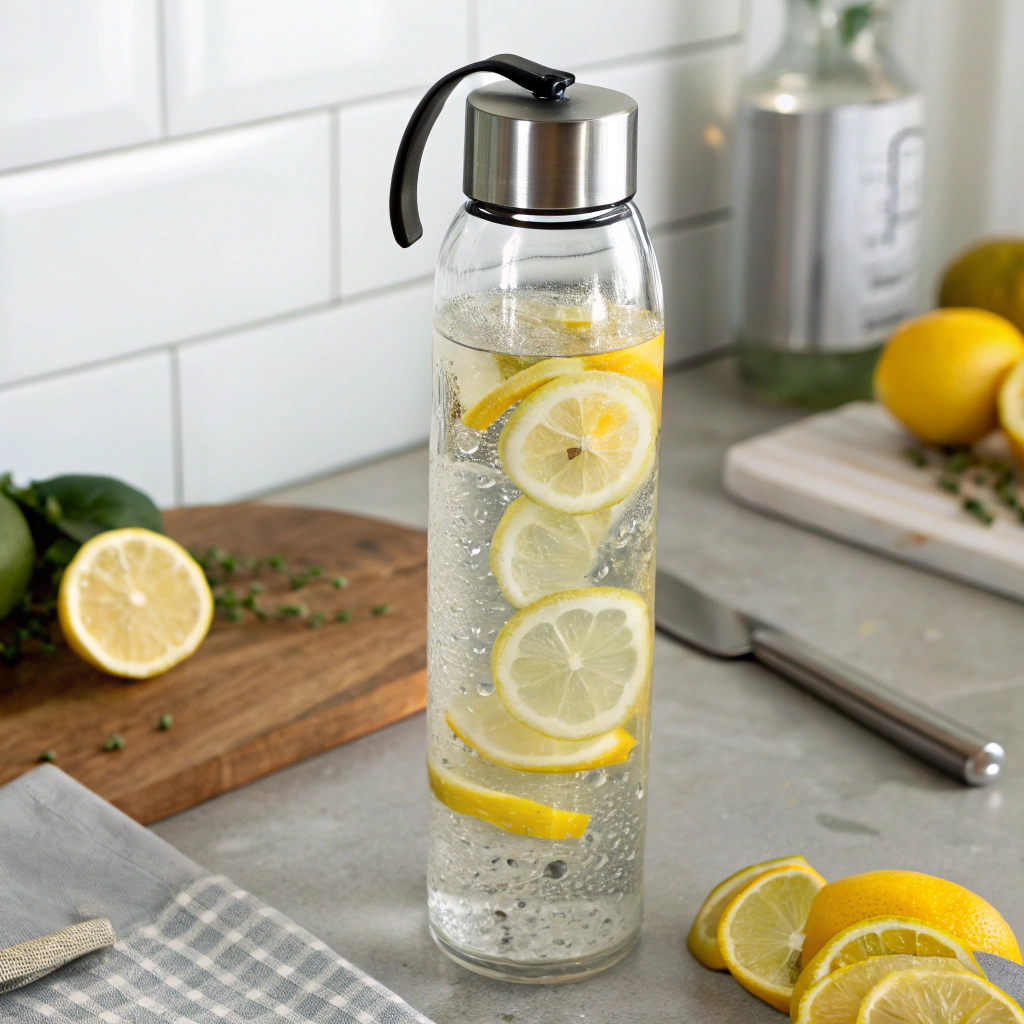
Is It Okay to Put Lemon in a Stainless Steel Water Bottle?
Are you hesitant to add fresh lemon slices or citrus infusions into your metal flask because you are worried the strong fruit acids will corrode the interior lining?
It is completely okay and safe to put lemon in a stainless steel water bottle, provided your flask is manufactured from certified 304 or 18/8 food-grade steel. High-quality stainless steel resists organic citrus acids completely and will not leach any metallic elements into your drink.
Protecting the Passive Metal Layer
In my years of studying material specifications and supply chain standards, I have learned that chemical compatibility is vital for product longevity. High-grade 304 stainless steel contains a high percentage of chromium, which reacts naturally with oxygen to form an invisible, self-healing oxide barrier on the metal surface. This protective shield is incredibly tough and completely resists attack from the mild citric acid found in fresh lemons, limes, or grapefruits. You must simply avoid using highly concentrated industrial acids, and always rinse your flask out with warm water and soap at the end of the day to prevent sugars from building up around the silicone lid seals.
Let us look at how different container materials react to fresh lemon infusions over time.
Bottle Material Base | Citrus Acid Resistance | Chemical Leaching Risk | Recommended Infusion Action |
|---|---|---|---|
304 Food-Grade Steel | Extremely High | Zero Risk (Inert surface) | Safe for daily lemon water infusions |
Low-Grade Metal Alloys | Low | High (Can release iron traces) | Avoid using with acidic liquids |
Standard Plastic Base | Moderate | High (Can release microplastics) | Use only with cold, diluted beverages |
Conclusion
Removing the taste of stainless steel from water requires stripping manufacturing residues with baking soda, dissolving mineral buildup with white vinegar, and choosing certified 304 food-grade containers to ensure safe, clean daily hydration.