Oct 19, 2026News & Insights
How to Start a Gift Basket Business: The Complete 7-Step Blueprint
Start a profitable gift basket business by choosing a niche, sourcing quality products, controlling costs, and creating memorable gifting experiences.
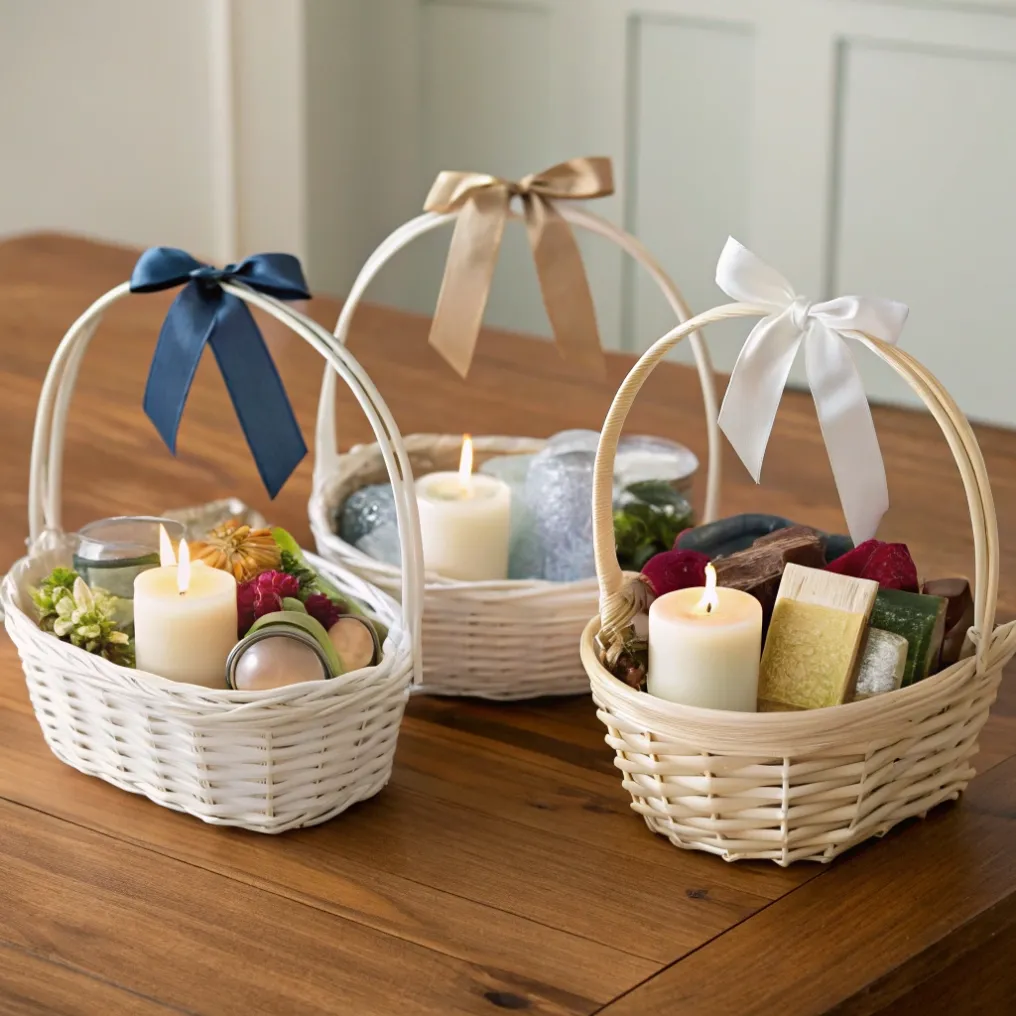
How to Start a Gift Basket Business: The Complete 7-Step Blueprint
Do you dream of launching a boutique gifting brand because arranging gourmet treats, artisanal candles, and premium lifestyle items looks creatively rewarding and lucrative? Jumping into the gifting market without a clear niche, structured cost model, or tested logistics turns what seems like an easy home business into a room full of dead inventory and collapsed profit margins.
To start a gift basket business, select a focused niche (such as B2B corporate onboarding or artisan self-care), build a lean catalogue of three to five signature concepts, secure verified wholesale suppliers, price for a 50% to 65% gross margin, and establish a transit-tested fulfillment process that guarantees flawless presentation.
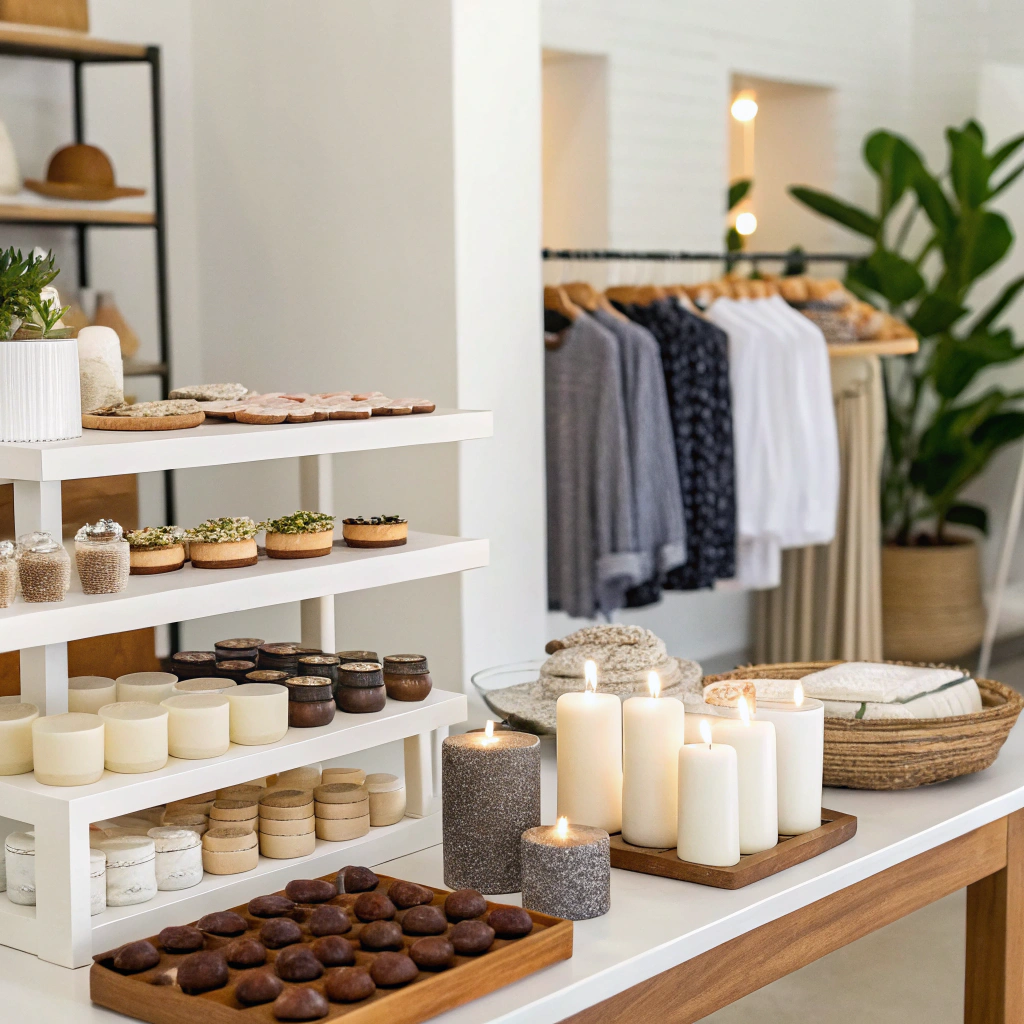
When I started my career working on the production floor of a printing and packaging factory years ago, I helped assemble, brand, and ship thousands of promotional kits and client presentation boxes. A successful gift basket is not just a collection of attractive products shrink-wrapped in cellophane; it is an engineered unboxing experience. The buyer is not paying for individual retail components—they are paying for the convenience, the curation, and the confidence that their gift will arrive on time and make a memorable impression. Let us walk through how to build this business from home, launch with minimal startup capital, and execute the seven foundational steps to sustainable profitability.
How to Start a Gift Box Business From Home
Are you wondering how to transform a spare bedroom or dining table into a clean, compliant fulfillment studio without leasing commercial warehouse space? Operating from home keeps your overhead low, but it demands strict spatial discipline and regulatory awareness.
To start a gift box business from home, designate clean, separate zones for raw inventory storage and unboxing assembly, verify local home-occupation zoning and food handling cottage laws, invest in flat-pack rigid magnetic gift boxes, and implement an automated shipping scale and thermal label printing station.
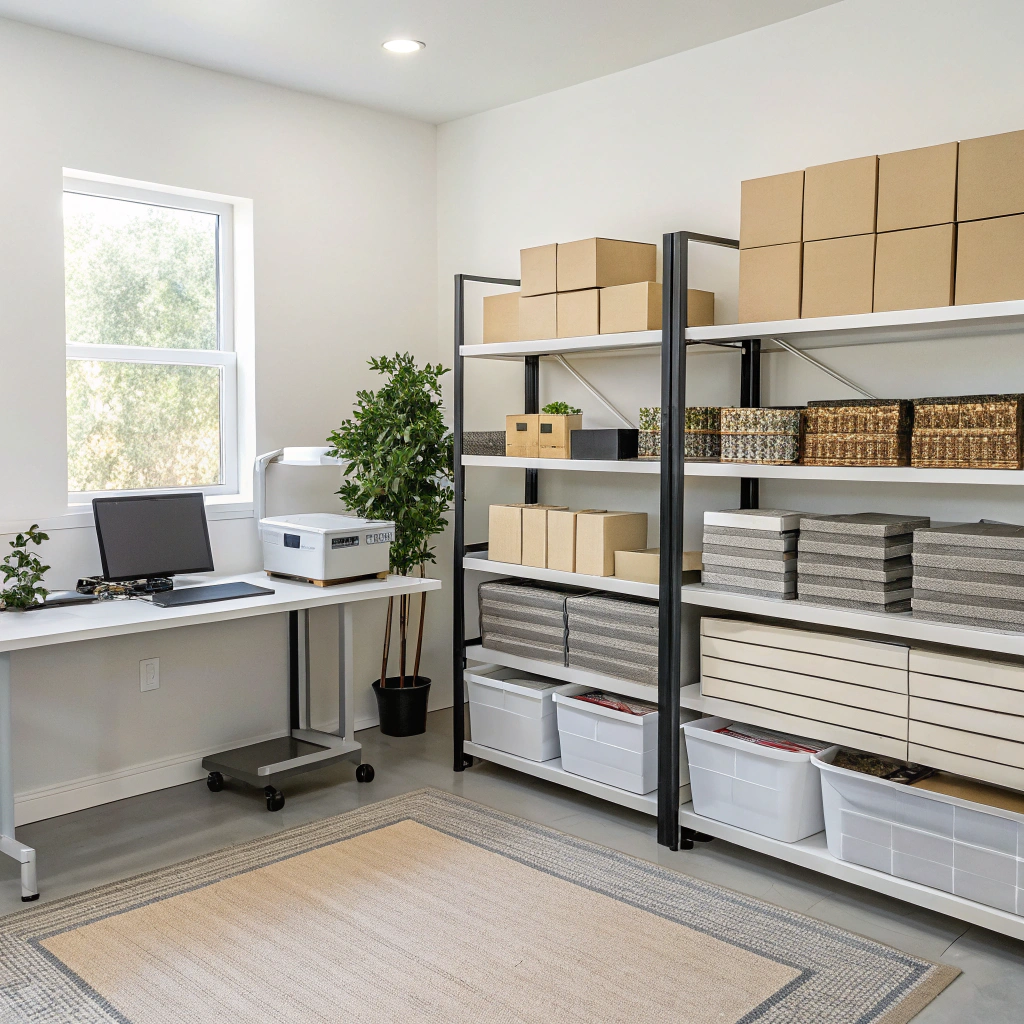
Spatial Workflows, Packaging Architecture, and Cottage Law Compliance
Operating out of a home studio requires optimizing three operational pillars:
- Physical Zone Division: Divide your floor plan into three dedicated zones: Intake & Bulk Storage (wire shelving for flat-pack cartons, crinkle cut paper, and master cases), Assembly & Curation (a wide, waist-height workbench for packing, ribbon tying, and handwritten note insertion), and Outbound Logistics (shipping scale, 4x6-inch thermal label printer, tape dispensers, and postal carrier pickup bins).
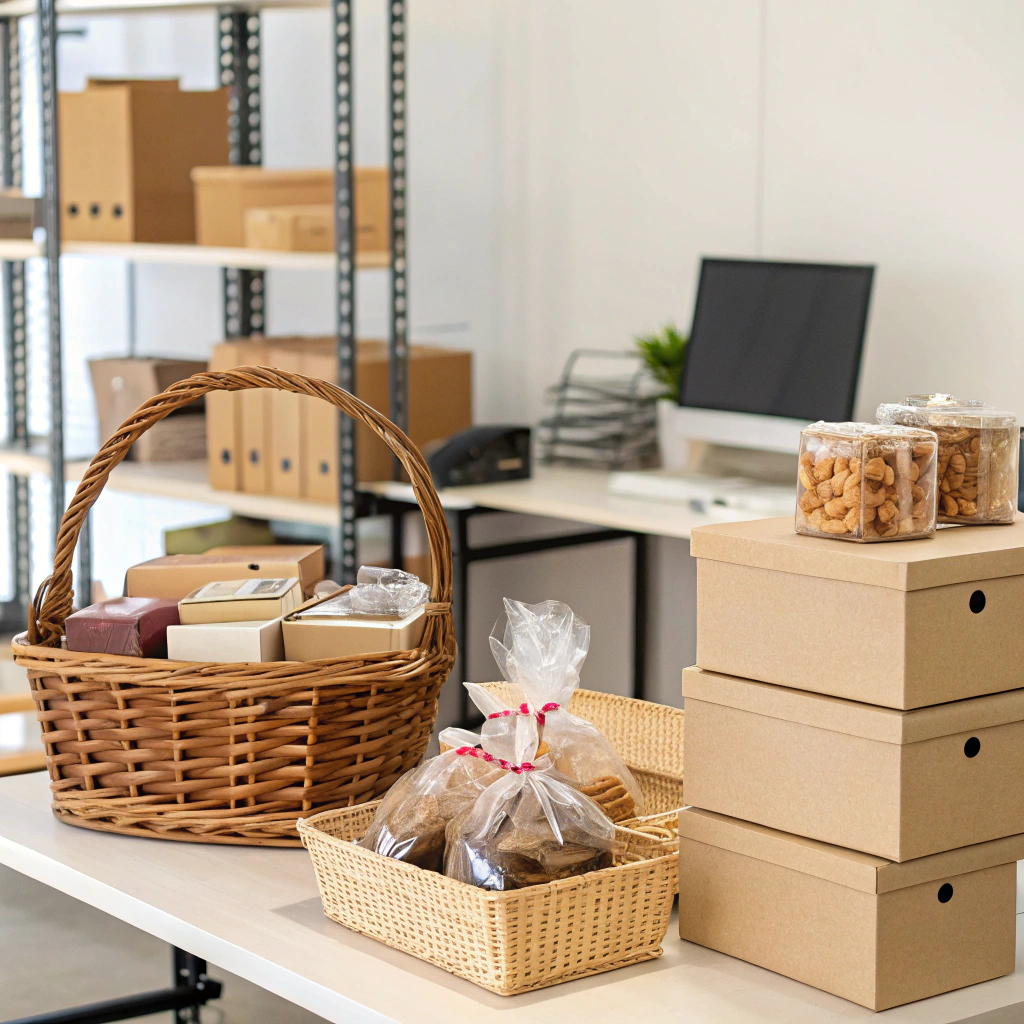
- Switching from Wicker to Rigid Gift Boxes: Traditional open wicker baskets wrapped in clear shrink-wrap are notoriously difficult to pack, require massive shipping cartons, and result in crushed contents during courier transit. Modern home-based businesses use collapsible rigid boxes with magnetic snap closures. They ship flat, assemble in seconds, stack neatly on home shelves, and provide flat exterior surfaces that withstand courier sorting belts.
- Food and Cosmetic Regulations: If your gift boxes include gourmet treats, verify local health regulations (such as US State Cottage Food Laws, UK Environmental Health inspections, or Singapore SFA guidelines). Sourcing pre-packaged, commercially sealed, shelf-stable foods directly from licensed wholesale makers allows you to bypass the need for a commercial certified kitchen, as you are simply assembling sealed consumer units rather than cooking or repackaging loose ingredients.
For brand and event marketing managers like Jacky designing executive gifts, working with suppliers who use sleek, rigid keepsake boxes ensures the outer vessel becomes a functional desk organizer rather than disposable packaging waste.
Home Studio Operational Zone | Essential Equipment / Hardware | Primary Purpose | Home-Space Optimization Tip |
|---|---|---|---|
Zone 1: Bulk Raw Intake | 4-Tier NSF chrome wire shelving | Stores flat-pack boxes, ribbon, fillers | Utilize vertical ceiling clearance |
Zone 2: Assembly Workbench | 150 cm Ergonomic waist-height table | Box packing, product staging, card writing | Keep crinkle paper in hanging drop-bins |
Zone 3: Shipping & Logistics | Digital postal scale + Thermal label printer | Weighing parcels and printing courier labels | Automate via ShipStation or Pirate Ship |
Zone 4: Quarantine Storage | Temperature-controlled plastic totes | Protects chocolates/teas from heat/humidity | Keep away from direct sunlight & pets |
How to Start a Gift Basket Business With No Money
Do you feel held back because you do not have thousands of dollars to buy upfront bulk inventory, branded ribbon, and warehouse storage? You do not need substantial startup capital if you validate demand before spending a dollar on inventory.
You can start a gift basket business with near-zero money by creating three sample prototypes, photographing them in natural light, taking pre-orders via a basic online storefront or direct B2B outreach, and funding wholesale inventory purchases directly from early customer payments.
Lean Prototyping, B2B Deposit Funding, and Net-30 Vendor Accounts
Launching with limited funds requires a “lean validation” framework:
- The Prototype Sample Strategy: Rather than purchasing cases of fifty units per item, buy retail single units of your proposed products from local boutique grocers or craft markets. Assemble one exceptional prototype box. Use natural window daylight and a modern smartphone camera to capture crisp lifestyle flat-lays, unboxing angles, and product close-ups.
- Pre-Order and B2B Deposit Model: Build a free or low-cost landing page, or pitch corporate clients directly. In corporate gifting, standard industry terms require a 50% upfront deposit upon contract signing, with the remaining balance due upon delivery. That 50% deposit fully covers your raw goods cost and packaging materials, allowing corporate clients to fund your cash flow entirely.
- Wholesale Terms via Trade Platforms: Establish merchant accounts on wholesale platforms (like Faire, Abound, or Tundra) that offer Net-60 payment terms to new verified businesses. This allows you to order products from makers, assemble your orders, deliver them to your customers, collect payment, and pay your suppliers before the invoice balance comes due.
Lean Launch Step | Bootstrap Execution Method | Out-of-Pocket Expense | Commercial Benefit |
|---|---|---|---|
Catalogue Prototyping | Purchase single retail items to build 1 sample | $40 to $70 One-time | Generates complete marketing asset portfolio |
Visual Photography | Smartphone camera + natural window light + foam board | $0 (Using existing tools) | Creates high-end boutique aesthetic |
Sales Pitching Channel | Direct LinkedIn B2B outreach to HR & Marketing | $0 (Time investment) | Reaches high-volume corporate decision-makers |
Cash-Flow Financing | Secure 50% deposit from client prior to procurement | $0 (Customer funded) | Eliminates inventory debt and cash flow risk |
How to Start a Gift Basket Business in 7 Steps?
Are you ready to move past vague ideas and build an organized, scalable gifting enterprise? Following a structured sequence prevents costly mistakes and accelerates your path to market.
Start a gift basket business in 7 steps: define a high-margin niche, research market gaps, engineer 3 to 5 signature gift concepts, source wholesale products and transit-tested packaging, establish profitable pricing, launch a direct sales channel, and build a standardized fulfillment SOP.
The 7-Step Implementation Roadmap
Follow this step-by-step roadmap to build and scale your operations:### Step 1: Define Your Profitable Niche
Avoid trying to serve everyone. Select one distinct category with predictable purchasing cycles:
- B2B Corporate Client & Employee Gifting: High volume, recurring corporate budgets (onboarding, holidays, client milestones).
- New Homeowner / Realtor Closing Gifts: Mid-to-high price points ($100–$250) ordered on an ongoing monthly basis by real estate agents.
- Curated Self-Care & Recovery: Individual gifting for birthdays, postpartum care, and sympathy tokens.
Step 2: Conduct Market and Competitor Analysis
Audit the top five independent gifting companies in your target market. Note their price floors, turnaround times, and shipping fees. Read their negative reviews on Google and Trustpilot; recurring complaints about “crushed boxes,” “stale cookies,” or “missing gift messages” highlight the exact operational gaps your brand can solve.
Step 3: Design 3 to 5 Signature Gift Concepts
Design a tight, cohesive collection rather than an overwhelming catalog:
- The Anchor Item: The high-perceived-value centerpiece that defines the theme (e.g., an 18/8 insulated tumbler, a Smyth-sewn linen journal, or a ceramic French press).
- Supporting Accompanying Goods: Two or three consumables that support the hero item (e.g., single-origin coffee beans, artisanal shortbread, brass measuring spoon).
- Personalized Stationery: A heavy cardstock notecard with a typed or hand-penned message.
Step 4: Source Wholesale Products and Transit-Tested Packaging
Register for a business sales tax ID (or reseller permit) to buy directly at wholesale pricing (typically 50% off MSRP). Partner with suppliers of collapsible rigid boxes, 100% recycled crinkle filler, and custom packaging tape.
The 3-Foot Drop Test: Pack your completed prototype box, seal it inside an outer corrugated shipping box with protective padding, and drop it from waist height (roughly 1 meter) onto concrete on all four corners. Open it: if items have shifted, glass jars touched, or crinkle paper collapsed, redesign your interior layout before shipping to paying clients.
Step 5: Master the Unit Economics and Pricing Formulas
Never calculate prices by guessing. Your retail price must cover raw materials, packaging, labor, merchant fees, shipping subsidies, and overhead while delivering a healthy margin.
Use the standard contribution margin formula:
\text{Gross Profit Margin} = \frac{\text{Retail Price} - \text{Total Cost of Goods Sold (COGS)}}{\text{Retail Price}} \times 100
Aim for a minimum 50% to 65% gross margin on retail gift boxes, and 40% to 50% on bulk corporate B2B orders:
Cost Breakdown Component | Example Unit Cost ($) | Percentage of Retail Price ($100 Retail) |
|---|---|---|
Wholesale Product Contents (4 items) | $24.00 | 24% |
Rigid Box, Custom Sleeve & Filler | $7.00 | 7% |
Handwritten Notecard & Ribbon | $1.50 | 1.5% |
Assembly & Packing Labor (15 mins) | $5.00 | 5% |
Corrugated Shipping Shipper & Padding | $2.50 | 2.5% |
Credit Card Gateway Fee (2.9% + $0.30) | $3.20 | 3.2% |
Total Variable Cost (COGS) | $43.20 | 43.2% |
Gross Profit Contribution | $56.80 | 56.8% (Target Exceeded) |
To determine your business break-even volume against monthly overhead:
\text{Break-Even Sales Volume (Units)} = \frac{\text{Monthly Fixed Overhead Costs}}{\text{Contribution Margin per Unit}}
If fixed monthly overhead (software, marketing, insurance, storage) is $1,420 and your contribution per box is $56.80, you need to sell exactly 25 boxes per month to break even.
Step 6: Launch Your Sales Channel
Launch with a clean, focused digital footprint. If focusing on B2B corporate gifting, an elaborate consumer e-commerce cart is less important than a polished digital lookbook (PDF) and a frictionless lead capture form. For direct-to-consumer sales, launch a Shopify or Squarespace store featuring multi-address shipping capabilities (allowing a customer to send five boxes to five different addresses in a single checkout).
Step 7: Build Fulfillment SOPs and Scale Beyond Holidays
Document standard operating procedures (SOPs) for packing order accuracy:
- Photograph a master “Packing Diagram” for each box design showing exact item placement.
- Use a dual-check packing slip system where each item is checked off as it goes into the box.
- Build recurring quarterly revenue by setting up client birthday automation, onboarding packages for corporate clients, and milestone retention gifts, smoothing out the seasonal revenue peaks between corporate holiday rushes.
Conclusion
Starting a profitable gift basket business comes down to selecting a focused niche, mastering unboxing presentation with durable packaging, and applying disciplined unit-cost economics to ensure your curated gifting solutions create lasting delight for recipients and healthy profit margins for your enterprise.