Jul 14, 2026Success Stories
How Useful Are Paper Bags with Handles: Why Does Seamless Engineering Define Modern Retail?
Paper bags with handles combine smart design, durability, and convenience, making them an essential retail packaging solution that improves customer experience while reinforcing a brand’s professional
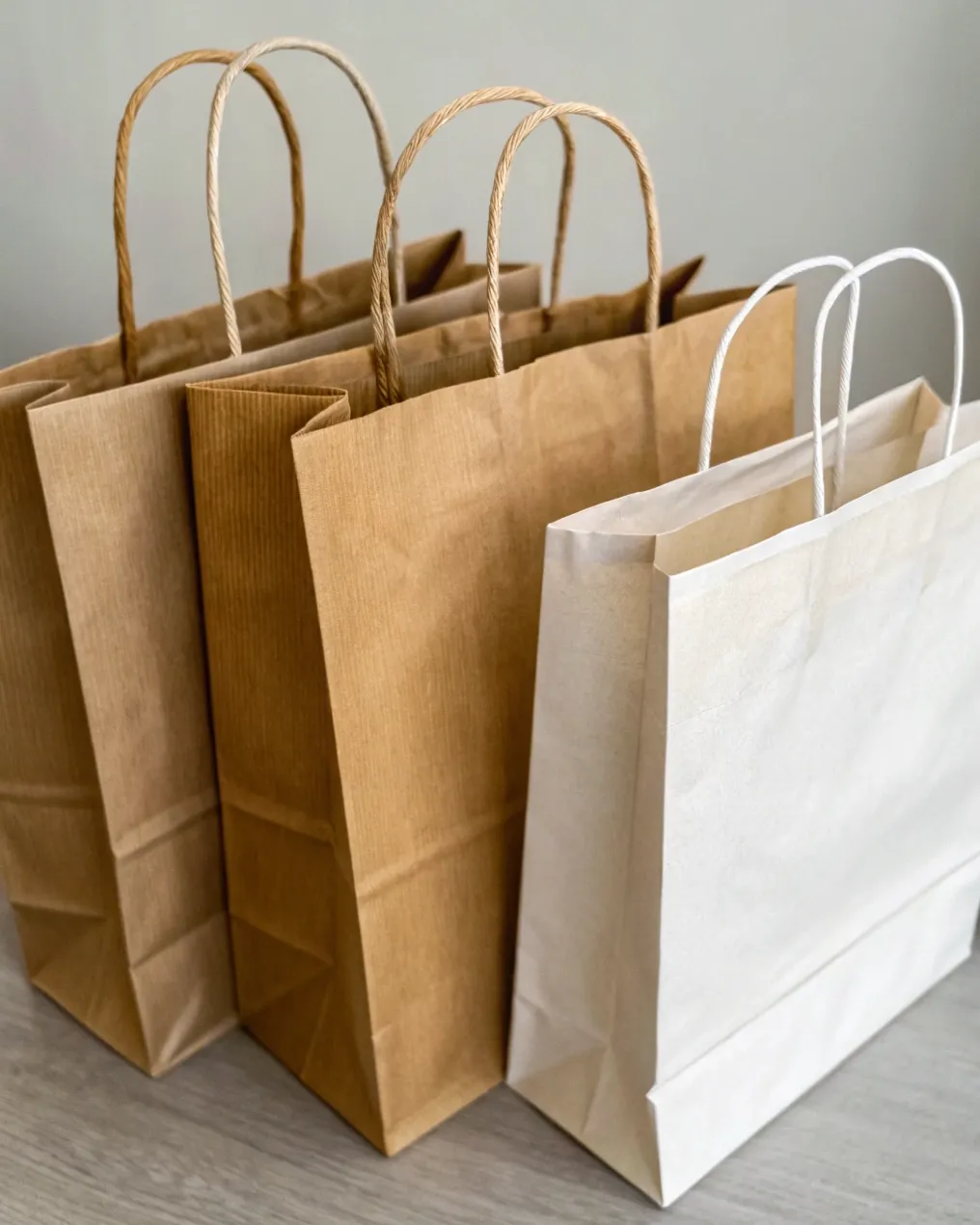
How Useful Are Paper Bags with Handles: Why Does Seamless Engineering Define Modern Retail?
Are you tired of plain retail packaging that tears at the top edge the second your customers pick up their purchases? Watching a customer struggle with broken handles outside your shop front can instantly ruin a premium buying experience.
Paper bags with handles are exceptionally useful because they distribute weight comfortably, stand upright for rapid packing, and provide a premium, smooth surface for clean corporate branding. A well-made handle transforms basic commercial packaging into a durable, multi-use asset that customers repeatedly carry for daily errands.
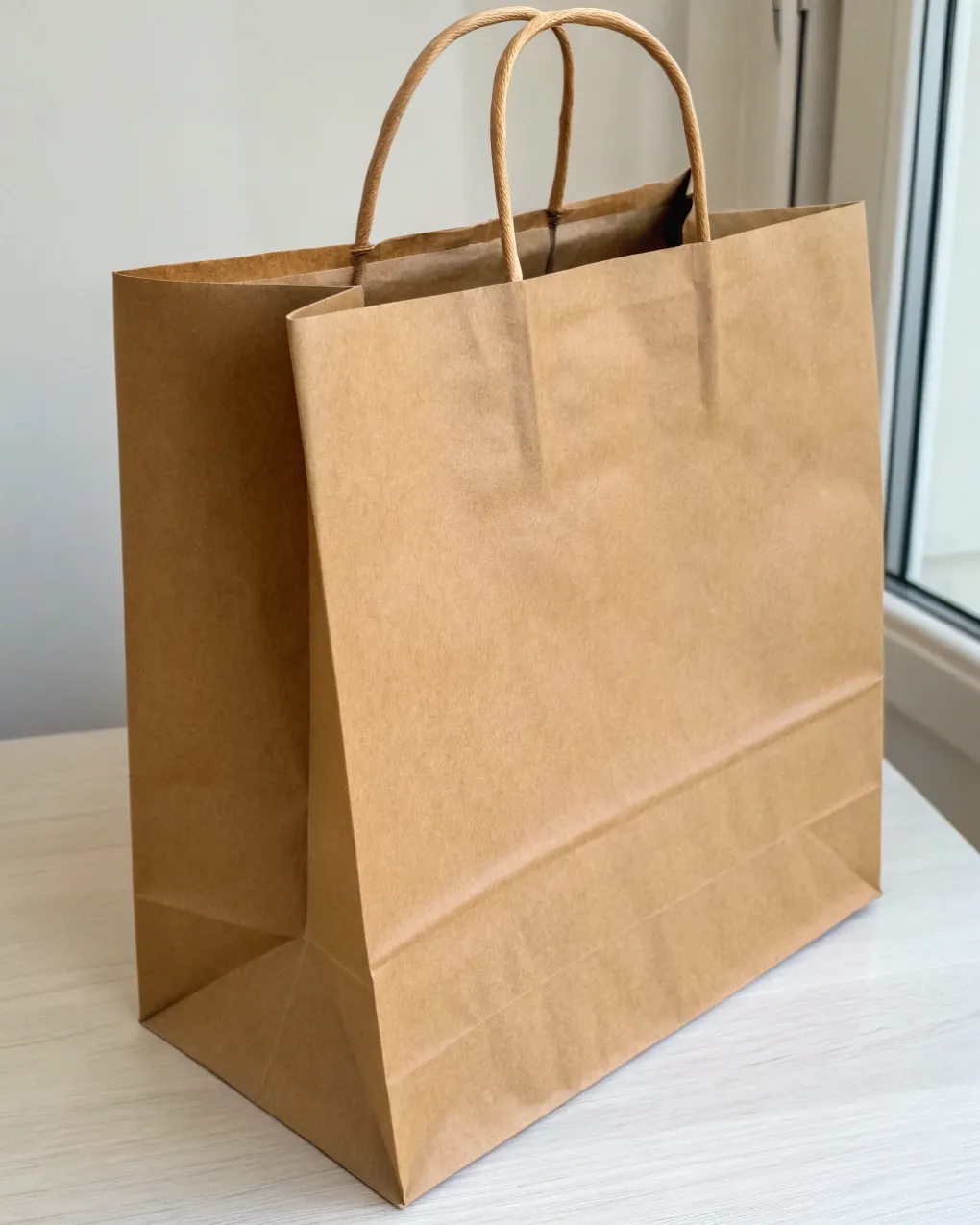
I spent my early career working inside a traditional printing and manufacturing factory, learning how paper grain and handle attachments behave under tension. I discovered that a shopping carrier should never be treated as a throwaway wrapper. It is the first tangible item your customer interacts with after a sale, making it a critical tool for long-term customer satisfaction. Let us look at how high-utility paper carriers protect your products and quietly expand your public brand presence.
Do Paper Bags Decompose Quickly in Natural Environments?
Do you worry that switching your custom packaging to paper will still leave a heavy, long-term footprint on the environment? Understanding the biological breakdown timeline of raw wood fibers reveals the true environmental value of natural packaging.
Paper bags decompose quickly, typically breaking down completely within four to six weeks in a standard backyard composting environment. Because they are manufactured from organic wood cellulose without synthetic plastic glazes, soil microorganisms, moisture, and oxygen can dissolve the material naturally without leaving behind harmful microplastic residues.
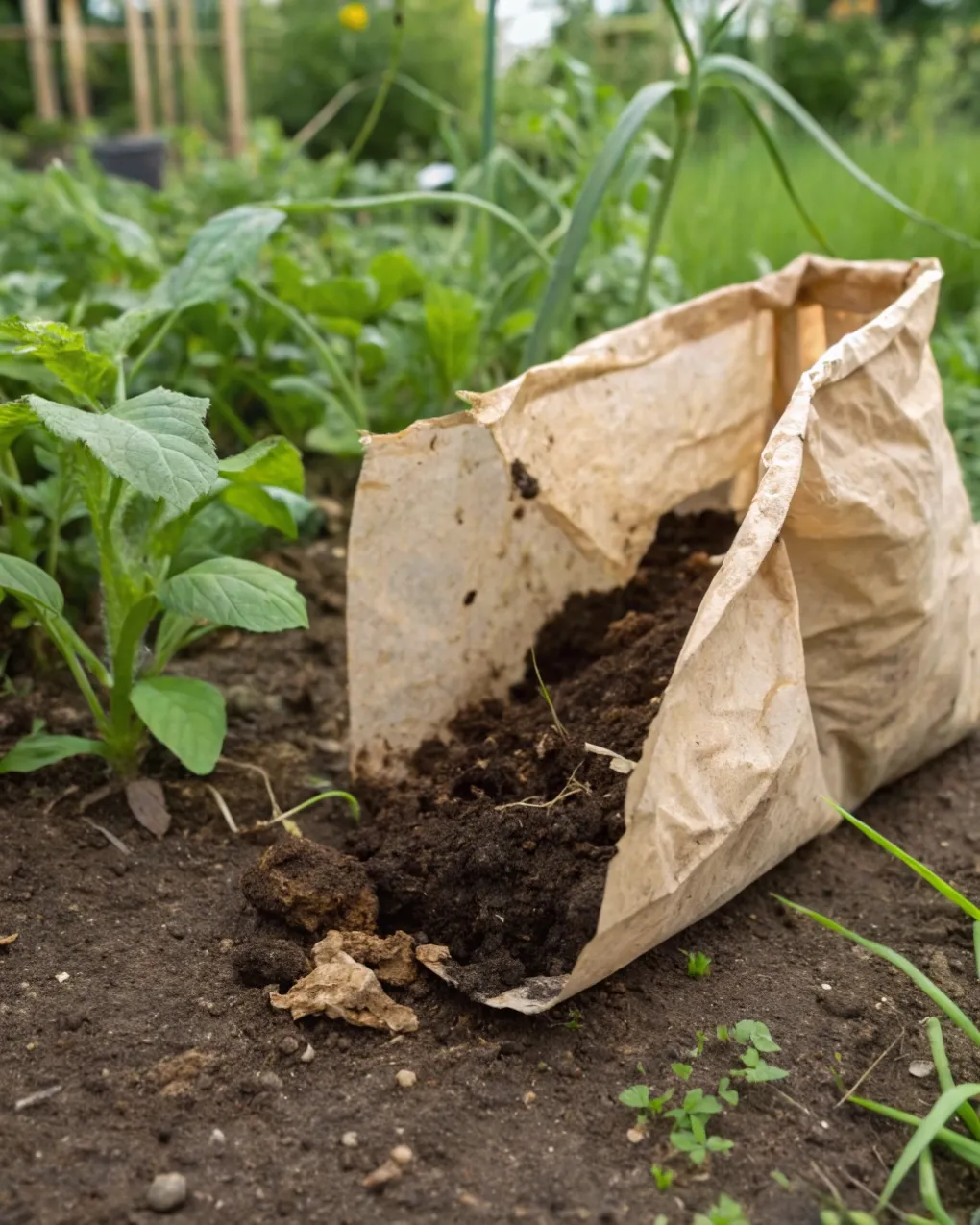
When business owners discuss sustainability with me at Latitude Experience, they often focus entirely on recycling bins. In production, we evaluate the end-of-life cycle for every material. Traditional glossy laminated bags are coated in plastic films that prevent them from breaking down for decades. Unbleached, raw paper carriers do the opposite. If a plain kraft carrier accidentally ends up outside a proper waste stream, it returns to the earth rapidly without disrupting local ecosystems.
Critical thinking shows that rapid breakdown depends on keeping the material free from heavy chemical glazes. Let us analyze the decomposition timelines of common shopping bag materials.
Bag Material Type | Average Decomposition Time | Required Environmental Elements | Long-Term Soil Impact |
|---|---|---|---|
Uncoated Kraft Paper | 4 to 6 weeks | Moisture, soil microbes, oxygen | Zero residue; turns into organic compost |
Thick Cotton Canvas | 5 to 6 months | High humidity, active microbes | Minimal; natural plant fiber breakdown |
Standard Plastic Sack | 200 to 500 years | UV sunlight exposure (Photodegradation) | High; breaks down into toxic microplastics |
Glossy Laminated Paper | 20 to 50 years | Slow moisture penetration through film | Medium; plastic lining pieces remain behind |
Choosing raw, unfinished paper ensures that your business packaging aligns with modern environmental expectations. True sustainability happens when a product leaves zero waste behind.
Can Paper Bags with Handles Be Recycled Safely in Standard Sorting Facilities?
Are you confused about whether adding twisted handles or cotton ribbons makes your custom boutique carriers unrecyclable? Sourcing mixed materials can accidentally force waste management teams to dump your branded bags straight into a landfill.
Paper bags with handles can be recycled safely in standard municipal sorting facilities, provided the handles are made from matching paper twines or easily removable cotton cords. The long wood pulp fibers can be re-slurried into water tanks and processed into fresh cardboard boxes up to seven times.
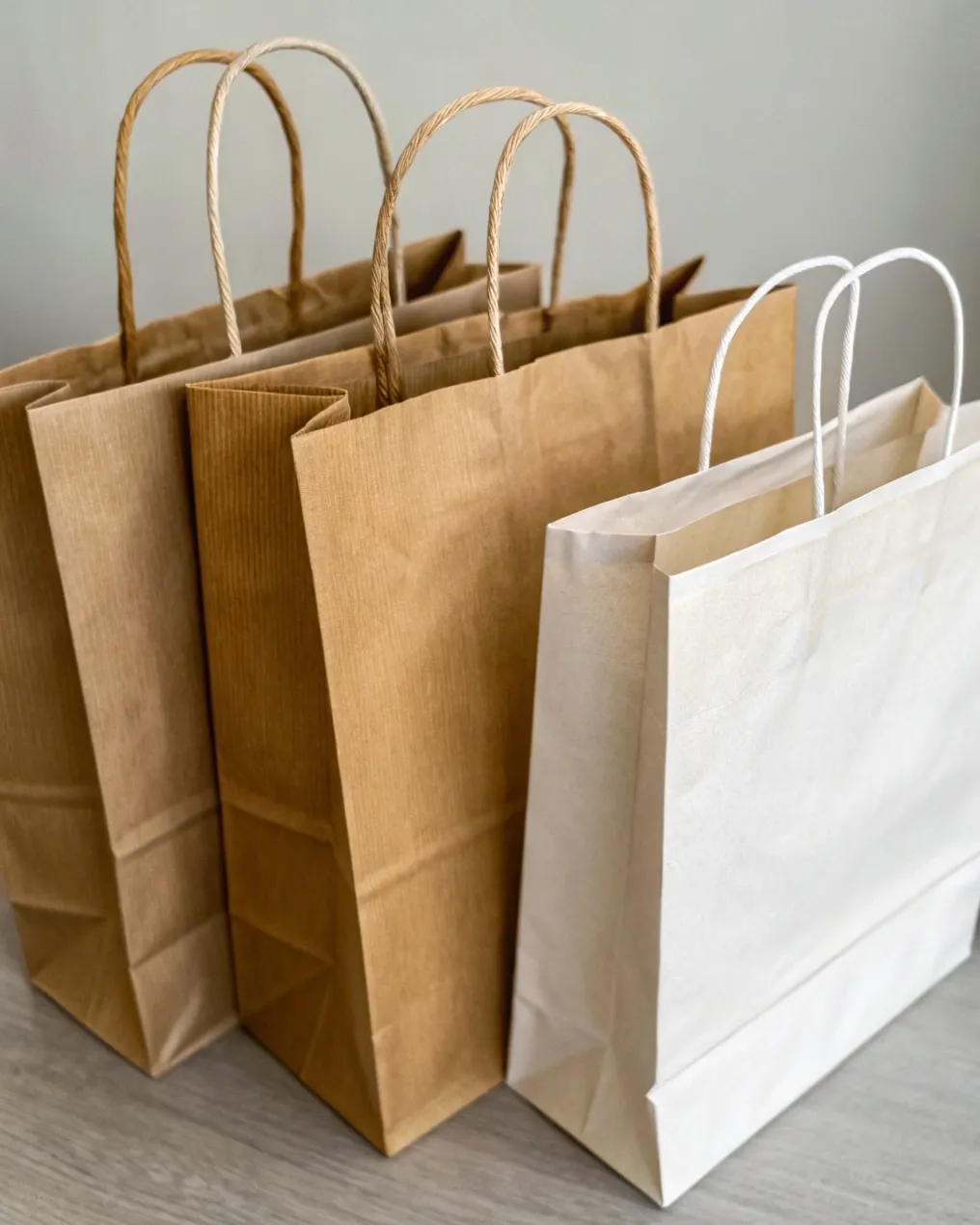
In my factory days, I watched how waste paper was collected and processed into fresh raw material rolls. The biggest problem for recycling plants is chemical contamination. If your custom carrier features a plastic handle or heavy metal eyelets, the sorting machinery can jam up during the processing stage. To ensure your promotional packaging stays inside the circular economy, choose twisted paper cords or flat paper handles that dissolve seamlessly along with the main body bag during the pulping stage.
Let us review the essential design adjustments that keep your customized handle bags fully recyclable.
Handle Construction Material | Recycling Facility Compatibility | Pre-Sorting Requirements | Best Sustainable Design Practice |
|---|---|---|---|
Twisted Paper Cord | Fully Compatible | None; melts down with the main body bag | Glue the patch directly inside the turn-top lip |
Flat Folded Paper | Fully Compatible | None; processes instantly into pulp | Perfect for fast-paced grocery checkout runs |
Organic Cotton Ribbon | Partially Compatible | Must cut off the handles before tossing | Use knotted holes instead of permanent plastic glues |
Synthetic Nylon Rope | Non-Compatible | Must be completely removed from paper | Avoid entirely for eco-friendly marketing campaigns |
By keeping your material choices uniform and using water-based inks, you make it easy for your customers to recycle their bags. This thoughtful approach converts packaging into a valuable manufacturing resource.
What Are the Real Branding Benefits of Using Premium Paper Bags?
Do you feel that digital marketing channels are becoming too crowded, noisy, and expensive to deliver a consistent return on investment? Moving your branding dollars back into tactile physical products can unlock a powerful stream of organic public visibility.
The benefits of using premium paper bags include raising your shop's perceived visual value, building deep trust during checkout, and generating free public marketing exposure. When a customer carries a comfortable, beautifully styled bag through public spaces, your business message spreads naturally across town.
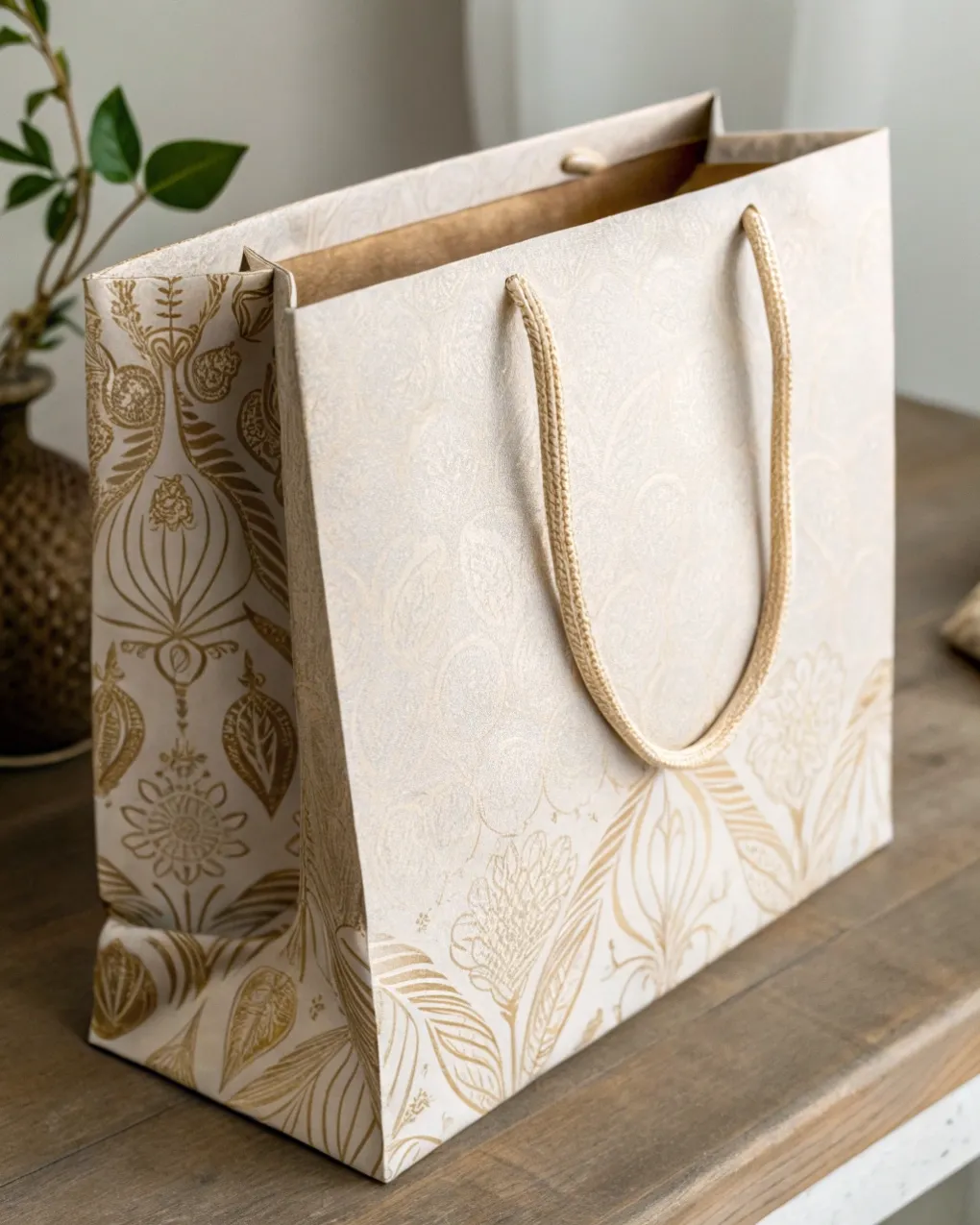
I always explain to corporate marketing managers that utility drives visibility, not the other way around. If you give someone a thin bag that cuts into their fingers, they will look for the nearest trash can. However, if your bag features reinforced cardboard bases and soft, premium handles, it immediately becomes a useful tool. Customers will keep it folded in their cars or offices, reusing it to carry lunch boxes, transport files, or pack weekend gifts. Every additional reuse keeps your minimalist corporate logo in active circulation.
Let us look closely at how a high-quality paper carrier generates value across multiple public settings over time.
Conclusion
Paper bags with handles succeed because their strong cellulose structures, rapid organic decomposition, and premium carrying comfort transform standard commercial packaging into a trusted lifestyle companion that builds long-term brand equity.