Oct 14, 2026Services Overview
Insulated & Stainless Steel Water Bottles: More Than Just Drinkware?
Discover how insulated stainless steel water bottles go beyond drinkware, offering temperature retention, durability, reusable convenience, and versatile branding opportunities.
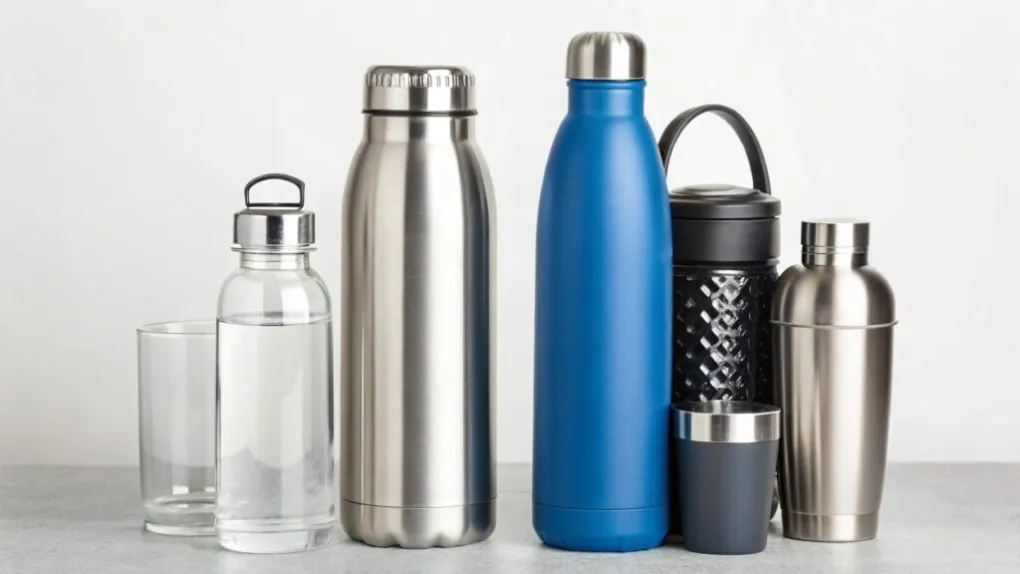
Insulated & Stainless Steel Water Bottles: More Than Just Drinkware?
Tired of lukewarm drinks and wasteful single-use plastic? There's a better way to hydrate. Discover why insulated stainless steel water bottles are changing the game.
Insulated stainless steel water bottles are not merely containers; they are symbols of conscious living, combining advanced engineering for temperature retention with the inherent integrity of stainless steel, promoting health, sustainability, and intentional consumption.

In a world constantly seeking convenience, why have these bottles become so much more than a trend? It's because they cleverly bridge the gap between keeping your drinks perfectly chilled or piping hot, and making a powerful statement about how you live your life.
Are Insulated Stainless Steel Water Bottles Safe?
Concerned about what your water bottle might be leaching into your drink? Many wonder about the safety of their everyday hydration companions. Let's explore the facts.
Yes, Insulated Stainless Steel Water Bottles are widely considered safe due to their non-reactive and non-leaching properties, ensuring that no harmful chemicals or metallic tastes transfer into your beverages, making them a secure choice for daily hydration.

The primary concern with many drinkware materials is the potential for chemicals to leach into your water, especially with repeated use or exposure to heat. Stainless steel, particularly food-grade 18/8 or 18/10 (also known as 304 or 316), is specifically chosen for its inertness. This means it does not react with acidic or alkaline beverages and will not impart any metallic taste. The double-wall vacuum insulation not only maintains temperature but also adds an extra layer of structural integrity. This ensures the bottle's longevity and prevents degradation that could lead to safety concerns. This makes them a superior choice compared to many plastic alternatives which can degrade over time and potentially release microplastics or other compounds. I have always advised my clients that safety should be the number one priority when choosing promotional items, especially for something as personal as a water bottle. My experience shows that investing in safe, high-quality materials like Stainless Steel builds trust with your audience.
Material Type | Safety Concern (Potential) | Stainless Steel Comparison |
|---|---|---|
BPA Plastics | Chemical leaching (BPA, phthalates) | Non-leaching, no harmful chemicals |
Aluminum (Lined) | Liner degradation, potential aluminum exposure | No internal liner needed, pure material contact |
Glass | Breakability, weight | Durable, shatter-resistant, lighter than solid glass |
Other Metals | Corrosion, reactivity with certain liquids | Highly corrosion-resistant, non-reactive |
Is It Healthy to Drink Water from a Stainless Steel Bottle?
Wondering if your choice of water bottle truly impacts your health? The material you drink from matters more than you might think.
Drinking water from a stainless steel bottle is indeed a healthy choice as it prevents chemical contamination, does not harbor bacteria easily, and encourages consistent hydration due to its ability to keep water fresh and at an optimal temperature.

Beyond just "not being harmful," stainless steel bottles actively contribute to a healthier lifestyle. Their non-porous surface makes them highly resistant to bacterial growth, unlike some plastics that can develop micro-scratches where microbes can thrive. This makes them easier to clean and maintain hygienically. Furthermore, the insulation encourages greater water intake by keeping your water cold and refreshing throughout the day, which is crucial for overall health, digestion, and energy levels. From my perspective, choosing a stainless steel bottle is not just about avoiding negatives; it is about embracing a positive habit that supports your well-being. It is a clear move towards proactive health management, ensuring every sip is pure and beneficial. I have seen how a simple change to a high-quality water bottle can actually encourage better hydration habits among my team and clients, leading to noticeable improvements in their daily routines.
Health Benefit | Description | How Stainless Steel Helps |
|---|---|---|
Chemical-Free | No leaching of harmful substances | Inert material, no BPA, phthalates, or lead |
Bacterial Resistance | Smooth, non-porous surface | Easy to clean, less prone to bacterial buildup |
Consistent Hydration | Maintains optimal temperature | Keeps water cold/hot, encouraging regular drinking |
Taste Purity | No metallic or plastic aftertaste | Doesn't impart flavors, ensuring pure water taste |
Which Material Is Best for a Water Bottle?
Overwhelmed by the array of water bottle materials available? Choosing the right one can feel like a maze. Let's cut through the confusion.
For most users, insulated stainless steel emerges as the best material for a water bottle due to its unparalleled combination of safety, durability, temperature retention, and eco-friendliness, offering a superior and sustainable hydration solution.

When weighing the options for water bottle materials, stainless steel consistently stands out as the frontrunner. While glass offers purity and no taste transfer, its fragility and weight can be prohibitive for active lifestyles. Plastics, even BPA-free ones, raise long-term concerns about degradation and potential microplastic release. Aluminum bottles often require internal linings that can break down. Stainless steel, however, strikes an ideal balance. It is incredibly durable, resisting dents and rust, and its natural inertness means no chemical interaction with your drink. The added benefit of double-wall vacuum insulation, a hallmark of quality stainless steel bottles, transforms a simple container into a high-performance hydration tool that supports both personal health and environmental responsibility. From my years in the gifting industry, I have seen consumer preferences shift dramatically. People now look for products that align with their values, not just their immediate needs. This means products that are not only effective but also sustainable and ethically produced. Stainless steel bottles fit this demand perfectly.
Material | Pros | Cons | Best Use Case |
|---|---|---|---|
Stainless Steel | Durable, safe, no leaching, excellent insulation, sustainable | Heavier than plastic, can be more expensive | Everyday, outdoor, office, travel |
Glass | Pure taste, transparent, no leaching | Fragile, heavy, no insulation | Home, office, less active use |
Plastic (BPA-free) | Lightweight, inexpensive, durable | Potential for microplastic release, can retain odors, no insulation | Short-term, budget-conscious, less concern for purity |
Aluminum | Lightweight | Requires liner (can degrade), dents easily, no insulation | Disposable, short-term promotional items |
Conclusion
Insulated stainless steel water bottles are transforming how we hydrate, offering a perfect blend of safety, health benefits, and sustainability. They are indeed more than just drinkware; they are symbols of conscious living.