Jun 26, 2026News & Insights
Is a Canvas Bag Business Still a Smart Choice Today?
A canvas bag business remains a smart choice today due to rising demand for eco-friendly, reusable products, especially when brands focus on quality, customization, and sustainable appeal.
Is a Canvas Bag Business Still a Smart Choice Today?
Struggling to find a sustainable product category that won't fade with next season's fashion trends? Entering a crowded market with copycat designs often leads to low margins and wasted inventory that nobody wants to buy.
A canvas bag business is a highly lucrative venture that bridges the gap between everyday utility and personal lifestyle values. These businesses thrive because canvas bags serve as reusable, long-lasting alternatives to plastic, acting as highly visible fashion statements and essential daily tools for commuting, shopping, and travel.
I have spent ten years on production lines and in branding offices, starting my career on a humble printing factory floor. I have seen countless promotional items come and go, but canvas bags always hold their ground. At Latitude, I help clients realize that you aren't just selling stitched fabric; you are selling an identity. Whether your audience cares about modern minimalism, rugged durability, or green living, a canvas bag is a blank slate for their lifestyle. Let's look at the financial reality and lifespan of running a canvas carrier brand.
How Profitable Are Tote Bags?
Are you worried that a simple fabric product cannot bring in enough revenue to sustain a growing business? Looking closely at production margins reveals that tote bags offer some of the healthiest returns in modern e-commerce.
Tote bags are highly profitable because they combine low raw material costs with immense branding potential, yielding gross profit margins between 60% and 80%. When positioned as premium lifestyle gear or custom corporate merchandise, a basic 20 to $40.
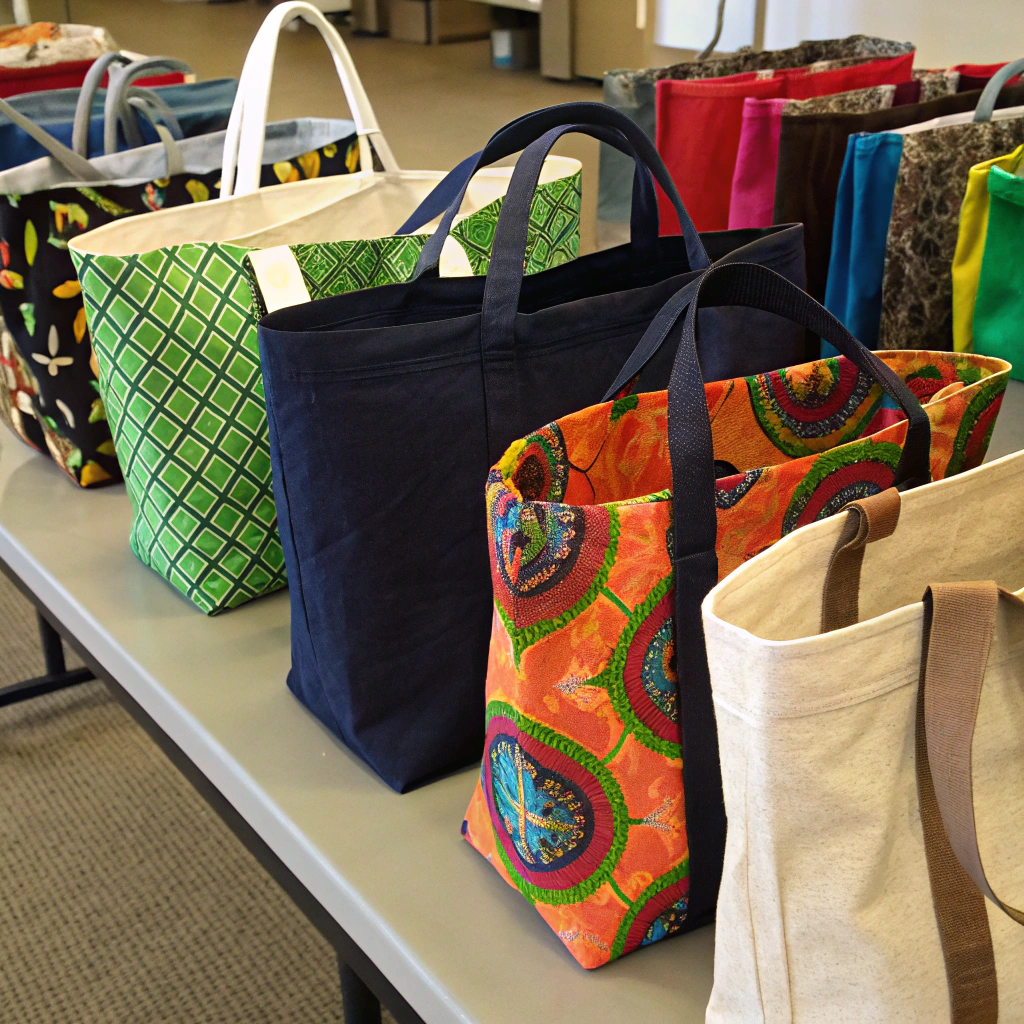
From my experience as a marketing manager, the profitability of a tote bag lives entirely in its design and emotional positioning. If you sell a blank sack, you are competing on price and making pennies. But if you add a clean layout, a useful inner pocket, and a story about intentional consumption, you turn that utility item into a fashion accessory. In the trading world, we call this "perceived value." The fabric costs stay low, but the customer is willing to pay a premium because the bag matches their personal style.
To maximize your profits, you must focus on the B2B or bulk corporate market. Companies constantly need hundreds of high-quality bags for event giveaways, trade shows, and staff welcome kits. When you handle large orders, your factory setup costs drop significantly, allowing you to secure great wholesale margins while providing your clients with an excellent, reliable product.
Business Model | Cost to Produce | Average Retail Price | Gross Profit Margin |
|---|---|---|---|
Blank Bulk Supply | Low ( | | Low to Medium |
Custom Corporate Gift | Medium ( | | High |
Retail Fashion Brand | Medium ( | | Very High |
Luxury Designer Tote | High ( | $150.00+ | Extreme |
I recall a project where we designed a limited run of 14oz canvas totes for a corporate milestone event in Singapore. We added a small metal key ring holder and used a sleek, tone-on-tone embroidery pattern. The production cost went up by just two dollars, but the client felt the bags looked like expensive boutique merchandise. It proved that small design details are the fastest way to increase your business margins.
How Long Will a Canvas Bag Last?
Are you trying to convince your customers that investing in a premium canvas bag is smarter than buying cheap plastic alternatives? The long lifetime of heavy cotton fabric is your strongest selling point.
A high-quality canvas bag will last between 4 to 6 years of daily use, easily surviving hundreds of washing cycles without losing its structural strength. This exceptional longevity makes canvas far more sustainable than thin synthetic bags that crack and split after a few months.
In my early factory days, I watched how different fabrics handled stress. Synthetic bags use plastic threads that snap when they get scraped or overloaded. Canvas uses thick, plied cotton yarns twisted together into heavy cords. If you drop a sharp metal laptop or heavy groceries inside a 14oz canvas bag, the weave naturally stretches and flexes to absorb the weight. This mechanical strength is why canvas handles daily wear so well.
The true secret to making a canvas bag last is the handle stitching. A standard straight seam will eventually pull through the fabric under a heavy load. As a rule, I always use an "X" box stitch or metal rivets to anchor the straps to the main body. This reinforces the pressure points, ensuring the handles won't rip away even if the user loads the bag with heavy books or gym gear every single morning.
Canvas Fabric Weight | Expected Lifespan | Best Daily Routine | Wash Care Limit |
|---|---|---|---|
6oz - 8oz Lightweight | 1 - 2 years | Light shopping / Laundry pouch | Gentle wash, air dry |
10oz - 12oz Midweight | 3 - 4 years | Daily commute / Office laptop bag | Standard wash machine |
14oz+ Heavyweight | 5 - 8 years | Heavy travel / Tool and book carry | Machine wash, rugged use |
I use one of our old 14oz sample bags to carry heavy printing catalogs around the city. After four years of being tossed onto train floors and packed to the brim, the fabric has softened beautifully but the seams are completely perfect. It proves that real-world durability is what transforms a promotional item into a reliable companion.
Why Are Canvas Bags Expensive?
Do your customers ever question why a high-quality canvas tote costs more than a standard plastic or thin polyester bag? The difference in price reflects premium materials, ethical manufacturing, and structural quality control.
Canvas bags are more expensive because they utilize thick, high-density cotton fibers that cost significantly more to harvest and weave than mass-produced petroleum synthetics. The higher price also covers reinforced stitching, premium hardware like brass zippers, and the labor required to handle heavy-duty textiles.
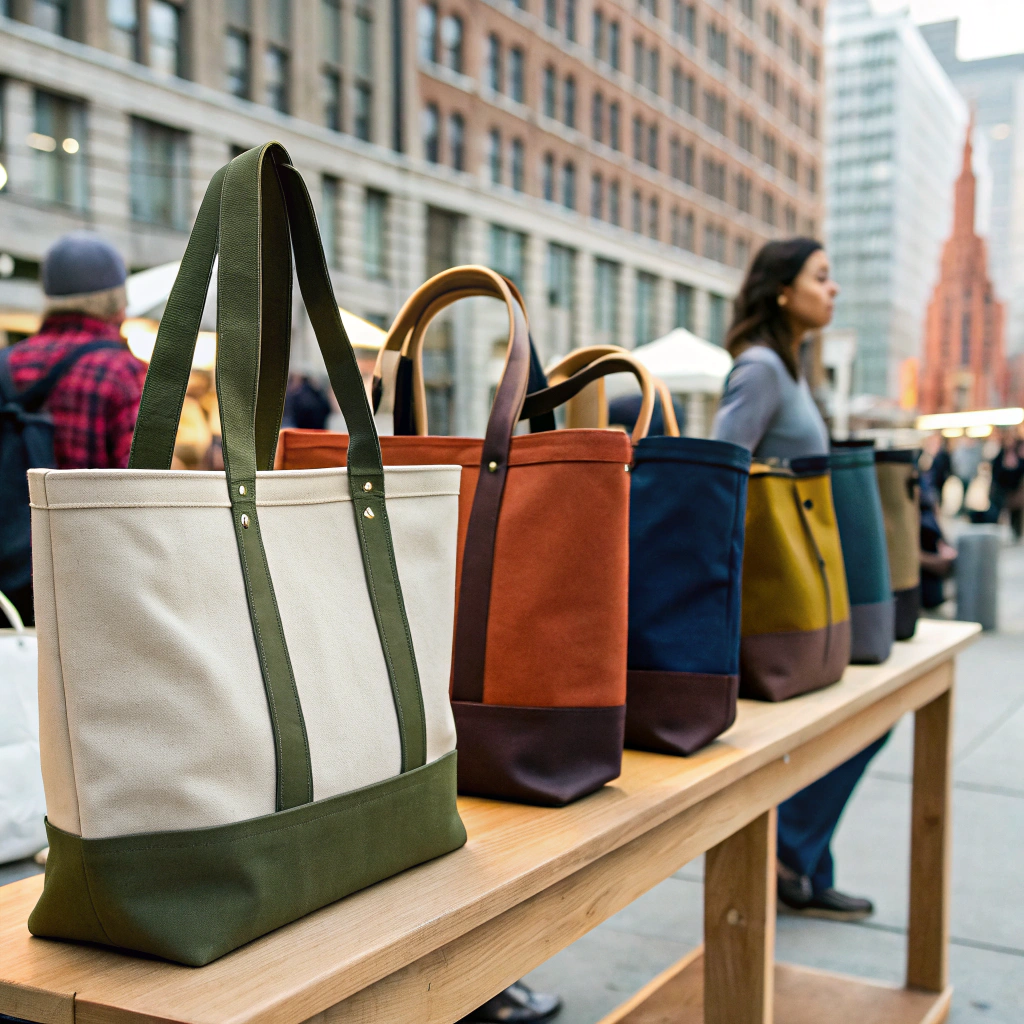
I always explain to Jacky and other marketing managers that you get exactly what you pay for in the textile industry. Cheap promotional bags use non-woven plastic sheets that roll off machines in seconds for pennies. To make real canvas, factories must harvest natural cotton, spin it into plied yarns, and use heavy industrial looms to create a tight, dense weave. The material cost alone is instantly higher because it is a genuine, natural product.
Furthermore, stitching heavy 14oz cloth requires specialized sewing machines and skilled labor. You cannot rush the assembly of a heavy-duty tote bag; the thick layers at the seams require precise tension control to prevent skipped stitches. When you buy a premium canvas bag, you are paying for that factory expertise, the clean layout, and the assurance that your logo won't shrink into a wrinkled mess after the first rainstorm.
Cost Component | Budget Promo Bag | Premium Canvas Tote | Business Impact |
|---|---|---|---|
Material Base | Recycled plastic film | 100% Cotton 14oz Duck | Determines look, feel, and touch |
Stitching Style | Heat-sealed edges | Overlocked seams with Box "X" | Prevents sudden tearing and splitting |
Hardware Trim | None / Thin plastic snaps | Solid brass zippers / Leather tabs | Increases the luxury retail perception |
Labor Grade | Fully automated assembly | Hand-guided heavy machinery | Ensures uniform layout and zero flaws |
I remember a client who tried to save money by sourcing cheap, unwashed canvas from an untrusted supplier. The bags arrived smelling like industrial oil and shrunk by 20% after a cold wash, ruining their printed design. We stepped in and remade the order using high-grade, pre-shrunk cotton canvas. The project cost more upfront, but it saved their brand from a massive public relations disaster. It taught us that quality materials are always worth the investment.
Conclusion
The canvas bag business remains powerful because it turns a simple utility carrier into a long-lasting statement of lifestyle and identity. By focusing on heavy 14oz fabrics, secure box stitching, and strategic brand positioning, you can build a highly profitable business that delivers real-world durability to your customers.