Jul 29, 2026News & Insights
Is A Canvas Bag Eco-Friendly And Worth Buying?
An eco-friendly canvas bag reduces waste through durable materials, repeated use, and sustainable fabrics, making it a practical choice for protecting the planet.
Is A Canvas Bag Eco-Friendly And Worth Buying?
Are you trying to make better environmental choices but feeling confused about eco-friendly claims? Buying cheap reusable bags that tear quickly creates more waste and frustrates your sustainability goals. Choosing a durable, high-quality canvas bag provides a practical, eco-conscious solution you can rely on every day.
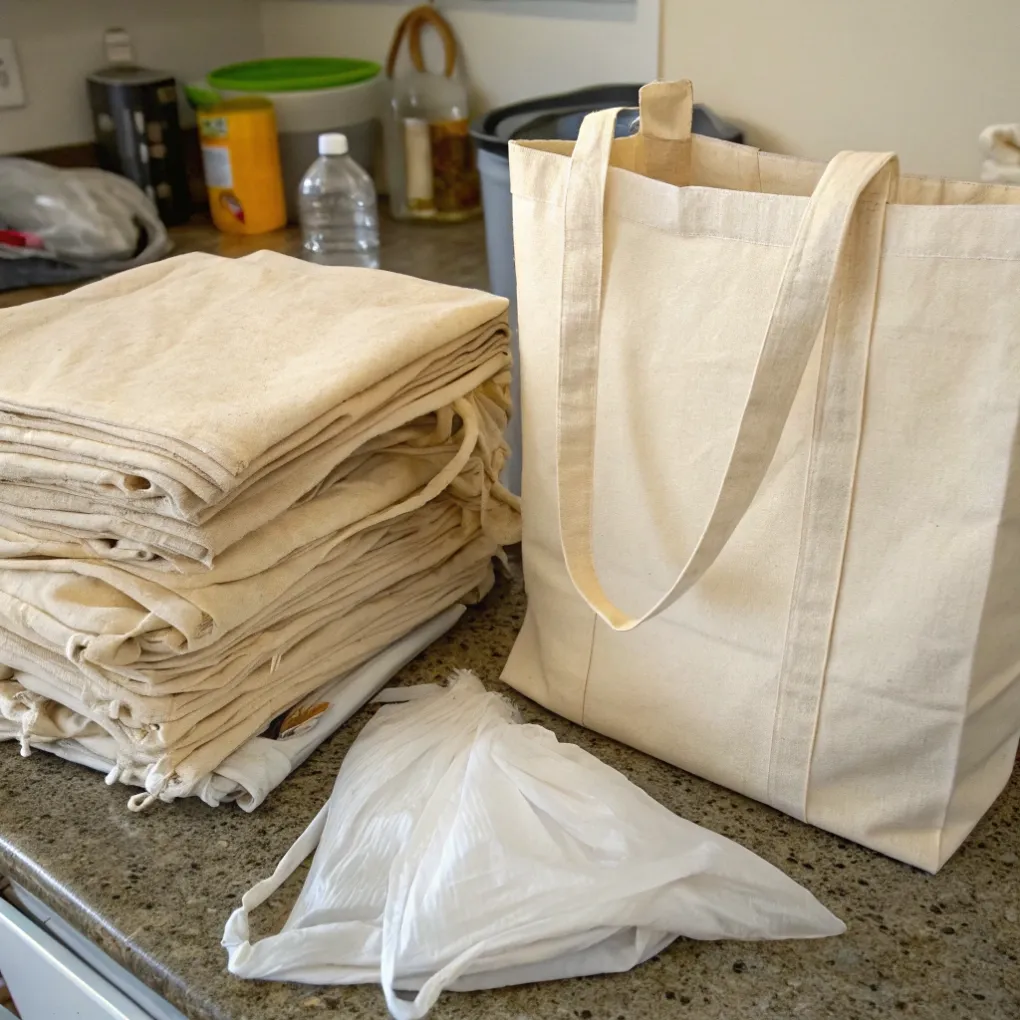
A canvas bag is eco-friendly when it is reused repeatedly over its multi-year lifespan, offsetting the resources used in its production. Made from natural cotton fibers or recycled fabrics, durable canvas totes eliminate thousands of single-use plastic bags over time.
I spent years on factory floors managing fabric textures, printing inks, and product assembly before founding Latitude. I saw firsthand how a sturdy 10oz or 12oz cotton canvas bag replaces thousands of disposable plastic sacks over its lifetime. Keep reading to discover what truly makes a bag environmentally friendly and how to choose the right eco canvas bag.
Is A Canvas Bag Eco-Friendly?
Many people wonder if cotton canvas bags are truly better for the planet than other options. You might hear conflicting reports about the high environmental footprint required to grow raw cotton. Understanding the true lifecycle of a canvas bag helps you make informed choices with confidence.
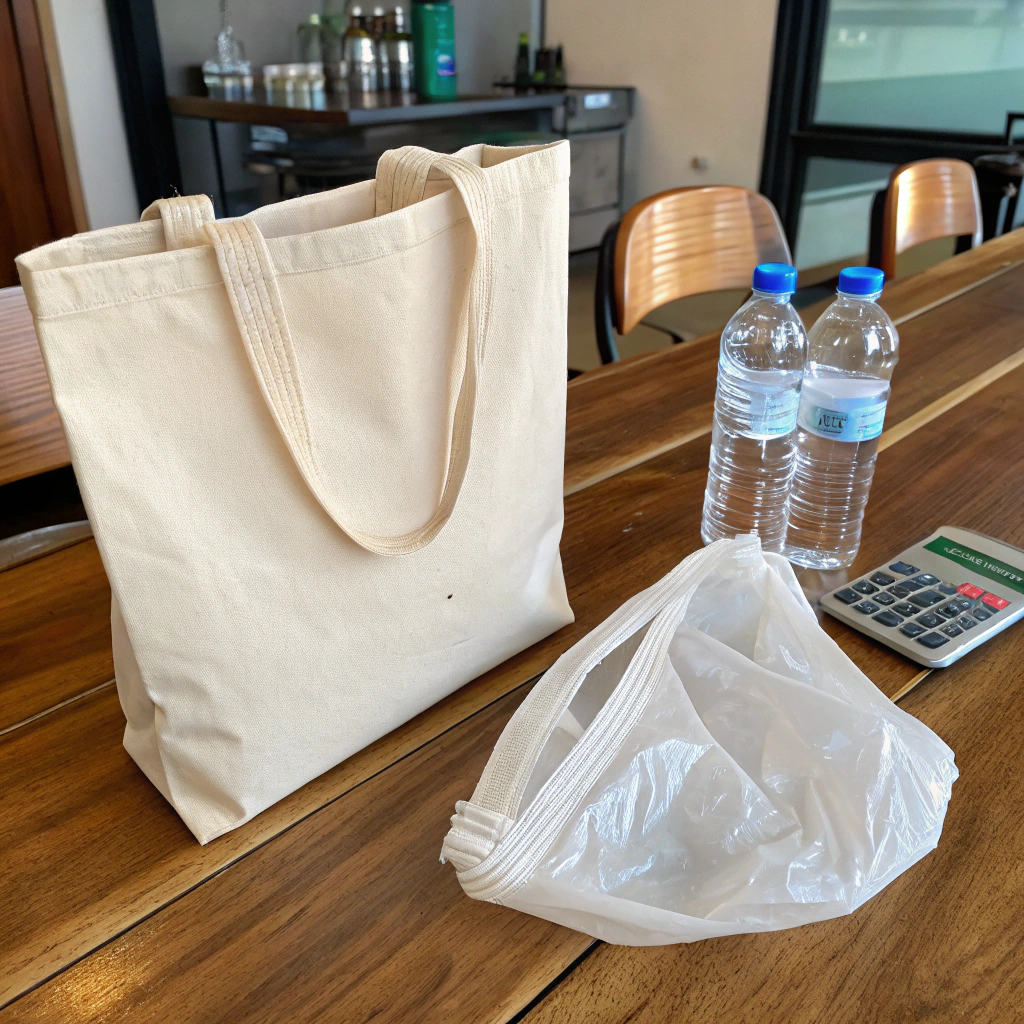
Yes, a canvas bag is eco-friendly, but its true environmental benefit depends directly on how many times you reuse it. Because raw cotton farming requires water and energy, a canvas tote must be reused between fifty to one hundred times to outperform a single-use plastic bag in total carbon footprint impact.
Understanding The Lifecycle Of Canvas Totes
During my early production days in the printing and corporate gifts industry, I evaluated many fabric options. A thin, low-cost synthetic bag might take fewer resources to make initially, but it tears at the seams after three trips to the supermarket. On the other hand, heavy cotton canvas features double-stitched handles and thick weave construction, allowing it to endure five or more years of continuous daily use. True sustainability comes from product longevity—the longer a bag stays in your daily routine, the more positive environmental value it delivers.
Bag Option | Lifespan Expectancy | Reusability Potential | Environmental Benefit |
|---|---|---|---|
Heavy Cotton Canvas | 3 to 5+ Years | Hundreds of uses | High (when reused consistently) |
Recycled Cotton (RPET) | 2 to 4 Years | Hundreds of uses | Very High (uses post-consumer waste) |
Thin Non-Woven Plastic | 1 to 3 Months | 5 to 10 uses | Low (tears easily, ends up in landfills) |
Single-Use Plastic Bag | 15 Minutes | 1 use | Extremely Low (creates major ocean waste) |
Choosing a well-constructed, heavy-duty canvas tote ensures you reach the reusability threshold easily, making your purchase a genuine win for the environment.
What Is The Most Eco-Friendly Bag?
Shopping for eco-friendly products gets overwhelming with so many eco labels and green claims online. You risk buying bags made from synthetic blends that cannot be recycled or repaired when worn down. Identifying the most sustainable bag materials keeps your lifestyle eco-conscious.
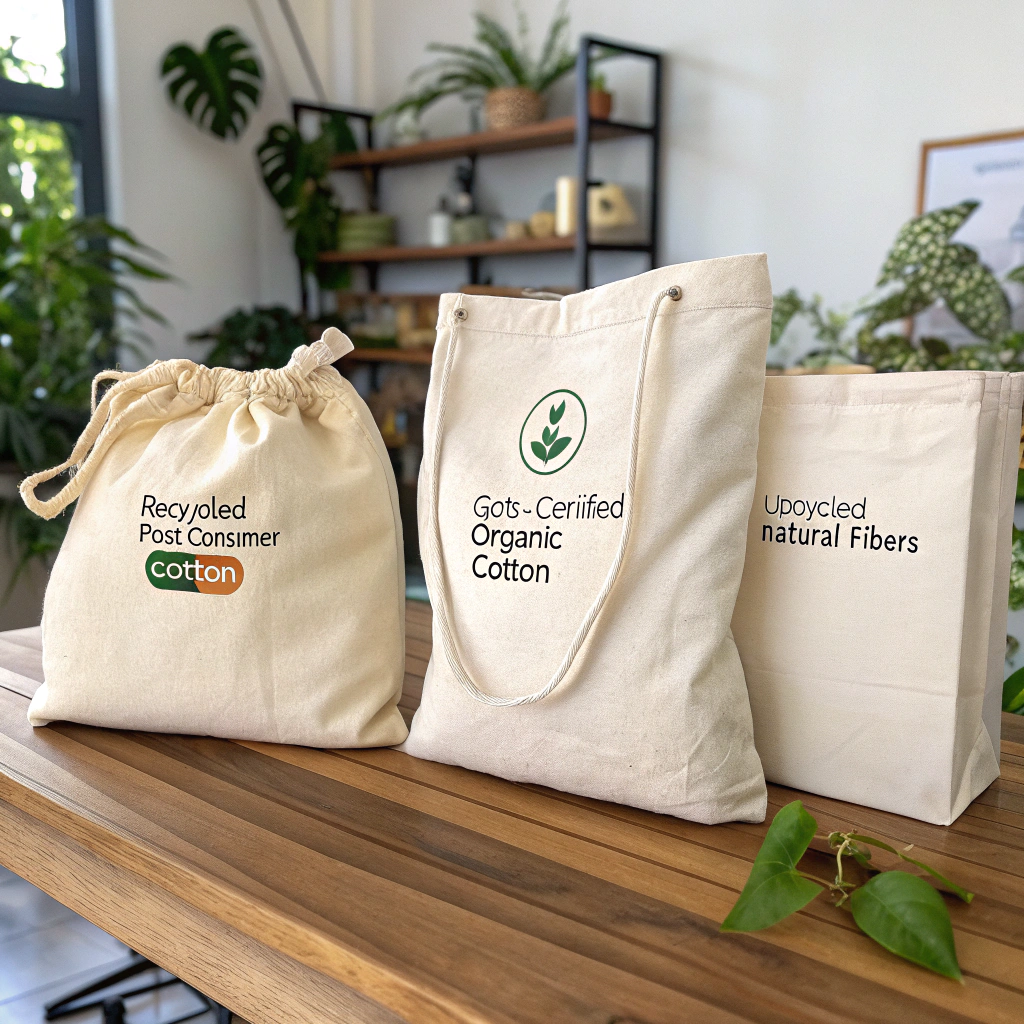
The most eco-friendly bag is one made from recycled post-consumer cotton, GOTS-certified organic cotton, or upcycled natural fibers. Choosing bags produced with unbleached, undyed natural canvas further minimizes chemical processing and water pollution.
Top Eco-Friendly Bag Material Choices
In my ten-plus years consulting with corporate clients at Latitude, I always encourage choosing unbleached organic cotton or recycled fabric blends. Organic cotton farming avoids harmful synthetic pesticides, protecting soil health and water supplies. Meanwhile, recycled cotton canvas takes post-industrial fabric scraps and turns them into fresh yarns, saving thousands of gallons of clean water during production.
Eco-Friendly Material | Environmental Strength | Primary Benefit |
|---|---|---|
Organic Cotton Canvas | Zero synthetic pesticides used | Natural, biodegradable, & safe for soil |
Recycled Cotton Blend | Uses post-industrial textile waste | Saves significant water & landfill space |
Hemp Fabric | Requires minimal water to grow | Extremely strong & naturally antibacterial |
Jute / Burlap | Fast-growing natural plant fiber | Very low processing footprint |
Opting for organic or recycled canvas materials guarantees your daily shopping bag supports responsible farming and sustainable manufacturing standards.
What Type Of Fabric Is Eco-Friendly?
Understanding textile labels can feel confusing when picking out sustainable clothing, totes, or home goods. You want to avoid synthetic petroleum-based materials like polyester or nylon that shed microplastics into water systems. Knowing which natural fabrics are eco-friendly makes green shopping easy.
Eco-friendly fabrics are sustainable textiles produced with minimal environmental impact, including organic cotton, hemp, linen, recycled cotton, and jute. These natural plant-based fabrics are renewable, biodegradable, and require low chemical processing compared to synthetic alternatives.
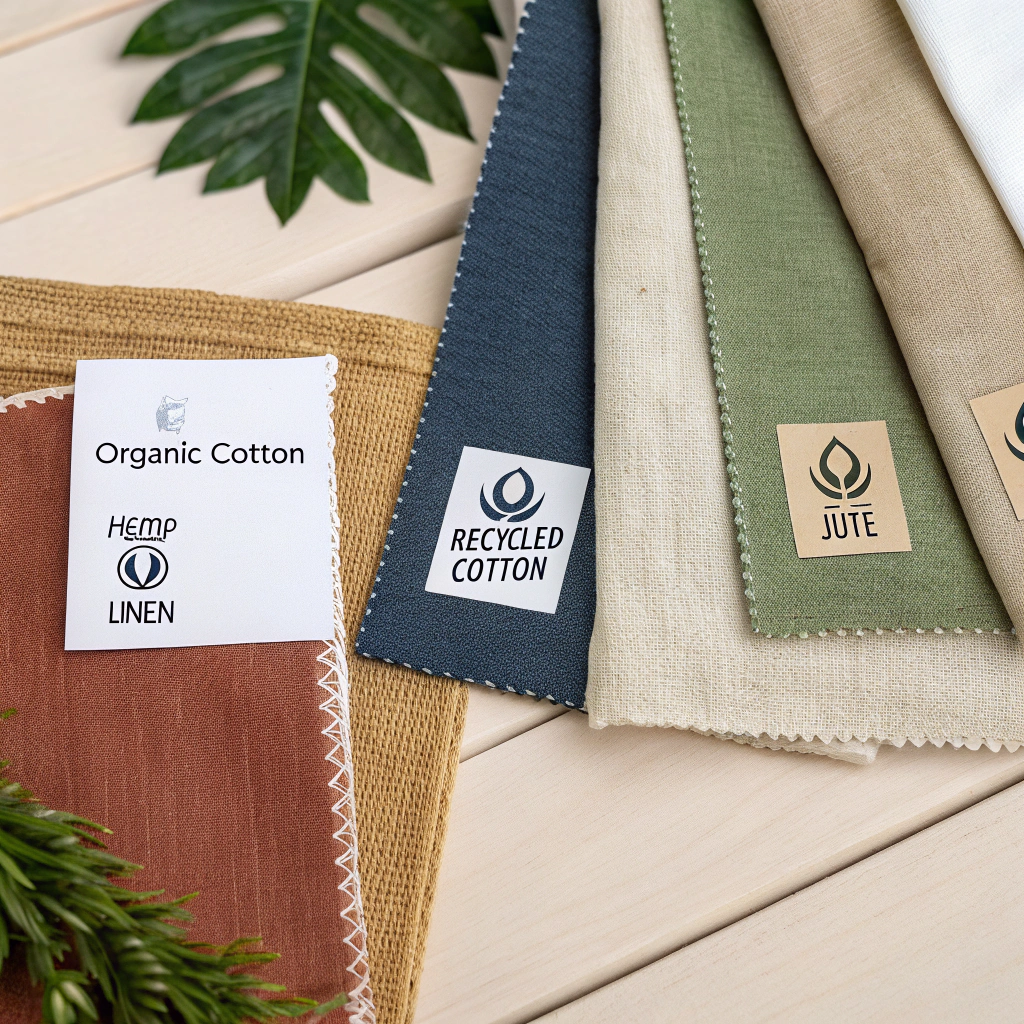
Comparing Natural Eco Fabrics For Daily Items
Working on factory floors gave me a deep appreciation for natural textile fibers. Plant-based fabrics like hemp, linen, and cotton decompose naturally at the end of their lifecycle without leaving toxic chemical residues behind. In contrast, synthetic fabrics like polyester take hundreds of years to break down in landfills. Choosing natural eco fabrics for your daily totes, apparel, and corporate merchandise helps build a cleaner, low-waste future.
Textile Type | Material Origin | Biodegradability | Overall Eco Rating |
|---|---|---|---|
Organic Cotton | Natural cotton plant | 100% Biodegradable | Excellent |
Hemp & Linen | Flax & hemp plants | 100% Biodegradable | Superior |
Recycled Polyester (RPET) | Recycled plastic bottles | Non-Biodegradable (Recyclable) | Moderate |
Standard Polyester / Nylon | Petroleum / Oil crude | Non-Biodegradable | Poor |
Prioritizing natural, renewable, and biodegradable fabrics ensures your daily choices protect the environment while offering long-lasting practical utility.
Conclusion
An eco canvas bag represents a sustainable lifestyle choice that reduces single-use waste, offering high durability, natural plant-based materials, and long-lasting reusability that benefits both your daily routine and the planet.