Oct 26, 2026News & Insights
Is a Canvas Bag Waterproof? The Truth About Fabric Mechanics and Wet Weather Protection
Canvas bags are not naturally waterproof; wax treatments, DWR sprays, and TPU linings improve water resistance and protect belongings during rainy weather.
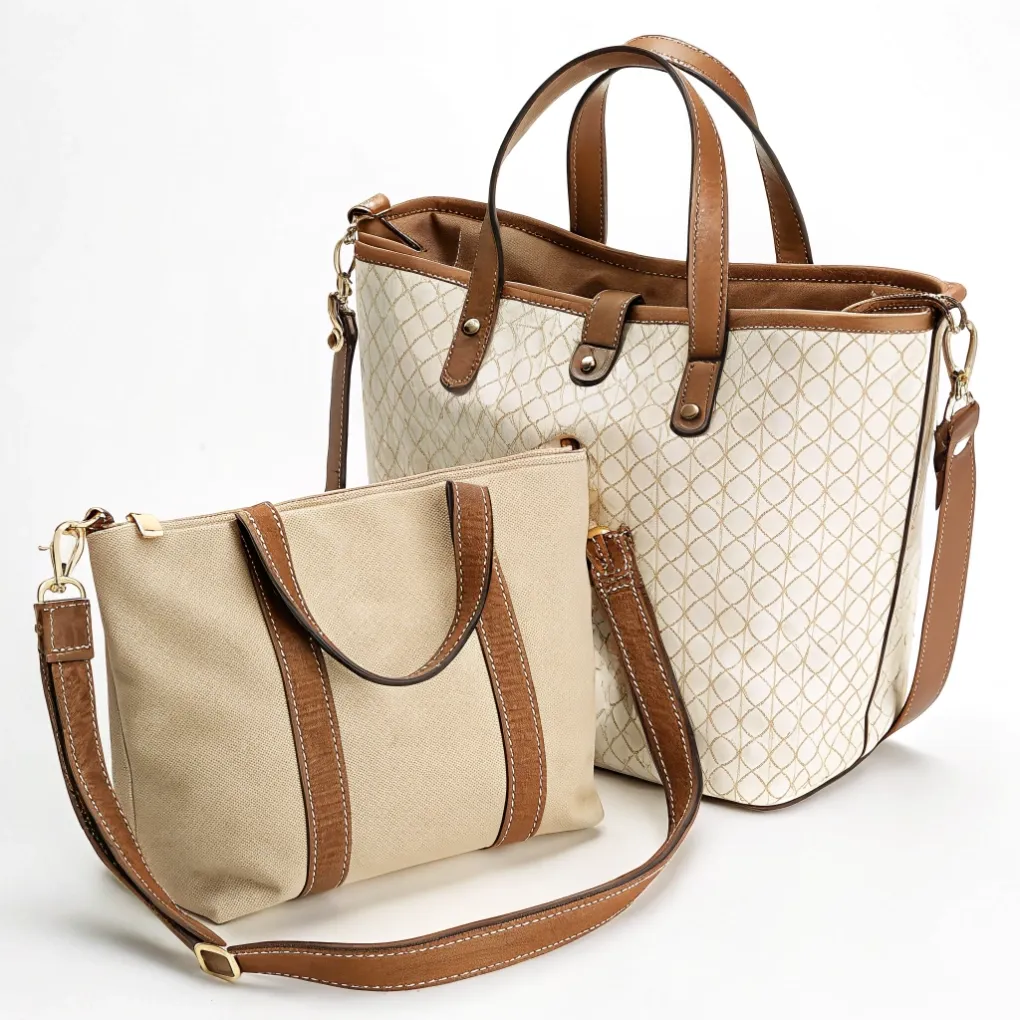
Is a Canvas Bag Waterproof? The Truth About Fabric Mechanics and Wet Weather Protection
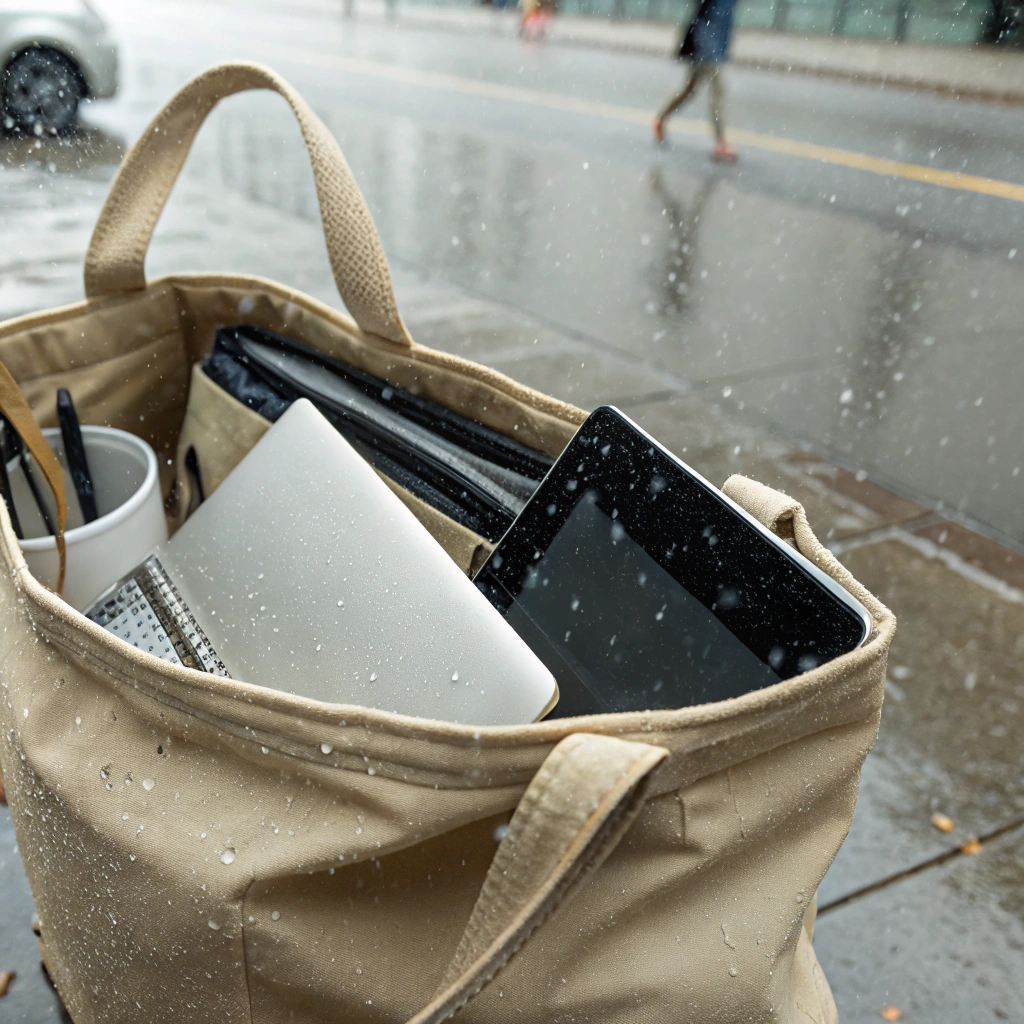
Do you regularly carry an untreated cotton canvas tote during a sudden rainstorm, assuming its thick, rugged weave will keep your laptop, notebook, and personal essentials dry, only to open it and find everything soaked? Canvas is celebrated for its exceptional tear resistance and everyday versatility, but its heavy, textured appearance creates a dangerous misconception regarding moisture protection.
Standard untreated canvas bags are not waterproof; heavy cotton fibers are naturally hydrophilic and absorb water like a sponge. While tightly woven synthetic canvas or waxed cotton can repel light drizzle, a canvas bag requires internal rubberized coatings, fluorocarbon-free DWR treatments, or sealed seams to achieve true waterproof protection.
When I started my career working on the production floor of a printing and fabrication plant years ago, I calibrated cut-and-sew machinery, inspected textile coatings, and tested hydrostatic head water pressure across thousands of bags. The difference between a bag that repels a light splash and one that survives a tropical downpour comes down to polymer chemistry and seam construction. A heavy fabric weave slows water penetration, but without specialized coatings or physical barrier linings, liquid will eventually penetrate the weave. Let us examine the downsides of canvas bags, evaluate water resistance mechanics, compare treatments like paraffin waxing and polyurethane laminations, and break down how to protect your gear in wet weather.
What Are the Downsides of Canvas Bags?
Are you wondering why high-performance outdoor outfitters rarely use raw cotton canvas for technical alpine gear? While natural cotton canvas offers classic charm and durability, its raw material limitations present clear trade-offs in everyday carrying contexts.
The main downsides of canvas bags include heavy dry weight, slow drying times when wet, susceptibility to mildew and mold, color fading from UV exposure, lack of inherent waterproofing, and severe fabric shrinkage during hot water laundering.
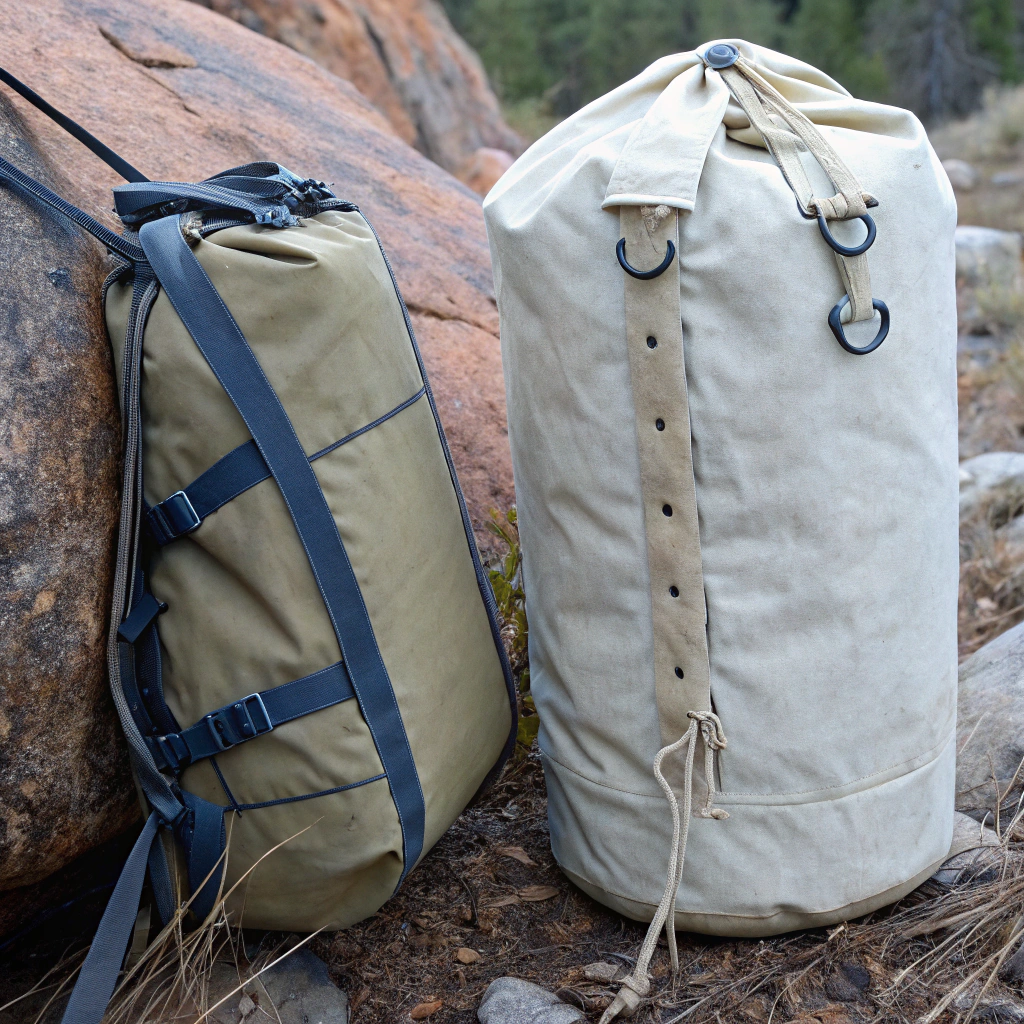
Material Mechanics: Weight, Moisture Absorption, and Maintenance
Before selecting a canvas bag for daily commuting or corporate gifting, consider these six material trade-offs:
- High Hydrophilic Moisture Absorption: Natural cotton cellulose fibers are structurally porous and absorb up to 27% of their dry weight in water. When an untreated canvas tote gets wet, the fabric becomes significantly heavier, sags under load, and transfers moisture directly to its internal contents.
- Prolonged Drying Cycle & Mildew Vulnerability: Because dense duck canvas traps water deep within its multi-ply twisted yarns, it takes hours to air-dry completely. If stored in an unventilated space while damp, natural cotton rapidly develops black mildew (Aspergillus) and persistent musty odors that degrade the fibers over time.
- Significant Laundry Shrinkage (5% to 8%): Raw, unsanforized cotton canvas shrinks severely when exposed to hot water or high-heat machine drying. Laundering an unwashed painted or screen-printed canvas tote can warp the bag’s dimensions and distort custom artwork.
- UV Degradation and Color Fading: Natural cotton fibers and organic dyes degrade under direct ultraviolet (UV) sunlight. Vibrant dyed canvas (such as navy, red, or forest green) will fade and develop white crease lines along high-friction stress points over months of daily outdoor exposure.
- Lack of Internal Compartmentalization: Standard canvas totes feature a simple single-cavity construction. Without dedicated padded sleeves or internal organizer pockets, small items sink to the bottom, and delicate electronics remain vulnerable to impacts.
- High Dry Material Weight: Heavy-duty 14 oz or 16 oz duck canvas provides exceptional durability, but the raw material itself adds noticeable base weight before you even pack your daily essentials.
For brand and event marketing managers like Jacky designing corporate travel gifts, specifying a lighter 10 oz canvas bag with an internal water-resistant TPU or PVC lining combines classic outer aesthetics with practical moisture protection.
Technical Material Metric | 100% Raw Cotton Canvas | Waxed Cotton Canvas | Heavy Polyester Canvas (600D) |
|---|---|---|---|
Natural Water Repellency | Very Poor (Saturates rapidly) | High (Water beads off) | Moderate (Synthetic low absorption) |
Tare Dry Material Weight | Moderate to Heavy | Heavy (Includes wax weight) | Lightweight |
Mildew & Mold Resistance | Very Low (Requires prompt drying) | Moderate (Wax acts as barrier) | High (Synthetic non-porous yarn) |
Laundering Maintenance | Cold hand-wash only; air dry | Never wash (Spot clean only) | Machine washable (Cold gentle) |
Are Canvas Handbags Waterproof?
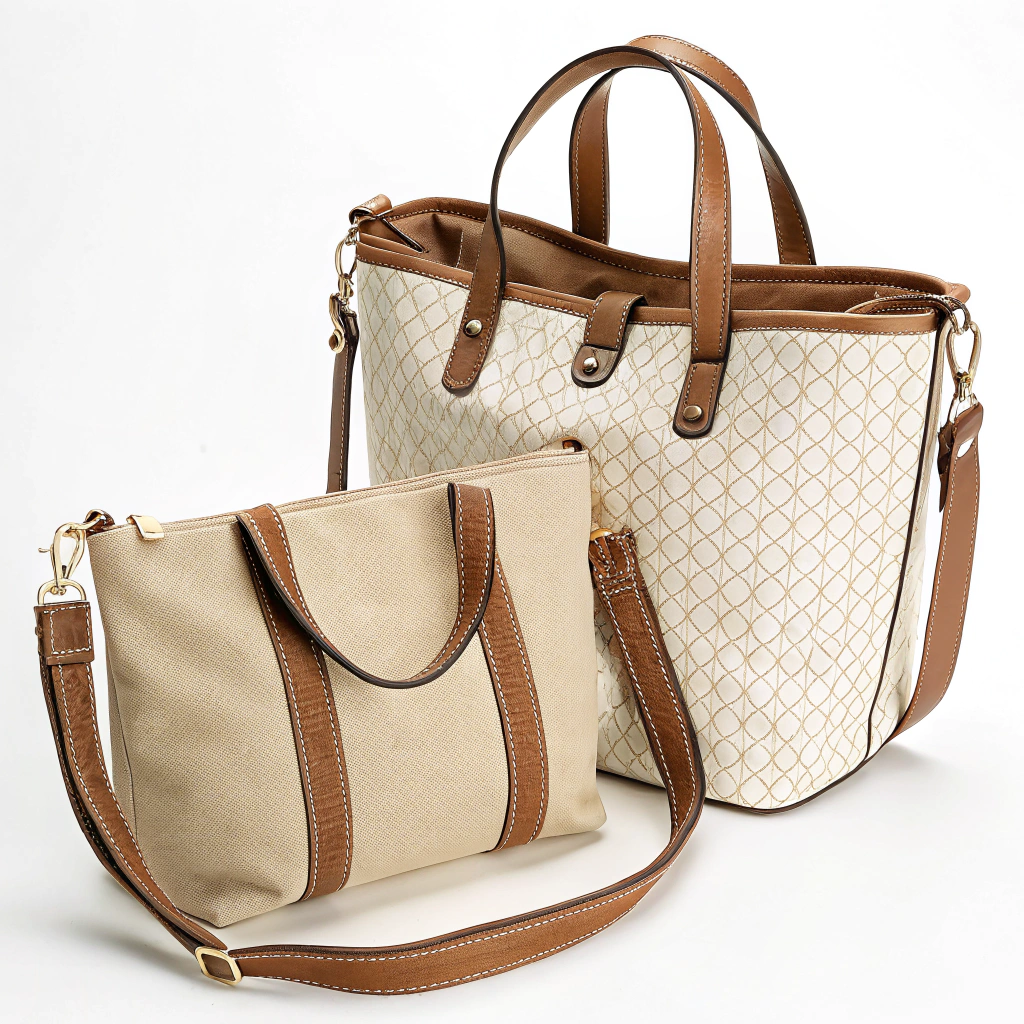
Have you ever purchased a stylish designer canvas handbag or branded canvas crossbody bag, assuming its high retail price guaranteed weatherproofing during rainy commutes? Price tags and brand prestige do not alter textile physics.
No, luxury and everyday canvas handbags are generally not waterproof unless explicitly constructed with an internal TPU/PVC laminate backing, treated with a Durable Water Repellent (DWR) finish, or made from paraffin-waxed duck canvas.
Water Resistance vs. True Waterproofing in Fashion Handbags
When evaluating canvas fashion bags or executive totes, it is critical to distinguish between surface water resistance and complete waterproof protection:
- Untreated Fashion Canvas (Cotton Canvas): Most designer canvas handbags feature a soft, breathable hand-feel. Because they lack rubberized backings or chemical DWR coatings, rainfall quickly saturates the outer shell, staining lighter fabrics and seeping through needle holes to damage internal leather linings.
- Coated / Coated-Canvas Handbags (PVC/PU Coated): Premium “coated canvas” handbags (frequently used by luxury heritage brands) feature a heavy layer of Polyvinyl Chloride (PVC) or Polyurethane (PU) hot-melted onto the exterior canvas substrate. This layer makes the outer shell completely waterproof and wipe-clean, though unsealed seams and open top zippers can still allow water entry during heavy downpours.
- The Seam and Needle Hole Flaw: Standard handbags are assembled using industrial lockstitch sewing machines. Every stitch punctures two to four needle holes per centimeter through the fabric. Under sustained hydrostatic pressure, water easily leaks through these unsealed stitch lines, even if the fabric itself is coated.
Handbag Construction Type | Outer Shell Treatment | Seam Sealing Status | Rain Performance Threshold |
|---|---|---|---|
Raw Unlined Canvas | Zero coating | Open needle holes | Fails instantly (Saturates in drizzle) |
Waxed Canvas Handbag | Paraffin / Beeswax finish | Open needle holes | Resists light rain for 20–30 minutes |
PVC Coated Canvas | Hot-melt PVC resin layer | Unsealed seams | Shell is 100% waterproof; seams leak |
Technical Sealed Tote | DWR Coating + TPU Film | High-frequency welded seams | 100% Waterproof (Withstands downpours) |
How to Waterproof a Canvas Bag: Treatments and Testing
Are you looking to upgrade an existing canvas tote or custom corporate bag so it safely protects your laptop, books, and gear during rainy commutes? You can significantly enhance a canvas bag’s moisture resistance using three proven factory and DIY application methods.
You can make a canvas bag water-resistant by applying a wax rub-down (paraffin/beeswax blend), spraying a fluorocarbon-free DWR silicone fabric protector, or inserting an internal dry-bag lining.
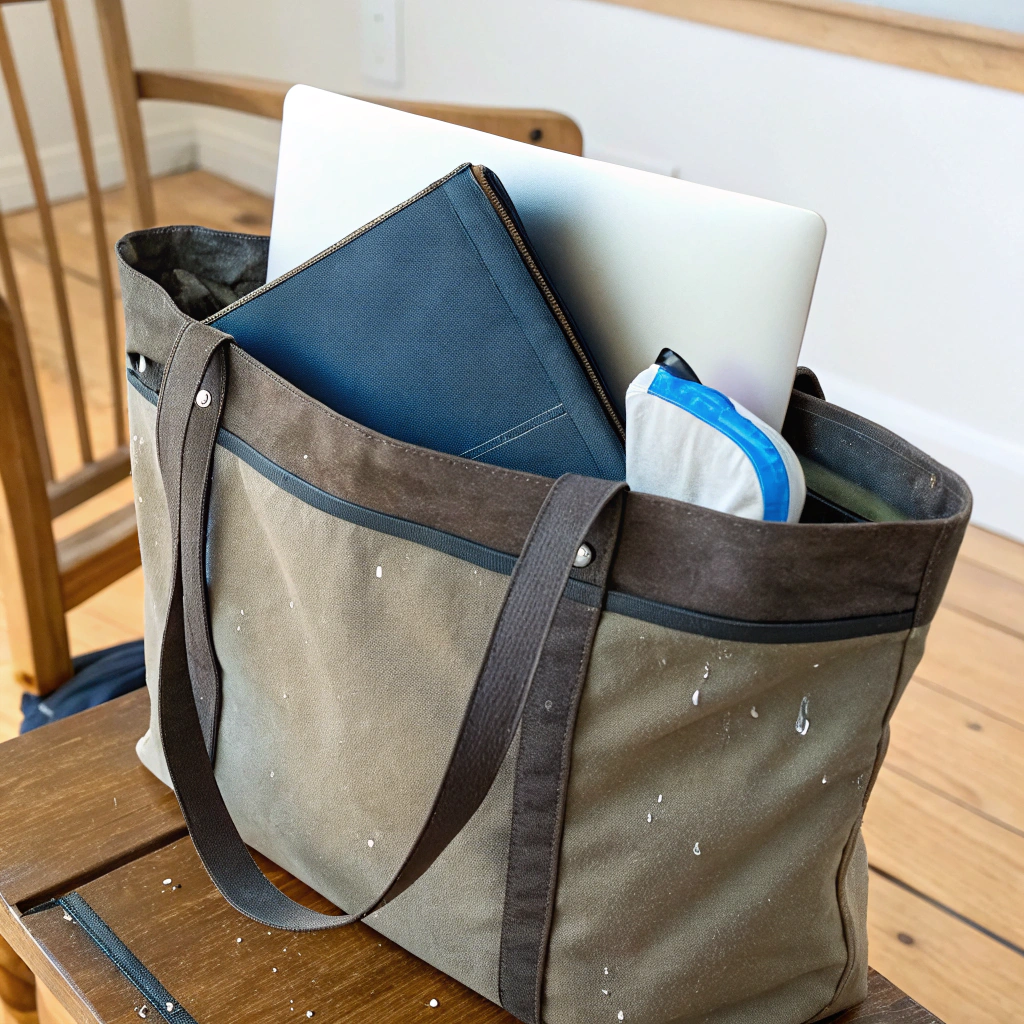
Three Proven Canvas Waterproofing Methods
Select the treatment method that best matches your aesthetic preferences and maintenance capacity:
- The Traditional Waxing Method (Otter Wax / Fjällräven Greenland Wax): Rub a solid block of paraffin and beeswax evenly across clean, dry canvas until a visible white film forms. Use a household hairdryer or heat gun on medium heat to melt the wax deep into the woven cotton cellulose fibers. As it cools, the wax hardens into a water-repellent barrier that gives the bag a classic, weathered patina. Note: Waxing darkens the fabric tone and cannot be machine washed.
- Fluorocarbon-Free DWR Polymer Sprays (Nikwax Cotton Proof / Grangers): Spray an even coat of water-based silicone or fluorocarbon-free DWR polymer over the exterior fabric from a distance of 15 to 20 cm. Allow the bag to air-dry completely flat for 24 hours. The treatment coats individual yarns, causing water droplets to bead up and roll off without altering the fabric’s original color or soft hand-feel.
- Internal TPU Film Laminate (Factory Sourcing): For custom manufacturing runs, specify a 0.15 mm Thermoplastic Polyurethane (TPU) film laminated directly onto the interior face of the canvas. This keeps the soft, natural cotton texture on the exterior while creating a 100% waterproof inner barrier that stops liquid from touching internal gear.
Waterproofing Method | Visual & Tactile Result | Re-Application Cycle | Primary Best Application |
|---|---|---|---|
Otter Wax / Beeswax Bar | Darker tone; rugged, stiff patina | Every 6 to 12 months | Outdoor heritage totes, field bags |
Fluorocarbon-Free DWR Spray | Unchanged (100% Invisible) | Every 3 to 6 months | Daily commuter totes, printed merch |
Interior TPU Lamination | Natural exterior; smooth plastic interior | Permanent (Lifetime build) | Professional custom corporate bags |
Conclusion
Standard canvas bags are naturally porous and not waterproof, but understanding the differences between raw cotton, synthetic canvas, DWR sprays, and internal laminations allows you to choose or upgrade the right bag to keep your gear completely dry in any weather.