Jun 26, 2026Services Overview
Is Canvas Bag Cloth the Best Material for Everyday Carryalls?
Canvas bag cloth is popular for everyday carryalls because it offers durability, versatility, and a casual style, though the best material depends on comfort, weight, and daily use needs.
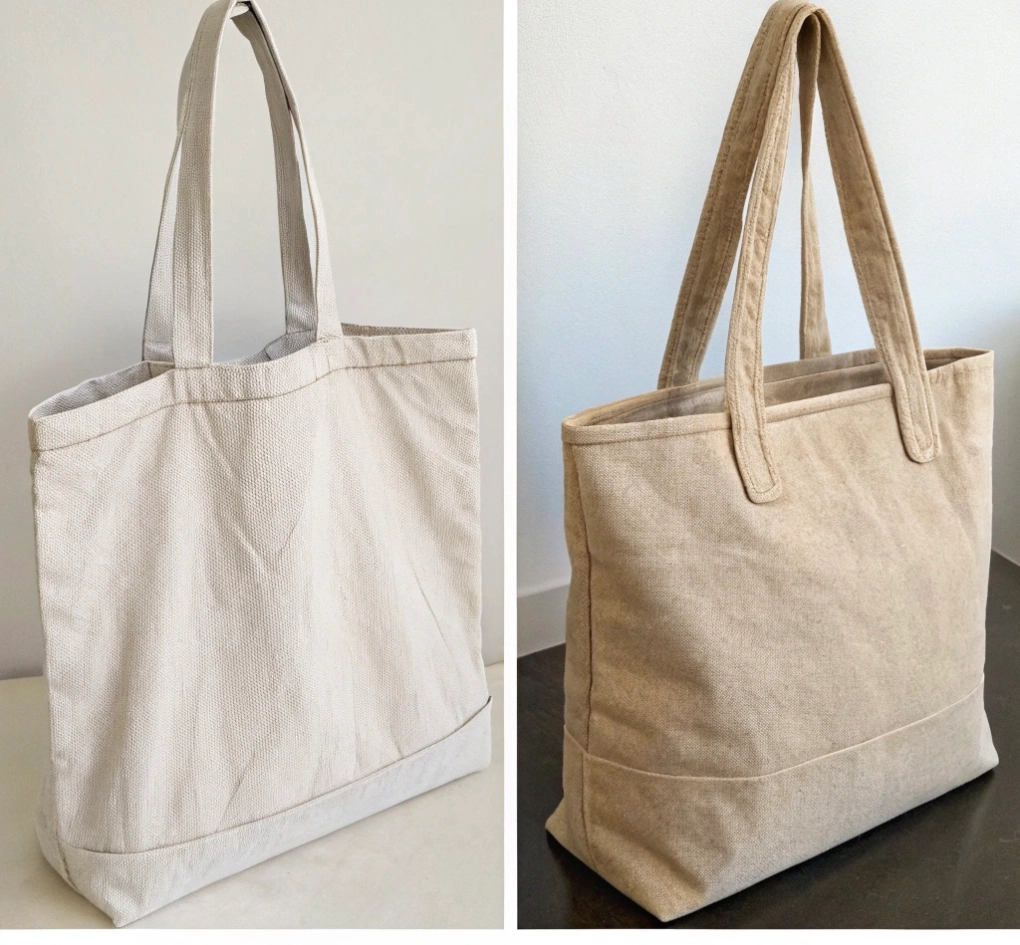
Is Canvas Bag Cloth the Best Material for Everyday Carryalls?
Struggling with weak, flimsy bags that tear at the seams when loaded with daily essentials? Most synthetic fabrics feel slick, manufactured, and wear out quickly, leaving you with an unreliable carrier that looks beaten up after just a few weeks of use.
Canvas bag cloth is an exceptionally durable, tightly woven fabric traditionally made from cotton or linen. It serves as an ideal material for everyday bags because it balances heavy-duty tensile strength with natural flexibility, allowing it to soften and adapt to your daily routine without tearing or breaking over time.
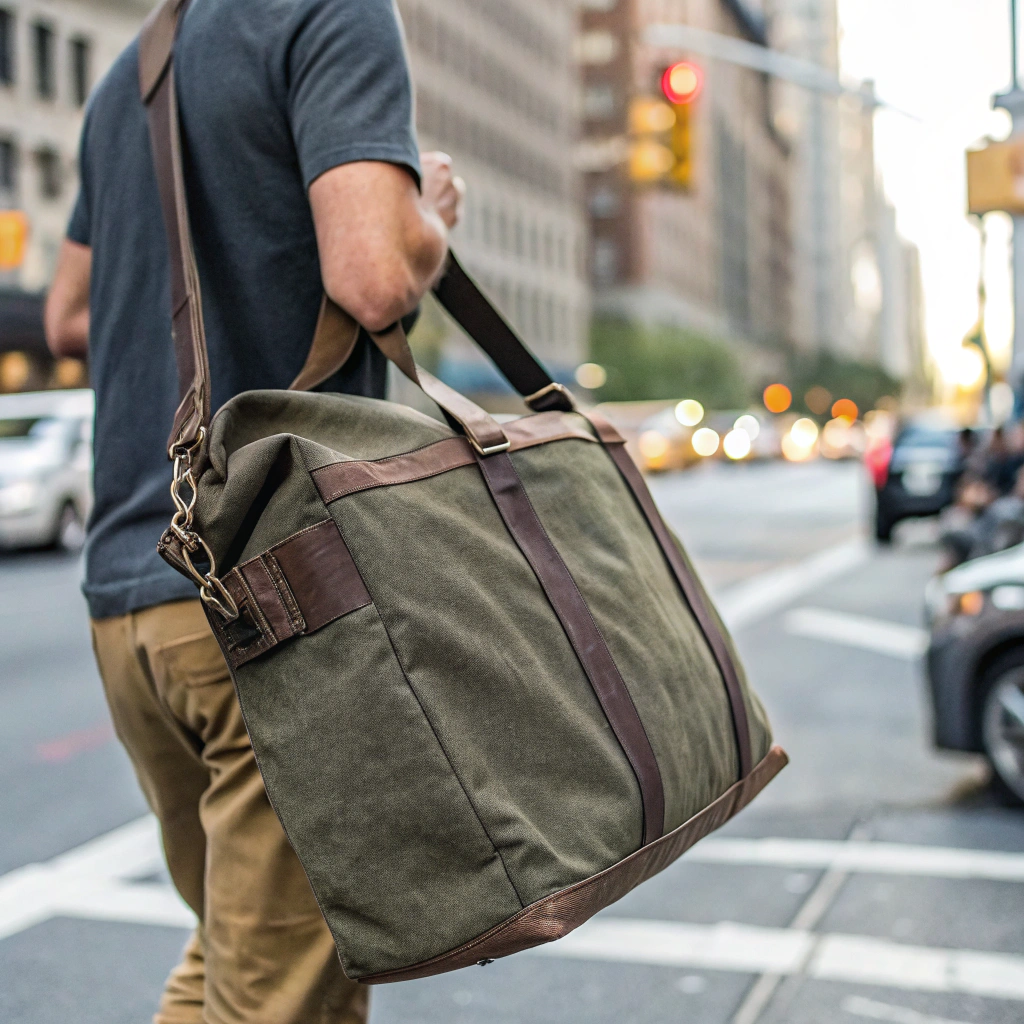
I have spent ten years on production floors and in branding offices, starting my journey in a humble printing factory. I have learned that a bag's fabric dictates its entire lifespan. When clients come to Latitude looking for promotional gifts, I always point them toward heavy canvas cloth rather than cheap synthetic nylon. Canvas has a history of hard work—it was used for sails and tents long before it became a fashion choice. It is an honest material that communicates reliability the moment you touch it. Let's look at what makes this cloth so special for daily carryalls.
Is Canvas Fabric Good for Bags?
Are you wondering if a traditional, natural fabric can handle the rough reality of your modern commuting routine? Testing the fabric against daily wear proves that canvas offers advantages that plastic-based materials simply cannot match.
Yes, canvas fabric is excellent for bags due to its incredible resistance to abrasion, heavy weight capacity, and natural breathability. Unlike synthetics that scratch and peel, canvas develops a soft, textured character through repeated use, making it both a highly practical tool and a timeless style statement.
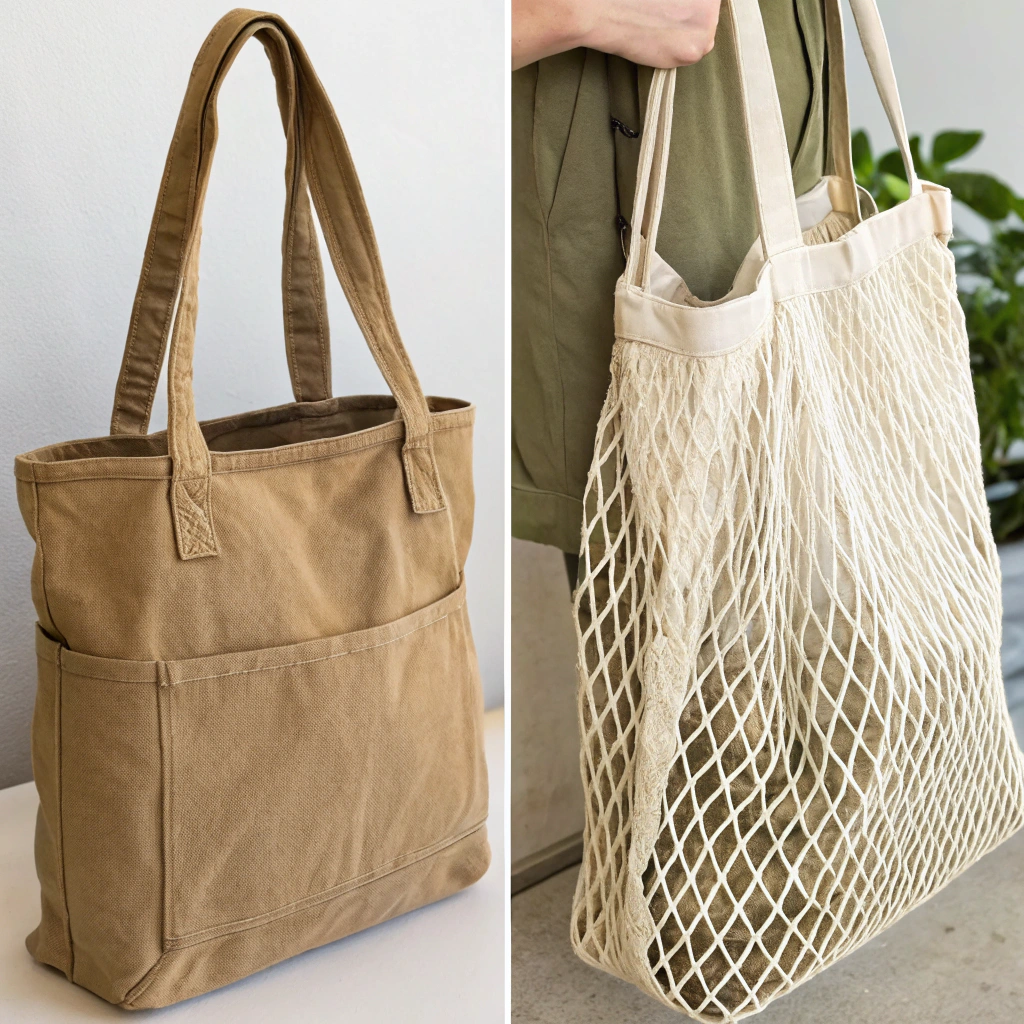
From my perspective as a marketing manager, canvas is the ultimate "relationship fabric." When you buy a plastic backpack, it looks its best on day one; from there, it only gets scratched and degraded. Canvas behaves like a pair of premium denim jeans. It absorbs the stories of your travels, softening at the pressure points and folding naturally to fit your body shape. This unique aging process creates a deep sense of familiarity that makes people want to keep using the same bag for years.
In Singapore’s warm climate, the natural breathability of cotton canvas is another huge win. Synthetic bags trap heat against your back or shoulder, causing discomfort during long walks. Canvas allows air to move through the weave naturally. Furthermore, because it is an organic textile, it handles fabric inks beautifully during custom printing, allowing your corporate logo to set deeply into the cloth without the risk of flaking or peeling off in the sun.
Fabric Material | Resistance to Tearing | Aging Characteristics | Look and Feel |
|---|---|---|---|
Cotton Canvas | Extremely High | Softens and gains character | Classic, premium, and human |
Polyester / Nylon | Medium to High | Scratches, cracks, and frays | Shiny, technical, artificial |
Thin Cotton Sheeting | Low (Tears easily) | Wrinkles heavily, thins out | Cheap, limp, promotional |
I recall a project where we supplied heavy canvas messenger bags to a logistics team. These workers carried tools and heavy handheld scanners all day. A year later, the bags looked beautifully weathered but remained completely intact. It proved to me that canvas doesn't need high-tech coatings to be tough—the strength is built right into the weave.
What Type of Canvas Is Best for Bags?
Are you confused by all the different grades and descriptions of canvas cloth available from suppliers? Finding the best type means understanding fabric weights and blend compositions to match your specific daily tasks.
The best type of canvas for daily utility bags is a 12oz to 14oz 100% cotton canvas, which offers a sturdy, self-supporting structure without feeling overly rigid. For outdoor travel or active environments, a blended cotton-poly canvas treated with a water-resistant coating provides the best mix of strength and weather protection.
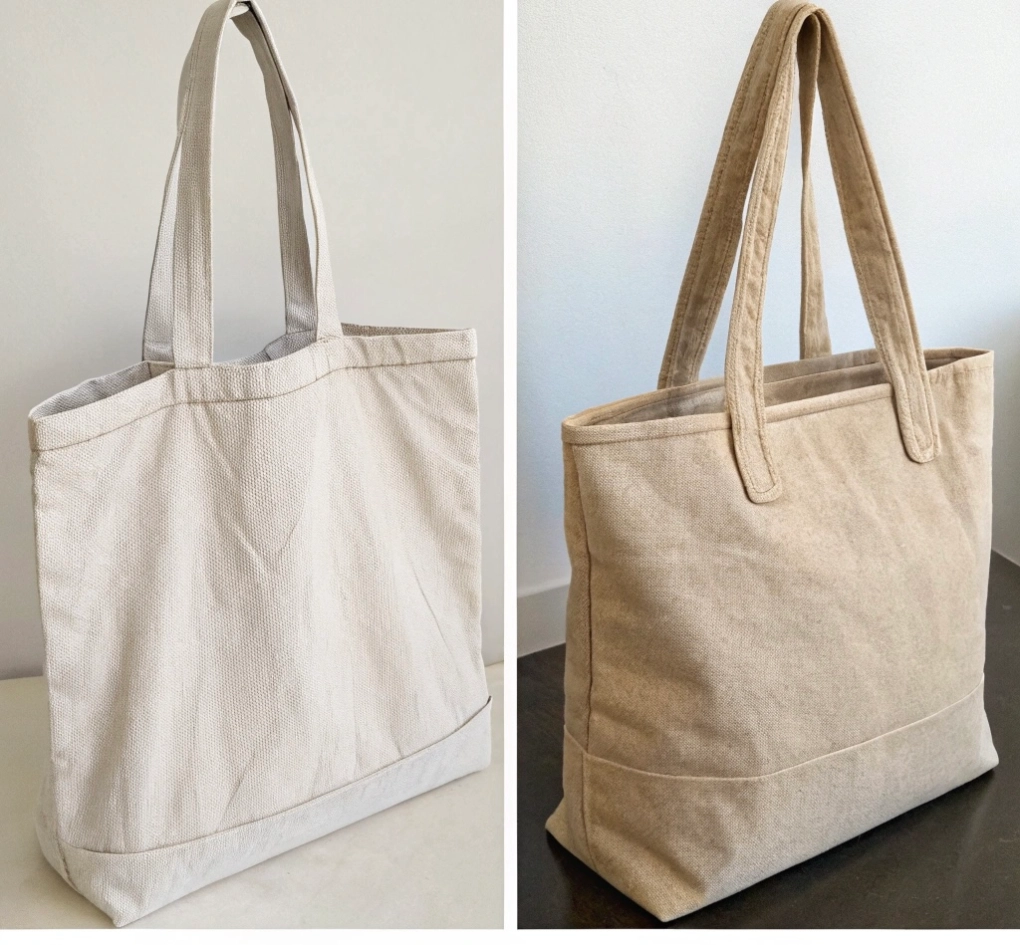
When managing product lines, I classify canvas by its weight and its fiber blend. "Duck canvas" is a specific term you will see often; it comes from the Dutch word doek, meaning linen cloth. It features a tighter, smoother plain weave than regular canvas, making it exceptionally good at blocking wind and resisting snags. For an everyday work tote, duck canvas in a 12oz weight is my absolute favorite choice because it balances portability with a neat, professional appearance.
If you are choosing fabric for a premium gift line, you must also look at the yarn type. Combed cotton yarns create a smooth, clean surface that is perfect for fine-line screen printing or detailed embroidery. Carded yarns are more affordable and give the cloth a rustic, slubby texture that fits a rugged, outdoor brand identity. My goal is to match these tactile details to your brand story so the bag feels intentional from the very first touch.
Canvas Grade | Best Technical Use | Material Structure | Visual Appeal |
|---|---|---|---|
Single-Fill Canvas | Lightweight promotional pouches | Looser weave, highly flexible | Casual, budget-friendly |
Numbered Duck Canvas | Premium work totes and backpacks | Plied yarns, ultra-dense weave | Crisp, structured, high-end |
Synthetic Blend Canvas | Travel gear / All-weather packs | Cotton mixed with polyester fibers | Matte finish, wrinkle-resistant |
I remember assisting a client who wanted to design a premium laptop case. They initially looked at a thick 18oz industrial canvas, but it was so stiff that the sewing machines struggled with the corners. We switched to a washed 14oz duck canvas. It retained that heavy, protective thickness but had enough flexibility to stitch cleanly, creating a sleek and durable final product.
What Is the Difference Between Cotton and Canvas Bags?
Do you find yourself using the words "cotton" and "canvas" as if they mean the exact same thing? While they share the same natural plant origin, their internal structural layouts separate them completely in terms of strength and purpose.
The difference between cotton and canvas bags lies entirely in the weight and weaving pattern of the fabric. Standard cotton bags use a lightweight, simple plain weave that yields a thin, flexible cloth like a t-shirt, while canvas bags use a double-warp or heavy plied-yarn weave to create a thick, rugged cloth built for maximum durability.
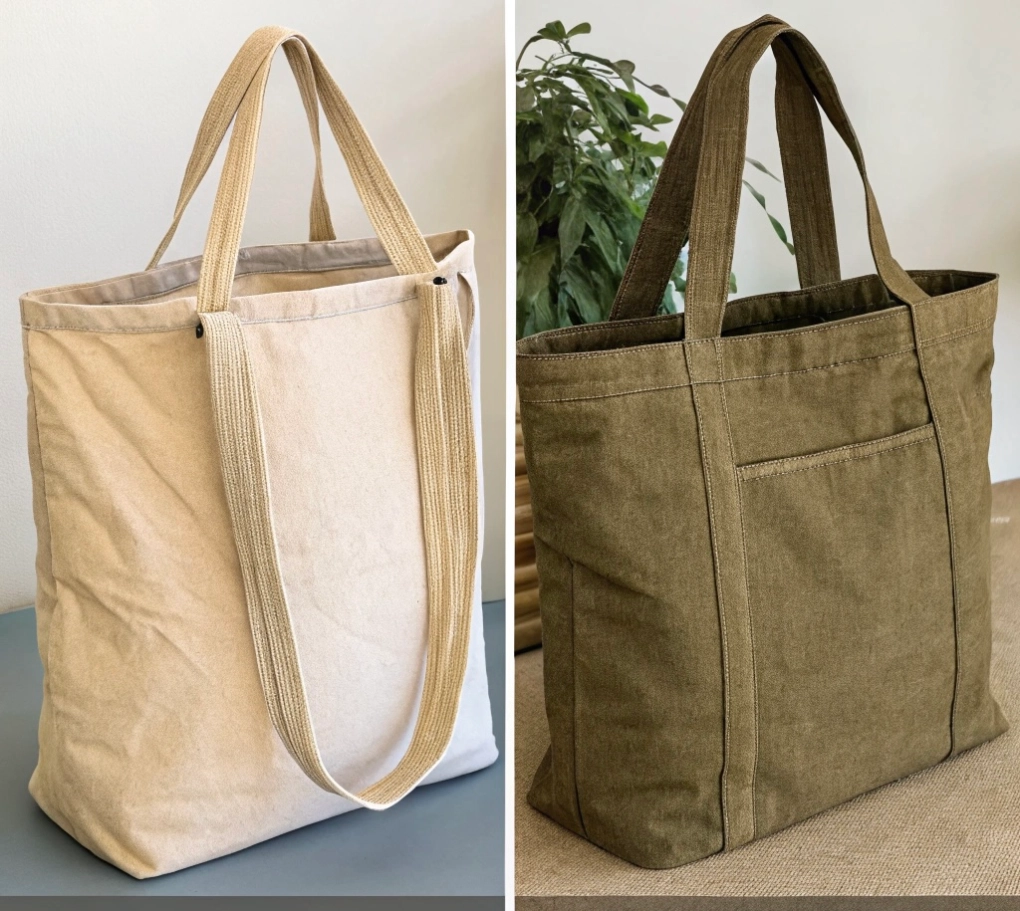
I often clarify this fabric puzzle for Jacky and other marketing managers who are sourcing gear. Think of a standard cotton bag as a basic t-shirt for your groceries. It is lightweight, highly packable, and folds down into a tiny square that you can slip into your pocket. It is perfect for carrying a few magazines or a loaf of bread, but if you load it with heavy laptops or sharp metal binders, the thin threads will quickly stretch out of shape and tear.
Canvas is the heavy-duty coat of the fabric world. To make canvas cloth, factories twist multiple cotton fibers together into thick cords before weaving them on the loom. This creates that characteristic textured surface and immense strength. A canvas bag won't sag when you drop a heavy water bottle inside, and it stays open on your office desk like a real storage container. It shifts the product from a temporary sack into a long-lasting piece of personal property.
Attribute | Standard Cotton Bag | Heavy Canvas Bag |
|---|---|---|
Yarn Thickness | Fine, lightweight threads | Thick, plied or twisted cords |
Weave Pattern | Simple single plain weave | Double-warp or heavy basket weave |
Structural Integrity | Limp, collapses completely | Stiff, holds its outline when set down |
Primary Utility | Light shopping / Document carrier | Heavy daily commute / Gym / Travel |
I once saw an event organizer hand out ultra-thin cotton pouches for a tech seminar. By mid-day, the straps were digging into the guests' shoulders because the heavy catalogs inside were causing the fabric to stretch into narrow cords. We redid the project for their next summit using a 12oz canvas tote with flat, reinforced cotton handles. The attendees carried them comfortably all week, showing that the weave pattern directly dictates the user experience.
Conclusion
Canvas bag cloth succeeds because it honors its functional heritage of strength and simple utility. By selecting heavy-duty 12oz duck canvas and understanding how its heavy weave protects your gear, you can create a reliable, personal carryall that eliminates disposable waste and strengthens your daily routine.