Aug 5, 2026Services Overview
Is It Healthier to Drink Out of Glass or Stainless Steel?
Compare glass and stainless steel bottles to discover which is healthier. Learn about safety, durability, cleaning, and daily use benefits to choose the right bottle for your lifestyle.
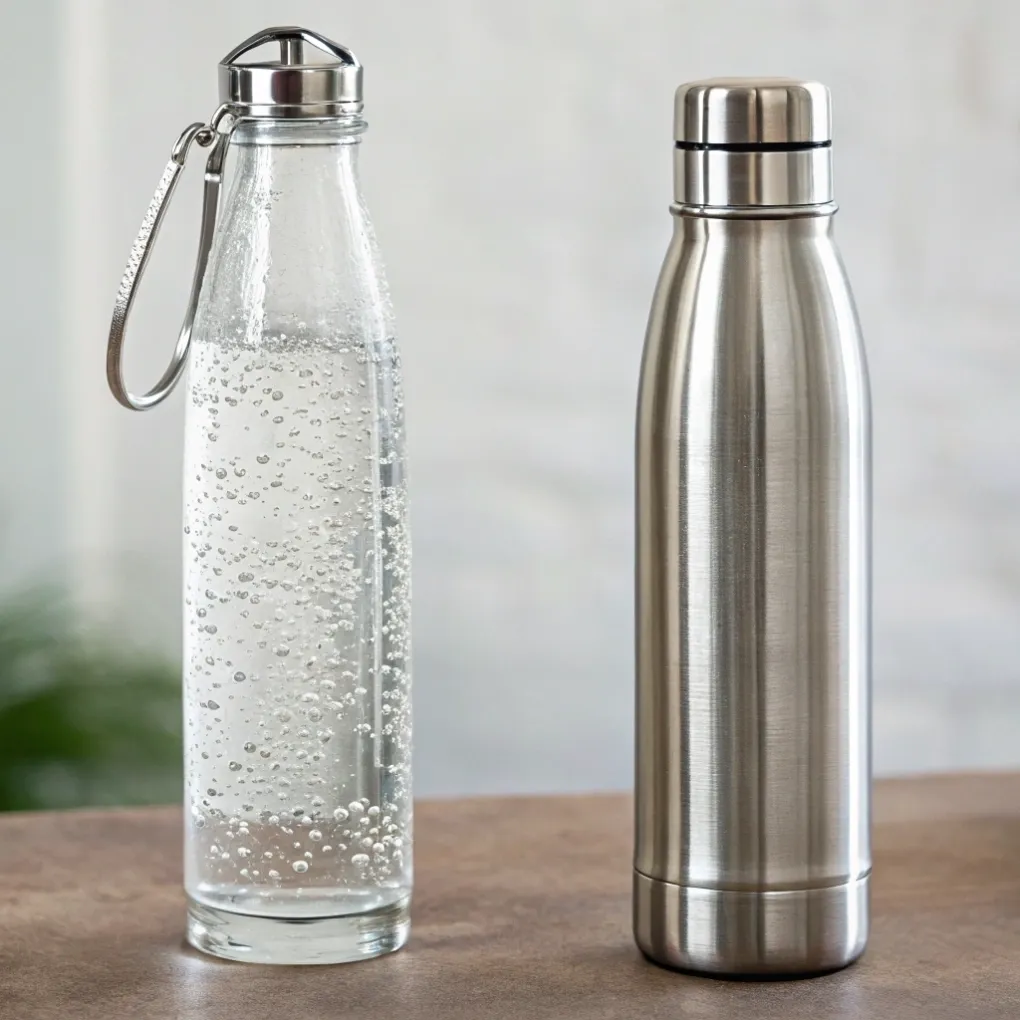
Is It Healthier to Drink Out of Glass or Stainless Steel?
Are you struggling to choose between glass and stainless steel for your daily hydration? Flimsy plastic bottles leak toxic chemicals into your drinks, while choosing the wrong bottle material can lead to accidental breakage or strange metallic tastes.
Both glass and food-grade stainless steel are healthy, non-toxic alternatives to plastic. Glass offers the purest taste because it is completely non-reactive, but it breaks easily. Stainless steel provides equal chemical safety with superior durability, temperature retention, and portable convenience for active, daily use.
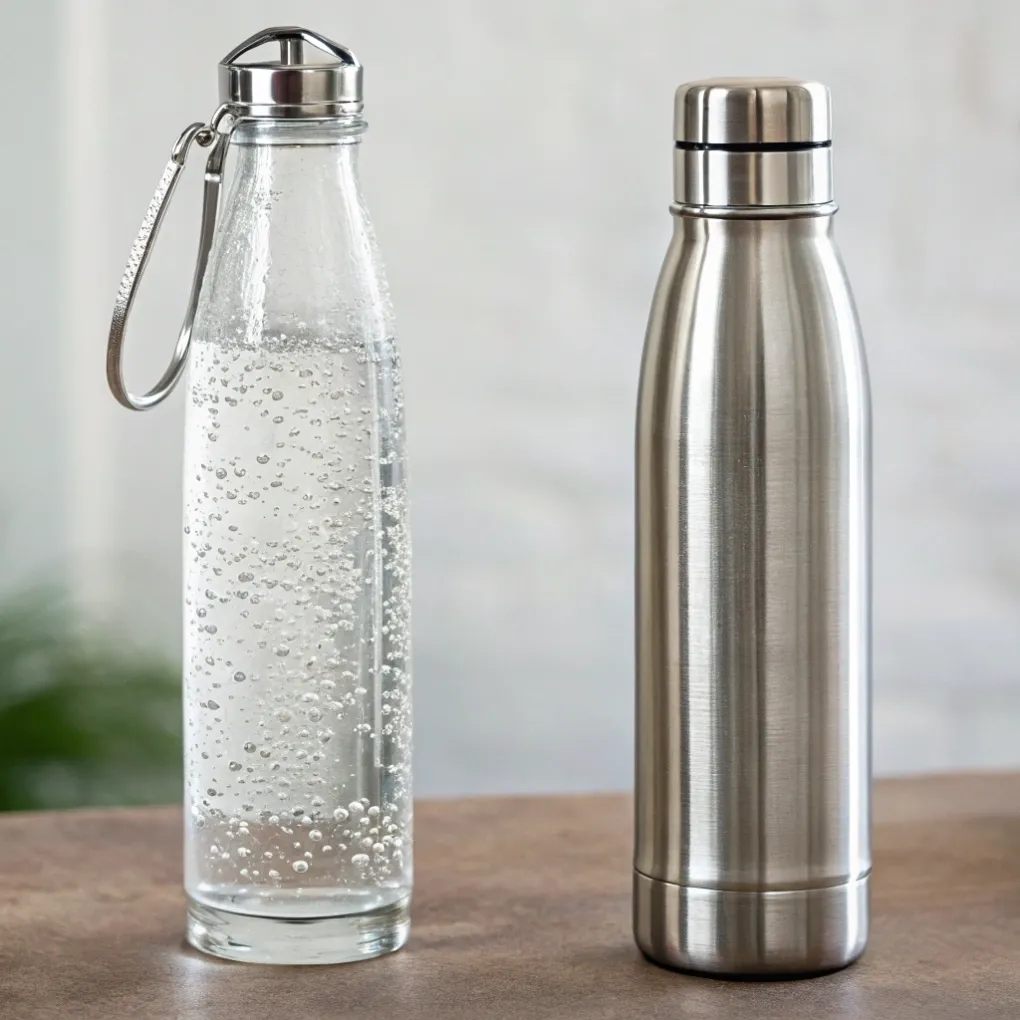
When I worked in a printing factory, I saw glass bottles shatter on concrete production floors, creating severe safety hazards. Later, I founded Latitude Experience Pte Ltd to help businesses and individuals select practical, safe corporate gifts. Both glass and steel protect your health far better than plastic. However, choosing the right material depends on where you drink and how active your daily routine is.
What Should You Not Drink With Stainless Steel?
Pouring acidic or fermenting liquids into low-grade metal containers can ruin your beverage flavor and damage the interior finish. Using the wrong metal alloy creates unwanted chemical reactions, but knowing safe beverage limits keeps your drinks fresh.
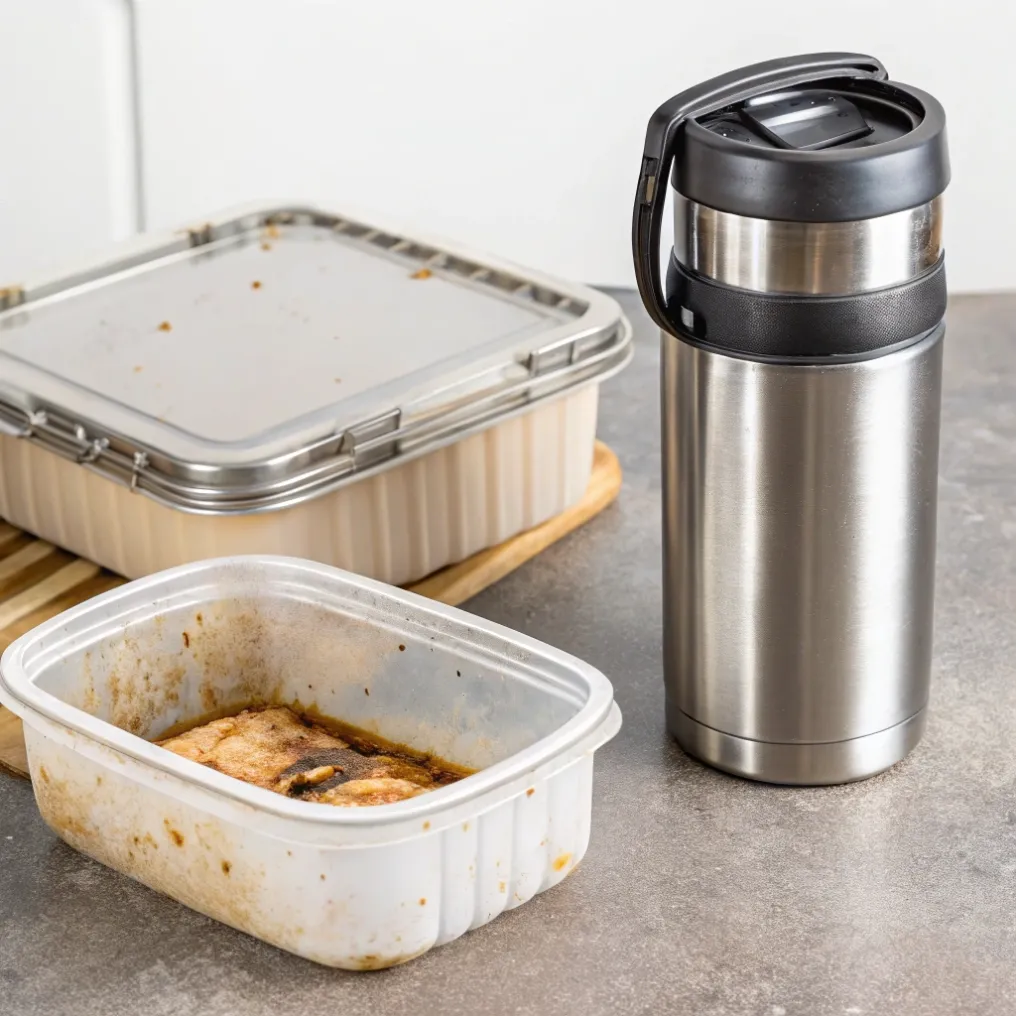
You should avoid storing highly acidic liquids like lemon juice, vinegar mixes, or fermenting drinks in low-grade steel for extended periods. However, certified 304 food-grade stainless steel easily resists normal coffee, tea, and citrus juices without corrosion, provided you wash the bottle regularly after daily use.
Understanding Metal Reactivity and Beverage Safety
In my years inspecting metal drinkware, I have seen how cheap alloys degrade. Inferior 201-grade steel reacts with acidic drinks because it lacks sufficient nickel. Acidic liquids break down poor surface coatings, leaving a metallic taste. Certified 304 food-grade steel uses 18 percent chromium and 8 percent nickel. This combination forms an inert protective layer that prevents chemical reactions with everyday drinks.
Liquid Compatibility in Food-Grade Steel
Understanding which beverages perform best in food-grade steel prevents unpleasant tastes and interior damage.
Beverage Type | 304 Stainless Steel Safety | Usage Recommendation |
|---|---|---|
Water & Cold Brew | Extremely Safe | Ideal for daily long-term storage |
Coffee & Hot Tea | Extremely Safe | Rinse daily to prevent oil buildup |
Citrus Juices & Acids | Safe for Daily Use | Do not leave sealed for multiple days |
Dairy & Milk Products | Safe Short-Term | Wash immediately to avoid bacteria |
Using certified 304 steel guarantees safe drinking. Simple daily washing removes leftover beverage residue and preserves pure flavor.
Is It Okay to Drink Out of Stainless Steel Every Day?
Using cheap plastic containers every day exposes your body to microplastics and synthetic hormones. Constant replacement wastes your hard-earned money, but switching to food-grade steel provides long-term health protection.
Yes, it is completely safe and healthy to drink out of food-grade stainless steel every single day. High-quality 304 steel is non-toxic, BPA-free, and resistant to bacterial growth. It does not leach chemicals into your water, making it a reliable choice for lifelong daily hydration.
Why Daily Steel Usage Protects Your Health
When clients consult me at Latitude Experience Pte Ltd, they often ask about long-term material safety. Food-grade stainless steel does not degrade over time like plastic. Scratches on plastic surfaces trap harmful bacteria and microplastics. Stainless steel features a hard, smooth interior surface that stops bacterial colonization. It handles hot liquids, icy water, and daily drops without breaking down or releasing toxins.
Long-Term Benefits of Daily Steel Bottles
Drinking from a reusable metal bottle improves personal wellness, daily convenience, and environmental health.
Daily Factor | Single-Use Plastic | Food-Grade Stainless Steel |
|---|---|---|
Chemical Exposure | High (BPA & Phthalates) | Zero (Non-toxic 304 alloy) |
Lifespan | Single use | Years of daily service |
Hygiene & Cleaning | Hard to sanitize properly | Dishwasher and brush safe |
A quality stainless steel bottle becomes a dependable daily companion. It keeps your hydration routine clean, safe, and sustainable for years.
Is It Better to Drink Water From Stainless Steel or Glass?
Deciding between glass and stainless steel can cause confusion when building a healthy routine. Choosing glass for active sports leads to broken bottles, while buying steel for indoor use might feel unnecessary.
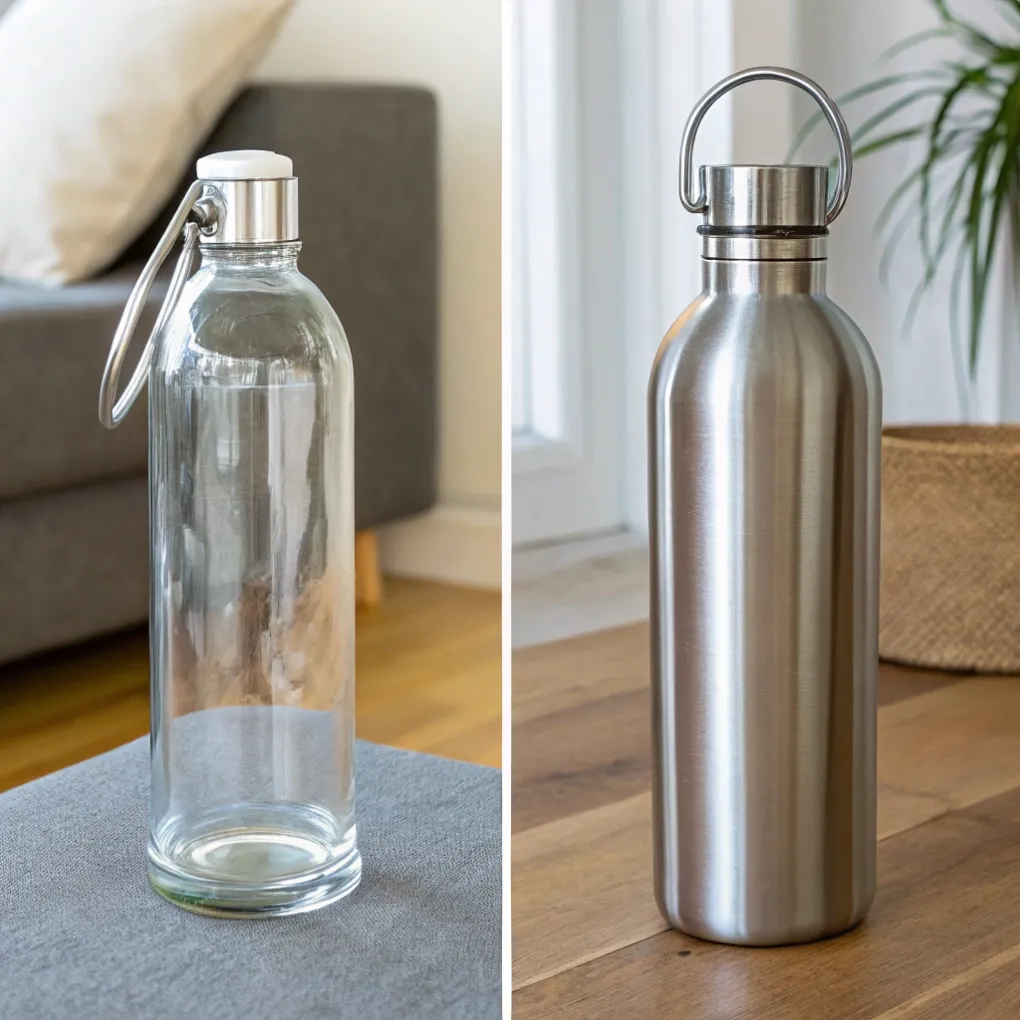
Glass is better for pure taste during indoor use because it is 100 percent non-reactive. Stainless steel is better for active, outdoor, and daily travel use because it offers high durability, vacuum temperature insulation, and lightweight portability while remaining completely non-toxic and chemical-free.
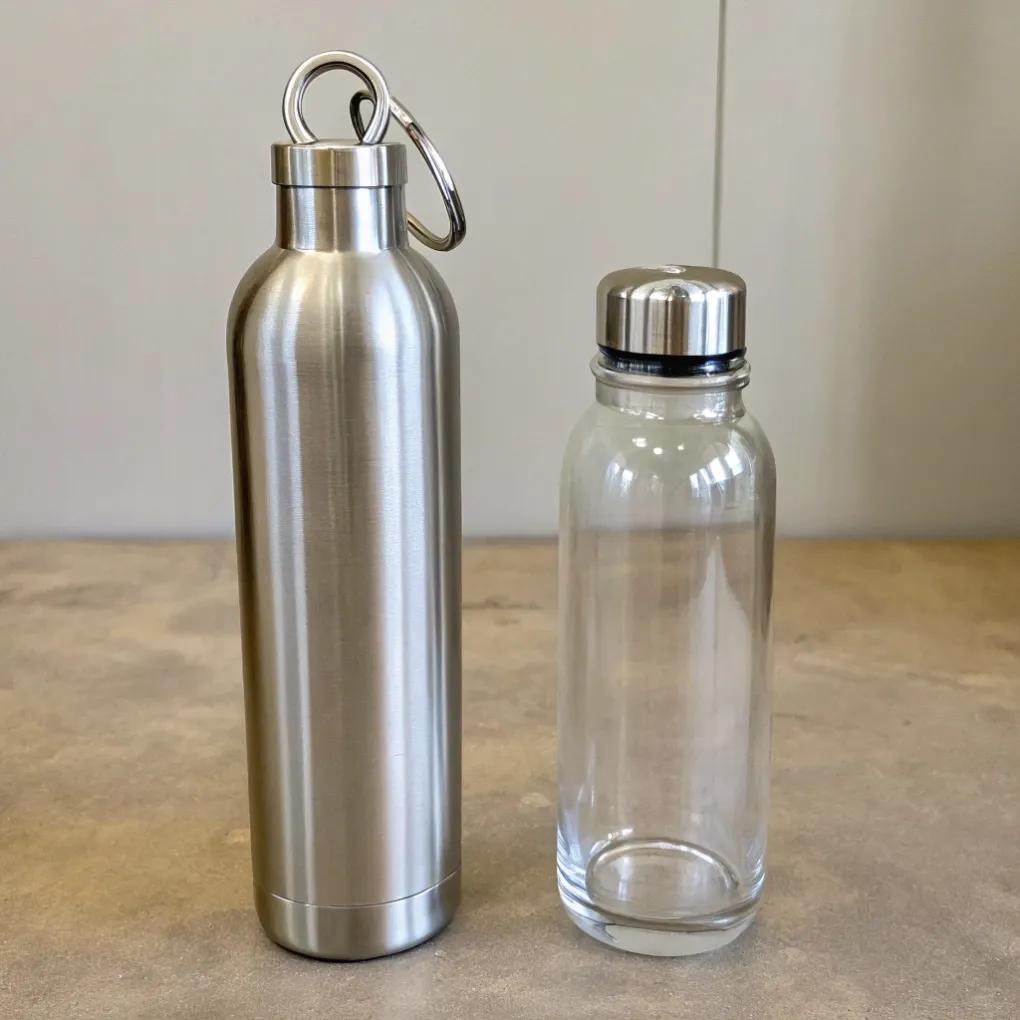
Balancing Taste Purity With Daily Practicality
Both materials eliminate plastic pollution and protect your body from toxins. Glass provides a pristine drinking experience because it never alters flavor. However, glass is heavy and fragile. At Latitude, I always advise marketing managers to evaluate user lifestyle. An employee commuting on busy trains or working outdoors needs a bottle that survives accidental drops. Stainless steel offers total material safety alongside unmatched physical strength.
Material Selection Guide for Your Lifestyle
Comparing key practical features helps you select the best bottle material for your specific routine.
Feature Comparison | Glass Water Bottle | 304 Stainless Steel Bottle |
|---|---|---|
Flavor Purity | Exceptional (100% inert) | Excellent (No metallic taste) |
Impact Resistance | Low (Shatters easily) | Extremely High (Durable) |
Temperature Control | Poor (Sweats easily) | Superior (Vacuum insulated) |
Best Environment | Home, Office, Indoor Desk | Gym, Travel, Commute, Outdoor |
Ultimately, the healthier choice is the bottle that supports your daily habits. Stainless steel provides the durability needed to keep you hydrated wherever you go.
Conclusion
Both glass and stainless steel provide non-toxic hydration, but durable food-grade 304 stainless steel offers the best long-term combination of safety, portability, and daily utility.