Jul 1, 2026News & Insights
Is It Ok to Put Tea in a Plastic Water Bottle?
Cold tea is safe in food-grade plastic bottles, but hot tea is best stored in stainless steel or glass to avoid heat damage and preserve flavor.
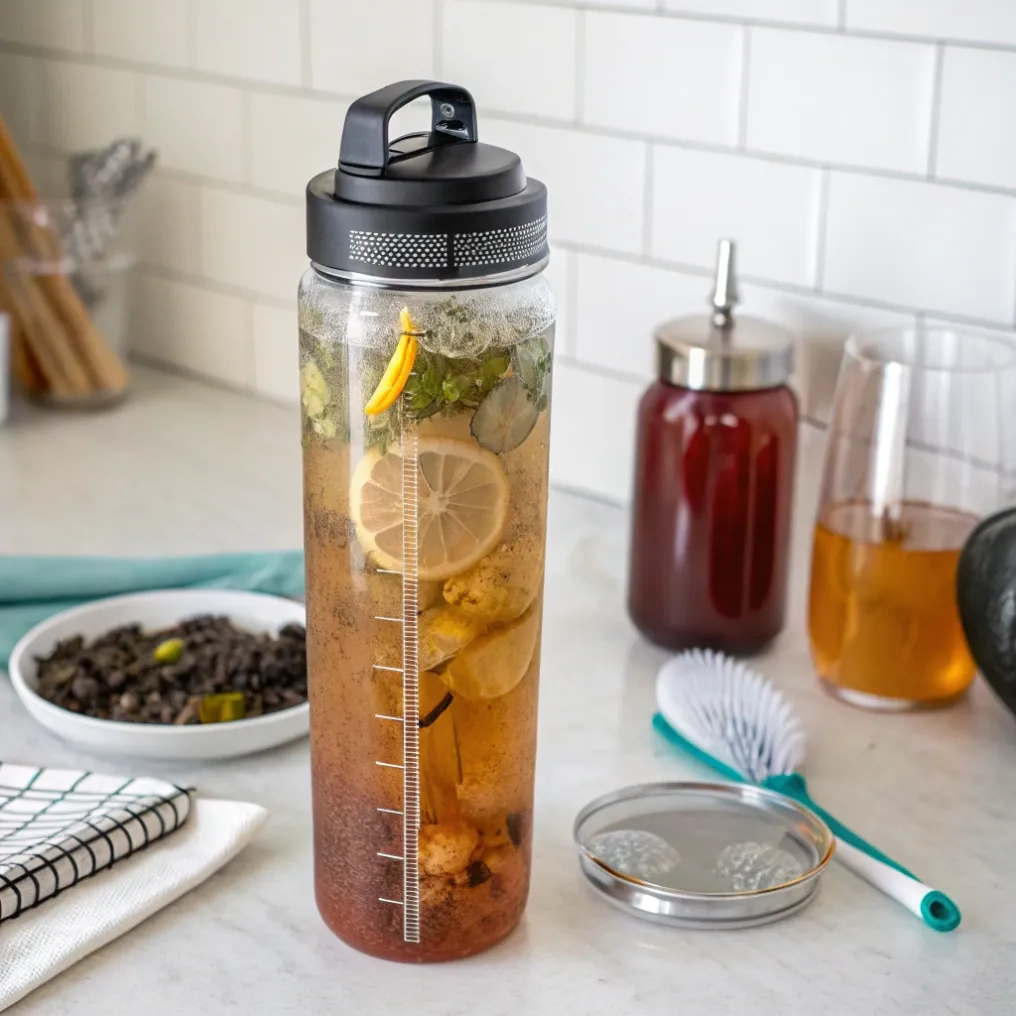
Is It Ok to Put Tea in a Plastic Water Bottle?
Are you terrified that pouring your favorite hot morning tea into a standard reusable plastic bottle is melting the thin internal lining and releasing invisible chemical toxins directly into your flavored drink?
You can put tea in a plastic water bottle if the liquid is completely cold and the container is certified as food-grade, but you must never pour hot or boiling tea into standard disposable plastic bottles. High temperatures cause thin polymers to degrade rapidly, accelerate chemical leaching, and warp the container shape.
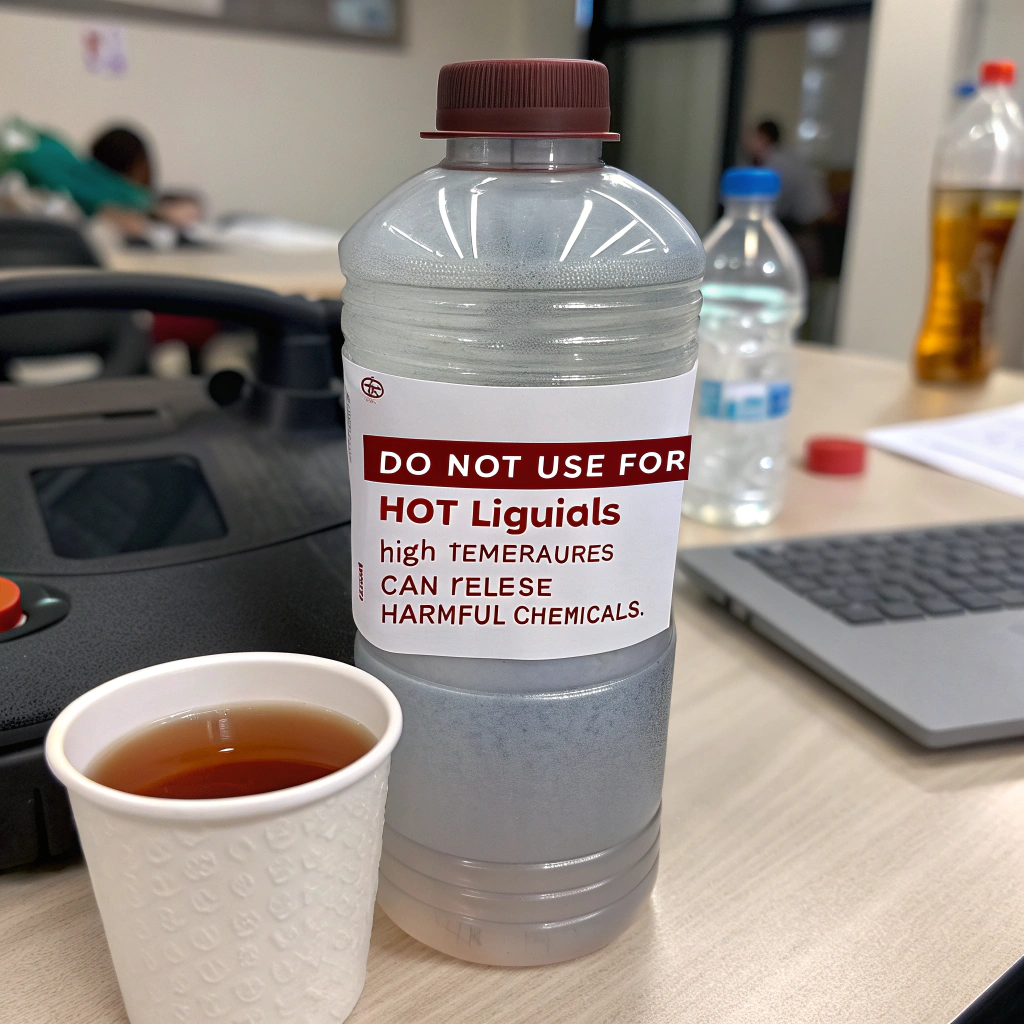
I started my career working directly on a dusty printing factory floor, managing busy production setups and testing how different synthetic materials react under industrial heat stress. That hands-on manufacturing background taught me that every plastic compound has incredibly strict temperature limits and specific chemical vulnerabilities. Later, I established Latitude Experience Pte Ltd to help forward-thinking marketing managers select premium, certified food-safe corporate lifestyle gifts that protect consumer health and build long-term brand trust. I know that public confusion about plastic safety often leads to ruined drinks and unnecessary health worries. Let us break down the exact manufacturing science, microplastic facts, and everyday cleaning habits to keep your daily tea perfectly fresh and safe.
Is It Safe to Put Tea in a Plastic Bottle?
Do you find yourself constantly worrying about invisible chemical toxins entering your body every time you mix an iced herbal tea inside a plastic sports bottle? Navigating conflicting material safety claims on social media can feel incredibly overwhelming.
It is generally safe to put cold tea in a plastic bottle if you use a premium, BPA-free container and wash it immediately after use. However, strongly brewed tea contains natural plant pigments and heavy tannins that will permanently stain soft plastic surfaces and lock in stale aromas over time.
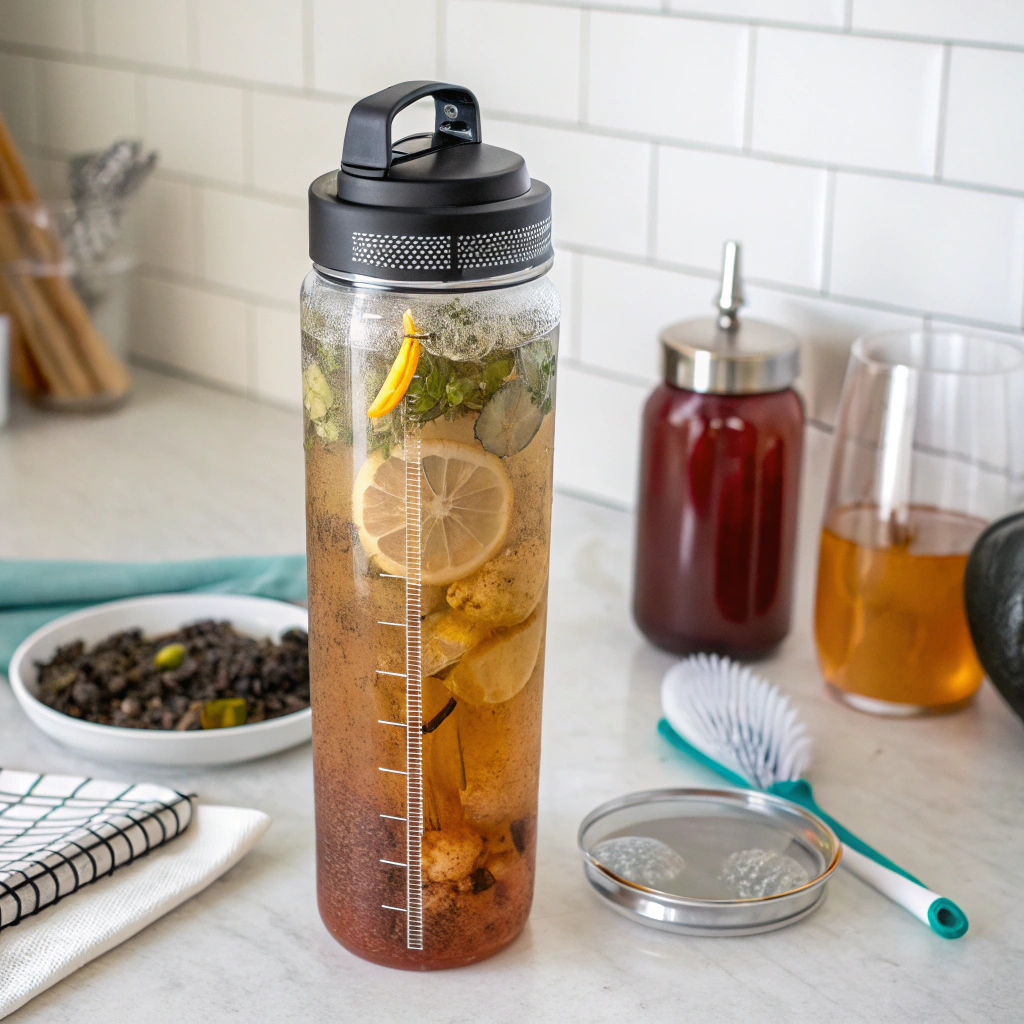
The Challenge of Staining and Odors
From my perspective, the real issue with putting tea in plastic drinkware is long-term material performance rather than immediate danger. Tea contains natural plant compounds called tannins, which act as mild organic dyes that bind easily to the porous surface of standard plastics. If you leave a dark black tea or a strong herbal infusion inside your sports bottle for a full day, the plastic walls will absorb the color molecules and the volatile fragrance oils. Even after a heavy scrub with dish soap, your bottle will often retain a brown tint and a lingering scent of yesterday’s drink, which can ruin the clean, crisp taste of plain drinking water during your next workout.
Let us look at how different common bottle materials behave when they come into contact with dark brewed tea.
Bottle Material Class | Tannin Staining Risk | Flavor and Odor Absorption | Heat Handling Capability |
|---|---|---|---|
High-Grade 304 Steel | Zero Risk (Inert surface) | Extremely Low (Rinses clean) | Maximum (Handles boiling water) |
Borosilicate Glass | Zero Risk (Pure mineral) | Zero Risk (Completely non-porous) | High (Dishwasher and heat safe) |
Standard Food-Grade Plastic | Exceptionally High | High (Retains stale beverage smells) | Low (Damaged by boiling liquids) |
How to Make Tea to Avoid Microplastics?
Are you trying to eliminate tiny, invisible plastic fragments from your daily diet to protect your family’s long-term health and physical well-being? Many people get so distracted by outer packaging labels that they completely miss the largest source of microplastics in their kitchen.
You can make tea to avoid microplastics by swapping out synthetic mesh pyramid tea bags for loose-leaf tea brewed inside a stainless steel infuser or a glass teapot. Independent lab tests prove that a single plastic mesh tea bag releases billions of microscopic plastic particles directly into hot water.
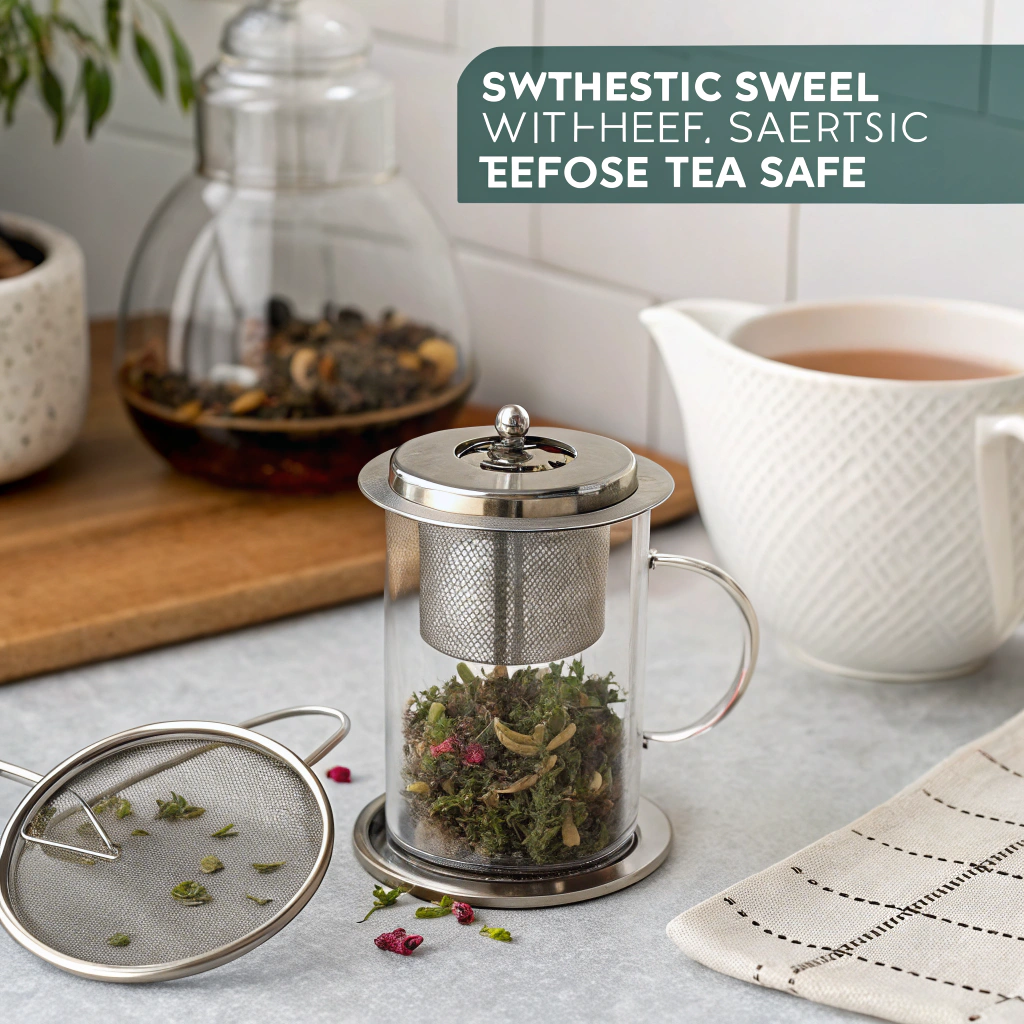
Eliminating Synthetic Mesh Bags
During my early days analyzing raw material specifications in the factory, I learned that looks can be highly deceiving when it comes to modern textiles. Many premium, silky pyramid tea bags are not actually made from natural silk or paper; they are manufactured using synthetic polymers like nylon or Polyethylene Terephthalate (PET). When you submerge these thin plastic meshes into boiling water at 100°C, the intense heat causes the polymer fibers to fracture instantly. This releases millions of microparticles and nanoparticles straight into your cup, which you swallow with every sip. Shifting to traditional loose-leaf tea brewed in an unlined steel strainer completely removes this contamination path, ensuring your drink stays pure.
Let us organize an operational blueprint to help you transition to a microplastic-free brewing routine effortlessly.
Steeping Tool Choice | Microplastic Release Rate | Long-Term Durability | Best Brewing Method |
|---|---|---|---|
Loose Leaf Steel Infuser | Zero Particles (100% Metal) | Maximum (Resists rust and drops) | Steep inside an open ceramic mug |
Traditional Paper Bags | Low (Can contain plastic binders) | Low (Single-use compostable) | Steep for 3 to 5 minutes maximum |
Nylon Pyramid Mesh Bags | Exceptionally High (Billions of shards) | None (Discarded after one use) | Avoid entirely for hot beverages |
Why Not Store Tea in Plastic?
Do you want to understand the true structural and chemical impact that long-term plastic storage exerts on the natural flavor profile of your favorite loose-leaf varieties? Storing your premium dried leaves in the wrong container can ruin their quality before you even start brewing.
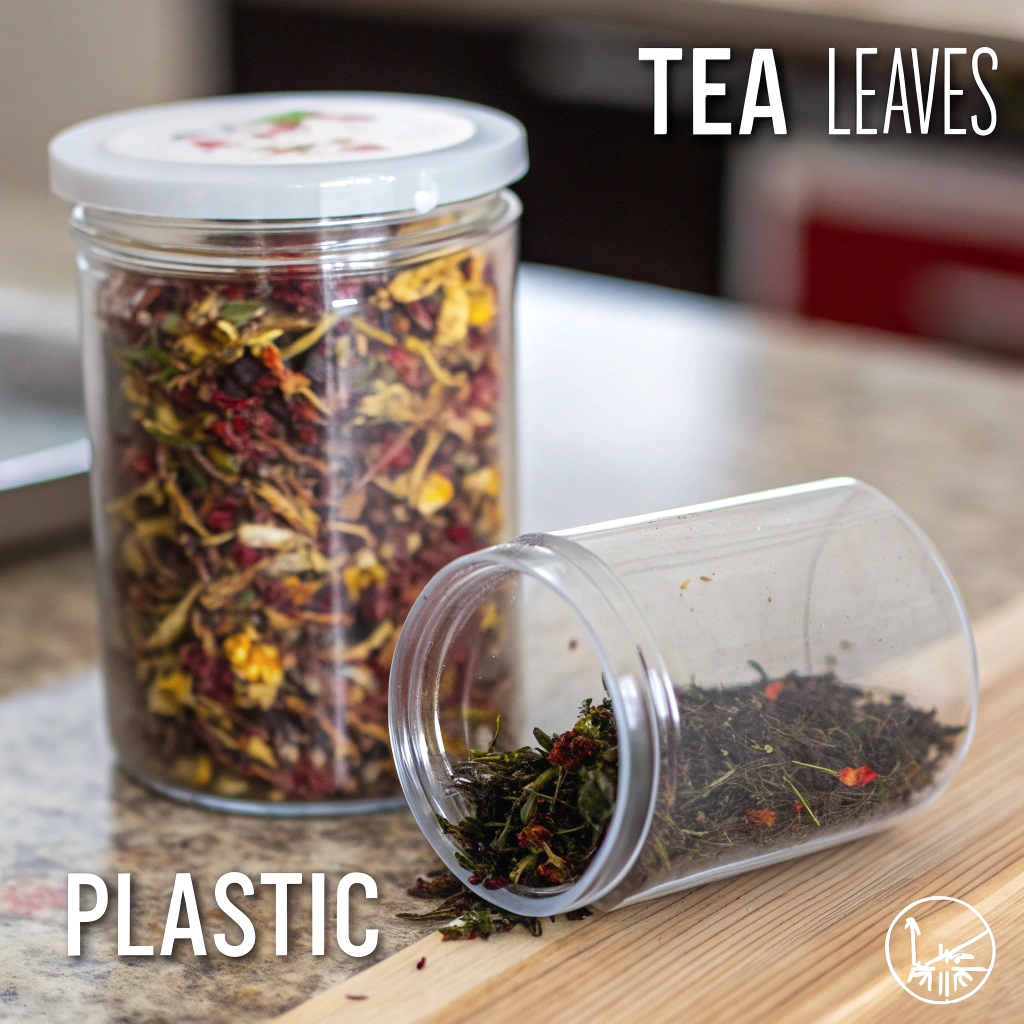
You should not store dry tea leaves or brewed tea in plastic containers because synthetic polymers are slightly gas-permeable, allowing outside odors to ruin the leaves, and the soft walls easily absorb essential flavor oils. Furthermore, plastic can create a static charge that degrades delicate leaf structures over time.
Protecting Volatile Flavor Compounds
In the corporate gifting and production world, we look closely at product shelf-life and material interactions to ensure the best possible user experience. Dry tea leaves are highly hygroscopic, meaning they act like tiny sponges that aggressively absorb moisture, humidity, and surrounding scents from the air. Because standard plastic storage tubs do not form a true, total oxygen barrier, ambient kitchen odors from spices, garlic, or cleaning chemicals can slowly seep through the container walls. This alters the complex volatile oils inside the leaves, leaving your expensive green or oolong tea tasting flat, stale, and completely uninspired after just a few weeks of storage.
Let us map out these material storage limitations into a scannable checklist to help your team preserve your beverage supplies successfully.
Storage Container Type | Oxygen and Odor Barrier | Ultraviolet Light Protection | Impact on Dry Leaf Quality |
|---|---|---|---|
Airtight Matte Tin Can | Maximum (Total gas block) | Maximum (Solid metal walls) | Keeps leaves perfectly fresh for months |
Dark Amber Glass Jar | High (Non-porous mineral) | High (Filters harmful light rays) | Preserves delicate aromatic oils safely |
Clear Plastic Tupperware | Low (Slightly gas-permeable) | Zero (Exposes leaves to sun damage) | Causes rapid staling and flat flavors |
Conclusion
Putting tea in a plastic water bottle is acceptable only for cold drinks, making it far better to use loose leaves in a stainless steel flask to avoid microplastics and preserve fresh flavor.