Jul 8, 2026Services Overview
Is it Safe to Drink Out of Stainless Steel Water Bottles?
Stainless steel water bottles are safe for everyday drinking when made from food-grade materials, offering a durable, BPA-free, and reusable solution for healthy hydration.
Is it Safe to Drink Out of Stainless Steel Water Bottles?
When people ask whether a stainless steel water bottle is safe, the question often comes from a broader concern about chemicals, plastics, and long-term health effects. From my perspective, however, the answer is less about fear of materials and more about understanding how the bottle is actually used over time.
Yes, it is entirely safe to drink out of food-grade stainless steel water bottles because the material is chemically inert, stable, does not leach toxins, and eliminates your daily exposure to plastic chemicals.
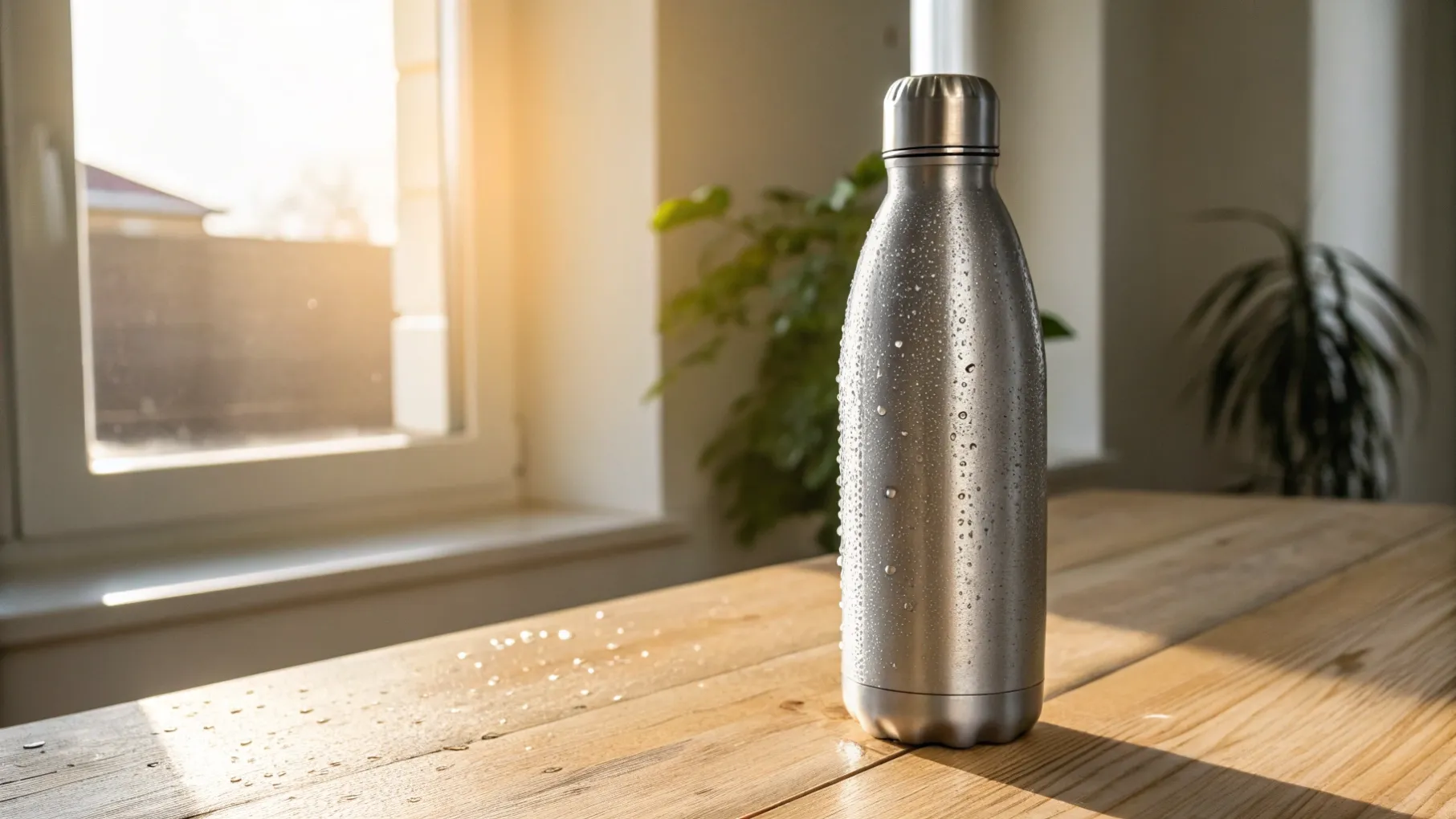
Food-grade stainless steel has become one of the most trusted materials for reusable drinkware because it is generally stable, durable, and resistant to corrosion under normal use. Unlike some plastics, it does not easily absorb odors or flavors, and it is widely used in cookware and food storage because of its physical stability. In everyday conditions, a well-made stainless steel water bottle is considered a safe and reliable option for hydration.
However, what many people overlook is that “safety” is not only determined by the base material. It also depends on design quality and user habits. A poorly manufactured bottle with low-grade metal, weak coatings, or defective sealing can create issues over time. Similarly, a bottle that is not cleaned regularly can develop bacteria buildup, regardless of what it is made from. In this sense, hygiene and maintenance matter as much as material composition.
Another important factor is internal coating technology. Some stainless steel bottles use lining layers to improve taste neutrality or prevent metallic aftertaste. When properly manufactured, these coatings are designed to be stable and food-safe under normal conditions. The key consideration for users is not to overreact to the presence of coatings, but to choose reputable products and avoid damaged or heavily worn interiors.
Temperature is also worth considering. Stainless steel bottles designed for insulation are built to handle both hot and cold liquids safely, but extreme misuse—such as prolonged exposure to very high heat beyond intended design—can reduce performance over time. This is not a common daily concern, but it highlights that even durable materials have practical limits.
There is also a psychological dimension behind safety perception. Many people switch to stainless steel bottles because they want more control over what they consume and reduce exposure to unknown plastics. In this way, the product provides not only physical functionality but also emotional reassurance. That sense of control is part of why stainless steel bottles have become so popular.
My take is that stainless steel water bottles are safe not because they are “perfect materials,” but because they are stable, predictable, and widely tested in real-world use. The real safety factor comes from choosing well-made products and maintaining basic hygiene. In everyday life, the safest bottle is the one that is used consistently, cleaned properly, and replaced when it shows clear signs of wear—not the one chosen purely out of material anxiety.
Which Is the Least Toxic Water Bottle?
Choosing a safe reusable container can feel overwhelming with so many marketing labels claiming to be non-toxic. If you select a bottle made from low-quality materials, you risk exposing yourself to chemical leaching and heavy metals.
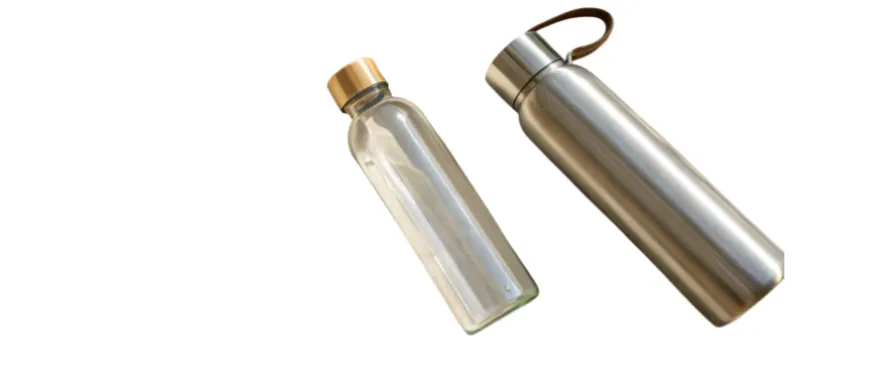
The least toxic water bottles are made from pure borosilicate glass or high-quality 18/8 food-grade stainless steel, paired with plastic-free lids made from steel, bamboo, or medical-grade silicone.
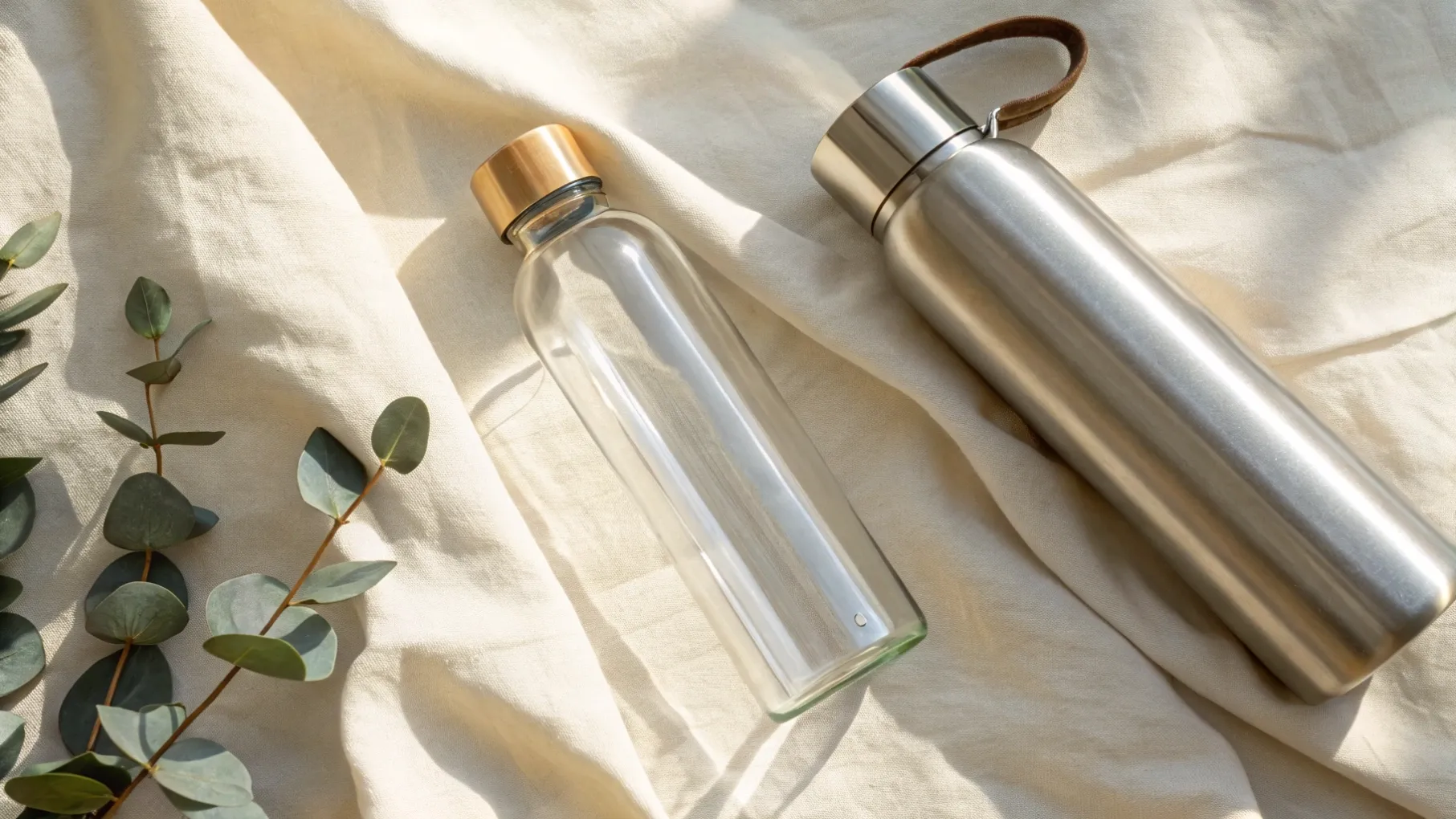
When you look for the safest container, you must look closely at the exact materials used in the body and the lid. In my years of analyzing product manufacturing, I learned that material purity dictates health safety. Pure borosilicate glass is the absolute gold standard for chemical purity because it is completely non-porous and chemically inert, meaning it will never react with any liquid or release any trace elements. Right alongside glass is 18/8 food-grade stainless steel, which contains 18% chromium and 8% nickel to create a natural, rust-resistant shield that requires no chemical liners.
Many people buy a high-quality metal bottle but do not realize that the lid is made from low-grade plastic or uses a cheap rubber gasket that degrades quickly. To achieve a truly non-toxic setup, you need to ensure your beverage never touches plastic parts. You must also avoid aluminum bottles because aluminum is highly reactive and always requires an internal synthetic liner, which can chip or crack over time and expose you to raw metal or hidden chemicals.
Material Type | Toxicity Risk | Chemical Leaching Risk | Key Advantage |
|---|---|---|---|
Borosilicate Glass | Zero Risk | Absolutely None | Purest taste, completely non-reactive |
18/8 Stainless Steel | Low Risk | None (unless severe nickel allergy) | Extremely durable, vacuum insulated |
Aluminum (Lined) | Medium Risk | Moderate (if inner liner cracks) | Very lightweight for travel |
BPA-Free Plastic | High Risk | High (sheds plastic particles over time) | Lightweight and very cheap |
Does Stainless Steel Give Off Microplastics?
The growing global concern over microplastics has many consumers questioning every single item that touches their food and beverages. If you continue to use materials that break down down under daily wear, you will unknowingly consume thousands of tiny synthetic particles.
No, pure stainless steel does not give off microplastics because it is a solid metal alloy containing absolutely no polymers or plastic components in its structural makeup.
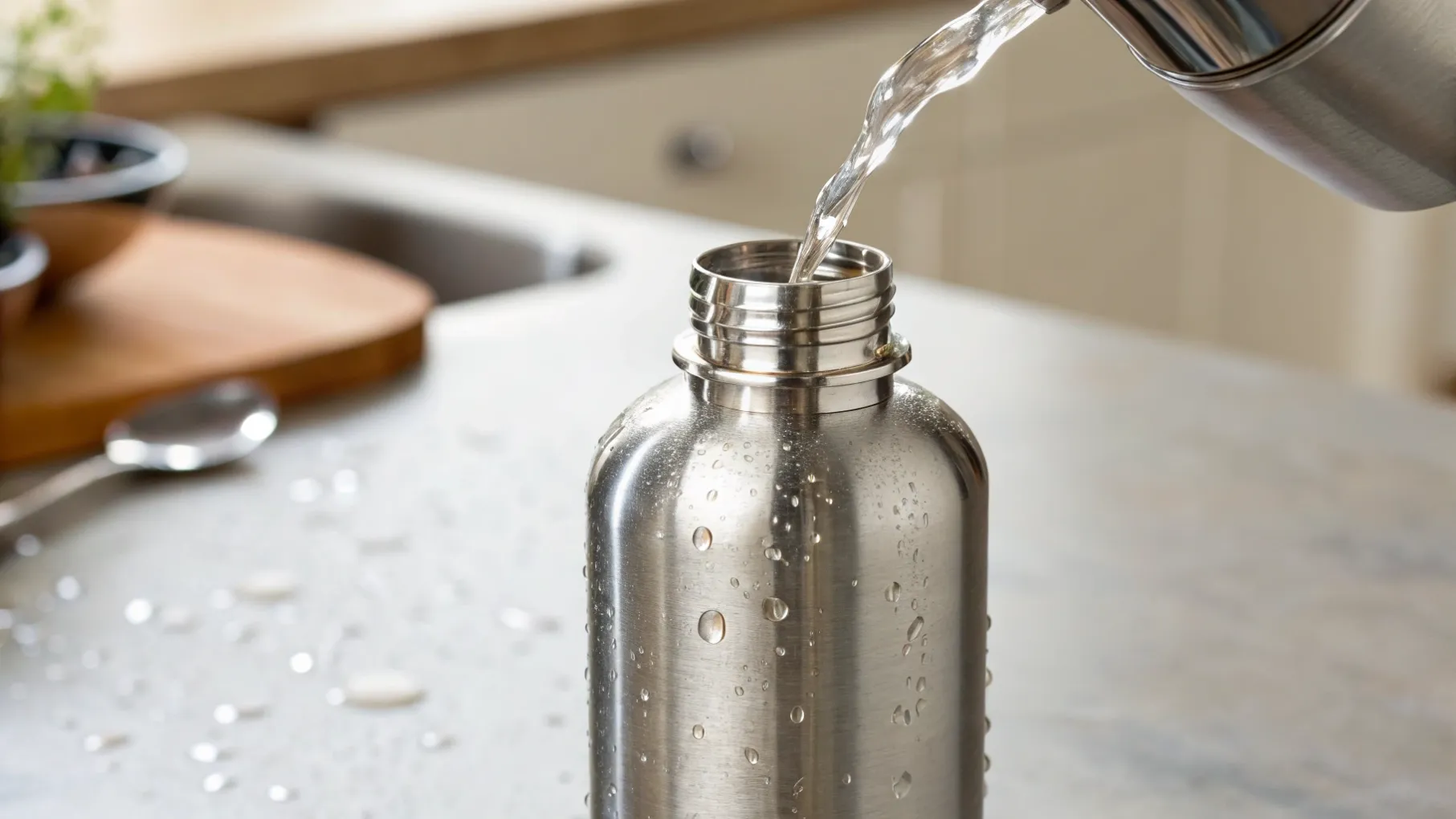
The panic around microplastics is entirely valid, but we need to understand exactly where these particles come from. Microplastics are microscopic pieces of plastic that break away from synthetic polymers due to friction, heat, and sunlight. Since high-quality 18/8 stainless steel is entirely metallic, the body of the bottle physically cannot produce microplastics. Switching from a plastic bottle to an unlined stainless steel bottle cuts out your primary source of daily plastic contact.
However, we must look at the complete product design rather than just the metal body. While the stainless steel interior is completely free of plastics, many popular metal bottles feature external powder coatings or colorful paints. Some lower-grade powder coats use synthetic polymers that can chip off over time and end up on your hands or in the environment as tiny plastic flakes. Furthermore, the threaded lids, internal straws, and sealing rings are often made from polypropylene plastic. When you screw the lid on and off daily, mechanical friction can shed microplastics directly into your drinking water. To eliminate this risk completely, look for bottles that utilize stainless steel threads and medical-grade silicone straws.
Bottle Component | Material Composition | Microplastic Shedding Risk | How to Eliminate the Risk |
|---|---|---|---|
Inner Flask Body | 18/8 Food-Grade Stainless Steel | None | Choose unlined, raw steel interiors |
External Finish | Paint or Polymeric Powder Coat | Low to Medium | Choose uncolored, raw stainless steel |
Lid Threads & Straws | Polypropylene Plastic | Medium | Replace with steel lids and silicone straws |
Sealing Gaskets | Food-Grade Silicone | None | Ensure the gasket is 100% silicone, not rubber |
Conclusion
Stainless steel water bottles are entirely safe, contain zero microplastics, and rank as the least toxic choice when paired with plastic-free lids and maintained with basic daily hygiene.