Jun 26, 2026News & Insights
Is It Safe to Drink Warm Water Stored in a Steel Bottle?
Warm water in a 304 stainless steel bottle is safe, as long as the bottle is food-grade and cleaned regularly.
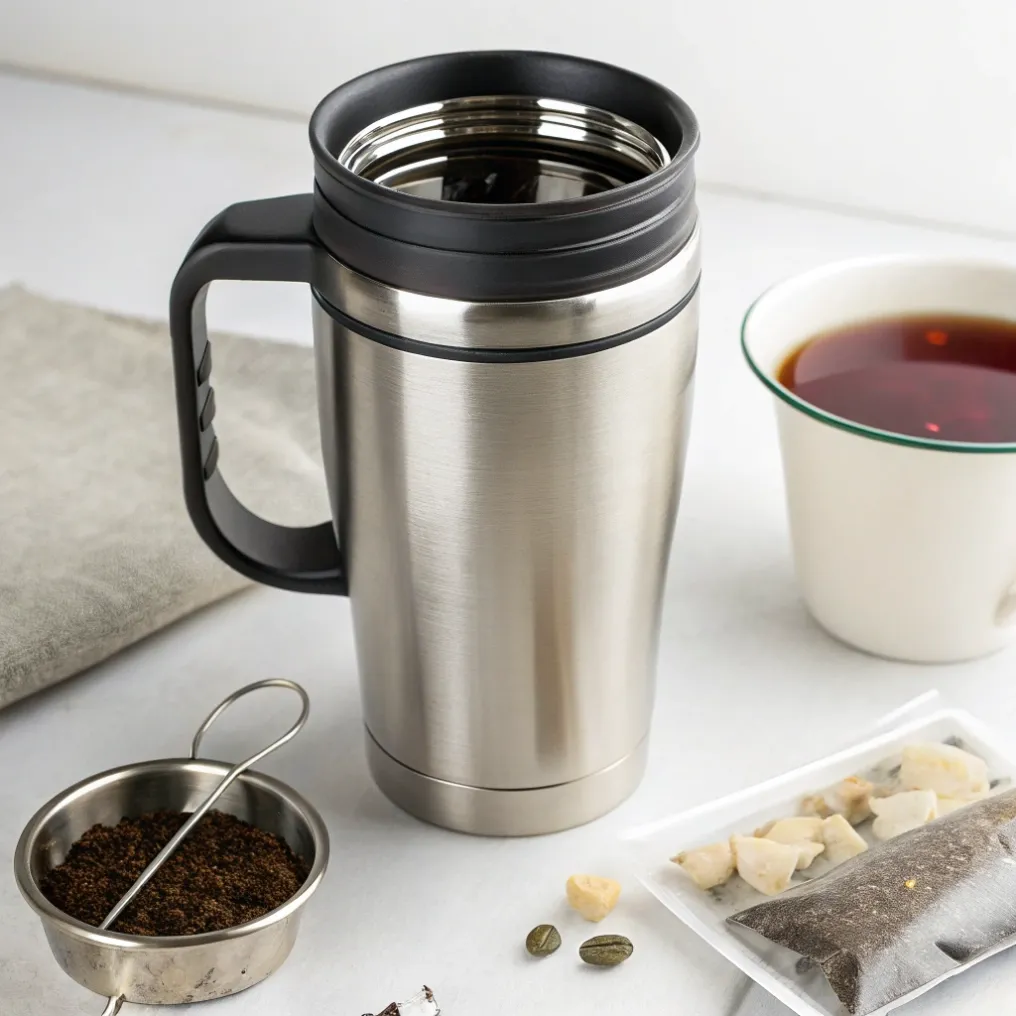
Is It Safe to Drink Warm Water Stored in a Steel Bottle?
Are you worried that pouring hot or warm water into your reusable steel flask will leach metallic toxins into your drink or cause the inner walls to rust over time?
You can drink warm water stored in a steel bottle with complete confidence, provided the container is made from certified 304 food-grade stainless steel. This high-quality metal alloy remains completely stable under extreme heat, meaning it will never react with your beverages or release harmful chemicals into your daily drinking water.
I started my career working directly on a busy printing factory floor, managing production lines and checking material durability specifications under high heat. That industrial manufacturing experience taught me that not all metals behave the same way, and selecting the correct material grade is absolutely vital for human safety. Later, I established Latitude Experience Pte Ltd because I wanted to help marketing managers find premium, certified food-safe corporate lifestyle gifts that their clients can trust. I know that public confusion about metal containers can lead to fear-driven choices. Let us break down the exact structural science, usage conditions, and hygiene rules that keep your hot drinks perfectly healthy and safe.
Is It Safe to Drink Hot Water from Stainless Steel?
Do you find yourself hesitating to pour boiling water into your travel mug because you are afraid it will leave a strange, copper flavor in your morning tea? Drinking beverages that have a nasty, metallic aftertaste can make anyone worry about hidden contamination.
It is completely safe to drink hot water from high-quality stainless steel containers without any chemical risks. Food-grade steels like 18/8 or 304 stainless steel are non-porous and naturally rust-resistant, ensuring they never leach metals or alter the clean, natural flavor of your drinks.
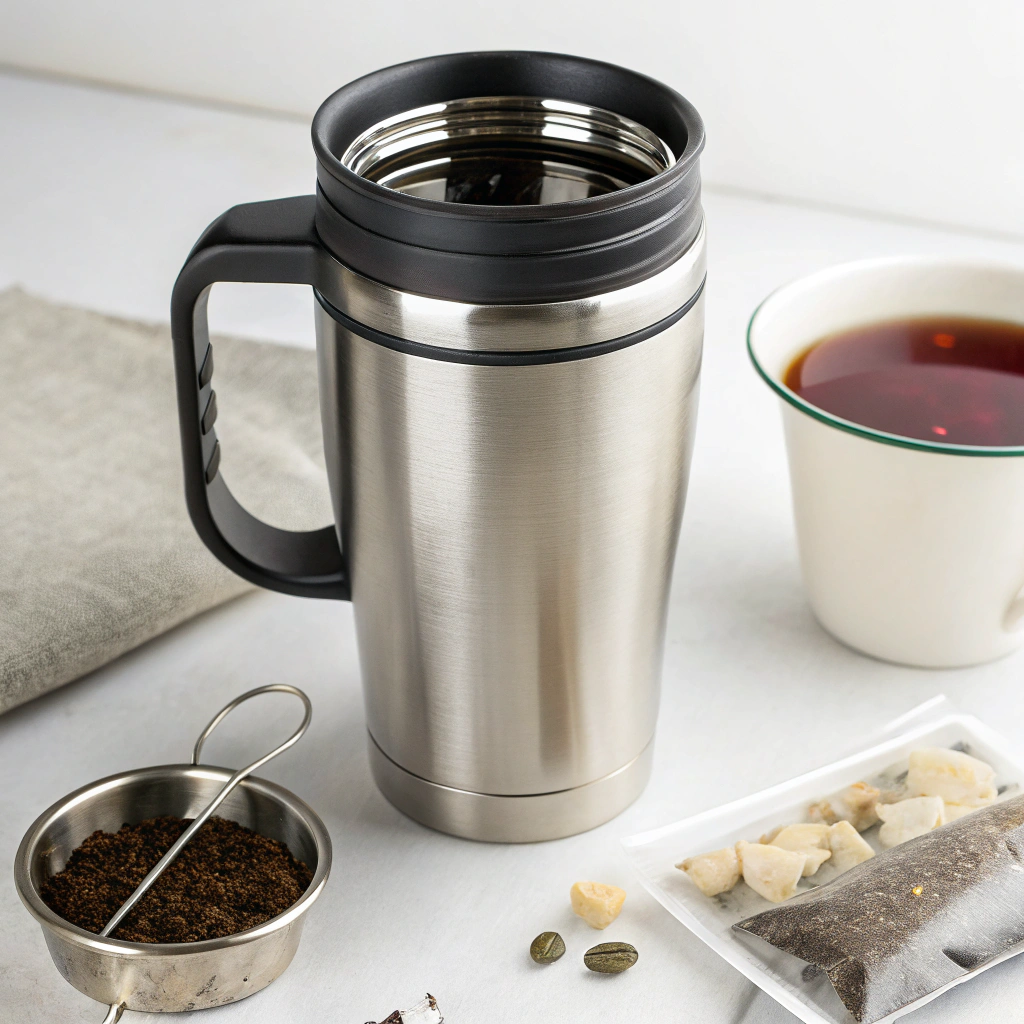
From my perspective, high-grade stainless steel is one of the absolute healthiest materials available for hot beverages, especially when compared to cheap plastic alternatives. When low-grade plastics meet heat, they can slowly break down and release chemical stabilizers or microplastics directly into your liquid. Stainless steel avoids this entire issue because it is an inert mineral alloy that does not require any chemical linings or synthetic coatings on the inside. The natural chromium content inside the metal reacts with fresh air to form an invisible, self-healing oxide shield that blocks corrosion completely. Let us examine how premium food-grade steel compares to other common kitchen materials when storing hot water.
Essential Material Benefits
- Inert Alloy Structure: Does not degrade, melt, or release chemical particles when exposed to boiling water temperatures.
- Flavor Integrity Protection: Resists absorbing old beverage odors or coffee oils, keeping your drinking water tasting completely fresh.
- High Chemical Passivation: Rebuilds its own microscopic protective layer naturally whenever the clean metal surface meets oxygen.
Can You Put Hot Water in a Stainless Steel Bottle?
Are you worried that filling a sealed metal container with boiling liquid will cause it to warp, expand, or explode unexpectedly inside your travel bag? Managing thermal pressure can feel highly intimidating when you are on the move.
You can safely put hot water in a stainless steel bottle, but you must choose a double-wall vacuum insulated model rather than a single-wall container. Single-wall steel bottles transfer heat instantly, making the exterior metal surface far too hot to touch safely without causing immediate skin burns.
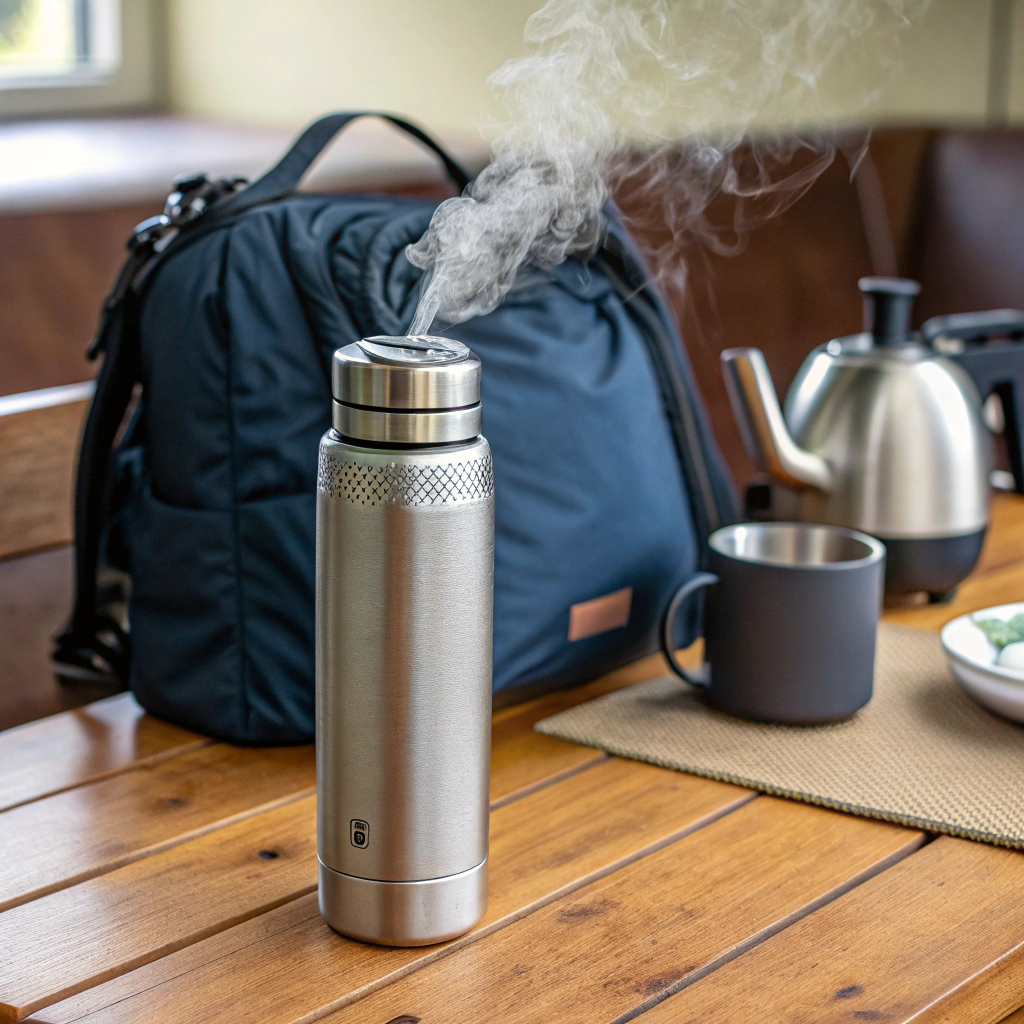
In my years of managing product manufacturing runs, I learned that structural design dictates how a product behaves in the real world. A single-wall metal flask works well for cold water, but filling it with boiling tea turns it into a dangerous hazard that will burn your fingers instantly. A double-wall vacuum insulated bottle, like a premium flask, solves this problem by separating the inner and outer metal walls with a completely empty space. This vacuum layer stops heat energy from moving outward, keeping the exterior shell perfectly cool to the touch while trapping the internal heat for up to twelve hours. Let us check the main features you must look for when purchasing a hot travel flask.
Crucial Insulated Design Features
- Double-Wall Vacuum Chambers: Forms a dense thermal barrier that keeps your hands safe while keeping internal liquids boiling hot.
- Pressure-Vented Lids: Simple twist caps that allow built-up steam pressure to escape safely before you take your first sip.
- Silicone Base Boots: Provides a non-slip grip on office tables and prevents loud clanging sounds when placing a heavy flask down.
To make your next campaign procurement simple, let us compare how different steel bottle constructions handle hot liquids.
Bottle Body Construction | Outer Shell Temperature | Internal Heat Retention | Core Safety Recommendation |
|---|---|---|---|
Double-Wall Vacuum Steel | Cool to the touch (100% Safe) | Exceptional (Holds heat for 12 hours) | Best for coffee, tea, and boiling water |
Double-Wall Air Filled | Warm to the touch | Moderate (Holds heat for 2 hours) | Suitable for warm liquids and short commutes |
Single-Wall Solid Steel | Dangerously Hot (Can burn skin) | Extremely Poor (Cools within 30 minutes) | Only use for cold or room-temperature water |
What Are the Disadvantages of Stainless Steel Bottles?
Are you looking for an honest, balanced evaluation of metal drinkware because you want to know if there are any hidden operational drawbacks? Every product material has its own specific practical limitations that can affect your daily comfort.
The main disadvantages of stainless steel bottles are their heavier carrying weight, their higher initial purchase cost, and their tendency to dent when dropped on hard concrete. Furthermore, complex lid components and silicone seals require consistent manual washing to prevent dark mold and stale odors from gathering.
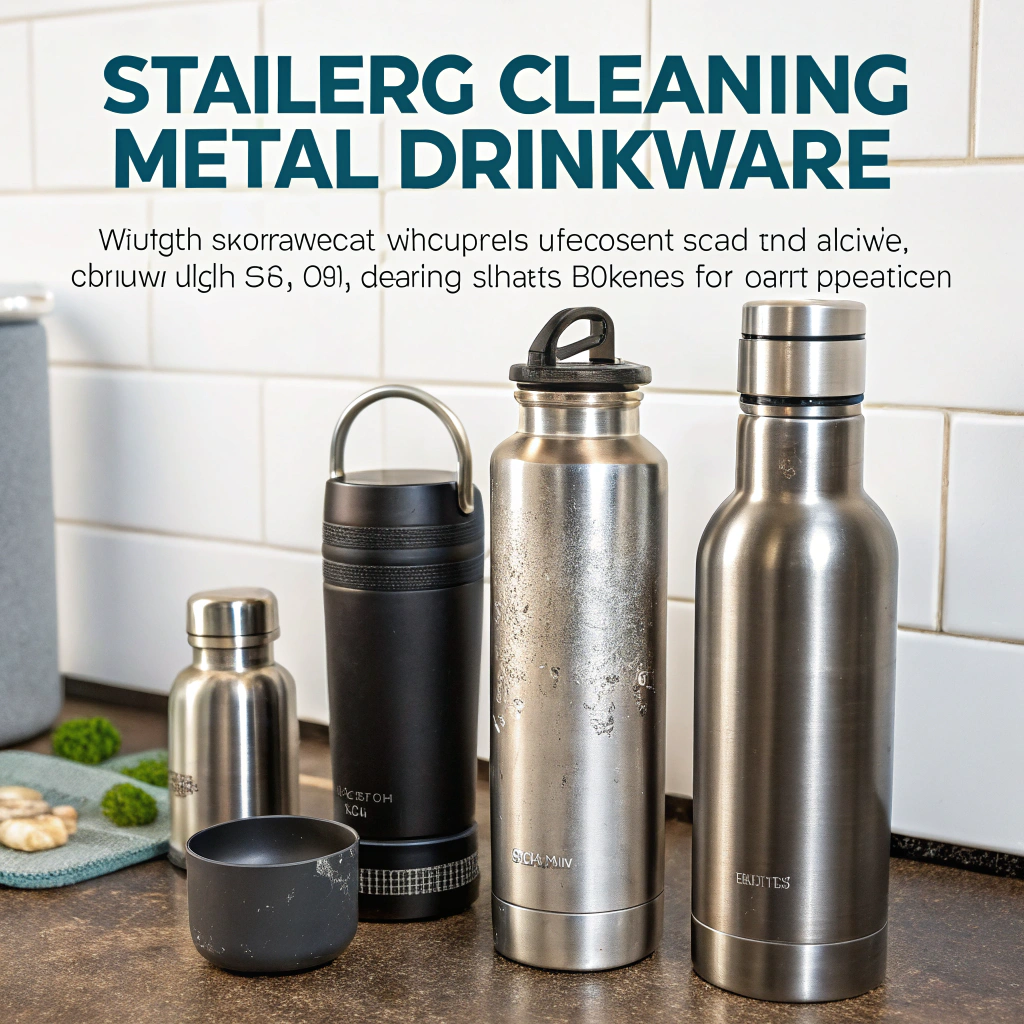
When checking product quality standards on the factory floor, I realized that true durability always requires a small trade-off in weight. Because steel is dense and structurally solid, a premium insulated flask will always feel heavier inside your backpack than a cheap, thin disposable plastic bottle. Another overlooked issue is that a steel container is not a self-cleaning device. While the metal interior resists stains, the flexible rubber gaskets and tight plastic threads inside the lid can easily trap moisture, saliva, and old beverage sugars. If you neglect daily washing, these damp areas will grow a slimy layer of bacteria that ruins your hydration experience. Let us break down these common disadvantages into a clear operational checklist so you can maintain your gear successfully.
Primary Operational Disadvantages
- Increased Total Weight: Double-wall steel construction adds bulk and weight, which can tire your shoulders during long wilderness hikes.
- Vulnerability to Dents: Dropping a heavy metal bottle onto concrete playground surfaces can cause permanent cosmetic dents and scratches.
- Lid Cleanliness Demands: Narrow drinking spouts and internal straw channels require specialized small brushes to wash out hidden mold matrices.
Let us organize these material limitations into a practical guide to help your team manage and prevent common travel bottle issues.
Potential Disadvantage | Real-World Impact | Easy Preventative Action Step | Long-Term Product Benefit |
|---|---|---|---|
Heavy Carrying Weight | Increases the weight of your travel bag | Choose a smaller 16oz capacity for light commuting | Saves energy while ensuring your water stays ice-cold |
Surface Denting Risk | Accidental drops cause deep metal dents | Attach a soft silicone protective boot to the base | Absorbs heavy playground impacts and prevents scratches |
Trapped Lid Odors | Bacteria and mold gather inside gaskets | Pull apart the rubber seals weekly for a vinegar soak | Keeps your drinking spout perfectly fresh and hygienic |
Conclusion
Drinking warm water stored in a steel bottle is exceptionally safe and highly practical, provided you choose a certified 304 double-wall insulated model and wash the lid parts regularly to prevent bacteria buildup.