Jul 14, 2026News & Insights
Is It Safe to Put Lemon Water in Stainless Steel Water Bottles?
Lemon water is safe in food-grade stainless steel bottles. They resist corrosion, preserve flavor, and provide a durable, chemical-free choice for healthy daily hydration.
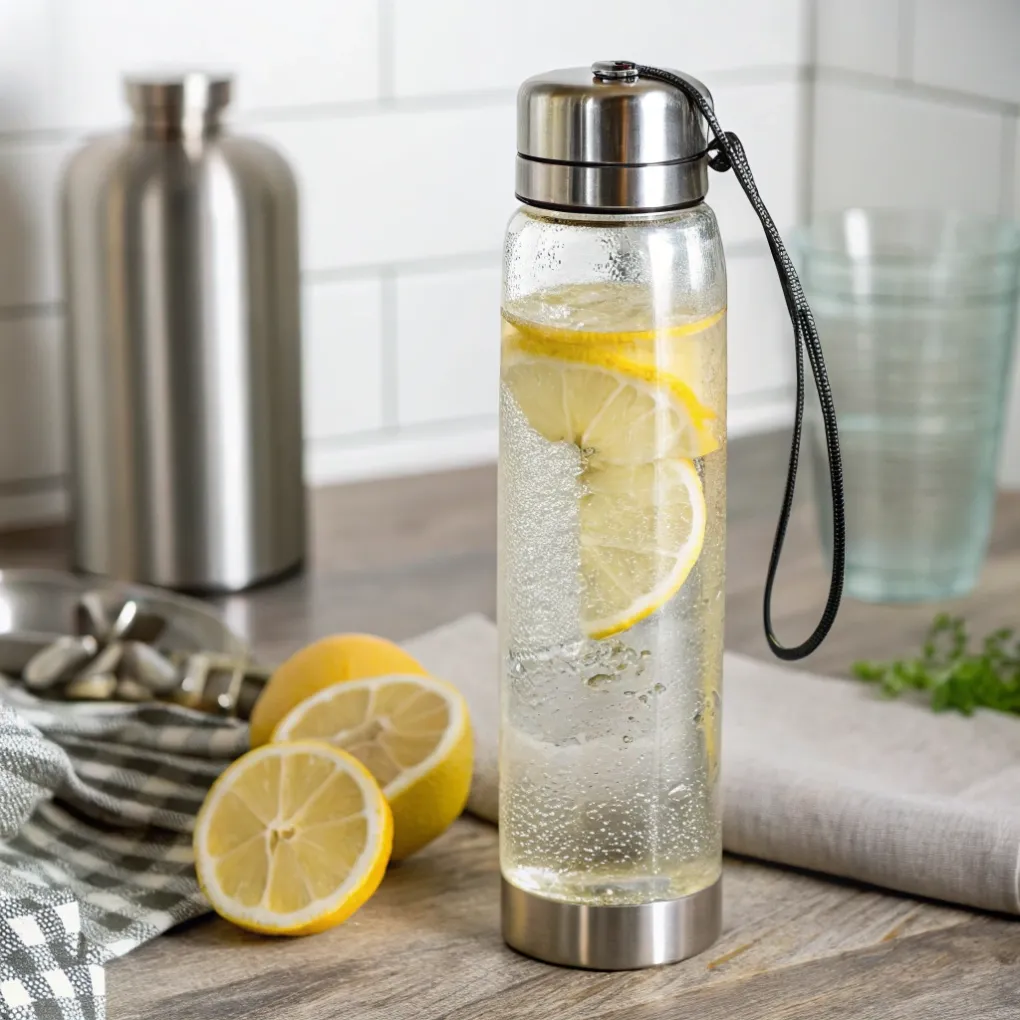
Is It Safe to Put Lemon Water in Stainless Steel Water Bottles?
Are you worried that adding a splash of fresh lemon juice will corrode your favorite metal flask? Pouring acidic drinks into the wrong container can lead to a metallic taste and ruined beverages. You need to know if your bottle can handle your healthy habits.
Yes, it is completely safe to put lemon water in high-quality stainless steel water bottles. Food-grade stainless steel is highly resistant to citric acid, meaning the metal will not corrode, leach harmful chemicals, or alter the taste of your drink.
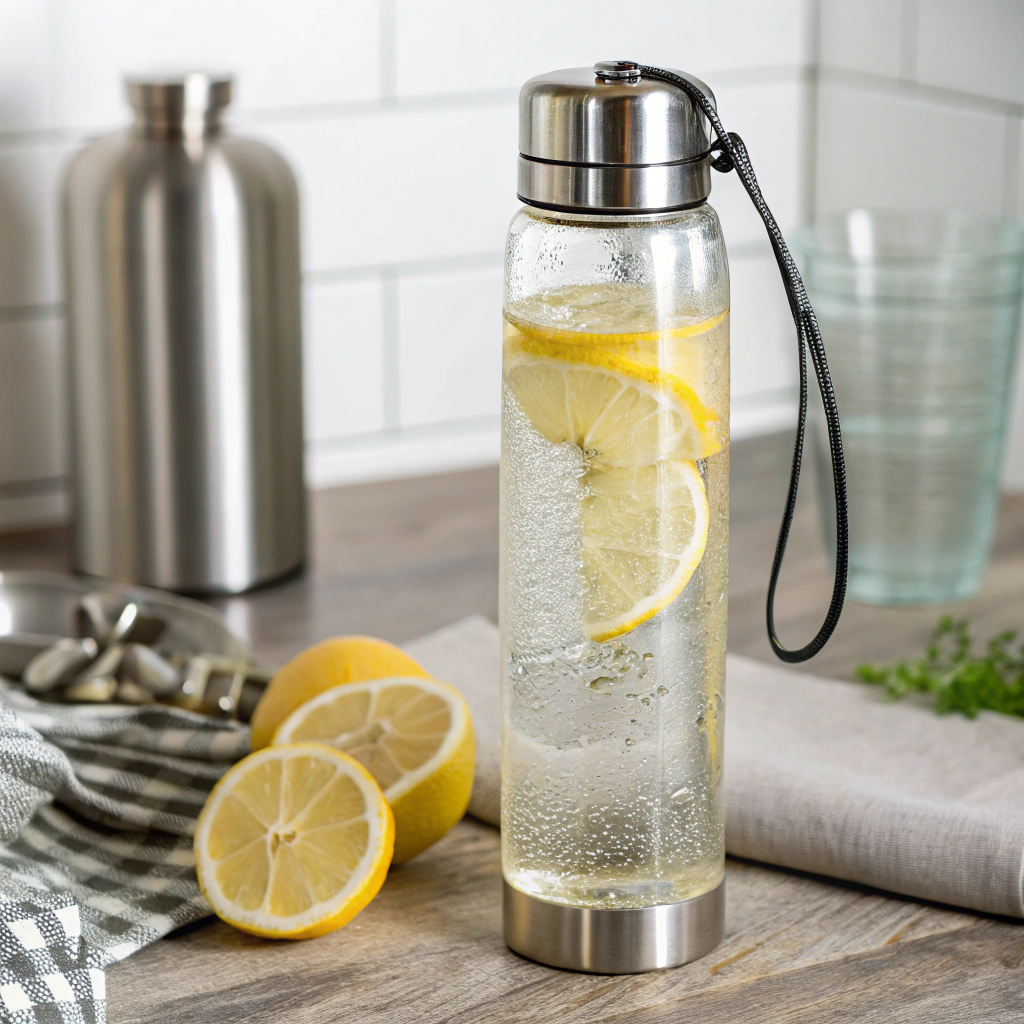
When I worked on the production floor of a printing factory, I learned a lot about metallurgy and how different materials react to liquids. I saw how cheap metals degrade quickly when exposed to moisture and acid. That experience taught me why choosing premium, food-safe materials like 304 stainless steel is crucial for daily health and safety.
Is It Okay to Put Lemon Juice in a Stainless Steel Water Bottle?
You want to enjoy your favorite citrus drinks on the go, but you worry the acid will cause long-term damage to the inside of your flask. Leaving lemon slices in a bottle for hours feels risky. This doubt can prevent you from staying hydrated throughout your busy day.
It is perfectly okay to put lemon juice in your bottle, provided you use food-grade 18/8 or 304 stainless steel. The material forms a passive chromium oxide layer that naturally blocks citric acid from reacting with the underlying metal.
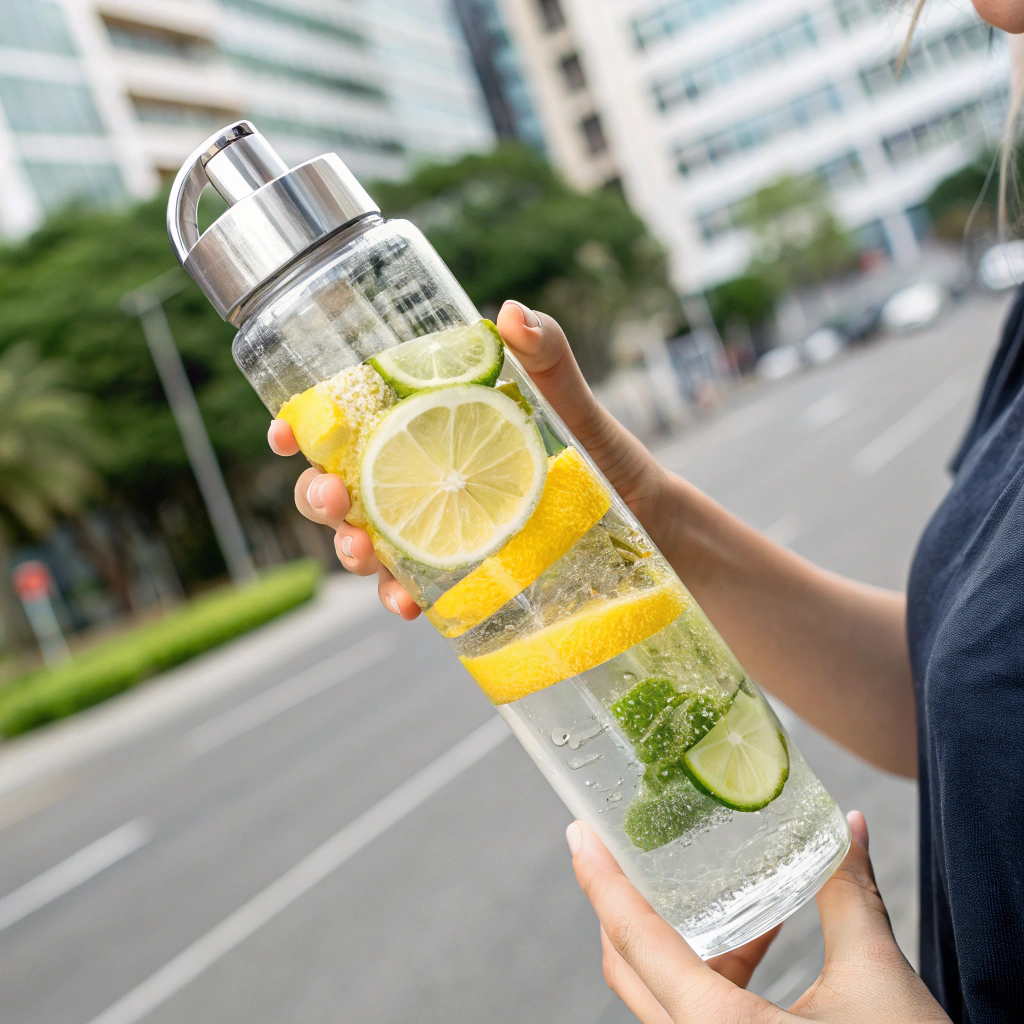
A close marketing client of mine, Jacky, loves drinking hot lemon water every morning to stay alert during long project meetings. He used to worry that the combination of heat and citrus acid would ruin his insulated flask. I explained to him that high-quality steel handles hot, acidic liquids perfectly, and now he carries his lemon water to work every single day without any metallic aftertaste.
To maximize the life of your beverage and your container, it helps to understand how different types of liquids interact with your bottle over time.
Taste and Material Integrity Over Time
Drink Duration in Bottle | Beverage Freshness Level | Metal Integrity Status | Best Practice Recommendation |
|---|---|---|---|
1 to 4 Hours | Excellent | Completely Safe | Drink normally during your morning routine |
4 to 12 Hours | Medium (Rind may taste bitter) | Completely Safe | Remove lemon peels to maintain a sweet taste |
Over 24 Hours | Low (Juice turns stale) | Safe (But bacteria can grow) | Empty the bottle and wash it thoroughly |
While the steel itself will not break down, leaving fresh lemon fruit slices in water for more than a day will cause the drink to spoil. The natural oils in the lemon peel can also create a bitter flavor, so it is always best to enjoy your fruit-infused water fresh.
Is It Safe to Drink Lemon Water from a Metal Bottle?
You hear conflicting advice online about drinking acidic beverages from metal containers, leaving you confused and anxious. Using an unsafe container might lead to heavy metal leaching into your diet. You need clear, factual guidance to protect your daily health.
It is entirely safe if your bottle is made from high-quality stainless steel, but it is highly unsafe if you use reactive metals like copper or unlined aluminum. Acidic liquids dissolve these weaker metals, creating a high risk of chemical poisoning.
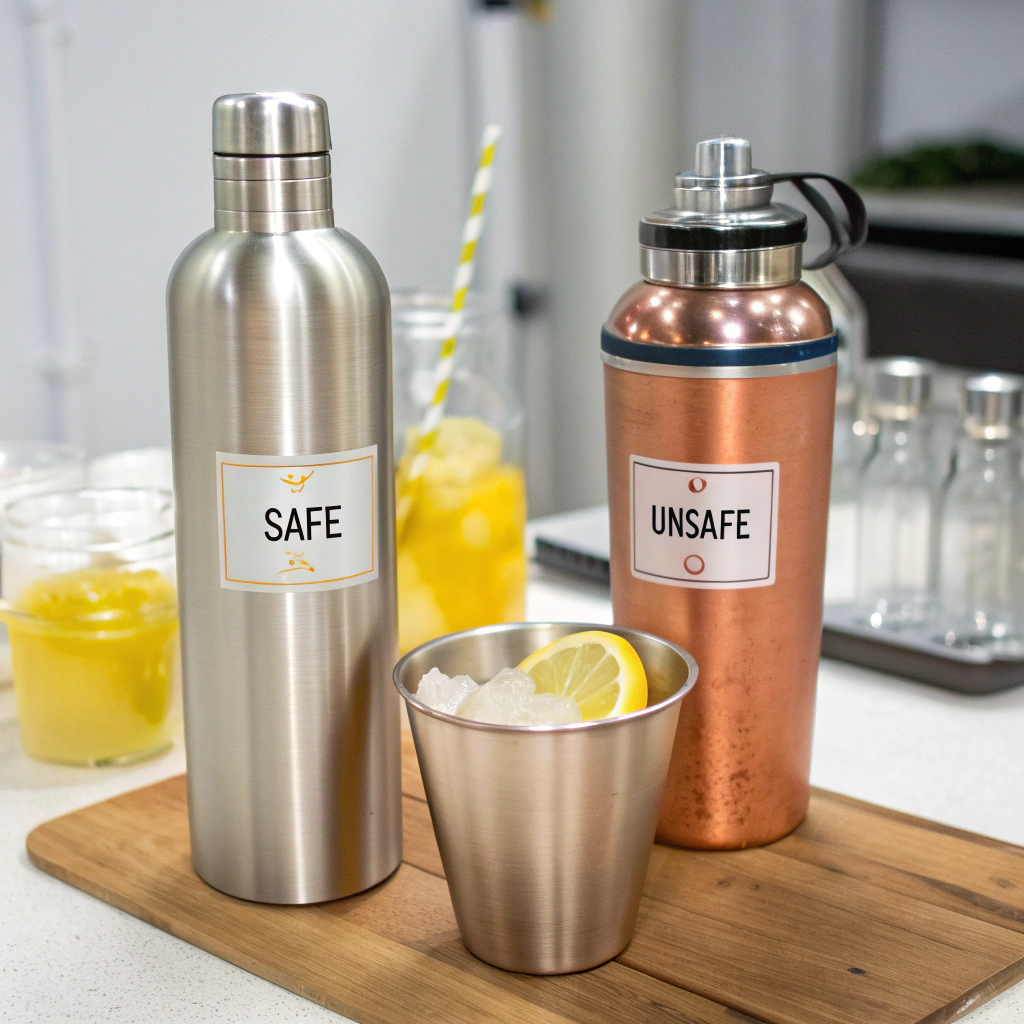
In the corporate gifting industry, I always stress the importance of material verification. Cheap promotional metal bottles are sometimes made from low-grade aluminum that relies on a thin plastic internal coating. If that coating scratches, the acid in your lemon juice touches the raw aluminum immediately, which is bad for your health.
Why Premium Stainless Steel Outperforms Other Metals
- Corrosion Resistance: The high chromium content in 304 steel creates an invisible shield against food acids.
- No Internal Linings: Stainless steel does not need plastic or epoxy coatings, so there is nothing to scratch or peel off.
- Flavor Purity: It does not absorb the essential oils from lemons, ensuring your next refill of plain water tastes completely neutral.
Choosing a premium reusable container gives you absolute peace of mind. You do not have to guess whether a plastic lining is failing inside your bottle because food-grade steel provides natural, lifelong protection against everyday food acids.
What Should You Not Drink with Stainless Steel?
You want to use your insulated flask for every beverage in your kitchen, but you worry that certain liquids might cause stains, odors, or safety hazards. Making a mistake could ruin an expensive bottle. You need to know the absolute limits of your drinkware.
You should not store carbonated drinks, hot milk products, or highly salty liquids like soup in a stainless steel bottle for long periods. Gas pressure can blow the lid off, while dairy products spoil rapidly in sealed spaces.
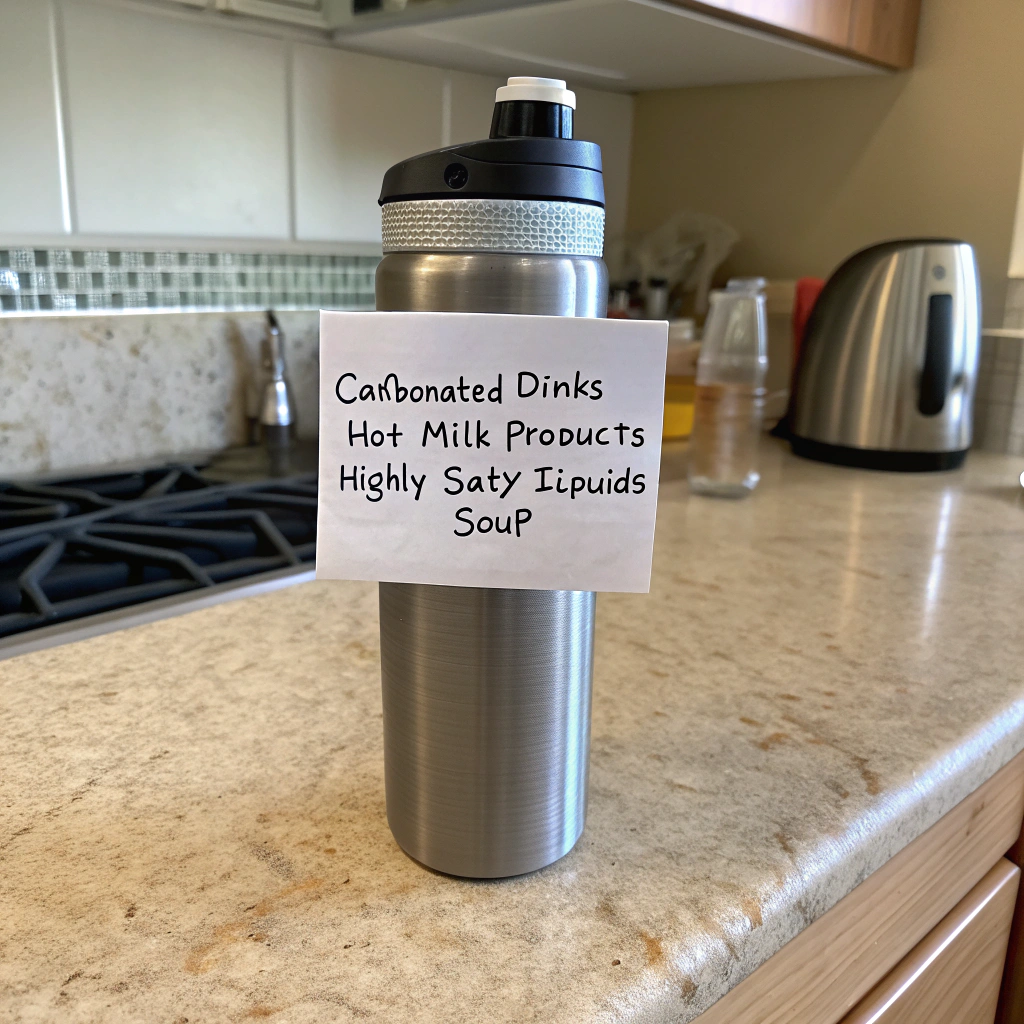
Managing product quality taught me that thermal insulation works incredibly well, but it cannot stop biological spoilage. If you put warm milk or baby formula into a flask, the sealed, warm environment creates the perfect breeding ground for dangerous bacteria within just a few hours.
Modern Flask Beverage Restrictions
High amounts of salt can also challenge the rust resistance of lower-grade steels if left to sit for days. As long as you stick to standard water, tea, coffee, and fruit infusions—and wash the silicone seals regularly to remove pulp residue—your stainless steel bottle remains a perfectly safe, versatile tool for daily life.
Conclusion
It is completely safe to enjoy lemon water in a premium stainless steel bottle. Avoid reactive metals, clean your bottle daily, and enjoy clean, fresh hydration wherever you go.