Oct 15, 2026News & Insights
Reusable Water Bottles: The Ultimate Guide to Safe, Sustainable Hydration
The best reusable water bottles combine safe materials, durable insulation, easy cleaning, and ergonomic design to support healthier hydration, reduce plastic waste, and save money.
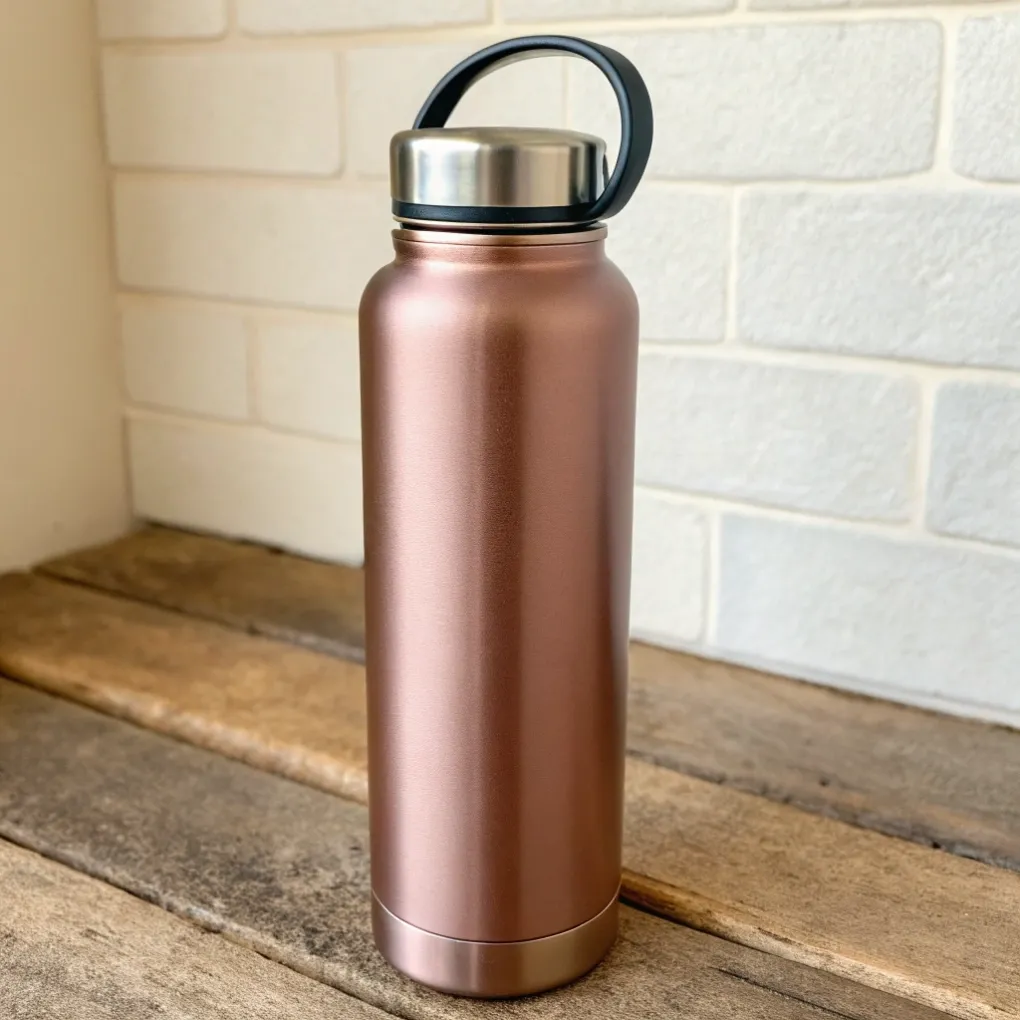
Reusable Water Bottles: The Ultimate Guide to Safe, Sustainable Hydration
Do you buy reusable bottles with high hopes of staying hydrated, only to leave them forgotten in a kitchen cupboard because they leak inside your commuter bag, feel heavy as lead, or smell like mildew? Buying a bottle based purely on aesthetics or sustainability claims often leads to daily frustration rather than a lasting hydration habit.
The best reusable water bottle combines food-contact inert materials like 18/8 stainless steel or borosilicate glass, reliable double-wall vacuum temperature control, a modular lid with fully removable silicone gaskets, and an ergonomic footprint designed for effortless daily carrying.
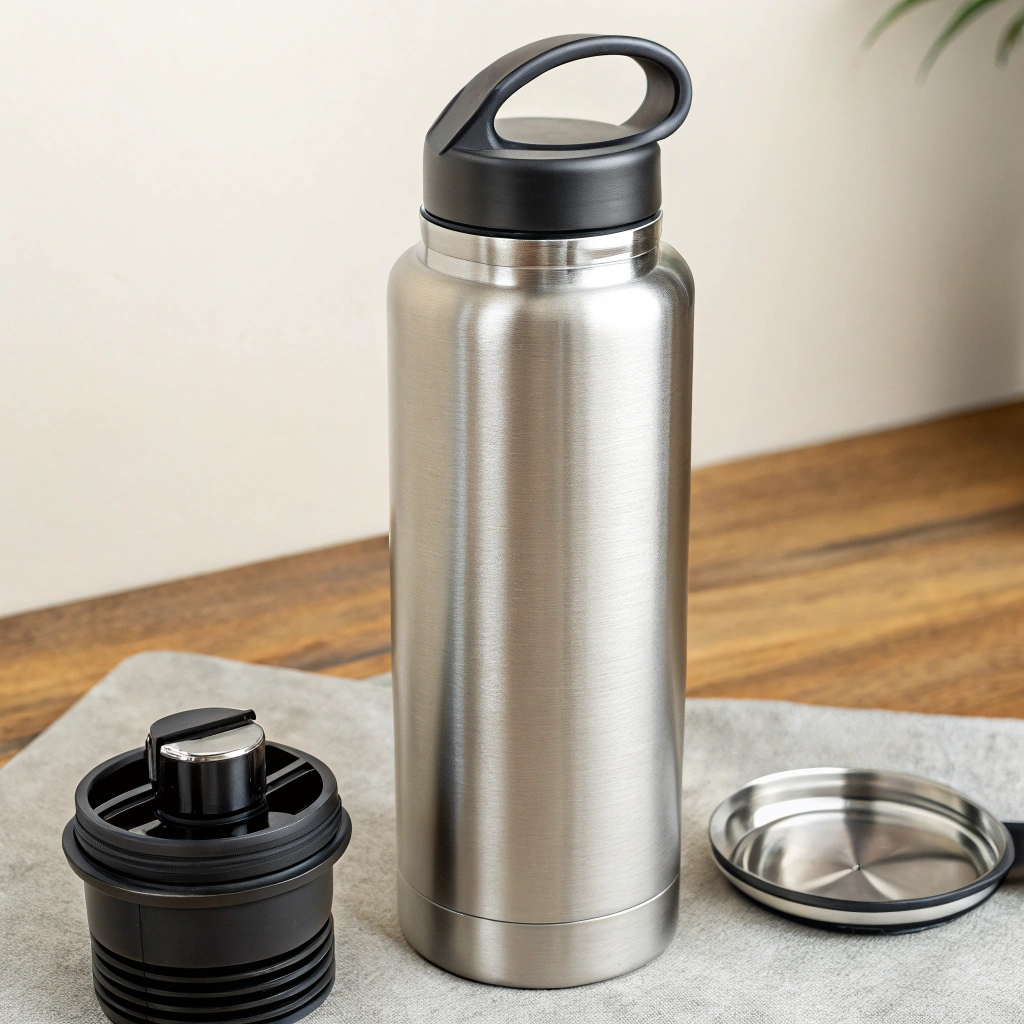
When I started my career working on the production floor of a printing and corporate merchandise factory years ago, I handled hundreds of thousands of drinkware pieces across stainless steel, aluminum, glass, and polymers. A reusable bottle is not simply a container; it is an everyday tool that interacts directly with your body. If the threads bind, the mouth opening is too narrow for standard ice cubes, or cleaning the spout feels like a chore, you will inevitably stop carrying it. Let us examine what makes a reusable bottle truly the best, assess the tangible benefits of ditching single-use plastic, and identify the healthiest materials for everyday drinking.
What Is the Best Reusable Water Bottle?
Are you torn between high-capacity insulated tumblers, ultra-light sport squeeze bottles, and pure glass carafes? Choosing a bottle without matching its physical mechanics to your daily commute creates constant carrying friction.
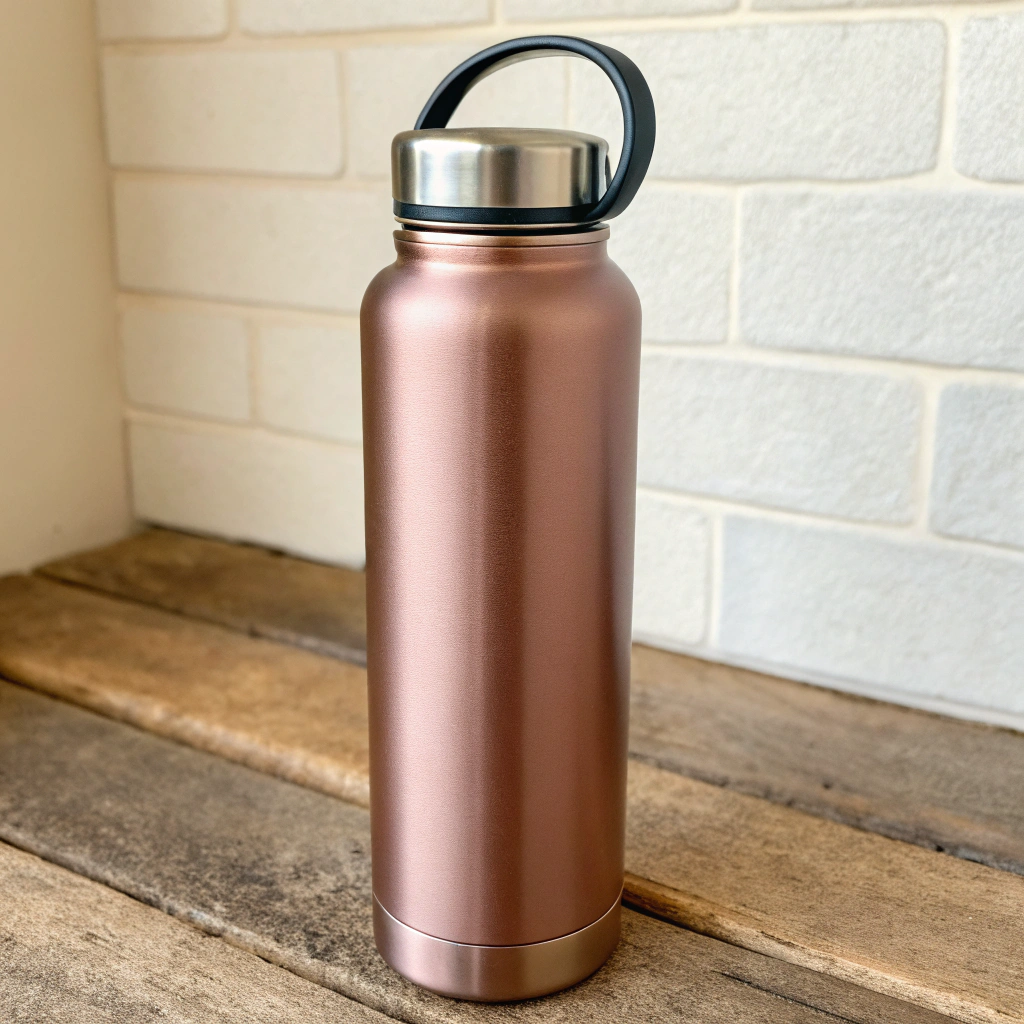
The best reusable water bottle is an electropolished 18/8 (304) double-wall vacuum-insulated stainless steel bottle in the 500 to 750 ml range, featuring a leak-proof insulated cap, wide-mouth opening for easy cleaning, and durable powder-coat exterior.
Thermal Retention, Ergonomics, and Daily Habit Formation
The most effective bottle is the one that removes friction from your hydration routine. Double-wall vacuum insulation works by eliminating conductive and convective heat transfer between two stainless steel walls. Premium designs add an internal electrolytic copper lining on the exterior of the inner chamber, reflecting radiant heat back into the liquid to keep drinks ice-cold for 24 hours or steaming hot for 12 hours without causing exterior sweat.
Ergonomics dictate whether the bottle leaves your desk. A 600 ml bottle sits within the universal sweet spot: weighing under 1 kg when filled, it fits standard 7.5 cm automotive cup holders and side backpack sleeves. For brand managers like Jacky developing corporate gifting merchandise or employee welcome packs, specifying this profile with a food-grade silicone-sealed screw cap ensures the bottle adapts equally well to boardroom tables, airport lounges, and hybrid home offices.
Evaluation Metric | Budget Single-Wall Polymer | Double-Wall 304 Stainless Steel | Borosilicate Glass + Silicone Boot |
|---|---|---|---|
Thermal Retention | None (Ambient liquid within 1 hour) | Cold: 24h / Hot: 12h (Vacuum sealed) | Limited (1 to 2h ambient change) |
Drop Resilience | High to Moderate (Can crack on concrete) | Exceptional (Dents, but body won’t crack) | Low (Vulnerable to hard impacts) |
Total Filled Weight | Ultra-light (~650 g for 500 ml) | Moderate (~900 g for 500 ml) | Heavy (~1,050 g for 500 ml) |
Odor & Flavor Resistance | Low (Absorbs coffee/electrolytes) | Exceptional (Electropolished bare metal) | Absolute Maximum (Non-porous glass) |
Ideal Everyday Routine | High-intensity athletics & cycling | Daily commuting, office, and business travel | Dedicated home office or desk hydration |
Why Should I Buy a Reusable Water Bottle?
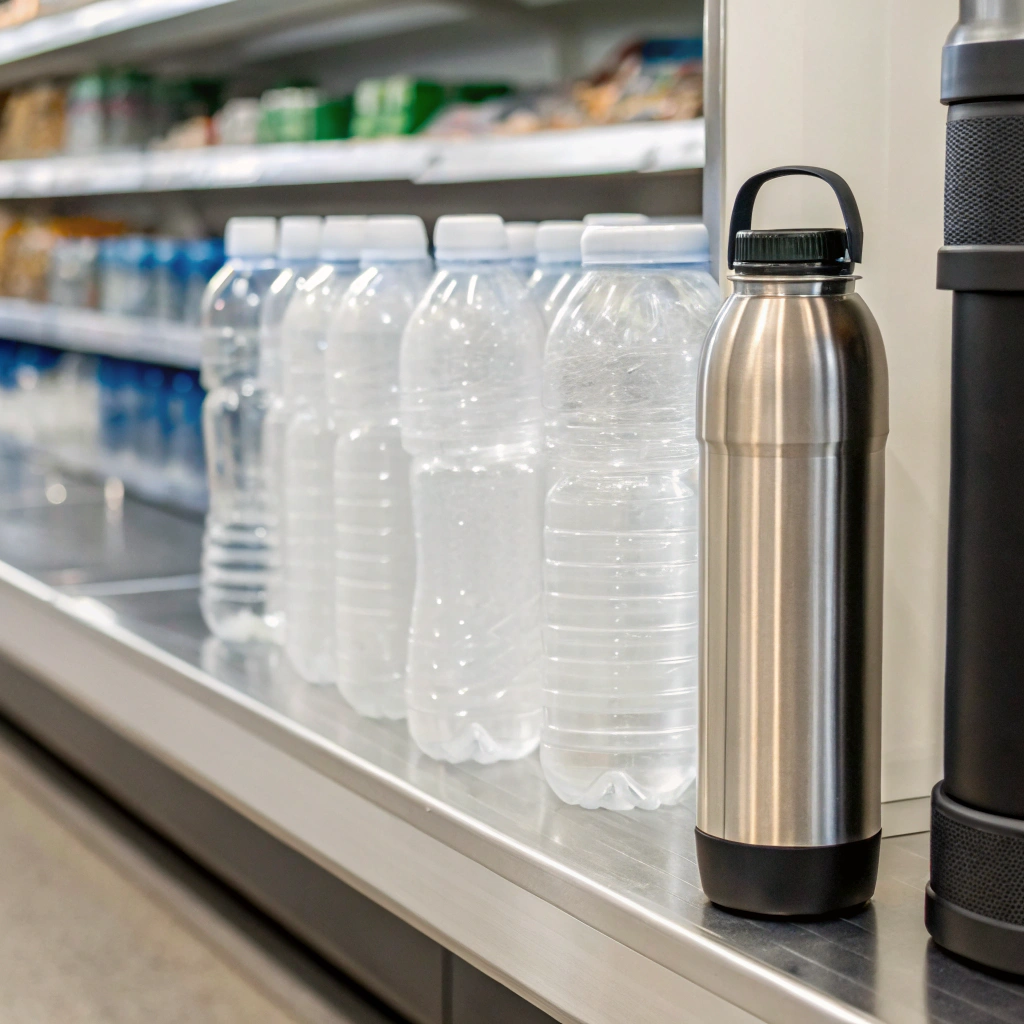
Do you regularly spend two or three dollars on commercial bottled water at convenience stores, assuming the financial and environmental costs are negligible? Relying on single-use packaged water creates substantial ongoing expenses and contributes directly to global microplastic pollution.
You should buy a reusable water bottle because it saves hundreds of dollars annually compared to single-use water, eliminates exposure to thousands of bottled nanoplastics, and keeps your water chilled and accessible throughout the entire day.
Economic Compounding, Microplastic Avoidance, and Routine Reliability
The benefits of carrying a reusable bottle compound across three major areas:
- Direct Financial Savings: Buying two single-use 500 ml water bottles every working day costs roughly $4.00 to $6.00 daily, exceeding $1,200 annually. A premium $30 reusable bottle pays for itself within three weeks of regular tap or office cooler refills.
- Eliminating Microplastic Ingestion: Clinical health studies show that standard single-use PET plastic bottles contain upwards of 240,000 detectable plastic fragments per liter—primarily nanoplastics small enough to cross cellular barriers into human blood and organ tissue. A food-grade steel or glass bottle provides pure water without plastic breakdown.
- Consistent Hydration Discipline: Having cold, fresh water immediately within arm’s reach increases daily water consumption by over 30% compared to relying on sporadic water fountain visits, improving mental clarity and reducing afternoon fatigue.
Annual Comparison Factor | Single-Use Commercial PET Bottles | Dedicated Reusable 304 Steel Bottle |
|---|---|---|
Annual Financial Expense | ~$1,000 to $1,500+ (Based on 2 bottles/day) | $25 to $35 One-Time Purchase |
Plastic Waste Generation | ~700 Plastic bottles entering waste streams | Zero plastic waste generated |
Average Temperature Control | Lukewarm within 45 minutes | Consistently cold (under 8°C) for 24 hours |
Chemical Leaching Risk | High (PET microplastics, antimony, phthalates) | Zero (Inert chromium oxide passivated layer) |
What Is the Healthiest Type of Reusable Water Bottle?
Are you concerned about reports of synthetic hormone disruptors, toxic metal leaching, or hidden mold lurking inside reusable drinkware? Understanding material chemistry ensures your daily water stays completely safe and untainted.
The healthiest type of reusable water bottle is made from unlined food-grade 18/8 (304) or 316 stainless steel, or pure medical-grade borosilicate glass, fitted with platinum-cured silicone seals and a wide mouth that allows complete cleaning.
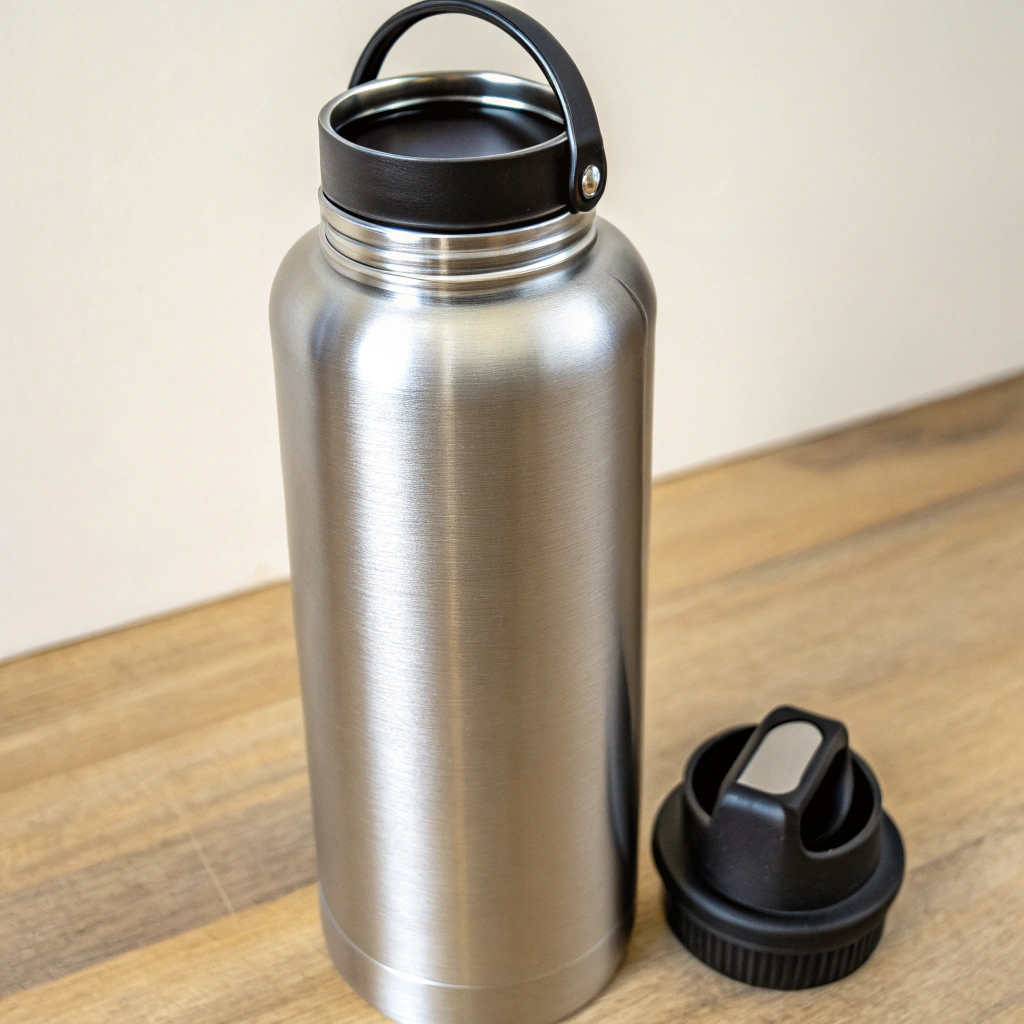
Metallurgical Passivity, Inert Borosilicate, and Gasket Hygiene
Chemical safety is determined by material inertness and surface cleanability:
- Austenitic Stainless Steel (SUS304 / SUS316): These food-contact alloys naturally form an invisible, self-healing chromium oxide film that prevents iron from oxidizing and stops metal atoms from migrating into neutral, cold, or acidic drinks like lemon water. Unlike aluminum, stainless steel requires no synthetic epoxy or resin inner liner that could scratch, crack, or degrade.
- Borosilicate Glass: Composed of silica and boron trioxide, this glass is 100% chemically inert, completely non-porous, and resistant to thermal shock. It will never absorb odors, retain flavors, or leach chemicals into boiling water.
- Platinum-Cured Silicone Gaskets: Low-grade bottles often use cheap rubber seals cured with peroxides, leaving trace volatile organic compounds. High-grade bottles utilize platinum-cured silicone, which remains chemically stable, flexible, and completely food-safe.
- Mechanical Hygiene: Even the safest material becomes unhealthy if the lid harbors black mold. Avoid convoluted flip-straw mechanisms with sealed interior valves. Select wide-mouth designs with easily accessible, removable O-rings that can be sanitized with warm soapy water every week.
Material Profile | Chemical Inertness Rating | Leaching Risk (Acid/Heat) | Hygiene & Cleanability | Safe Usage Standard |
|---|---|---|---|---|
304/316 Stainless Steel | Exceptional | Zero leaching (Naturally passivated) | High (Electropolished interior) | Optimal for daily all-temperature carry |
Borosilicate Glass | Absolute Maximum | Zero chemical reactivity | High (Non-porous; dishwasher-safe) | Desk hydration & thermal shock resistance |
Eastman Tritan Co-Polyester | High (BPA/BPS-Free) | Low at ambient temperatures | Moderate (Can scratch with stiff wire) | Lightweight athletics; avoid boiling liquids |
Lined Extruded Aluminum | Moderate (Liner dependent) | High if epoxy lining is scratched | Moderate (Liner wear traps bacteria) | Only safe while interior coating is pristine |
Conclusion
The best reusable water bottle balances durable food-grade 304 stainless steel or borosilicate glass construction with effortless cleaning access and an ergonomic size, turning daily hydration into a safe, sustainable habit that supports your personal health and eliminates disposable plastic waste for years.