Aug 5, 2026Services Overview
The Water Bottle Should Be BPA-Free?
Learn why BPA-free water bottles are essential for safe hydration. Discover the risks of BPA, the benefits of safer materials, and how to choose a reliable reusable bottle for everyday use.
The Water Bottle Should Be BPA-Free?
Using daily water bottles without checking material safety exposes your body to unwanted industrial chemicals. Leaching toxins damage long-term wellness. Choosing certified BPA-free containers protects your health effortlessly.
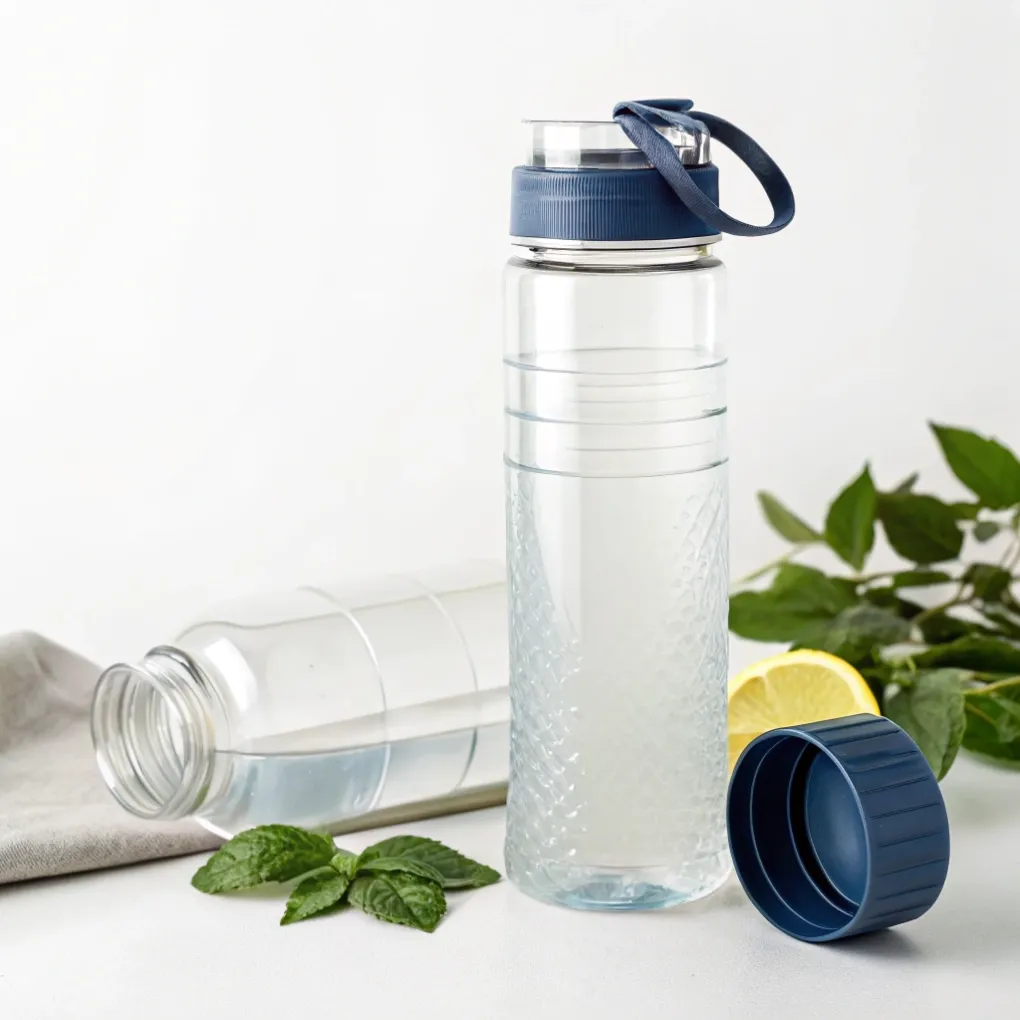
Yes, a water bottle should definitely be BPA-free. Bisphenol A is an industrial compound that can leach into drinks, disrupting hormones. Opting for BPA-free materials prevents toxic exposure, ensuring clean hydration for daily office, gym, and travel use.
I spent years on factory floors managing metal fabrication, silicone molding, and custom drinkware production before starting Latitude. I saw firsthand how switching away from harmful plastics creates safer, higher-quality products that people use with total peace of mind every single day. Keep reading to learn why material safety matters for your daily hydration.
Do Water Bottles Need To Be BPA-Free?
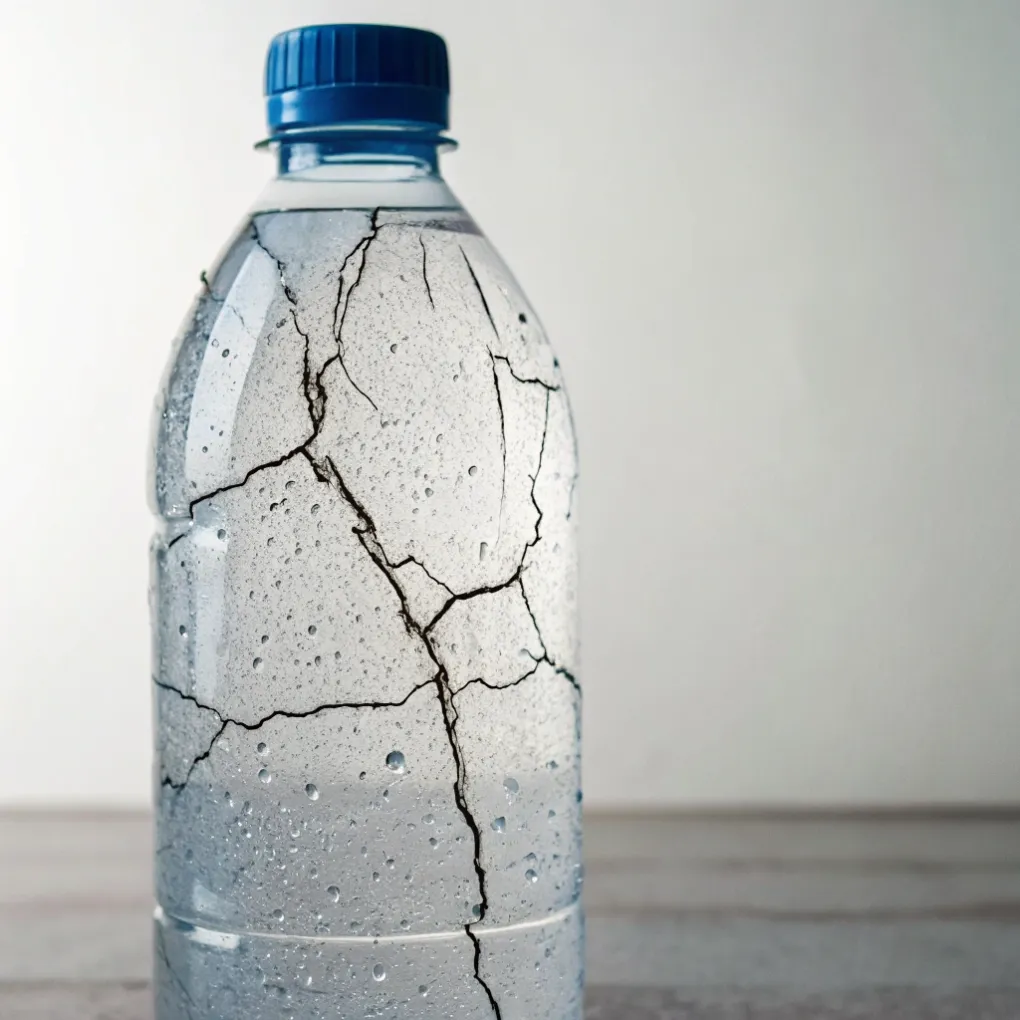
Drinking from unverified plastic bottles raises hidden health risks over time. Micro-cracks and heat cause synthetic chemicals to leach into water. Demanding BPA-free construction ensures your drinking safety.
Yes, water bottles must be BPA-free to prevent Bisphenol A from contaminating your beverages. BPA acts as an endocrine disruptor linked to hormonal imbalances, reproductive issues, and developmental concerns. Choosing BPA-free containers eliminates these toxic risks completely.
Understanding Bisphenol Hazards and Material Safety
During my early production days in the printing and custom merchandise industry, I evaluated thousands of plastic and metal drinkware samples. Polycarbonate plastics containing BPA were once industry standards because they were cheap and clear. However, heat from dishwashers, sunlight, or warm liquids breaks down plastic bonds, causing BPA to leach directly into drinks. Research links BPA exposure to endocrine disruption, immune system strain, and metabolic changes. Today, choosing BPA-free products is an essential health standard for everyday life.
Plastic Type / Code | BPA Status | Safety Profile |
|---|---|---|
Polycarbonate (Code 7) | Contains BPA | High risk of chemical leaching |
Tritan Copolyester | 100% BPA-Free | Impact resistant & food safe |
Polypropylene (Code 5) | 100% BPA-Free | Heat resistant & durable |
PET / PETE (Code 1) | BPA-Free | Single-use only; degrades quickly |
Demanding certified BPA-free construction protects your family from harmful chemical migration.
Is A BPA-Free Bottle Good For Health?
Switching to a BPA-free label feels safe, but chemical substitutes might still pose risks. Failing to verify material ingredients endangers your body. Selecting truly non-toxic bottles guarantees healthy daily hydration.
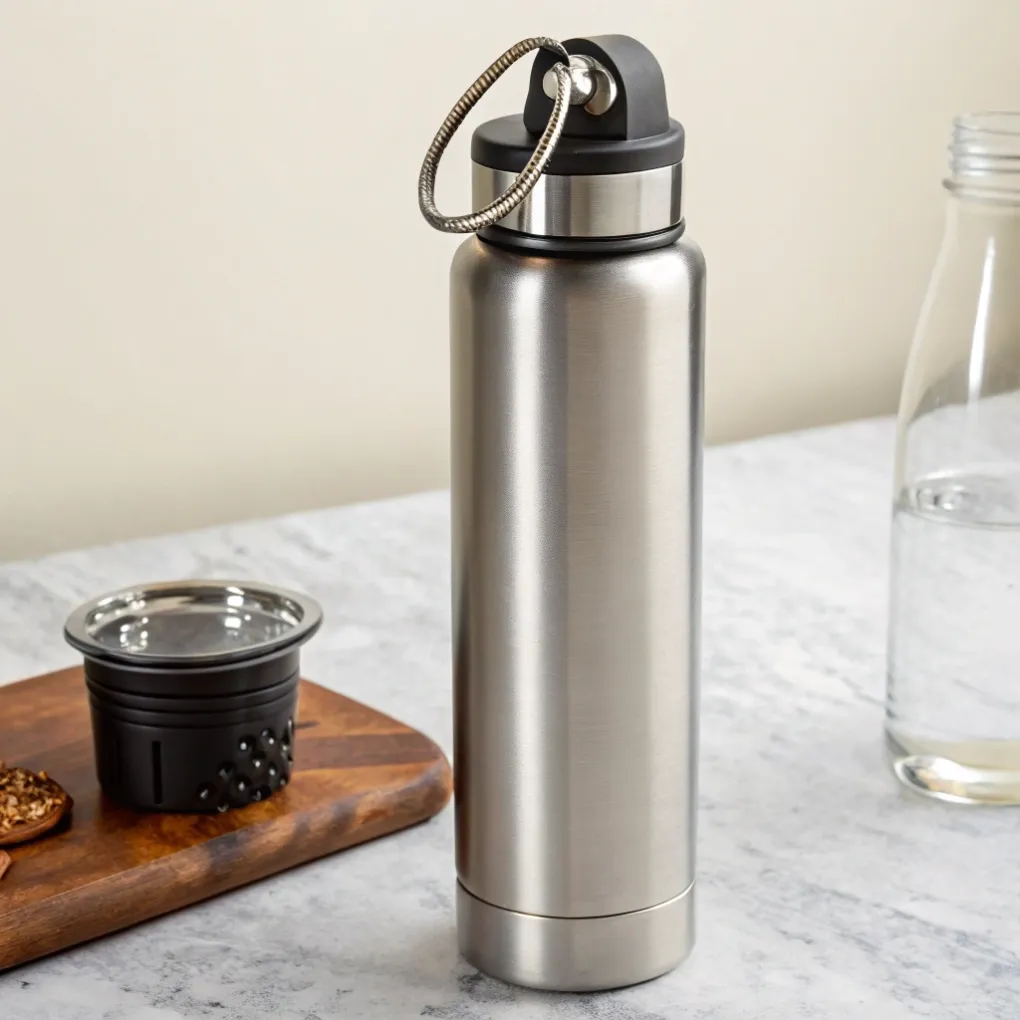
A BPA-free bottle is good for health because it eliminates Bisphenol A exposure. However, to maximize health benefits, ensure the bottle also avoids toxic substitutes like BPS or BPF by choosing food-grade 18/8 stainless steel or glass containers.
Beyond "BPA-Free": Avoiding Regrettable Substitutions
In my ten years running Latitude, I always advise clients to look beyond simple marketing labels. When manufacturers removed BPA, many replaced it with chemical cousins like Bisphenol S (BPS) or Bisphenol F (BPF). Studies indicate that BPS and BPF can mimic the same hormone-disrupting behavior as BPA. Therefore, a plastic bottle labeled "BPA-Free" might still leach synthetic compounds if exposed to high heat or harsh detergents.
To ensure genuine health benefits, prioritize non-reactive materials like 18/8 food-grade stainless steel or borosilicate glass. These materials require zero chemical additives or inner plastic linings, keeping your water pure, odor-free, and completely non-toxic.
Material Option | Chemical Leaching Risk | Health & Longevity Grade |
|---|---|---|
18/8 Stainless Steel | Zero Leaching | Superior / Food-Grade |
Borosilicate Glass | Zero Leaching | Superior / Purest Taste |
BPA-Free Plastic | Low to Moderate (BPS risk) | Moderate / Subject to wear |
Standard Polycarbonate | High (BPA Leaching) | Unsafe for food contact |
Investing in high-grade non-leaching materials gives you complete control over your daily health.
Which Water Bottles Completely Avoid Plastic?
Worrying about microplastics and plastic lids ruining your water quality creates constant frustration. Plastic components degrade over time. Choosing plastic-free water bottle designs guarantees pure, uncontaminated hydration.
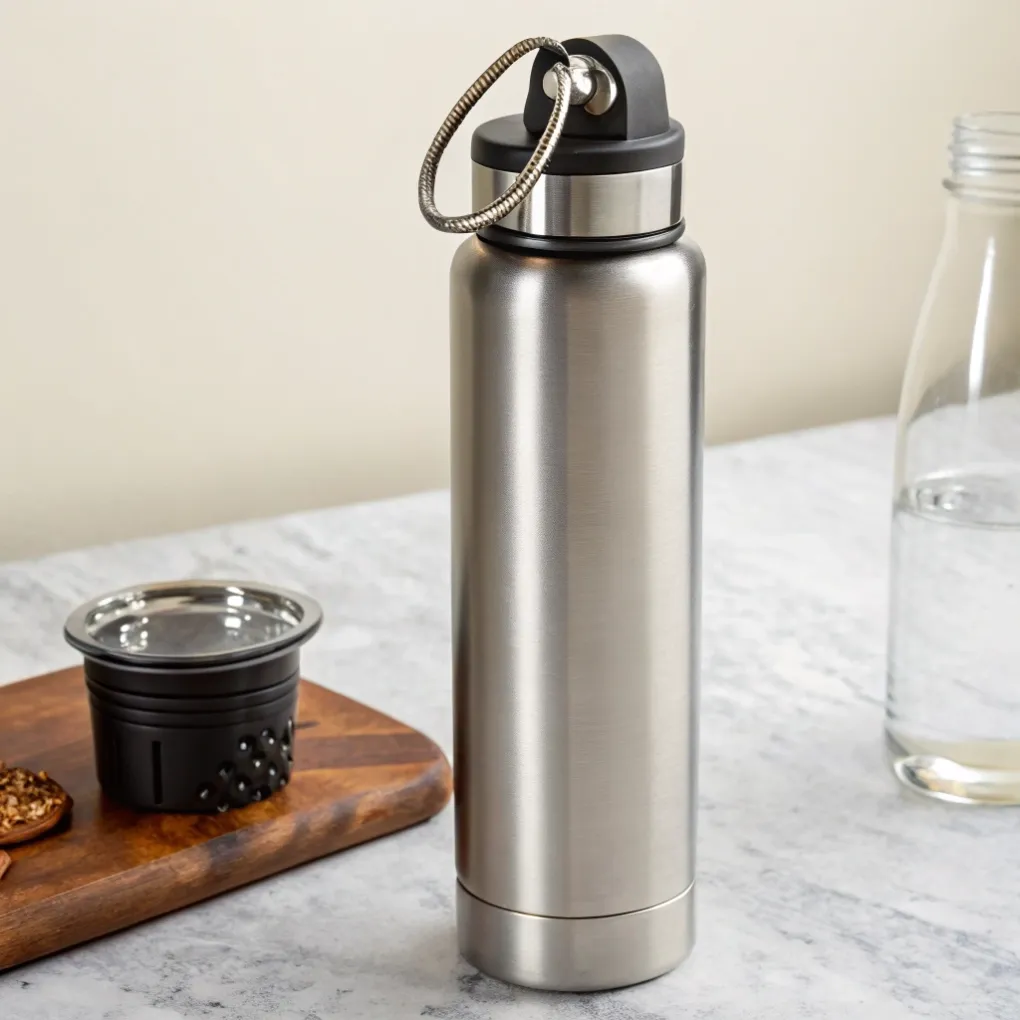
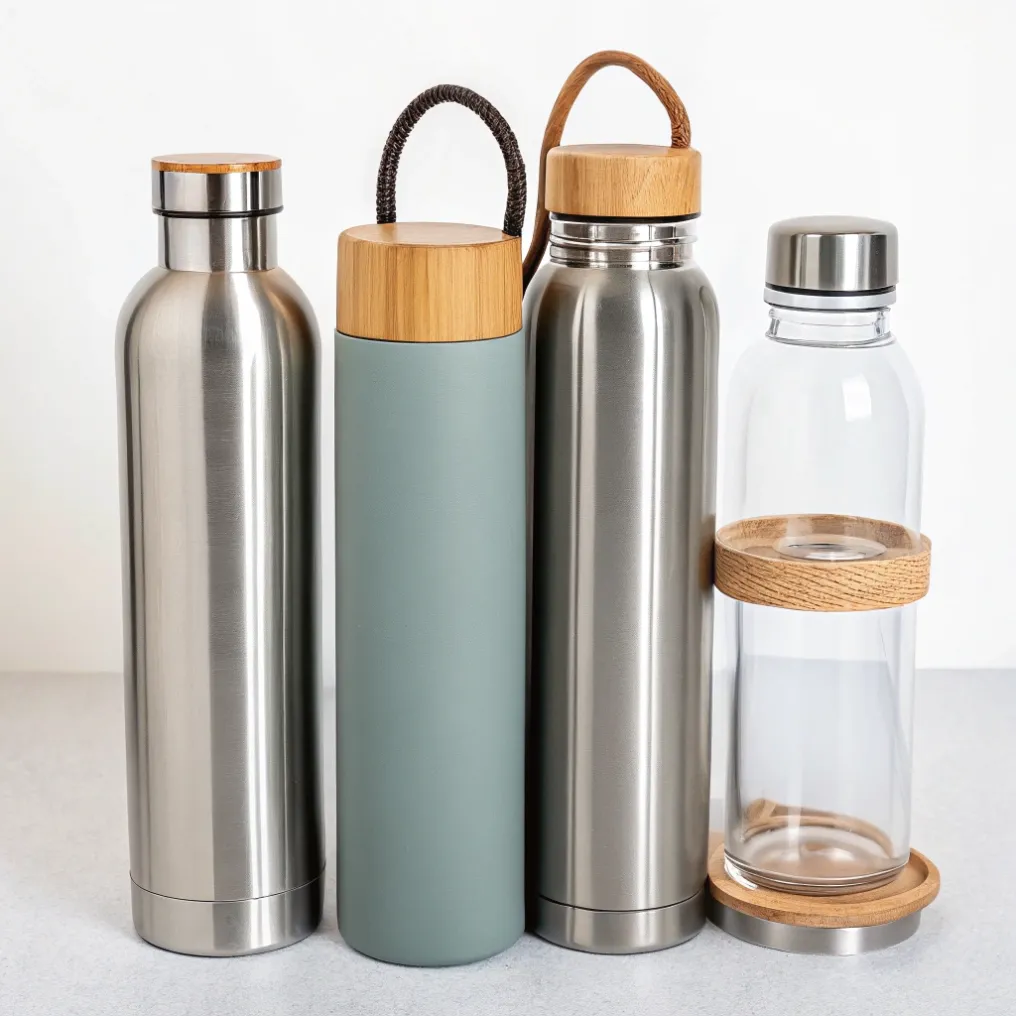
Water bottles that completely avoid plastic include 100% stainless steel bottles with steel-lined or bamboo lids, borosilicate glass bottles with ceramic stoppers, and food-grade silicone drinkware. Brands like Klean Kanteen and Pura offer completely plastic-free options.
Uncovering Zero-Plastic Bottle Innovations
During my factory career, I designed custom drinkware closures and silicone seals. Most standard insulated bottles feature a stainless steel body paired with a plastic lid or inner thread cover. While the body stays plastic-free, water still sloshes against plastic components inside the cap. For consumers seeking absolute plastic-free hydration, specialized designs replace plastic lids with full stainless steel, bamboo, or food-grade silicone seals.
Brands like Klean Kanteen Reflect series and Pura offer bottles where water touches only 18/8 stainless steel and medical-grade silicone. Glass bottles with ceramic or steel-lined tops provide another totally plastic-free alternative, preventing microplastics and off-tastes entirely.
Plastic-Free Style | Material Construction | Primary Hydration Benefit |
|---|---|---|
Steel-Lined Cap | 18/8 Stainless Steel under lid | Zero plastic-to-water contact |
Bamboo & Steel Loop | Natural bamboo + stainless steel | Eco-friendly & plastic-free |
Glass + Ceramic Top | Borosilicate glass + ceramic | Pure, chemical-free taste |
100% Medical Silicone | Pure food-grade silicone | Flexible, microplastic-free |
Choosing plastic-free bottle options protects your health while supporting a sustainable, low-waste lifestyle.
Conclusion
Choosing a BPA-free water bottle—or opting for plastic-free stainless steel—guarantees safe, non-toxic hydration, long-term durability, and sustainable lifestyle value for your daily health routine.