Sep 14, 2026Services Overview
What Are Custom Kraft Paper Bags Used For?
Discover what custom kraft paper bags are used for, from retail packaging and food service to events and gifting. Learn how durable, eco-friendly bags can enhance convenience and brand visibility.
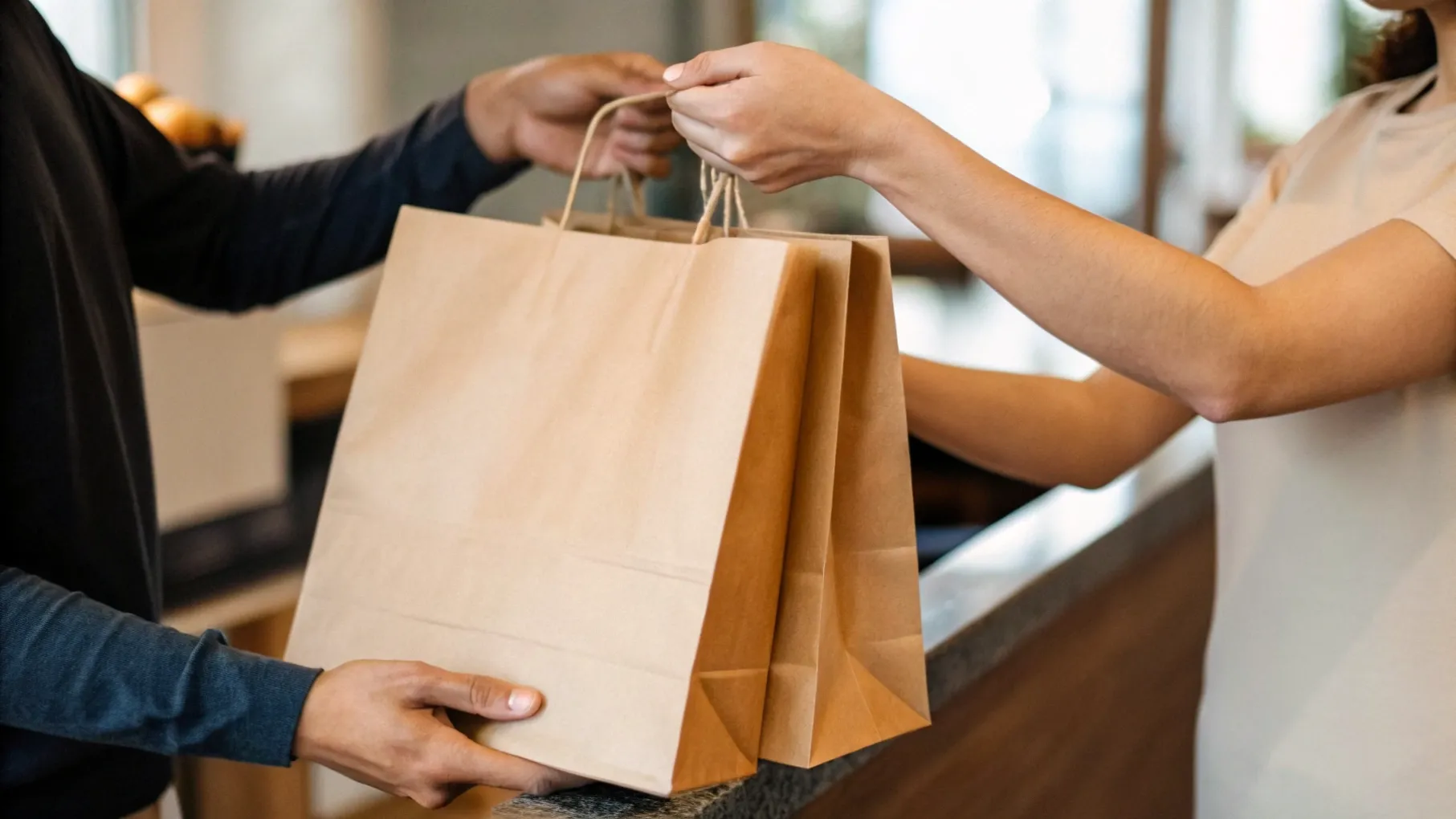
What Are Custom Kraft Paper Bags Used For?
Handing retail purchases or corporate giveaways to customers without branded packaging wastes a powerful marketing touchpoint. Generic blank sacks fail to communicate professionalism and leave your brand identity completely invisible on the street.
Custom Kraft paper bags are primarily used for retail shopping packaging, takeaway food service, corporate event gift distribution, luxury merchandise presentations, and e-commerce local delivery handovers, serving simultaneously as functional product carriers and mobile brand advertising.
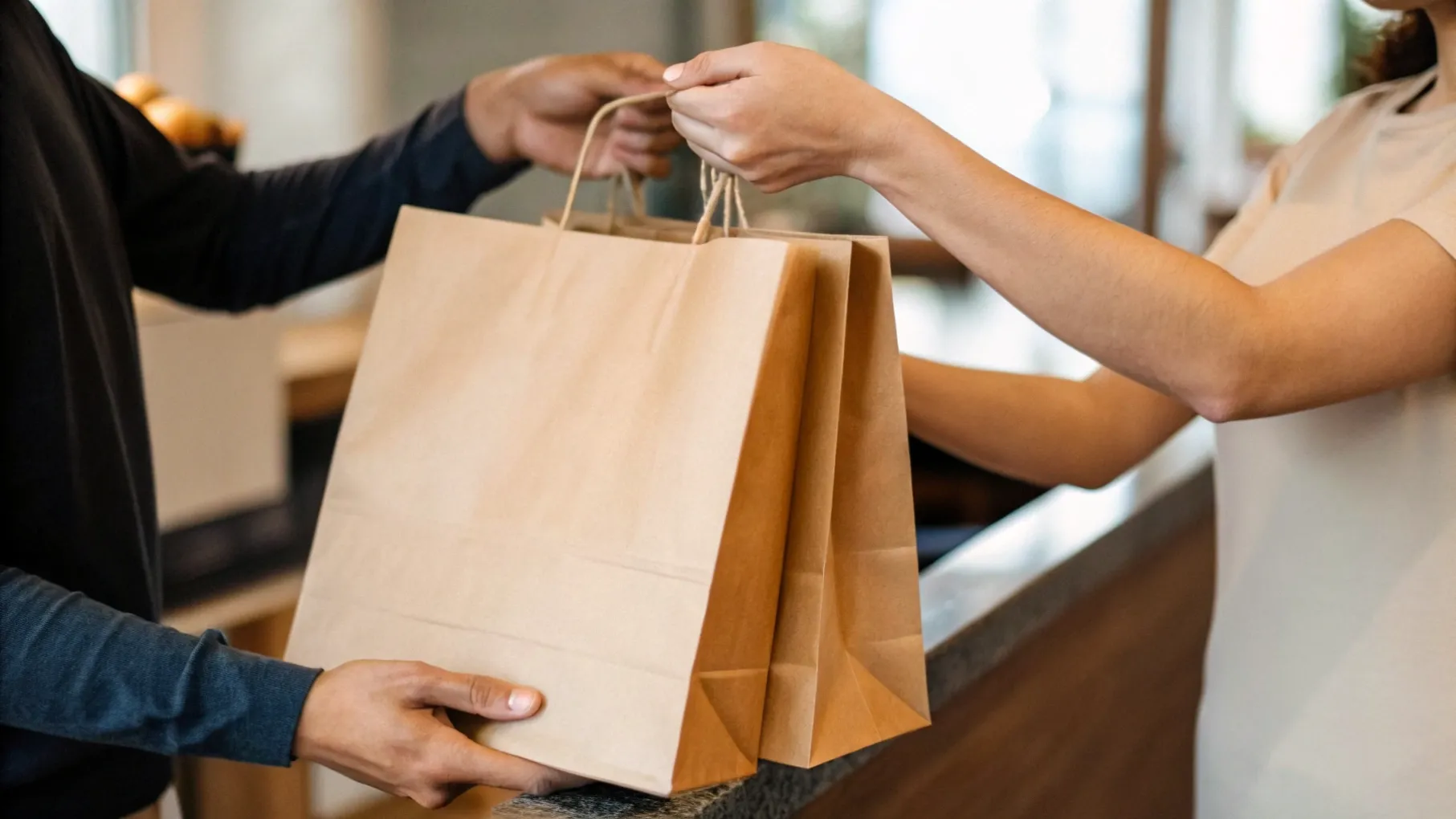
Back in my early printing factory days, I watched businesses treat packaging as an afterthought rather than a core marketing asset. Brand managers like Jacky know that your packaging is the final physical interaction with a client. A well-designed Kraft paper bag transforms a basic transaction into a lasting brand impression.
What Do People Use Kraft Paper For?
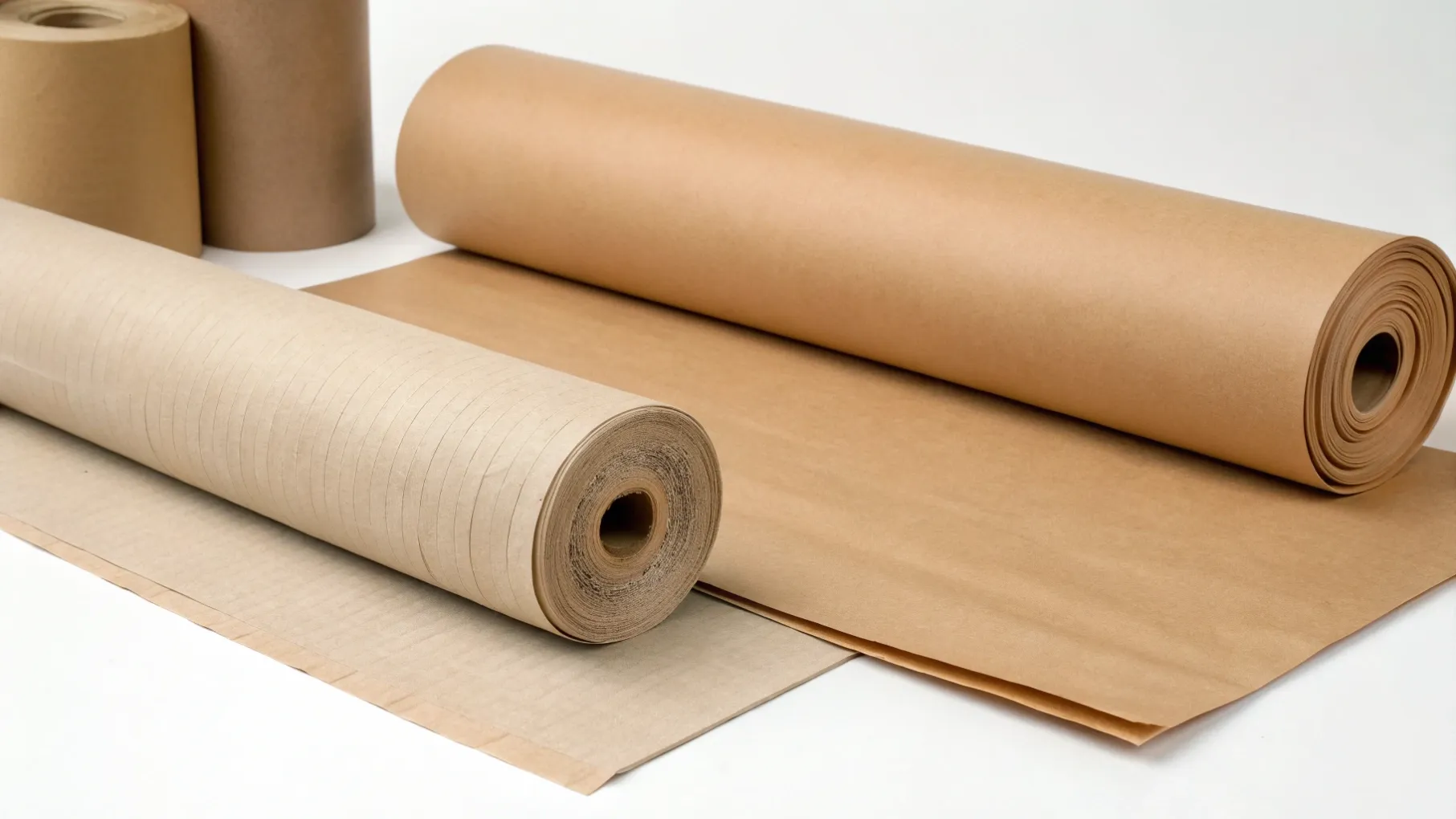
Raw rolls and flat sheets of unbleached kraft paper appear across dozens of industries. Many buyers only associate the material with basic brown grocery bags, ignoring its wider industrial versatility.
People use kraft paper for protective package cushioning, box void fill, pallet interleaving sheets, rustic gift wrapping, industrial multi-wall cement sacks, masking for paint work, and base material for corrugated cardboard boxes.
The Industrial and Commercial Reach of Kraft Pulp
The word "kraft" comes from the German term for strength, referring to the chemical pulping process that preserves long cellulose fibers. In my manufacturing career, I have seen this fiber density provide high tear and puncture resistance across diverse supply chains. Furniture makers wrap finished wooden tables in heavy unbleached kraft paper sheets to guard against transit scratches without trapping humidity. Automotive painting shops line vehicle windows with treated kraft masking paper to absorb paint overspray without bleeding solvents onto car frames.
In e-commerce distribution warehouses, automated dispenser machines crumple lightweight kraft paper rolls into accordion-shaped cushioning pads. This crumpled paper locks heavy items into place inside shipping boxes, replacing non-recyclable plastic foam peanuts. Because virgin kraft pulp contains no synthetic bleaching agents, it breaks down quickly in organic recycling streams.
Commercial Kraft Format | Typical Paper Weight | Primary Industrial Application | Functional Material Advantage |
|---|---|---|---|
Void Fill Paper Rolls | 50 – 70 GSM | Shipping box cushioning and filler | Flexible, biodegradable, shock absorbing |
Interleaving Sheets | 80 – 100 GSM | Layering sheets on transit pallets | Absorbs light surface oil, stops abrasion |
Wrapping & Masking Paper | 90 – 120 GSM | Furniture wrapping, painting masking | Clean solvent barrier, avoids paint bleeds |
Multi-Wall Sack Kraft | 120 – 150 GSM | Bulk cement, grain, and chemical sacks | High tensile burst strength under heavy loads |
What Are Paper Bags Commonly Used For?
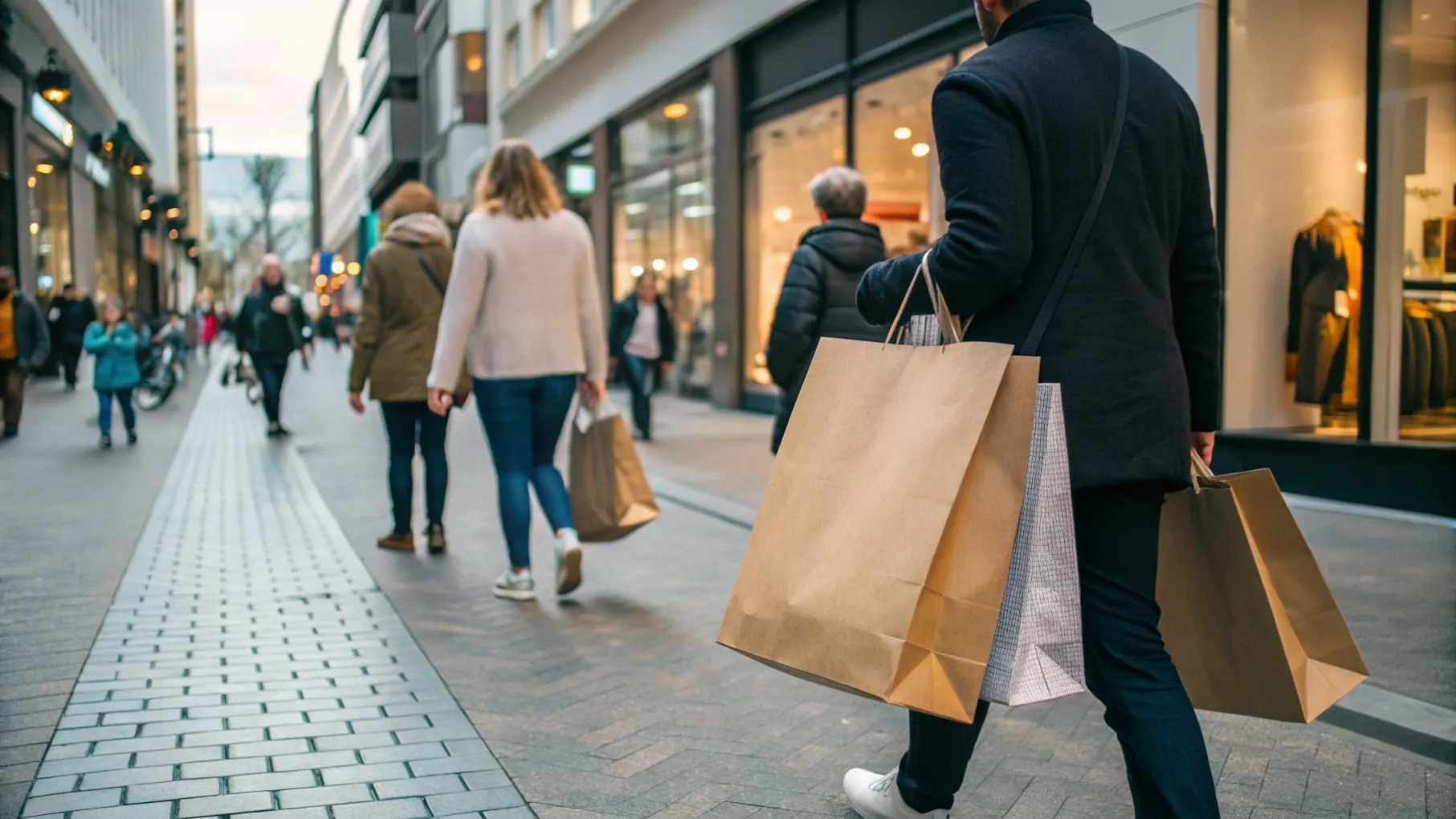
Walk into any commercial district, and you will see paper bags carried in every direction. Businesses rely on these carriers because they combine structural rigidity with straightforward surface printing.
Paper bags are commonly used for retail clothing checkout, warm takeaway food service, bakery item protection, trade show promotional literature kits, corporate welcome gifts, and boutique pharmacy purchases.
Sector-Specific Applications Across Modern Retail
Different commercial sectors demand different structural builds from paper carriers. Fashion boutiques rely on wide gusseted bags made from heavy bleached white kraft. These bags hold tailored garments flat, preventing wrinkles before customers arrive home. In food service, bakeries prefer grease-resistant natural kraft bags without handles. The porous paper allows warm bread to breathe, preserving crust crispness instead of trapping steam like airtight plastic bags do.
At trade exhibitions, corporate managers distribute handled paper carriers filled with stationery sets and product samples. The bag functions as an active presentation kit on the showroom floor. When attendees walk across convention centers carrying a crisp bag, hundreds of nearby delegates view that company name. Choosing the right bag profile ensures your merchandise stays safe while projecting a polished corporate image.
Industry Sector | Typical Contents Carried | Preferred Bag Style | Essential Structural Feature |
|---|---|---|---|
Retail Apparel | Folded shirts, pants, jackets | Large Euro tote or twisted-handle kraft | Broad base gusset to avoid garment folds |
Food Service & Bakery | Warm baguettes, pastries, buns | Flat pinch-bottom unhandled sack | Breathable, grease-resistant food-safe lining |
Corporate Events & Gifting | Metal tumblers, notebooks, catalogs | Mid-sized handled retail carrier bag | Heavy bottom cardboard support card |
Luxury Lifestyle & Beauty | Cosmetics, perfumes, accessories | Turn-top Euro tote with ribbon handle | Heavy card stock with matte lamination |
What Are Some Things I Can Use Paper Bags For?
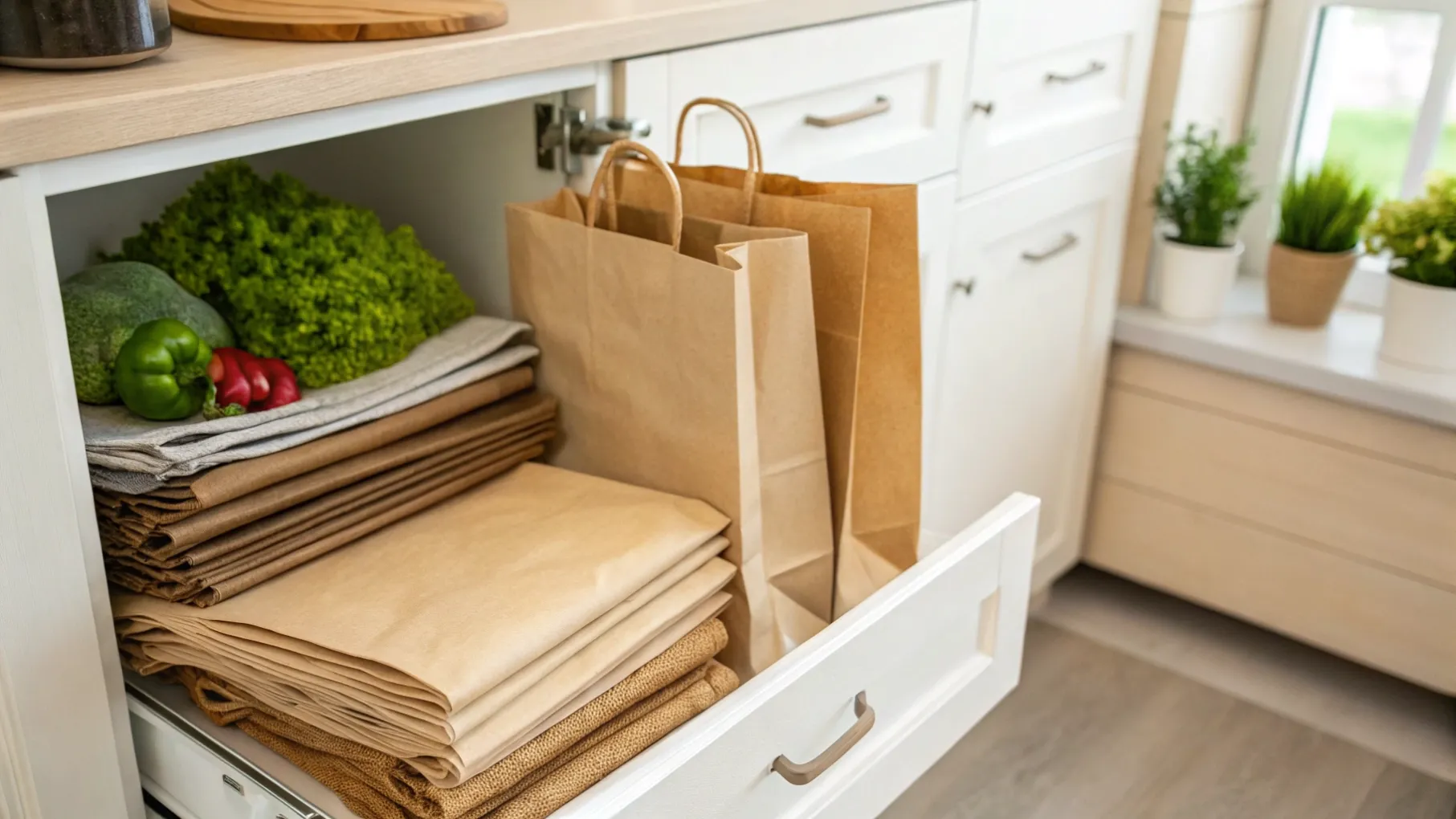
Once a customer carries purchases home, paper bags often sit folded in kitchen cabinets. Instead of discarding them after one outing, you can extend their lifespan through creative reuse.
You can use paper bags for household recycling collection, protective book covers, DIY gift wrap, garden compost enrichment, pantry root vegetable storage, and children's craft projects.
Practical Second-Life Ideas for Sturdy Paper Carriers
A well-constructed handled kraft bag offers utility long after leaving the retail counter. In home pantries, unbleached kraft paper provides optimal airflow while blocking ambient light. Storing dry potatoes, sweet potatoes, and onions inside open-topped kraft bags prevents premature sprouting and keeps them fresh longer than plastic bins.
For home gardens, unprinted brown paper bags provide an effective, chemical-free weed suppression layer. You cut the bag open along its glued seams, lay the sheet flat over garden soil beds, and cover it with wood mulch. The paper blocks sunlight from reaching weed seeds while slowly decomposing into organic humus. In office environments, heavy paper carriers act as neat collection bins for discarded printing paper. When the bag fills up, you drop the entire paper bundle directly into municipal recycling containers.
Repurposing Application | Preparation Step | Functional Benefit | Waste Reduction Impact |
|---|---|---|---|
Pantry Vegetable Storage | Roll down bag rim to create open basket | Preserves airflow and blocks direct light | Eliminates single-use plastic produce bags |
Weed Barrier & Mulching | Slit side seams and lay flat on soil | Suppresses weeds and breaks down naturally | Replaces synthetic black plastic garden sheeting |
Postal Package Wrapping | Turn inside out to hide commercial logos | Sturdy surface for courier shipping labels | Replaces plastic bubble wrap and poly mailers |
Kids' Craft Book Covers | Cut to size and fold around hard covers | Shields textbook bindings against scuffs | Replaces disposable vinyl textbook sleeves |
Conclusion
Custom Kraft paper bags serve as durable product carriers, functional packaging, and memorable brand billboards. Select the right paper weight, handle construction, and clean logo design to elevate your customer experience.