Aug 5, 2026Success Stories
What Are the Amazing Benefits of a Stainless Steel Bottle With a Straw?
Explore the benefits of stainless steel bottles with straws, including convenience, spill resistance, durability, and better hydration habits. Discover why straw bottles are ideal for work, travel, an
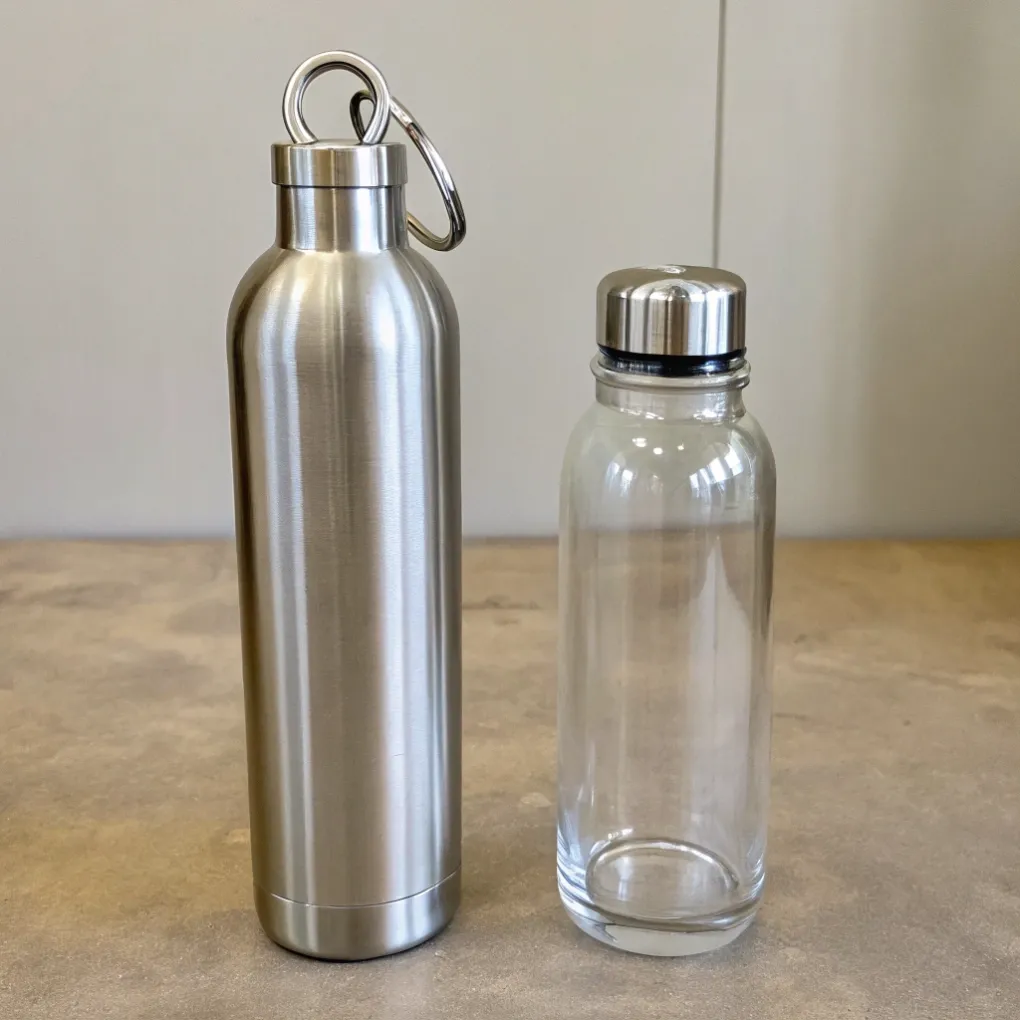
What Are the Amazing Benefits of a Stainless Steel Bottle With a Straw?
Do you struggle to drink enough water during busy workdays? Unscrewing heavy caps disrupts your workflow, while single-use plastic bottles leach harmful chemicals into your daily drinks.
A stainless steel bottle with a straw provides convenient, hands-free hydration, long-lasting insulation, and non-toxic durability. The built-in straw allows quick sips without tilting the bottle, while double-wall 304 stainless steel keeps water cold for up to 24 hours without releasing harmful microplastics.
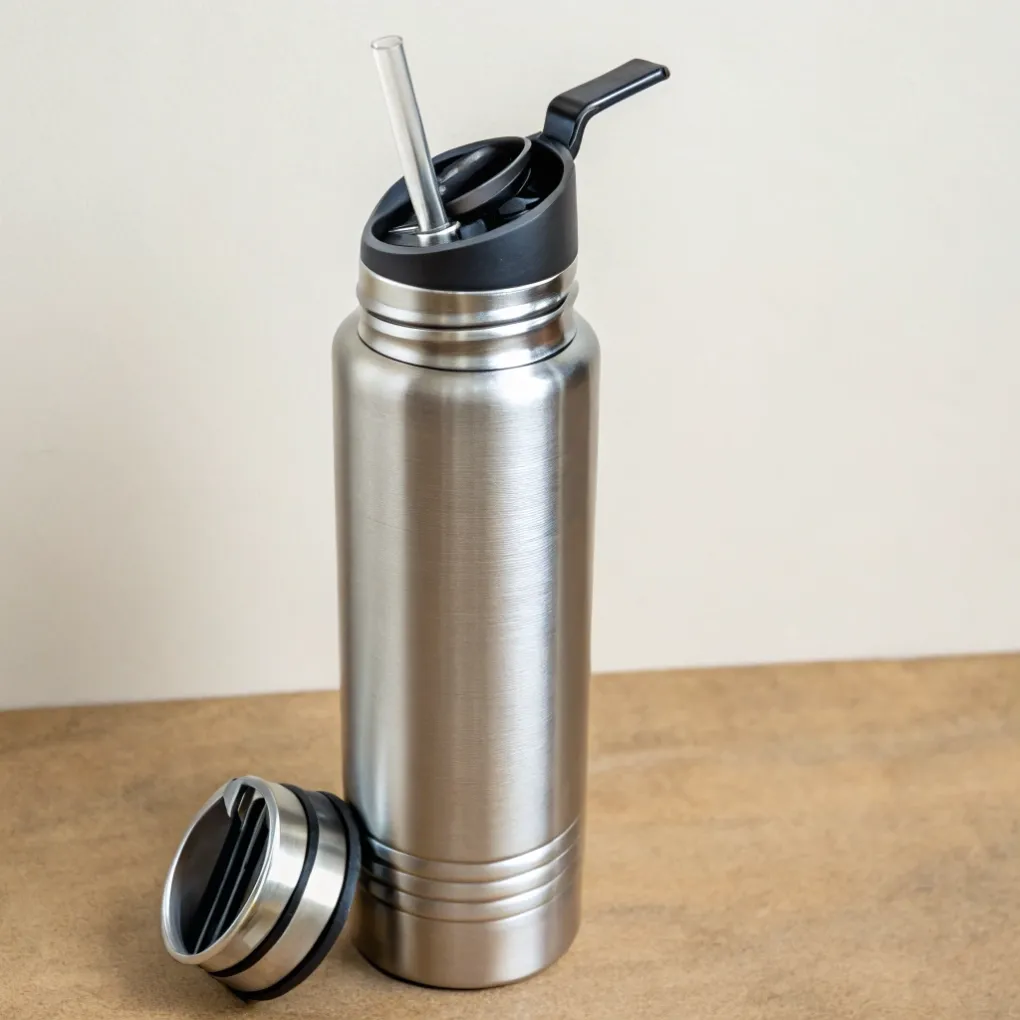
When I worked in a printing factory, I saw busy workers constantly spill open water cups on equipment. Later, I founded Latitude Experience Pte Ltd to help businesses choose practical, high-quality promotional products that solve real daily problems. A built-in straw turns drinking water into an effortless habit during commuting, working, or exercising. If you want to improve your hydration routine and protect your health, keep reading.
Which Is the Least Toxic Water Bottle?
Most plastic bottles contain dangerous synthetic chemicals that slowly leach into your drinking water over time. Ingesting these toxins damages your health, but picking a truly non-toxic bottle stops chemical exposure immediately.
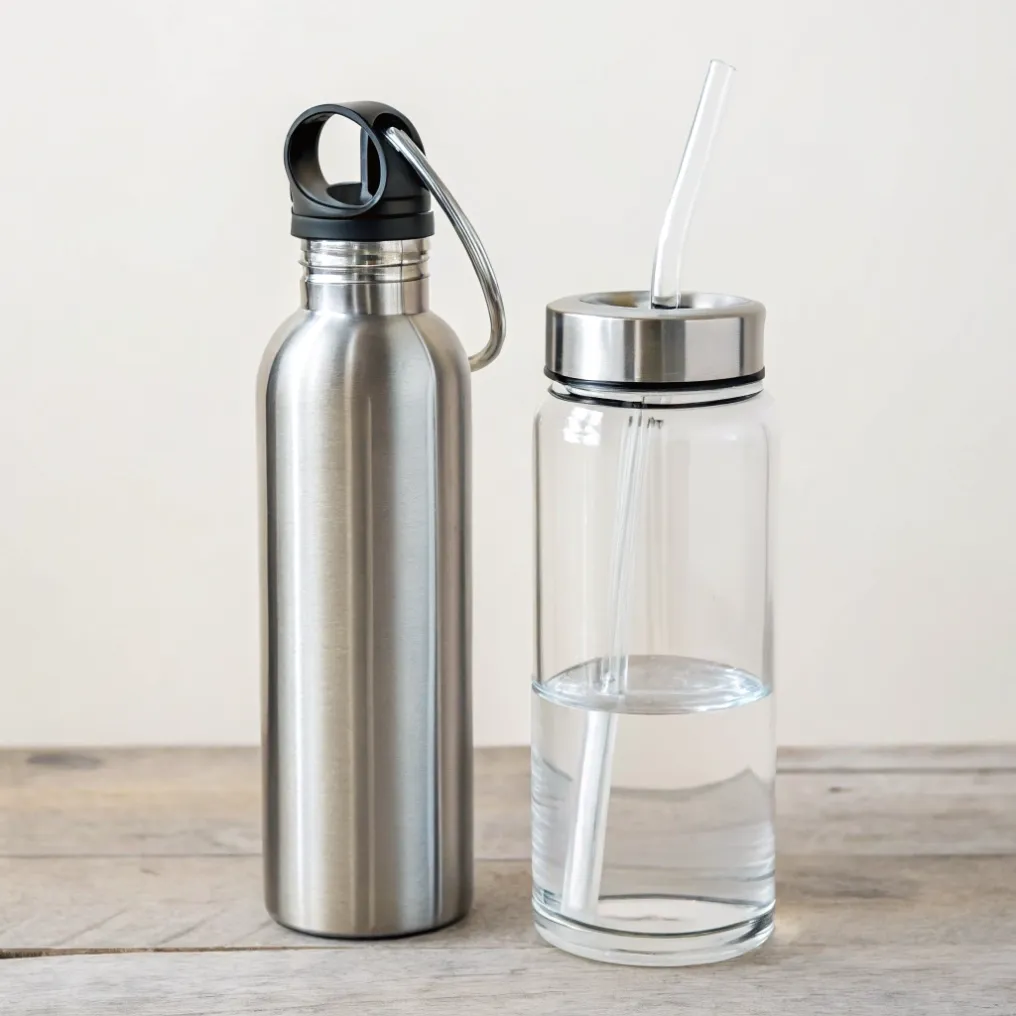
The least toxic water bottle is made from unlined 304 food-grade stainless steel or borosilicate glass paired with a food-grade silicone straw. Unlined stainless steel is naturally non-reactive, contains zero BPA, phthalates, or heavy metals, and never releases chemical residues into your beverages.
Why Unlined Metal Beats Plastic Containers
During my years in product manufacturing, I learned that material composition determines safety. Cheap plastic containers leach Bisphenol A (BPA) and Bisphenol S (BPS), especially when exposed to heat or sun. Aluminum bottles require internal epoxy liners that crack and degrade over time. In contrast, 304 food-grade stainless steel requires no internal plastic coating. The unlined metal surface remains completely non-porous and non-toxic throughout its lifespan.
Evaluating Chemical Toxicity Across Bottle Types
You need to compare material safety features to ensure your daily water bottle protects your family and health.
Bottle Material | Chemical Leaching Risk | Internal Coating Needed | Overall Health Safety Score |
|---|---|---|---|
Single-Use PET Plastic | High (Leaches BPA & phthalates) | No | Poor |
Coated Aluminum | Medium (Liners degrade over time) | Yes (Epoxy or resin) | Moderate |
Borosilicate Glass | Zero (100% inert material) | No | Superior |
304 Stainless Steel | Zero (Food-grade metal alloy) | No | Superior |
When you choose an unlined 304 steel bottle with a food-grade silicone straw, you eliminate synthetic chemical exposure. You enjoy clean water without worrying about toxic leaks or plastic degradation.
What Is the Healthiest Water Bottle Material?
Choosing the wrong water bottle material leads to foul bacterial buildup, frequent product replacements, and microplastic contamination. Spending money on low-quality containers wastes your budget and harms your health.
Food-grade 304 stainless steel is the healthiest water bottle material for active daily life. It is durable, non-porous, corrosion-resistant, and completely free from toxic chemicals. It prevents mold and bacterial growth better than plastic while surviving heavy accidental drops better than fragile glass.
Combining Durability With Daily Hygiene
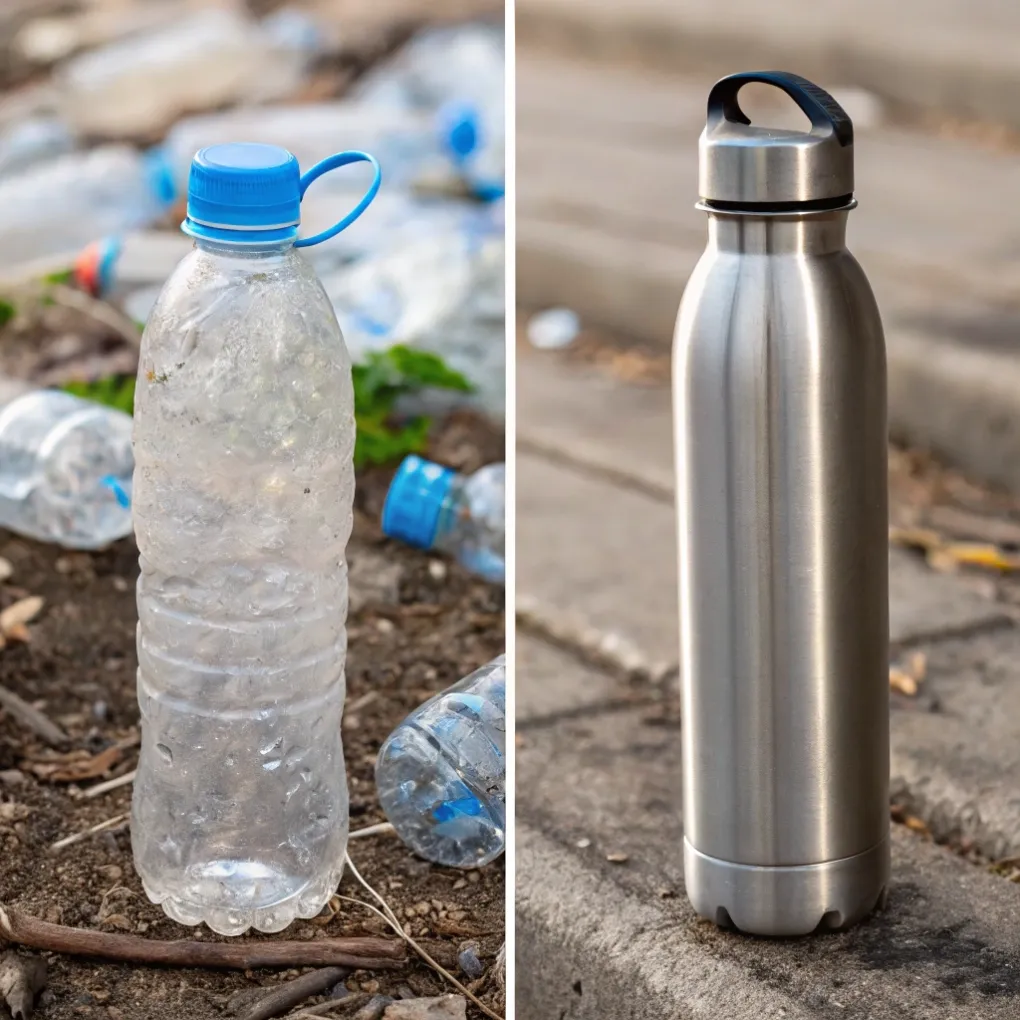
At Latitude Experience Pte Ltd, marketing managers like Jacky ask me why 304 steel outperforms other safe materials like glass. Glass offers pure taste, but it shatters on concrete floors during outdoor events or office commutes. Plastic develops microscopic scratches that trap bacteria and mold spores. Food-grade stainless steel combines total non-toxic safety with indestructible metal strength. It stands up to daily drops while keeping your water fresh.
Health and Practicality Breakdown
Comparing key material traits helps you choose the safest water bottle for long-term daily use.
Performance Factor | Food-Grade 304 Steel | Borosilicate Glass | Rigid BPA-Free Plastic |
|---|---|---|---|
Bacterial Resistance | High (Non-porous surface) | High (Smooth surface) | Low (Scratches trap bacteria) |
Impact Durability | Exceptional (Shatterproof) | Low (Breaks easily) | Moderate (Cracks over time) |
Temperature Retention | Superior (Vacuum insulated) | Poor (Single-wall sweat) | Poor (No insulation) |
Food-grade 304 stainless steel gives you complete peace of mind. It protects your body from toxins while handling the physical demands of daily travel.
Is It Healthy to Drink Water From a Stainless Steel Bottle?
Drinking from low-grade metal containers can cause rust ingestion and leave a harsh metallic taste in your mouth. Consuming rust ruins your beverage flavor, but using certified food-grade steel guarantees total drinking safety.
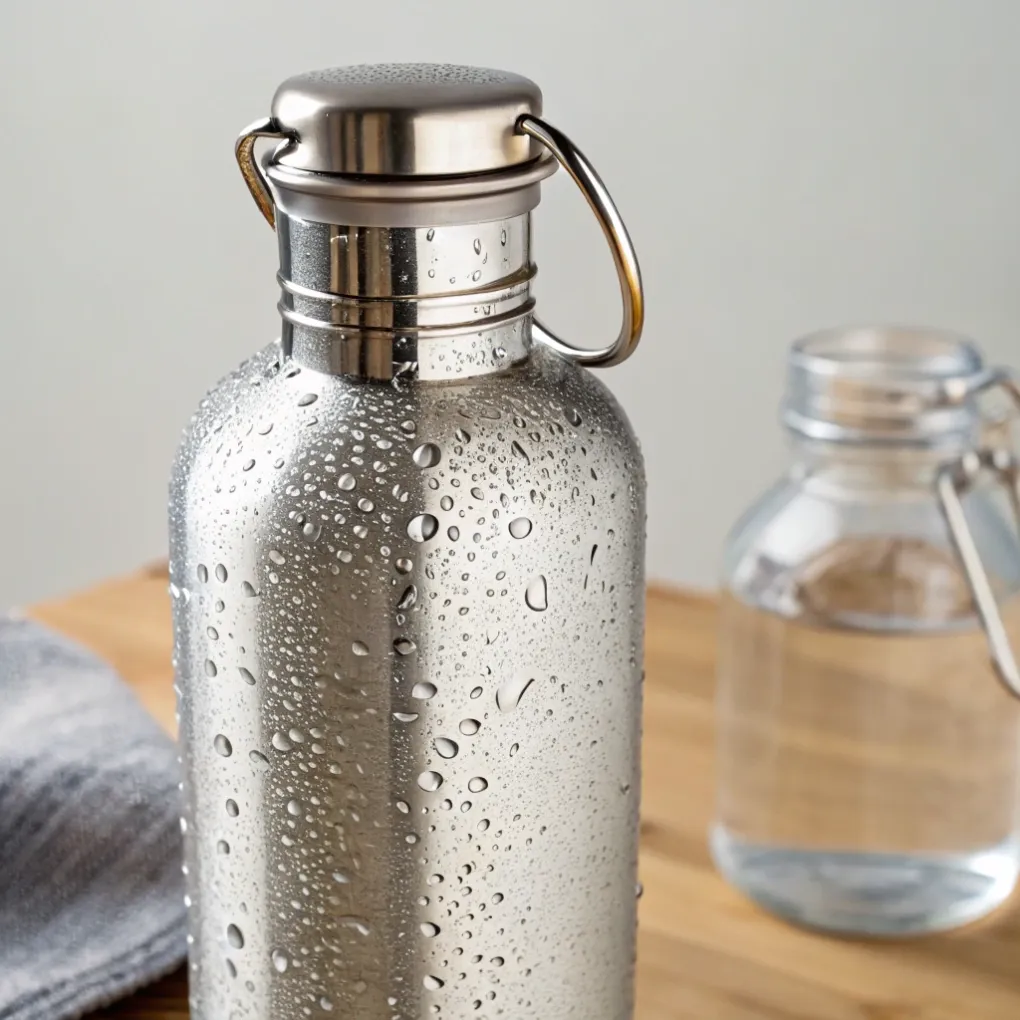
Yes, it is extremely healthy to drink water from a certified food-grade stainless steel bottle. Grade 304 steel contains 18 percent chromium and 8 percent nickel, forming an inert protective layer. This layer prevents corrosion, stops metal leaching, and keeps your water completely safe and fresh.
Understanding Food-Grade Steel Standards
In my early factory career, I observed how different metal alloys react to water and cleaning agents. Low-cost manufacturers use industrial 201-grade steel because it costs less. Industrial steel lacks sufficient nickel, causing it to rust when exposed to moisture. Certified 304 food-grade stainless steel uses higher nickel content to block rust completely. It does not react with water, cold tea, or fruit juices.
Benefits of Straw Integration for Healthier Habits
Adding a silicone straw to a 304 steel bottle improves your daily health in practical ways.
Daily Habit Feature | Standard Cap Bottle | Steel Bottle With Straw |
|---|---|---|
Drinking Convenience | Requires two hands to unscrew | Simple one-handed sip |
Spill Prevention | High risk during driving | Low risk with flip valve |
Daily Hydration Rate | Moderate (Requires stopping work) | Higher (Effortless continuous sips) |
Drinking from a food-grade 304 stainless steel straw bottle is totally safe. It helps you drink more water every day while protecting your body from harmful contaminants.
Conclusion
A stainless steel bottle with a straw provides healthy, non-toxic hydration by combining food-grade 304 steel safety, vacuum cold insulation, and effortless one-handed drinking convenience.