Jun 26, 2026News & Insights
What Are the Best Water Bottles for Children?
Choose kids’ water bottles that are safe, lightweight, leak-proof, and easy to open, ideally in stainless steel or Tritan for daily use.
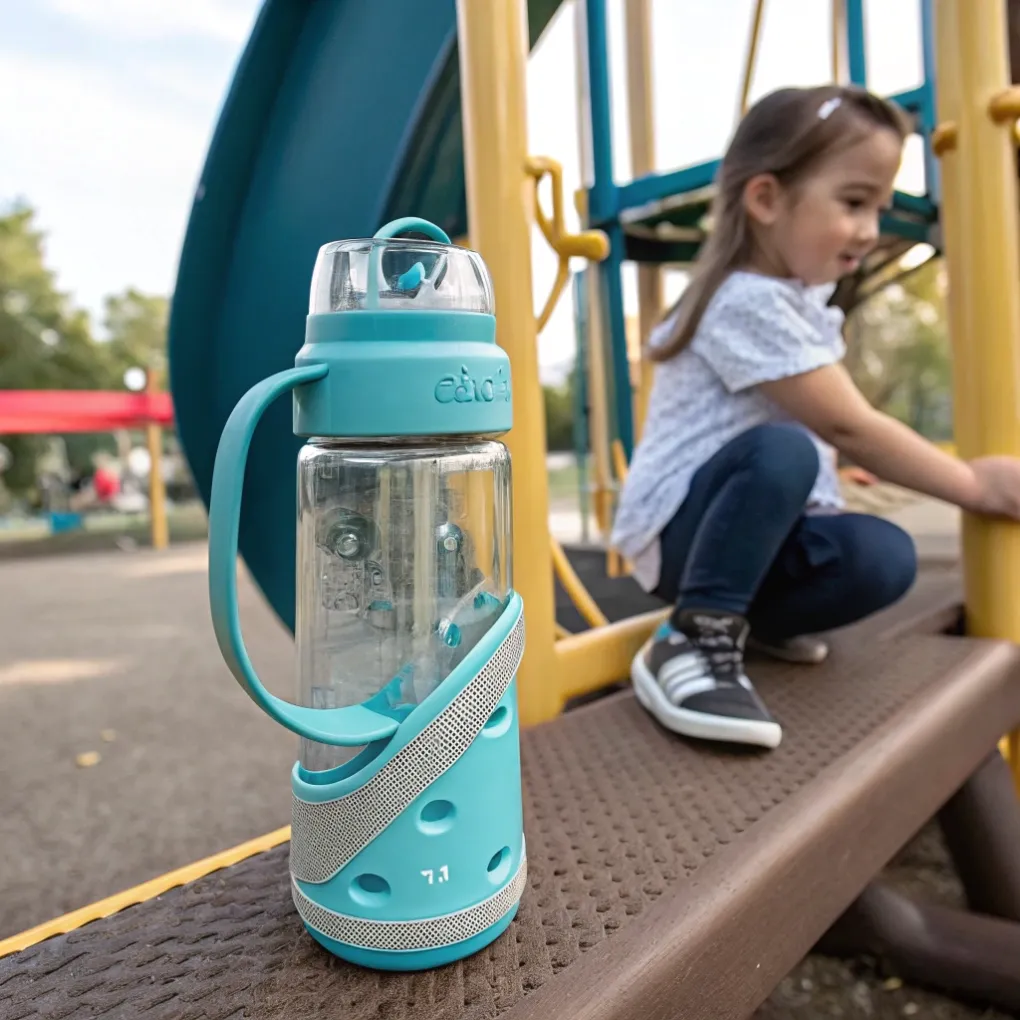
What Are the Best Water Bottles for Children?
Are you tired of cleaning up messy backpacks after a cheap children’s flask leaks all over their school textbooks, or scrubbing tight straw channels that trap black mold?
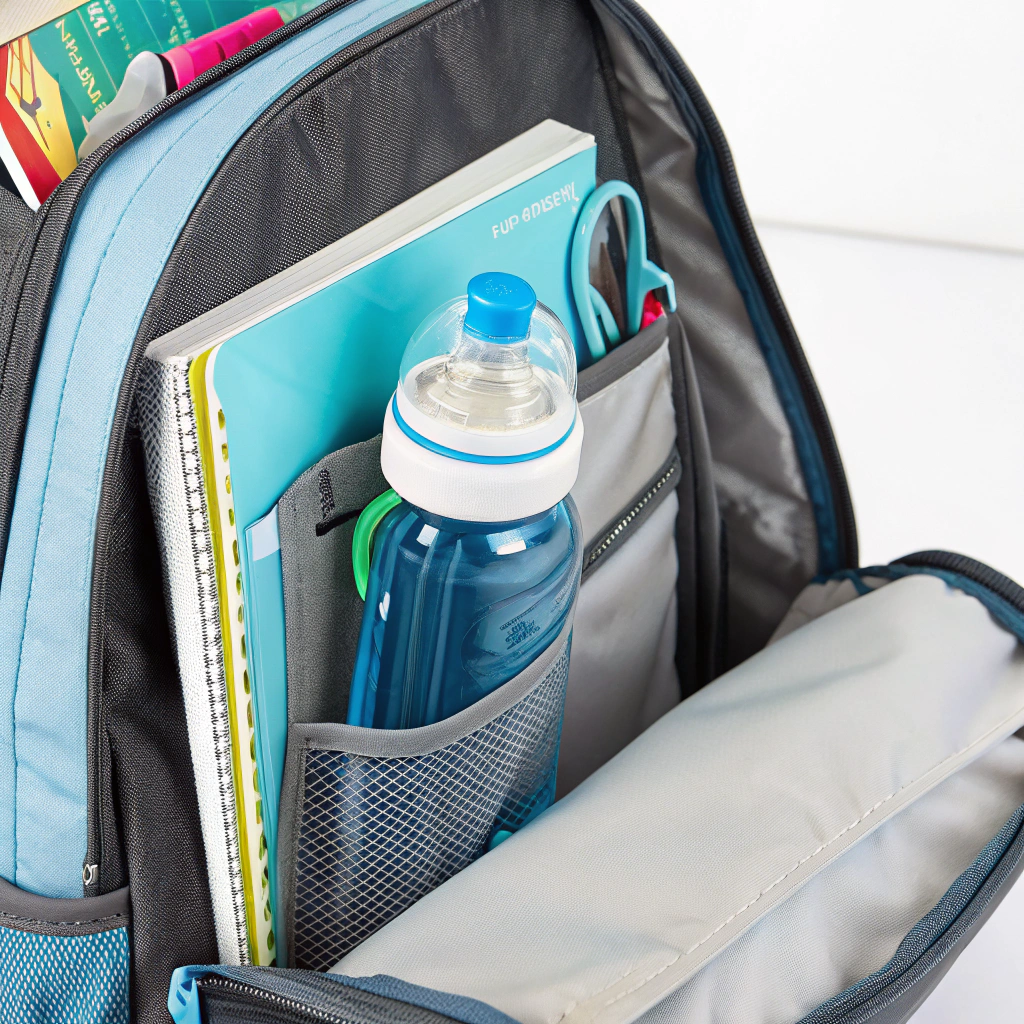
You can choose the best water bottles for children by focusing on lightweight, impact-resistant materials with simple, push-button locking lids. Select a 12oz to 16oz capacity that fits their physical hand coordination and slides easily into standard backpack side pockets.
I started my career working directly on a busy printing factory floor, managing production lines and checking material specifications by hand under strict quality standards. That manufacturing experience taught me that children’s products require an entirely different level of structural durability and material hygiene than standard adult goods. Later, I established Latitude Experience Pte Ltd because I wanted to help businesses design premium promotional lifestyle items that families can actually trust. I know that a bad water bottle causes constant frustration for parents and stops children from building healthy hydration habits. Let us look at how you can pick a safe, durable kids’ flask that makes daily hydration completely effortless.
Which Water Bottle Is the Best for Kids?
Do you find yourself constantly buying colorful, trendy character cups that crack on the first playground drop or prove too heavy for your child to carry independently? Buying fragile accessories wastes your family budget and leaves your child frustrated.
The best water bottle for kids combines double-wall insulated 304 stainless steel or glass-clear Tritan plastic with a 100% leak-proof, pop-up lid. Top-performing brands feature a flexible silicone carrying loop and a protective rubber base boot to withstand rough playground impacts.
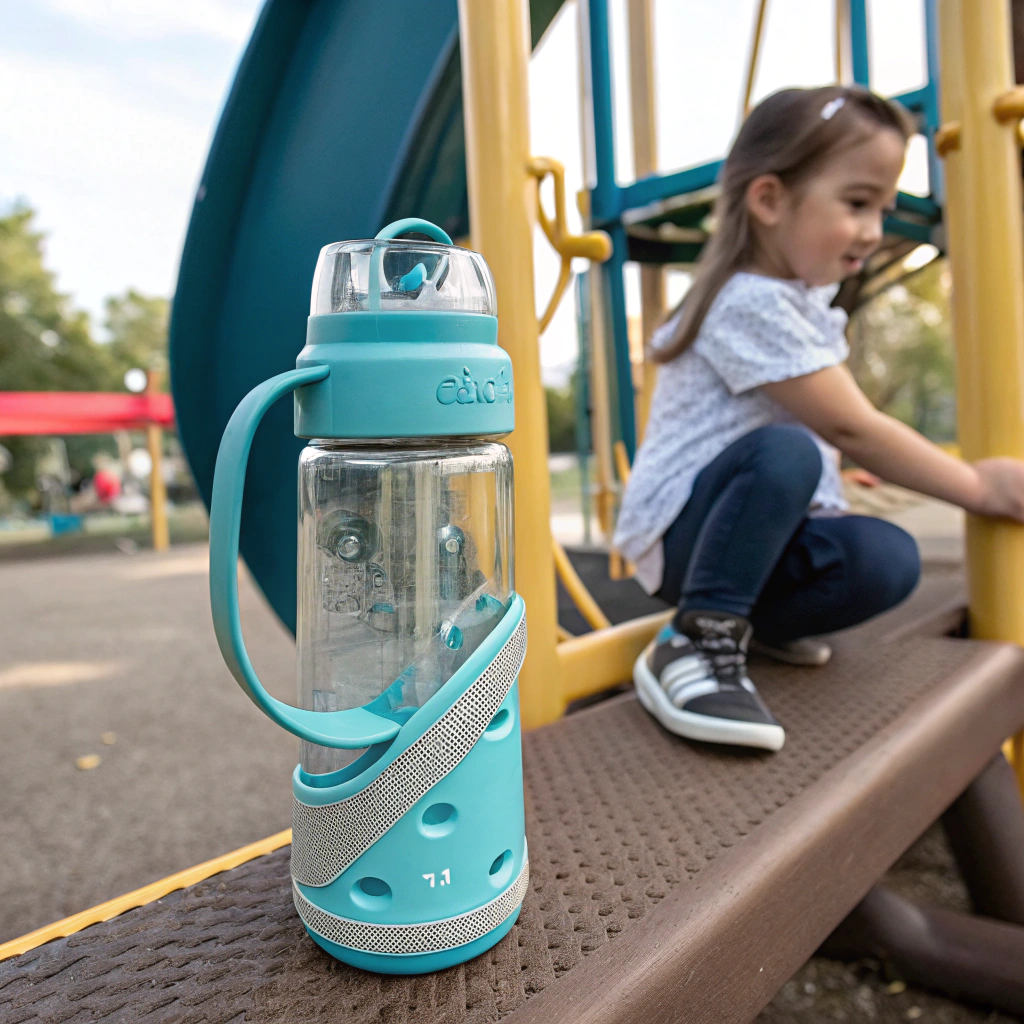
From my perspective, a children’s container succeeds or fails based on its structural usability. If a child needs to struggle with a stiff twist cap or an awkward latch, they will simply refuse to drink water while sitting at their school desk. Leading modern designs utilize a simple push-button mechanism that a toddler can operate independently with a single thumb. Furthermore, adding a soft silicone base boot prevents the bottle from denting or making a loud clanging noise when dropped on classroom floors. Let us check how the primary kids’ bottle designs perform across daily school routines.
Essential Kids’ Bottle Features
- One-Touch Pop Lids: Allows children to open their bottles instantly without needing adult assistance or straining their small fingers.
- Protective Base Boots: Absorbs high-impact falls on concrete playgrounds while preventing unsightly metal dents and scratches.
- Interchangeable Spouts: Adapts from a soft silicone straw cup for toddlers into a fast-flowing chug cap as your child grows older.
Let us compare the top-rated kids’ bottle styles to see how they manage real-world school and travel conditions.
Bottle Model Concept | Primary Lid Style | Total Empty Weight | Best Daily Age Group |
|---|---|---|---|
Insulated Steel Straw Flask | Flip-up food-grade silicone straw | Moderate (Heavy when full) | Preschool to Early Primary (3 to 7 years) |
Tritan Clear Chug Bottle | Wide-mouth push-button pop cap | Extremely Lightweight | Older Kids and Sports (8+ years) |
Silicone Foldable Bottle | Screw-top plastic sports cap | Lightweight | Travel, camping, and family road trips |
What Is the Best Material for a Kids Water Bottle?
Are you feeling completely overwhelmed by conflicting health labels, confusing recycling numbers, and chemical warnings when browsing the store aisles? Choosing the wrong material can expose your child’s developing body to hidden impurities.
Premium 18/10 food-grade 304 stainless steel is the best material for a kids’ water bottle. It is entirely chemical-free, structurally indestructible, resists permanent odor retention, and utilizes double-wall vacuum spaces to keep water ice-cold for twelve hours.
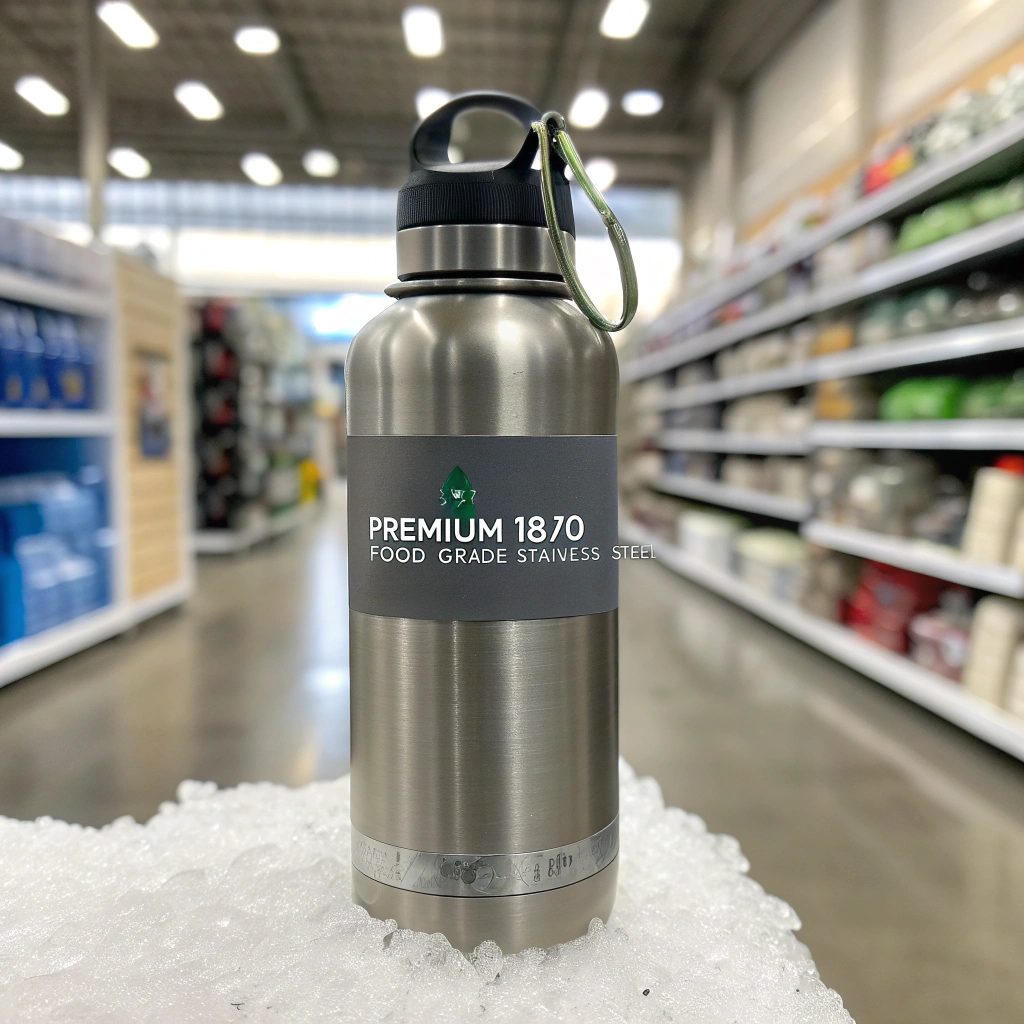
When checking material composition testing in the factory, I learned that interior surface smoothness dictates how clean a product stays over time. Cheap generic plastics scratch easily when you use basic bottle brushes, creating microscopic gouges where bacteria and stale drink sugars hide. High-grade 304 stainless steel is incredibly hard and non-porous, meaning it protects taste purity perfectly and never stains. If you prefer a lightweight, see-through bottle so you can track your child’s fluid intake, certified Tritan copolyester is the top plastic choice because it handles heavy dropping impacts without shattering.
Top Safe Material Profiles
- 304 Food-Grade Stainless Steel: The ultimate material for structural strength and thermal performance. It contains zero plasticizers or chemical linings.
- Tritan Copolyester Plastic: A specialized, high-impact polymer that delivers the lightweight clarity of glass without any of the dangerous cracking risks.
- Medical-Grade Silicone: Used for flexible drinking straws and soft protective sleeves, providing a comfortable mouthfeel that protects teeth during impacts.
Which Type of Water Bottle Is Safest?
Do you worry that standard plastic bottles carrying a basic “BPA-free” label might still be leaching other harmful chemical compounds into your child’s daily drinking supply? Many parents underestimate how heat changes synthetic materials.
The absolute safest type of water bottle is a double-wall stainless steel container that features an unlined interior and a pure medical-grade silicone drinking spout. This specific material configuration guarantees zero chemical leaching, even if the bottle sits inside a hot school bus or a sunny playground bag.
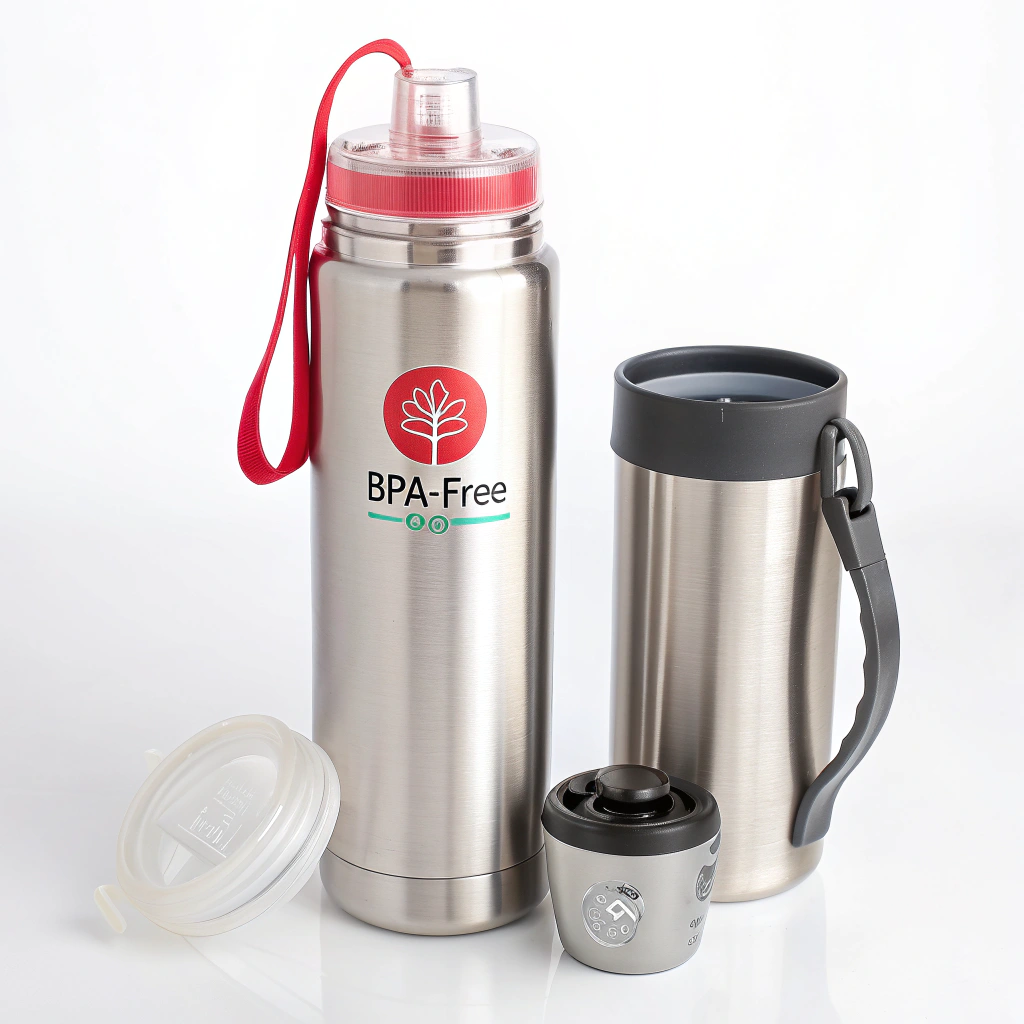
In the product manufacturing industry, we analyze safety by looking at chemical stability under extreme environmental stress. Many low-cost plastic bottles replace Bisphenol A (BPA) with closely related chemicals like BPS or BPF, which can react similarly when exposed to boiling water or harsh dishwasher cycles. True stainless steel avoids this entire polymer chain completely because it is an inert mineral alloy. To maintain maximum hygiene, always choose a bottle with a wide opening and minimal internal lid parts. Complex internal straw valves may reduce spills, but they are incredibly difficult to sanitize, frequently trapping mold out of your direct line of sight. Let us look at a comprehensive material safety matrix to guide your purchasing decisions.
Bottle Material Class | Chemical Leaching Risk | Mold and Bacterial Risk | Long-Term Durability Score |
|---|---|---|---|
Premium 304 Stainless Steel | Zero Risk (100% Inert Alloy) | Low (Smooth, non-porous walls) | Maximum (Resists drops and dents) |
Certified Tritan Copolyester | Zero BPA, BPS, or EA Risk | Moderate (Requires soft brush care) | High (Shatterproof polymer structure) |
Generic BPA-Free Plastic | Moderate (Can contain alternative BPS) | High (Scratches trap bacteria matrices) | Moderate (Prone to cracking under stress) |
Standard Borosilicate Glass | Zero Risk | Low (Easy to inspect visually) | Extremely Low (High fracture danger) |
Conclusion
Choosing the best water bottle for children requires selecting an inert material like 304 stainless steel or Tritan plastic, prioritizing a simple push-button lid for independent usage, and choosing wide openings for easy daily cleaning.