Jul 29, 2026News & Insights
What Are The Common Customization Options For T-Shirts?
Explore the best T-shirt customization options, from printing techniques to personalized details and 2026 trends, creating stylish apparel that strengthens brand identity.
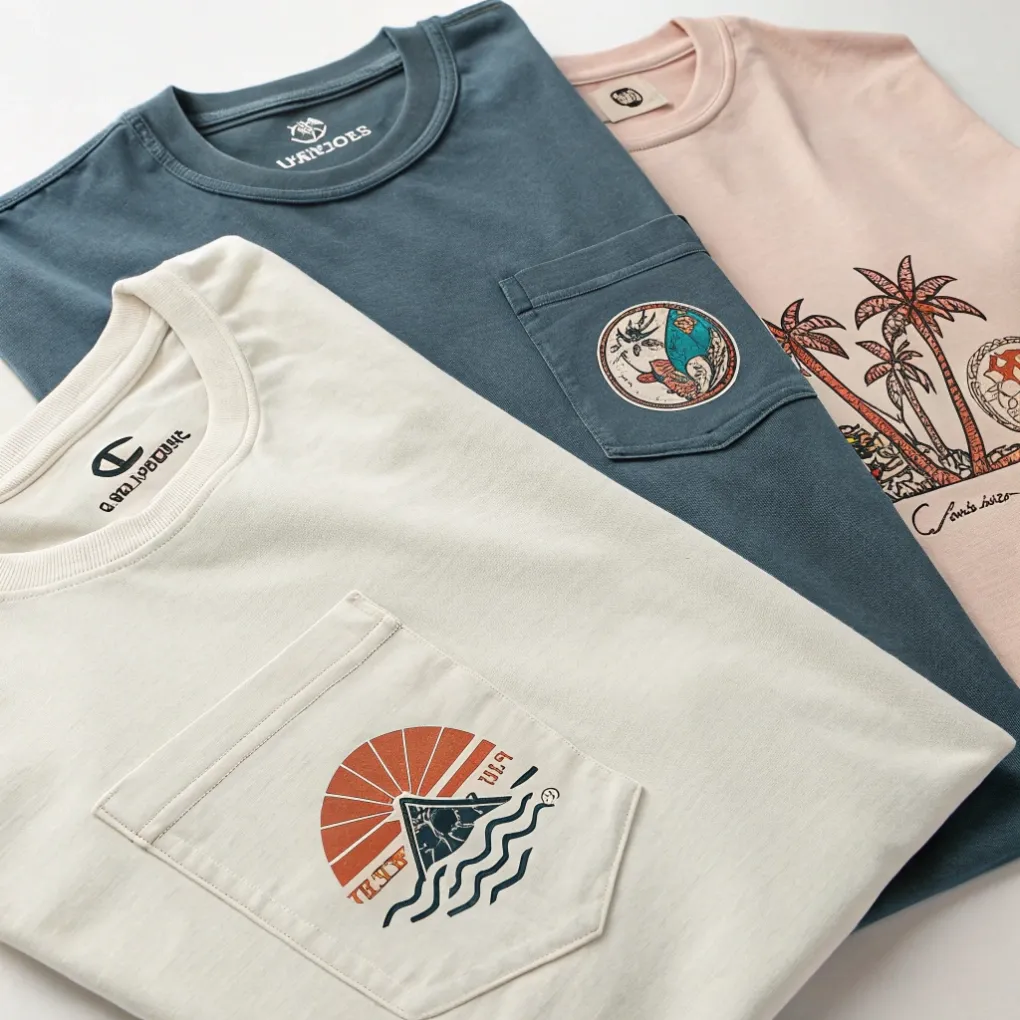
What Are The Common Customization Options For T-Shirts?
Are you struggling to create custom T-shirts that people actually want to wear? Ordering cheap prints causes fading, cracking, and wasted marketing budget. Choosing smart customization options builds lasting brand appreciation effortlessly.
Common customization options for T-shirts include screen printing, direct-to-garment (DTG) printing, heat transfer, custom embroidery, and specialized fabric dye washes. Selecting the right method depends on your order quantity, fabric choice, design complexity, and desired overall durability.
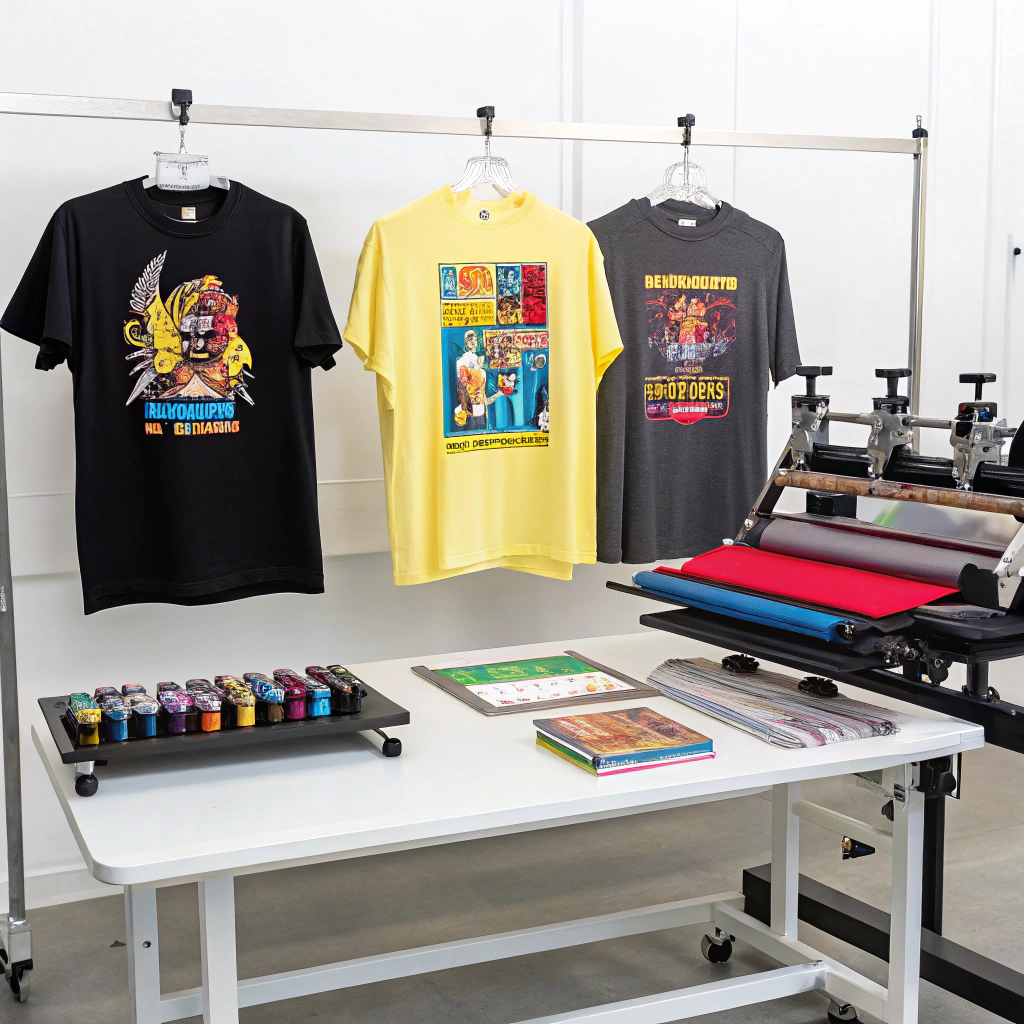
I spent years on factory floors managing ink formulations, screen tension, and fabric blends before founding Latitude. I saw firsthand how choosing the wrong decoration method ruins an otherwise good garment. Keep reading to learn how you can pick the best customization choices for your team or brand.
What Type Of T-Shirt Design Is Most Popular?
Busy, cluttered shirt graphics often look cheap and overwhelm your audience. You risk spending money on shirts that sit forgotten in closets. Selecting popular, timeless design layouts ensures your shirts get worn daily.
The most popular T-shirt design types are minimalist front chest logos paired with oversized back prints, clean typography graphics, retro vintage art, and subtle pocket embroidery. These versatile layouts offer strong visual appeal without feeling like loud advertisements.
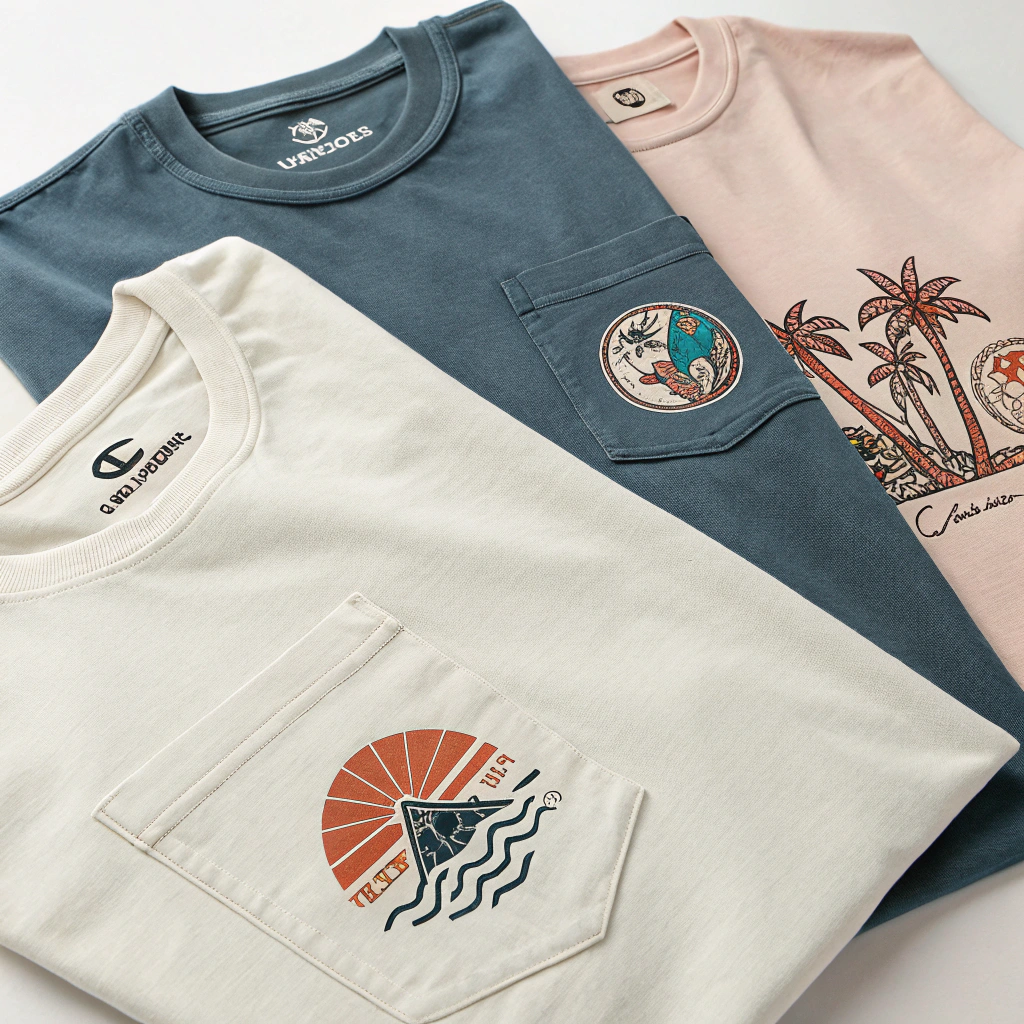
Analyzing Popular Design Layouts
During my early production days in the printing industry, I printed thousands of graphic tees for corporate events. I noticed a clear pattern over time. Shirts covered with massive corporate slogans across the front were usually discarded immediately. However, shirts featuring a small, clean logo on the left chest and a tasteful graphic on the back became instant favorites. The most popular designs respect the wearer’s personal style while still communicating a clear message. Today, clean typography and subtle artistic graphics dominate both retail fashion and corporate merchandise because they feel natural to wear in public settings.
Design Style | Key Feature | Primary Wearer Benefit |
|---|---|---|
Small Front / Big Back | Subtle chest logo with large back art | Balanced branding that looks like retail fashion |
Minimalist Typography | Bold, simple text fonts without heavy art | Clear message that is easy to read |
Retro / Vintage Art | Faded colors and distressed textures | Soft, lived-in feel that never goes out of style |
Left Chest Embroidery | Small textured thread logo | Professional look for office and uniforms |
When you design shirts for your team or clients, always put wearability first. A design that feels like a fashion item will get worn dozens of times. That continuous use delivers far more brand exposure than a giant logo ever could.
How To Personalize A T-Shirt?
Generic corporate giveaways fail to make recipients feel special or valued. You waste money when people treat your custom apparel like disposable rags. Adding thoughtful personal touches creates instant emotional connections.
You can personalize a T-shirt by adding custom names, individual initials, unique event dates, custom woven neck tags, or custom sleeve embroidery. Using personalized touches transforms a standard promotional shirt into a memorable, valued keepsake.
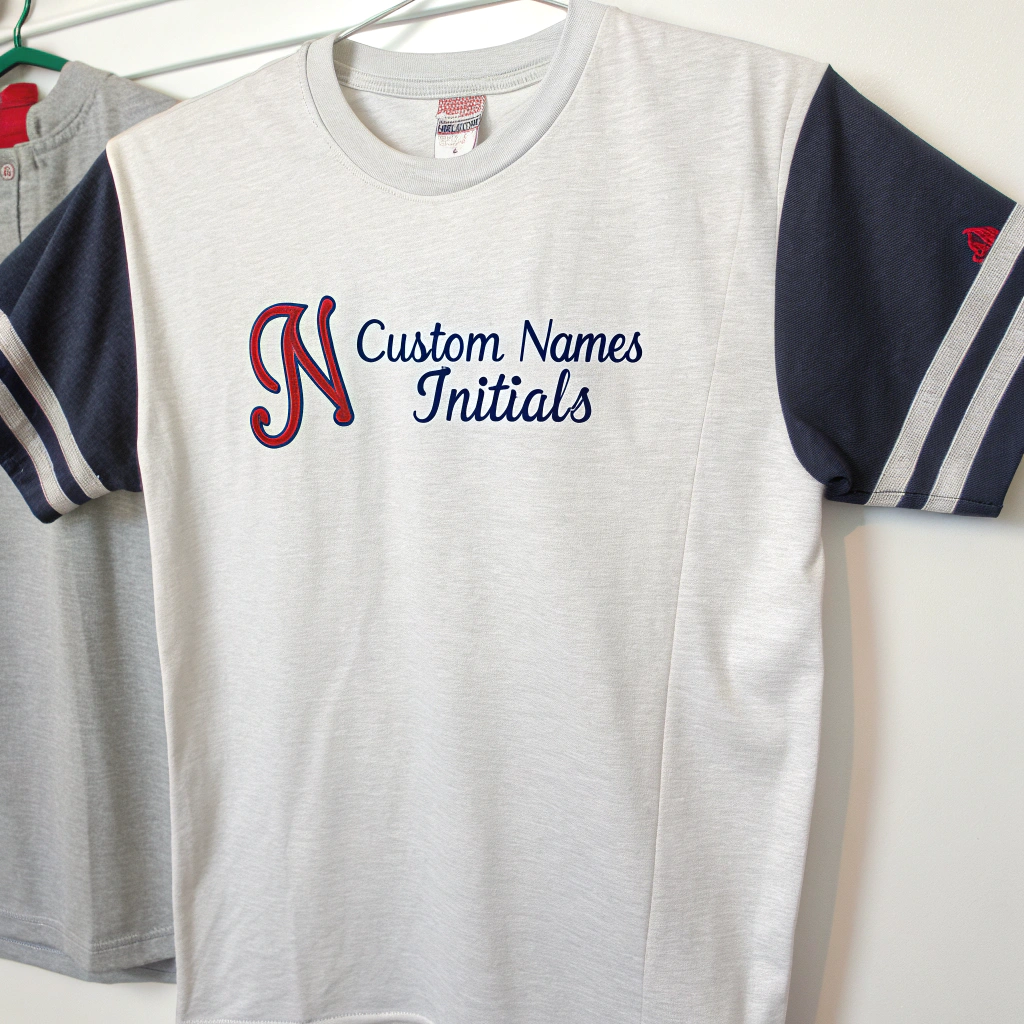
Effective Methods For Shirt Personalization
In my ten years of experience at Latitude, I always remind clients that true personalization goes beyond just adding a logo. I once helped a client prepare welcome kits for a corporate retreat. Instead of printing standard company shirts, we embroidered each employee’s initials on the left sleeve and added custom printed neck tags with an inspiring message. The employees loved those small personal details, and many told us it was the best company gift they had ever received. Small custom touches show genuine care and turn simple garments into meaningful keepsakes.
Personalization Technique | Best Application | Expected Recipient Impact |
|---|---|---|
Sleeve Embroidery | Individual names or initials | High personal value and subtle luxury |
Custom Woven Labels | Inside neck branding | Replaces itchy tags with retail feel |
Custom Hem Badges | Small fabric patch on bottom hem | Unique accent that highlights quality |
Customized Color Combos | Matching brand or team colors | Strong team unity and visual recognition |
Personalization works best when it feels intentional rather than crowded. Focus on one or two high-quality personal accents instead of covering every inch of fabric. Choosing thoughtful details creates a product that your recipients will hold onto for years.
What Is Trending In 2026 T-Shirt?
Outdated shirt styles make your brand look old-fashioned and out of touch. You risk losing engagement when your merchandise feels stiff and obsolete. Adopting 2026 T-shirt trends keeps your apparel modern and desirable.
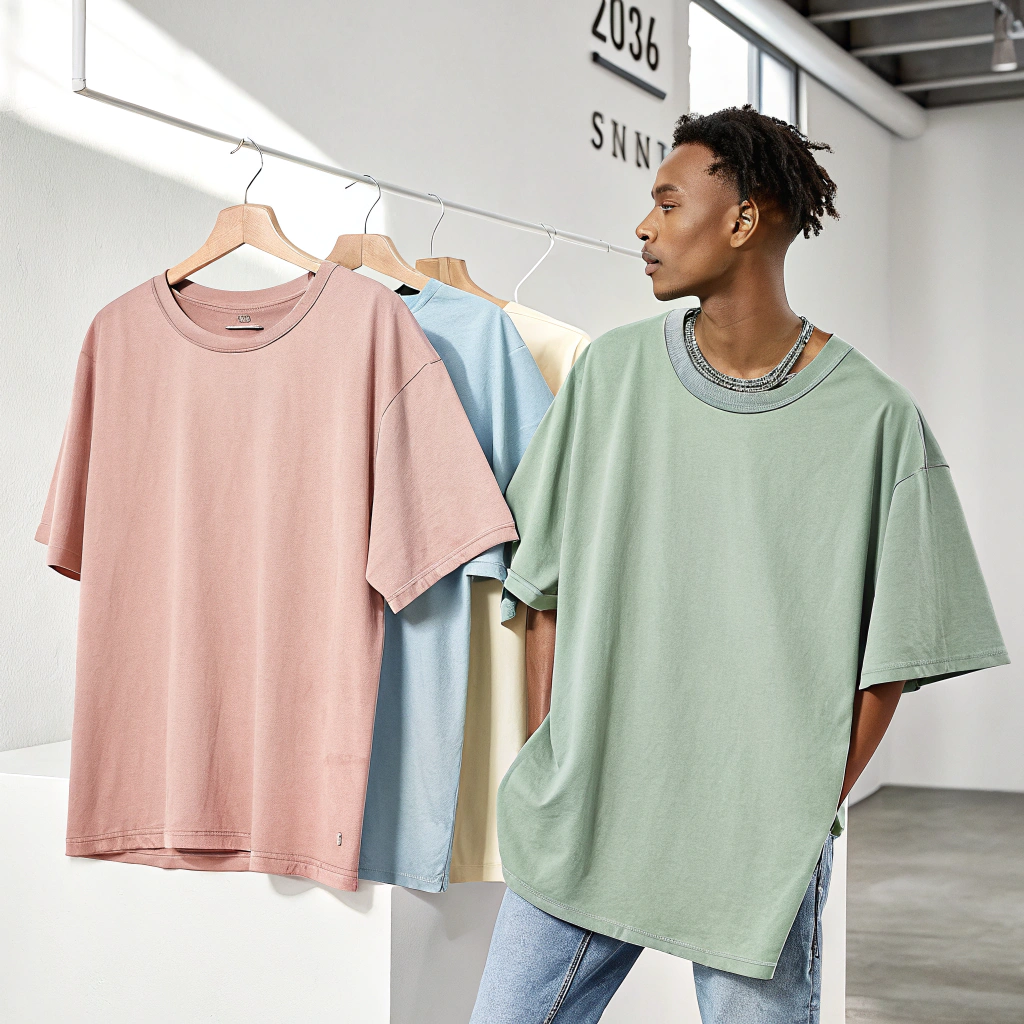
Trending T-shirts in 2026 feature oversized boxy fits, heavy cotton fabrics, muted pastel colors, vintage enzyme washes, and sustainable organic materials. Combining drop-shoulder cuts with soft, eco-friendly textures defines current modern street style and corporate merchandise.
Key Industry Trends Shaping 2026 Apparel
The custom shirt industry has evolved significantly over recent years. In 2026, thin, tight-fitting T-shirts have largely been replaced by relaxed, heavyweight cotton shirts with boxy fits and dropped shoulders. Modern consumers want heavy, structured fabrics that feel substantial in the hand while offering total daily comfort. Furthermore, color choices have shifted away from bright neon dyes toward soft muted tones like dusty sage, faded lavender, and warm clay. These earthy shades look great in photos and match everyday casual outfits effortlessly.
2026 Trend Factor | Outdated Style | Modern 2026 Standard |
|---|---|---|
Garment Fit | Slim, tight, long body | Boxy, drop-shoulder, relaxed fit |
Fabric Weight | Thin 140gsm lightweight cotton | Heavyweight 200gsm to 240gsm cotton |
Color Palette | Bright neon and harsh primary dyes | Muted pastels, earth tones, vintage washes |
Sustainability | Standard synthetic blends | Certified organic cotton and recycled yarn |
When you plan your next apparel project, adopting these modern standards ensures your brand looks current. Heavyweight organic fabrics and relaxed silhouettes create a high-end retail feel that recipients genuinely appreciate and wear regularly.
Conclusion
Choosing the right T-shirt customization options, modern design layouts, personalized accents, and trending heavyweight fabrics creates comfortable, stylish apparel that represents your brand with lasting quality effortlessly.