Sep 1, 2026Success Stories
What Are the Differences Between Notebook Covers?
Explore the differences between notebook covers, from leather and PU to paper and fabric. Learn how each material affects durability, style, protection, and usability to choose the right notebook.
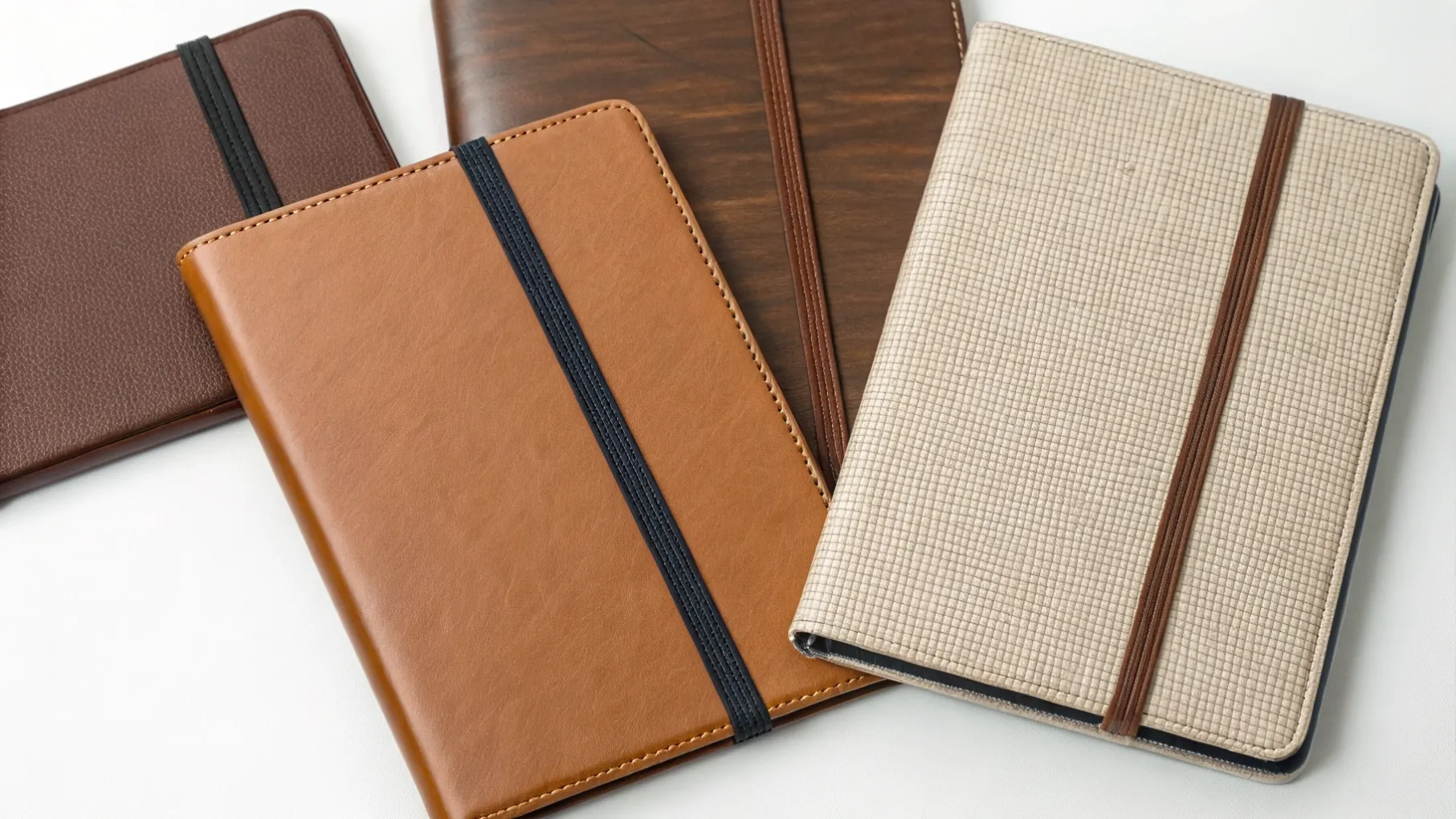
What Are the Differences Between Notebook Covers?
Do you pick notebook covers based only on low prices, only to find the corners bend and tear quickly? Cheap cover choices ruin your writing experience and waste your corporate branding budget.
The main differences between notebook covers lie in material durability, flexibility, tactile feel, and protection, ranging from lightweight softcover paper and durable rigid hardcovers to premium PU leather, authentic leather, and textured bookcloth.
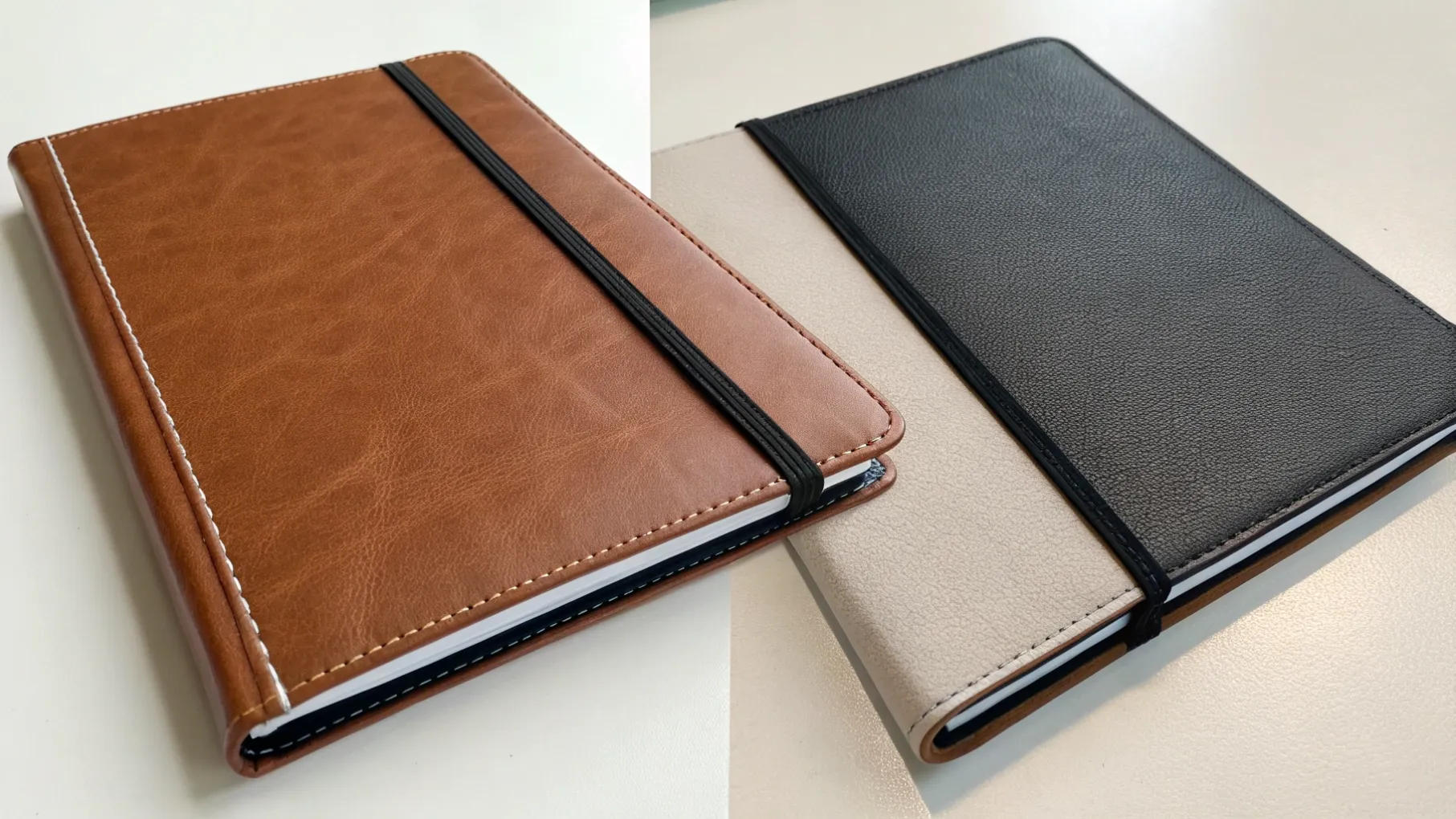
When I started my career working in a printing factory years ago, I saw many buyers treat the cover as just a decorative layer. The cover is the first thing a user touches and the protective shield for the pages inside. Let us break down the key differences between notebook covers so you can choose the best build for your needs.
What Are the Different Types of Notebook Covers?
Are you confused by the wide range of cover materials available in stationery catalogs? Choosing the wrong material can make your customized notebooks look flimsy or feel unnecessarily heavy.
The different types of notebook covers include flexible paper cardstock, rigid cardboard hardcovers, synthetic PU leather, authentic top-grain leather, and natural woven fabrics like linen, canvas, and bookcloth.
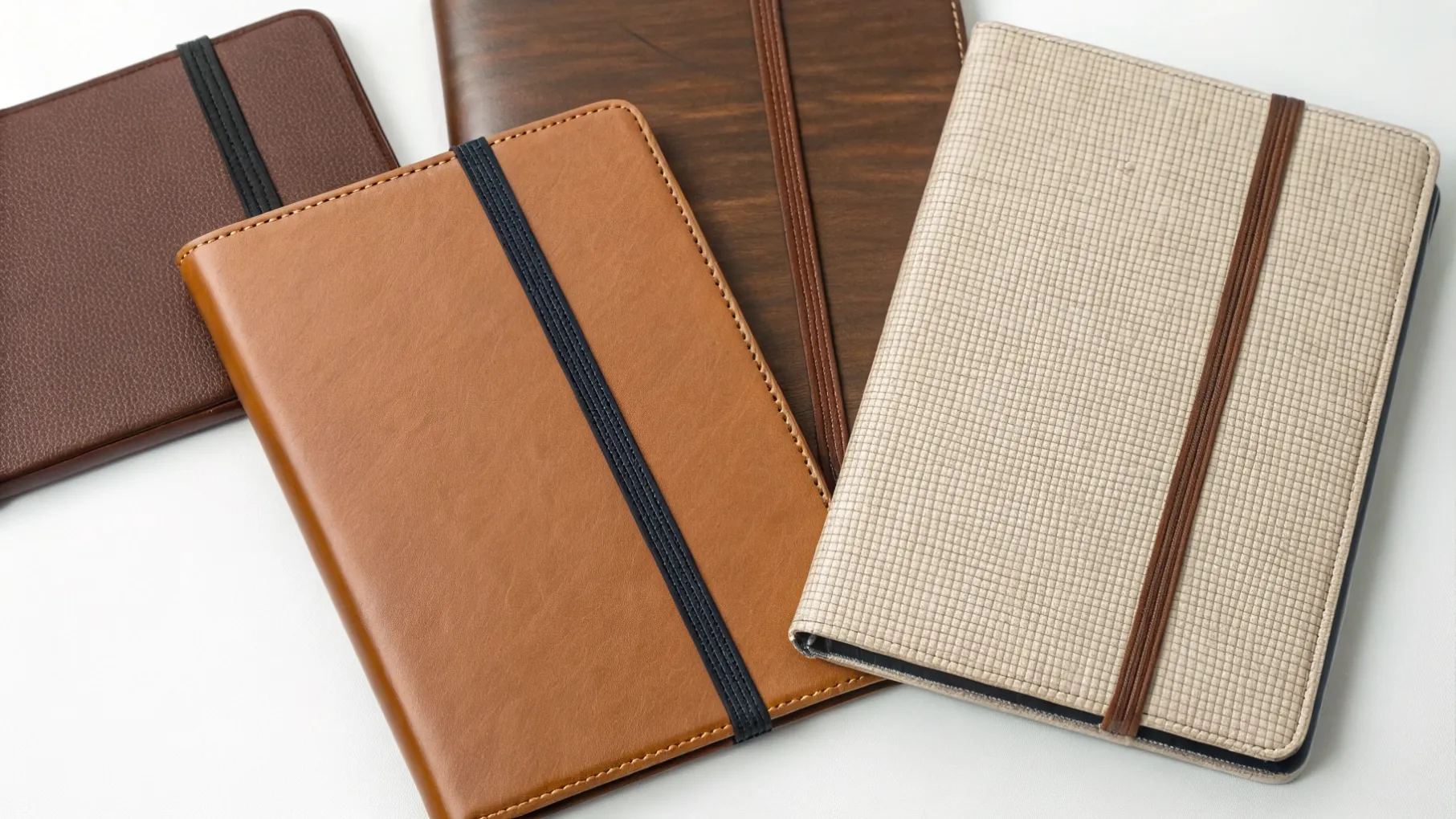
Comparing Cover Materials, Durability, and Branding
Every cover material serves a distinct purpose. Lightweight cardstock covers are economical and allow full-color edge-to-edge printing, making them ideal for short-term event giveaways. However, cardstock provides little defense against bent corners or coffee spills. Rigid hardcovers use dense greyboard underneath paper or cloth to give writers a firm surface for taking notes without a desk.
PU leather offers the best middle ground for corporate merchandise. It provides a soft, leather-like feel with uniform color consistency across thousands of units. Authentic leather brings individual grain patterns and a natural patina over time, which works well for luxury executive gifts. Woven bookcloth and linen fabrics provide an earthy, textured aesthetic that appeals to creative and eco-conscious audiences.
Cover Material Type | Structural Rigidity | Wear Resistance | Best Branding Technique | Ideal Practical Application |
|---|---|---|---|---|
Heavy Cardstock (300+ GSM) | Flexible / Soft | Low to Moderate | Full-color offset / digital printing | Large conference handouts and event pads |
Rigid Hardboard (Casebound) | Solid / Rigid | High | Foil stamping and spot UV gloss | Executive meeting journals and daily planners |
Synthetic PU Leather | Semi-flexible / Padded | High | Blind debossing and laser engraving | Corporate employee gifts and client merchandise |
Genuine Full-Grain Leather | Flexible to Rigid | Very High (Ages well) | Deep heat debossing and foil marks | High-end executive milestones and VIP sets |
Natural Linen / Bookcloth | Semi-rigid | Moderate | Screen printing and metallic foil | Creative agency journals and lifestyle brands |
What Are the Three Types of Notebooks?
Do you struggle to pick the right notebook format because suppliers categorize them using confusing industry terms? Selecting the wrong format leads to poor page usability and clumsy everyday carry.
The three primary types of notebooks are softcover (flexible paper or vinyl), hardcover (rigid casebound board), and spiral or wire-bound notebooks (metal coil binding).
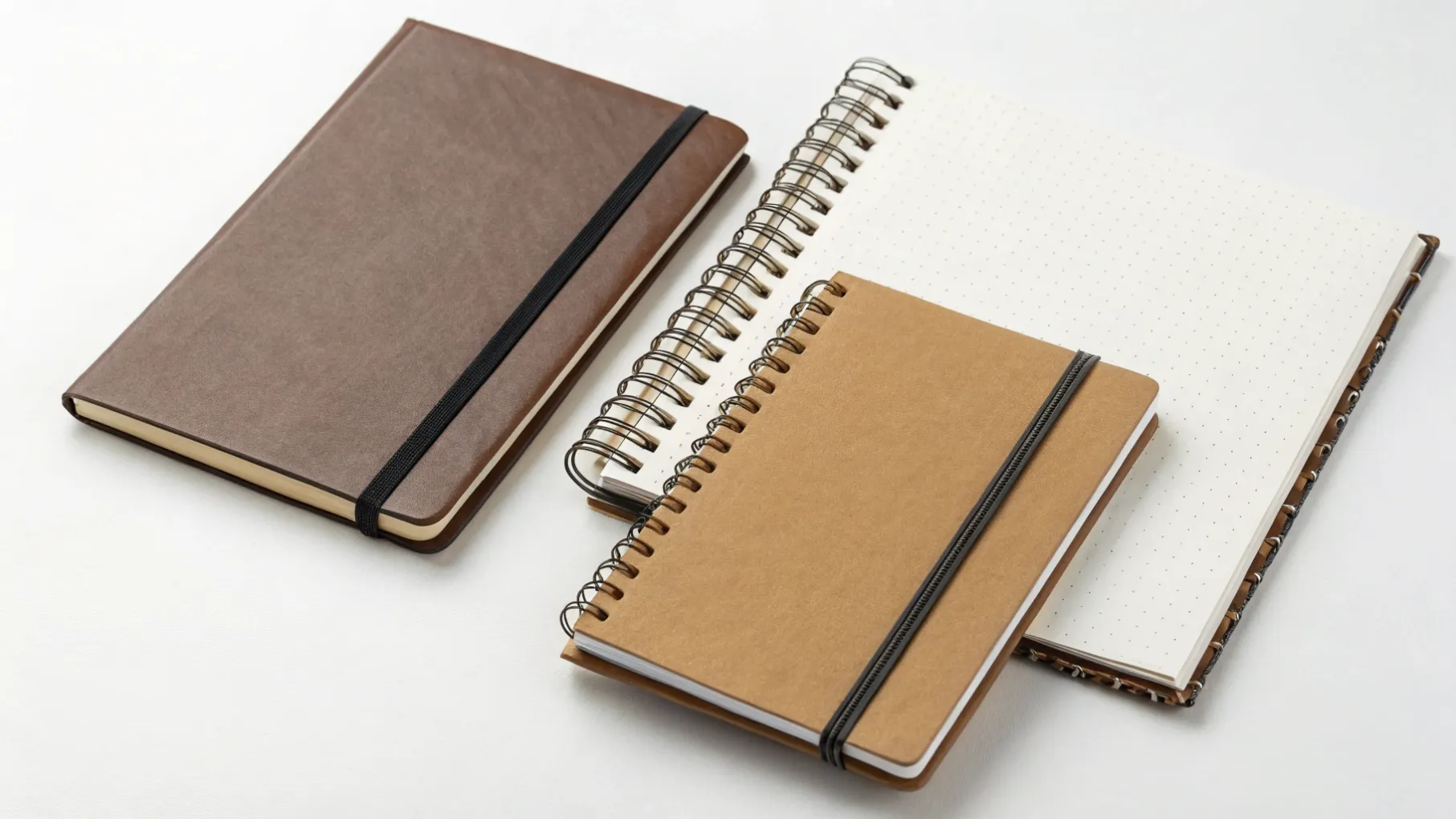
Functionality, Binding Styles, and Daily Usability
When marketing managers like Jacky plan corporate stationery, I advise them to look at how the notebook will actually be used. The three main formats balance protection, weight, and writing ergonomics differently.
Softcover notebooks are lightweight and slip easily into compact bags, making them great for commuters. Hardcover notebooks offer maximum structural protection and stay open flat on conference tables. Spiral-bound notebooks allow the user to flip pages completely 360 degrees, which is perfect for fast note-taking in standing environments like trade shows or site inspections.
Notebook Style | Binding Method | Main Functional Advantage | Primary Limitation |
|---|---|---|---|
Softcover Notebook | Perfect glue binding or saddle stitch | Lightweight and flexible for easy bag carry | Corners curl easily under heavy friction |
Hardcover Notebook | Thread-sewn casebound hardboard | Rigid backing allows writing without a desk | Heavier shipping weight and bulkier profile |
Spiral / Wire-O Notebook | Metal double-loop wire binding | Folds 360 degrees flat for quick field notes | Exposed wire coils can snag on bag linings |
What Type of Book Cover Sells Best?
Are you wondering which notebook cover style creates the highest commercial sales and strongest client appreciation? Investing in outdated cover designs results in unwanted stock that gathers dust.
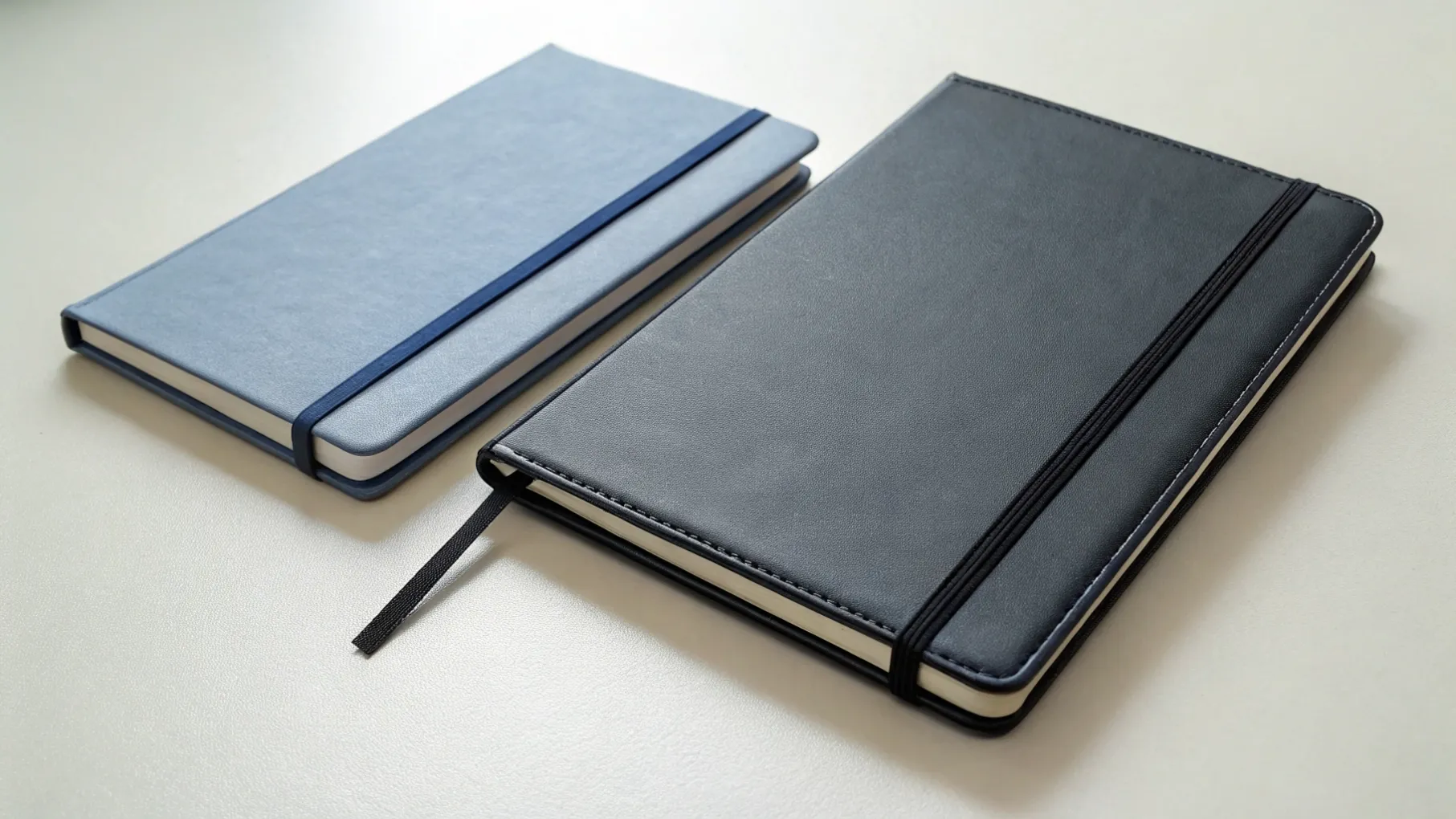
Matte-laminated minimalist hardcovers and soft-touch faux leather covers sell best because they combine durable daily protection with a modern, professional, tactile aesthetic that consumers love carrying.
Market Trends, Tactile Appeal, and Commercial Success
Retail sales and corporate gifting data show that tactile quality drives purchasing decisions. Consumers rarely buy a notebook based solely on page count; they pick the book that feels comfortable and substantial in their hands. Soft-touch matte finishes and textured vegan leather covers consistently outperform glossy or plain plastic covers in both retail and corporate environments.
Minimalist designs with subtle branding sell significantly better than loud, cluttered graphics. Adding functional details like an elastic closure band, an integrated pen loop, and a rear storage pocket turns a simple notebook into an indispensable daily organizer. When a cover feels premium and looks clean, recipients naturally incorporate it into their regular working lives.
Cover Feature | Consumer Popularity | Key Appeal Factor | Target Market |
|---|---|---|---|
Soft-Touch PU Leather | Extremely High | Warm, premium hand feel with clean debossing | Corporate professionals and lifestyle writers |
Matte-Laminated Hardboard | Very High | Modern scratch-resistant look without glare | Retail stationery buyers and students |
Textured Woven Fabric | Moderate to High | Natural organic texture and tactile grip | Design professionals and eco-minded brands |
Glossy Plastic / Varnish | Declining / Low | High initial shine but shows fingerprints | Budget promotional handouts |
Conclusion
Choose a notebook cover that matches your target user's daily habits, balances weight with durability, and uses clean tactile finishes to create stationery people love opening every day.