Jun 26, 2026News & Insights
What Are the Tips to Choose the Perfect Water Bottle for Hiking?
The best hiking water bottle should be lightweight, slim, and easy to carry, with enough capacity and good filter compatibility for convenient trail hydration.
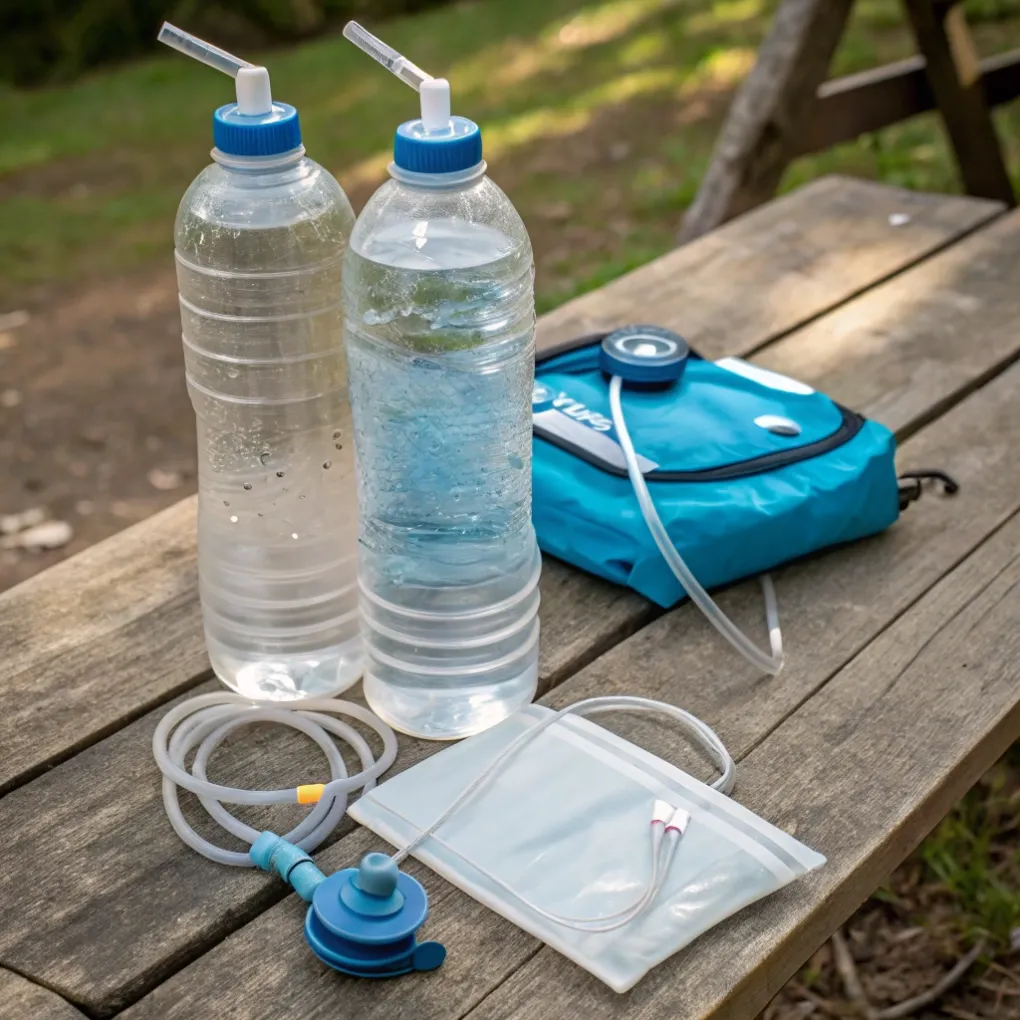
What Are the Tips to Choose the Perfect Water Bottle for Hiking?
Are you tired of lugging a heavy, bulky flask up a steep mountain trail, or constantly struggling to reach an awkwardly shaped bottle from your backpack’s side pockets while walking? Presenting items without considering trail movement makes your gear choices a major physical burden.
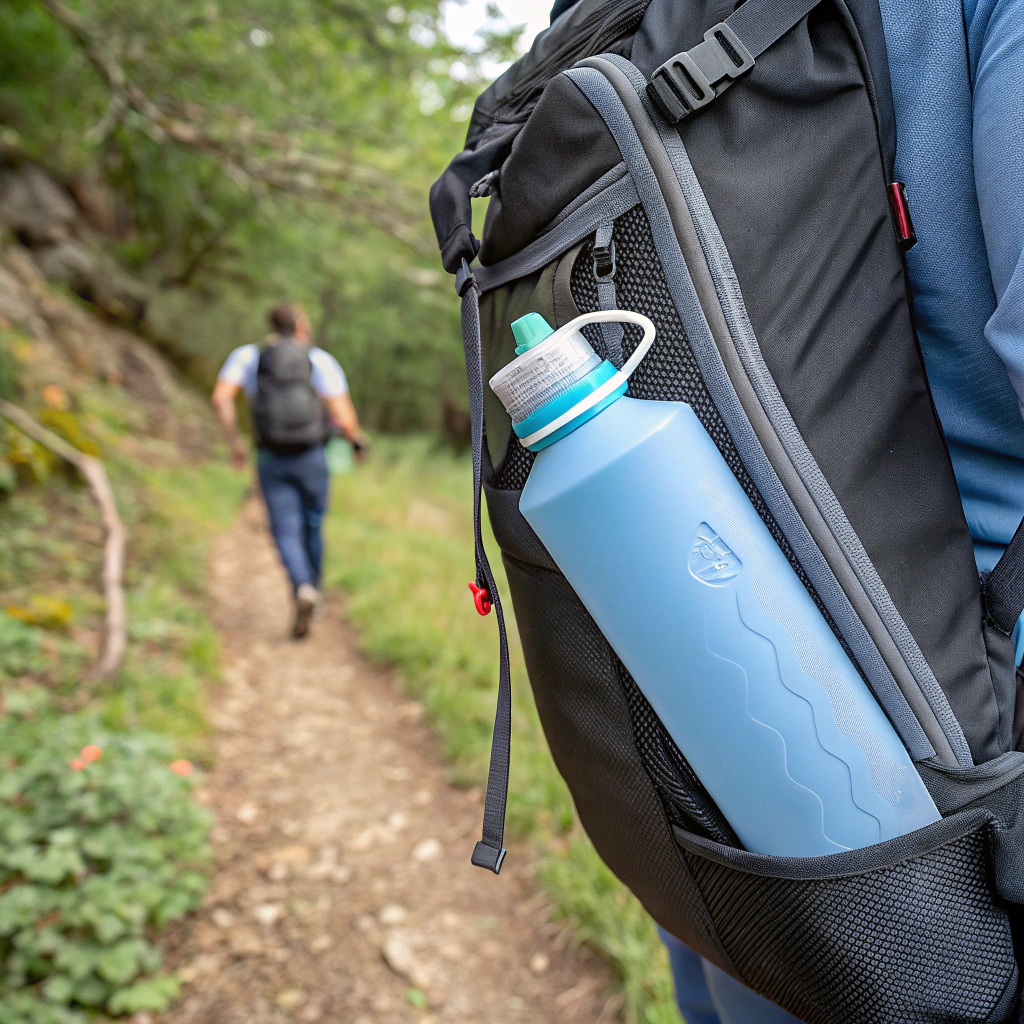
You can choose the perfect water bottle for hiking by balancing empty container weight, liquid capacity, and physical shape. Select a lightweight, narrow-profile container that slides effortlessly in and out of your pack straps and holds enough volume to safely cover the distance between your planned trail water sources.
I started my career working directly on a dusty printing factory floor, checking product weights and testing material structural durability under tough conditions. That production background taught me that every extra gram of unnecessary weight matters immensely when you are moving for hours at a time. Later, I founded Latitude Experience Pte Ltd to help marketing managers find highly functional, reliable promotional lifestyle gear that performs perfectly under real-world pressure. I know that choosing the wrong hydration tool on a long trek leads to muscle fatigue, dehydration, and a highly uncomfortable outdoor experience. Let us look at the top operational tips and design choices to help you pick the ultimate trail companion.
What Kind of Water Bottle Is Best for Hiking?
Do you find that your heavy insulated metal flasks weigh down your shoulders, or that wide-mouth bottles cause messy spills down your shirt when you try to take a sip while moving? Using clumsy gear interrupts your walking rhythm and slows your pace down.
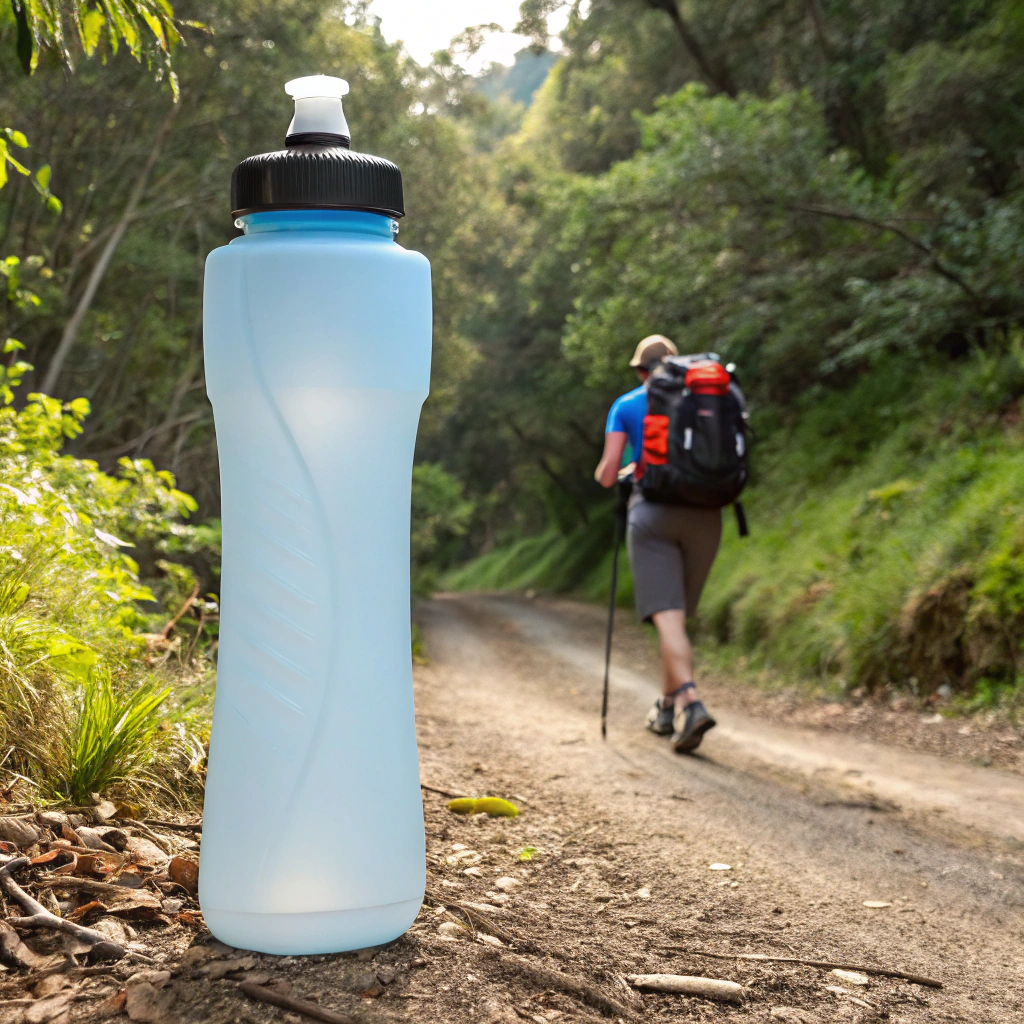
The best water bottle for long-distance hiking is a tall, narrow container made from high-impact, lightweight plastic or flexible soft-flask material. It must feature a secure leak-proof cap, an ergonomic shape for easy grabbing, and a standardized 28mm screw thread that attaches directly to portable trail water filters.
From my perspective, the trail environment changes your product requirements completely compared to stationary office desk use. While a heavy double-wall stainless steel bottle is fantastic for keeping drinks ice-cold at a desk, carrying that heavy metal casing up a steep mountain ridge wastes vital physical energy. Ultralight backpackers look for materials that maximize liquid volume while dropping empty container weight down to near zero. Furthermore, the exterior walls must be perfectly smooth so the bottle slides easily into your pack’s side mesh pockets without catching or tearing the fabric. Let us look at how the top trail bottle categories compare across critical outdoor performance metrics.
Key Trail Performance Factors
- Featherlight Empty Weight: Minimizes your base pack load to protect your knees and lower back from strain over long mileage days.
- Filter Thread Compatibility: Allows you to screw micro-hollow fiber filters straight onto the mouth rim to purify wilderness stream water instantly.
- Squeeze-Friendly Flexibility: Enables you to physically press the bottle walls to force water through filter membranes quickly at camp.
Let us evaluate the four major hiking bottle formats to help you choose the correct balance for your next outdoor trip.
Bottle Category Type | Average Empty Weight | Structural Trail Durability | Water Filter Compatibility |
|---|---|---|---|
Tall Slim Plastic (Smartwater Style) | Extremely Light (~34g) | High (Flexible polymer resists cracks) | Direct 28mm fit (Sawyer Squeeze) |
Heavy-Duty Rigid (Nalgene Style) | Heavy (~180g) | Maximum (Virtually indestructible) | Requires separate wide-mouth adapters |
Insulated Vacuum Stainless Steel | Extremely Heavy (~400g) | High (Dents but will not crack) | Completely incompatible |
Collapsible TPU Soft Flask | Light (~25g) | Moderate (Puncture risk from sharp rocks) | Direct fit for specific thread brands |
What’s a Good Size Water Bottle for Hiking?
Are you constantly worried about running completely out of clean drinking water during a trek, or conversely, overloading your pack with massive, sloshing jugs that you never actually finish? Getting your fluid balance wrong causes severe pack imbalance and trail anxiety.
A good size water bottle for a standard day hike is a one-liter (32-ounce) container, usually carried in a pair to give you a total capacity of two liters. This volume provides the perfect balance between necessary hydration volume and comfortable carrying weight on your back.
In my years of managing product dimensions and custom manufacturing runs, I learned that volume limits must always match real-world logistics. One liter of fresh water weighs exactly one kilogram (2.2 pounds) on your back. If you try to carry a single giant three-liter jug, it creates a heavy, shifting mass that throws off your physical balance on tricky rock scrambles. Carrying two separate one-liter bottles allows you to distribute the weight evenly inside both side pockets of your backpack. This layout keeps your spine aligned and allows you to use one bottle for raw trail water and the second bottle exclusively for clean, filtered drinking supply.
Sizing Rules of Thumb by Trail Length
- Short Day Hikes (Under 2 Hours): A single 750ml lightweight bottle is perfectly sufficient for shaded, well-maintained city park trails.
- Standard Backcountry Treks (3 to 6 Hours): Two 1L bottles ensure you stay safely hydrated between distant natural stream refill points.
- Arid Desert Climbs (No Refills Available): A minimum total capacity of three to four liters is required, utilizing extra collapsible water bladders inside your main pack.
Why Do Hikers Use Smart Water Bottles?
Are you surprised to see experienced long-distance thru-hikers carrying basic, clear grocery store plastic bottles instead of expensive, high-tech outdoor gear? It seems highly unusual that elite wilderness athletes trust a cheap retail bottle.
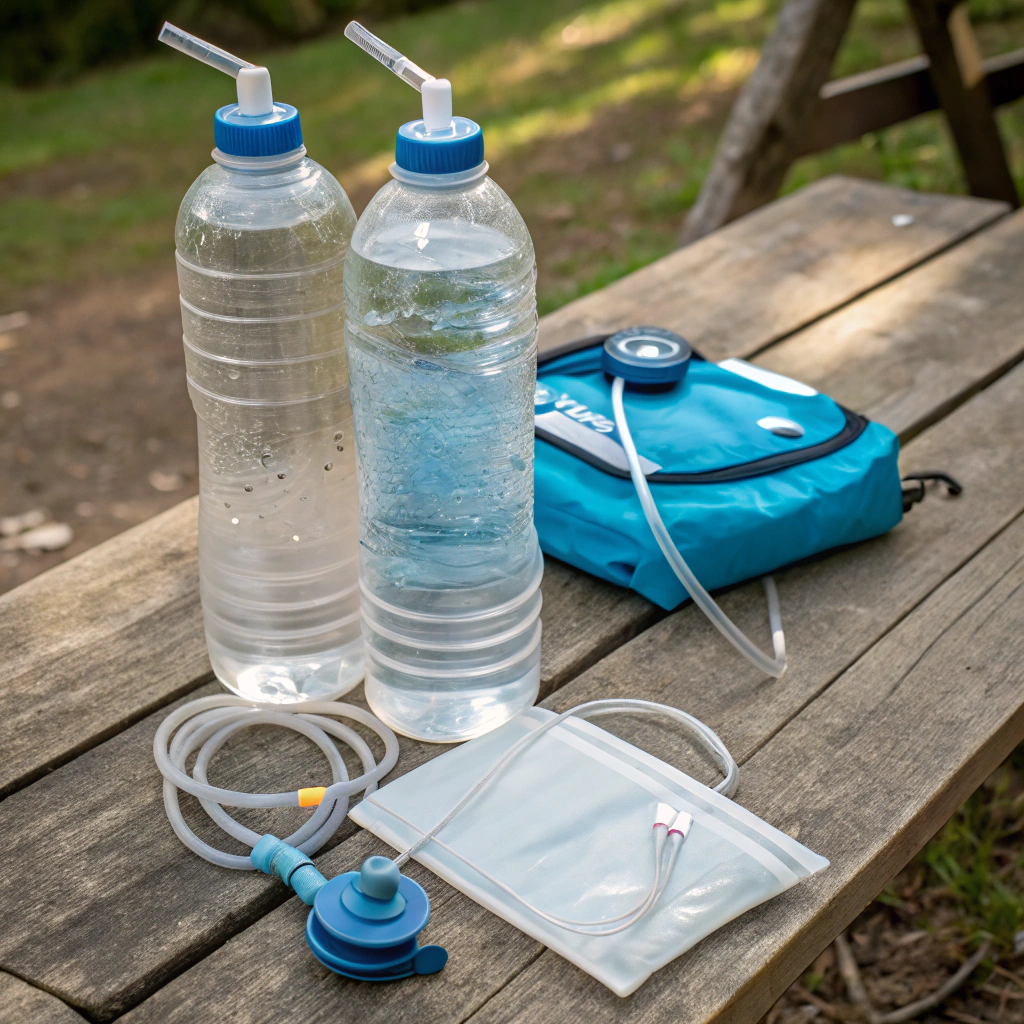
Hikers use Glacéau Smartwater bottles because their tall, narrow shape slides effortlessly into backpack pockets, their thick plastic walls handle intense squeezing pressure without splitting, and their 28mm mouth threads link perfectly with standard trail filters like the Sawyer Squeeze.
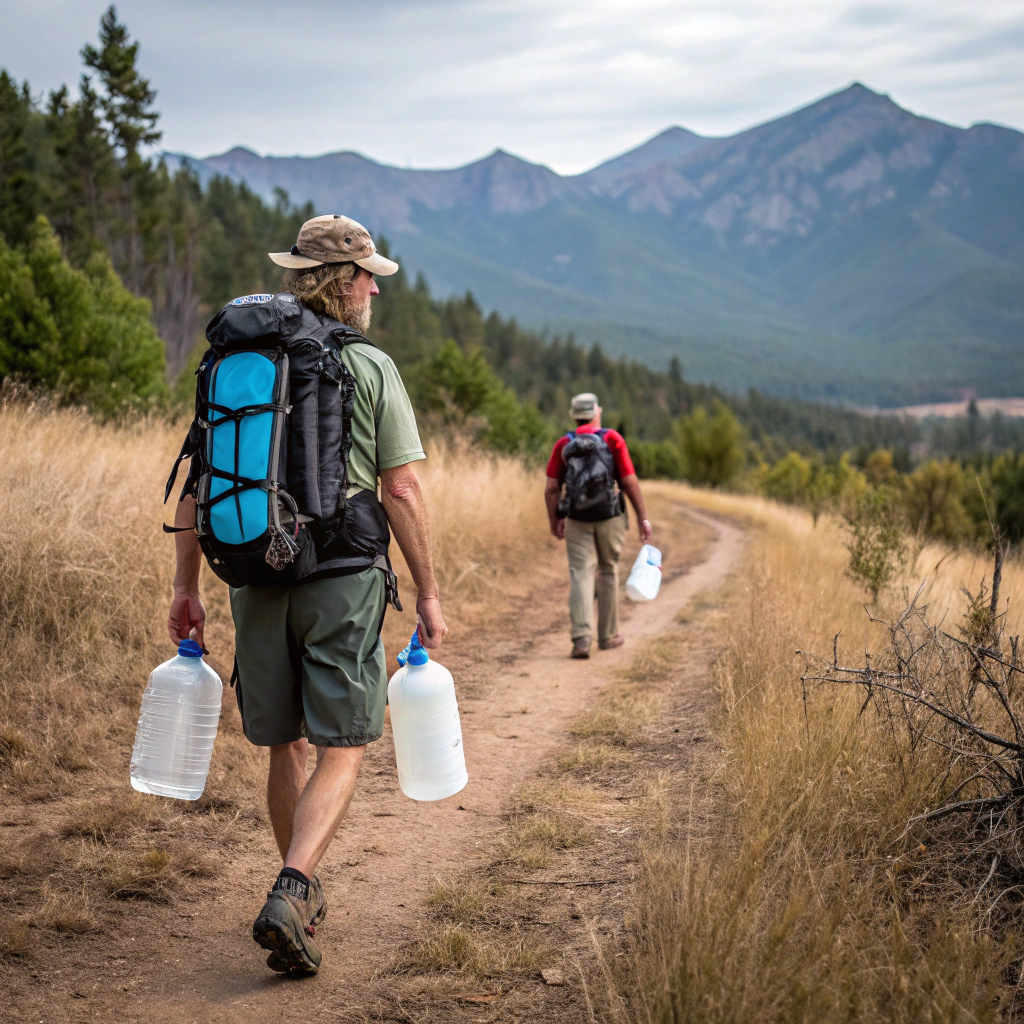
This is an iconic trend that surprises many of our corporate event clients at Latitude when we discuss modern outdoor branding shifts. Long-distance backpackers are highly practical people who hate paying for unnecessary weight. A standard empty commercial Smartwater bottle weighs a mere 1.2 ounces and costs around two dollars at a roadside gas station, yet it outperforms twenty-dollar specialty outdoor flasks. Furthermore, the clear plastic allows you to see your exact remaining water levels instantly, and the sports cap version lets you forcefully back-flush your water filter to keep the flow rate fast without carrying heavy cleaning syringes. It is the ultimate example of a cheap consumer product turning into an essential piece of expert wilderness gear.
Why the Trend Dominates the Trail
- Perfect Pocket Geometry: The long, slim profile fits dual containers inside a single side pocket, preventing the bottles from tumbling out when you bend down.
- Exceptional Pressure Tolerance: The tough polymer blends handle repeated crushing and expanding cycles during filtration without forming leaks.
- Universal Sport Caps: The push-pull nozzle allows you to drink quickly with one hand without dropping the lid down a steep mountain cliff side.
Let us organize these practical trail advantages into a clear checklist to see why this cheap bottle format beats traditional hard-sided outdoor gear.
Trail Requirement | Standard Rigid Hard Bottle | Ultra-Durable Slim Plastic Bottle | Long-Term Benefit to the Hiker |
|---|---|---|---|
Accessing While Walking | Requires taking off the pack or painful twisting | Slides out and back in with zero physical friction | Maintains your walking pace and rhythm |
Purifying Dirty Water | Gravity or pump hose adapters required | Screws directly onto the threads of the filter unit | Speeds up camp cleanup chores significantly |
Managing Pack Space | Bulky round shape pushes inward against gear | Slim profile stacks neatly inside thin exterior mesh | Frees up interior room for food and clothes |
Handling Severe Drops | Can fracture or crack open when freezing cold | Flexible walls absorb impact shock effortlessly | Guarantees you never lose your fluid supply |
Conclusion
Choosing the perfect water bottle for hiking requires selecting a lightweight, narrow plastic container that matches your filter threads, balances carrying weight, and fits your backpack side pockets smoothly for effortless trail hydration.