Sep 21, 2026News & Insights
What Fabric Is Used for Canvas?
Canvas is defined by its durable plain weave, with cotton, linen, polyester, and blends offering different strengths, textures, durability, and applications for bags, apparel, and outdoor gear.
What Fabric Is Used for Canvas?
Do you assume that every canvas product is automatically made from pure, natural cotton, only to end up with stiff polyester blends that trap heat and feel synthetic? Mistaking weave architecture for raw fiber leads to selecting bags and apparel that fail under real-world use.
Canvas is a plain-woven, heavy-duty textile historically woven from hemp or flax linen, but modern commercial canvas is primarily manufactured using multi-ply cotton yarns, synthetic polyester, or blended poly-cotton fibers.
When I started my career working in a printing and textile fabrication factory years ago, I handled raw textile bolts daily on the cutting tables. The word “canvas” originates historically from the Latin cannapaceus, meaning “made of hemp.” Today, canvas defines a specific, tightly interlaced basketweave structure rather than a single plant fiber. Let us explore the various fibers used to weave canvas, examine what cheap commercial canvases are actually made of, and review durable textiles similar to canvas.
What Type of Fabric Is Used for Canvas?
Are you confused about when to specify cotton duck versus synthetic polyester canvas for your corporate merchandise or accessories? Choosing the wrong fiber base affects print clarity, fabric drape, and long-term abrasion resistance.
The primary types of fabric used for canvas are 100% natural cotton duck, traditional flax linen, high-tenacity polyester, and synthetic-cotton blends, each offering distinct tensile strengths, textures, and water-resistance profiles.
Fiber Origins, Weave Density, and Functional Performance
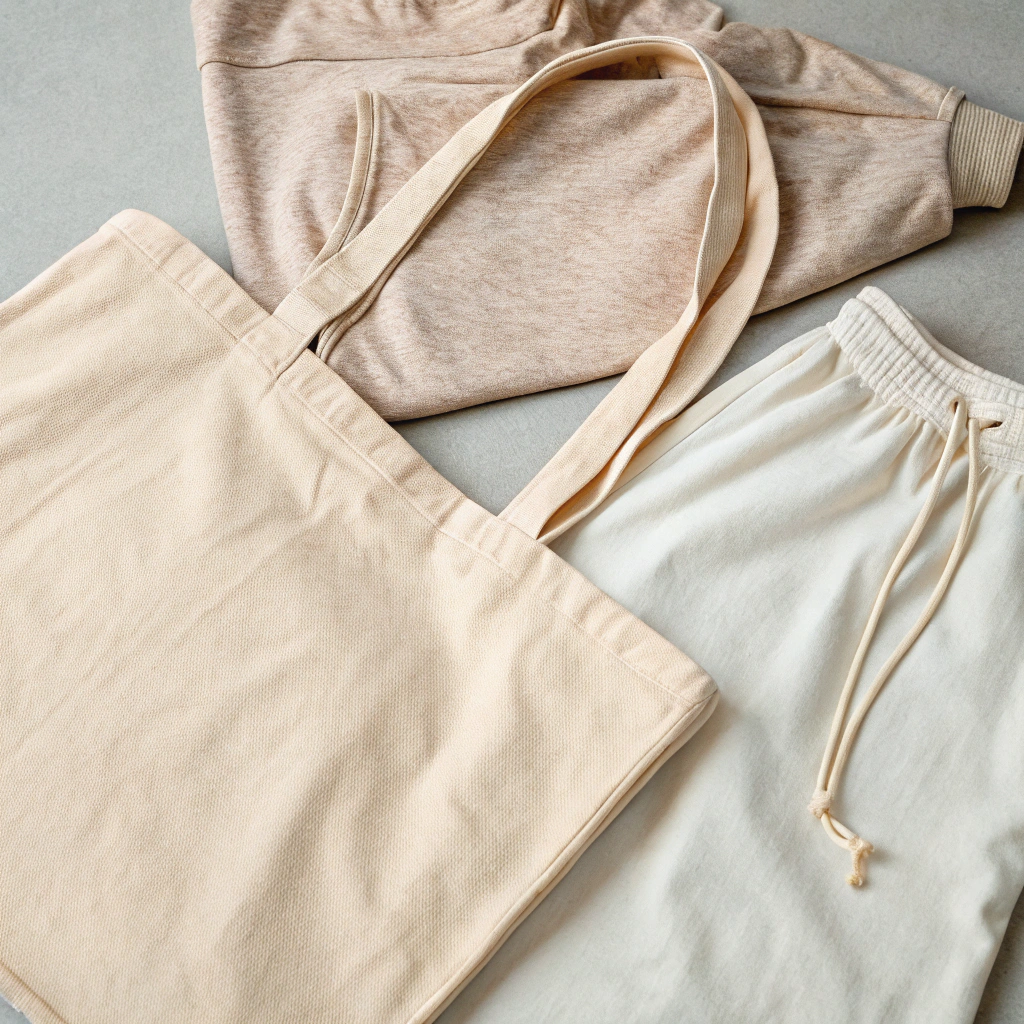
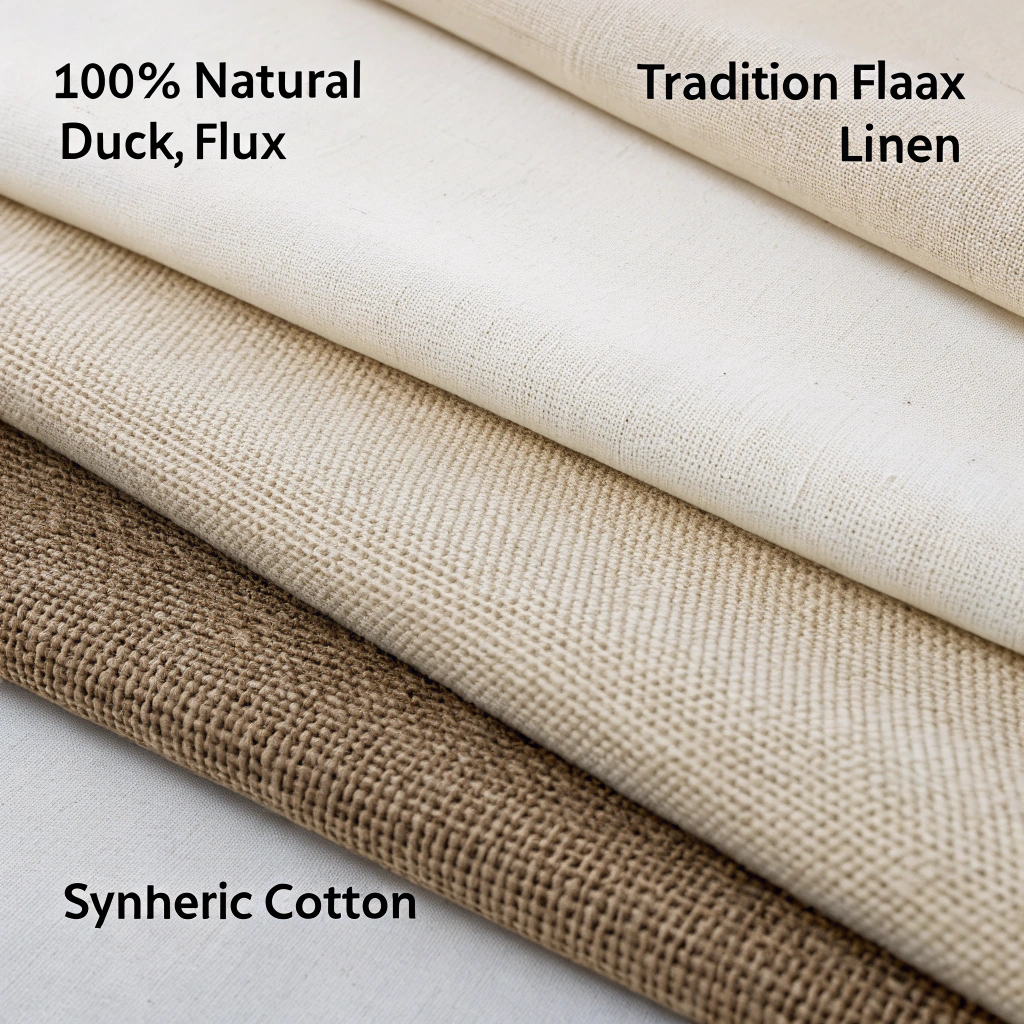
Cotton duck canvas represents the retail standard for lifestyle tote bags, worker jackets, and hats. Cotton fibers offer a tactile, breathable hand-feel and absorb dyes and water-based inks deeply, creating rich screen prints that soften naturally with repeated washings. Flax linen canvas remains the preferred medium for fine artists and high-end archival luggage; its long staple fibers provide unmatched tensile strength and resist warping under tension, though at a significantly higher production cost.
In industrial settings and outdoor gear, polyester canvas plays a major role. Extruded from petroleum polymers, continuous filament polyester fibers resist rot, mildew, and UV fading, making them ideal for boat covers, awnings, and outdoor equipment bags. For brand managers like Jacky designing corporate merchandise, poly-cotton blends (65% cotton / 35% polyester) strike a practical balance: they maintain the natural matte look of cotton while benefiting from the anti-wrinkle stability and tear resistance of synthetic thread.
Canvas Fabric Base | Primary Fiber Source | Tactile Hand-Feel | Tensile Strength Rating | Best Application Fit |
|---|---|---|---|---|
Cotton Duck Canvas | Gossypium plant cellulose | Soft, matte, breathable | High (Resists daily abrasion) | Everyday tote bags, aprons, chore coats |
Flax Linen Canvas | Linum usitatissimum bast fiber | Crisp, natural slub texture | Exceptional (Highest natural fiber) | Archival artist stretched canvas, luxury luggage |
Polyester Canvas | Synthetic polyethylene terephthalate | Slick, technical, non-porous | Very High (Zero stretch under tension) | Heavy outdoor equipment bags, tarpaulins |
Poly-Cotton Blend | 65/35 or 50/50 composite | Balanced, smooth, firm | High (Resists wrinkles and shrinkage) | Commercial uniforms, backpacks, travel duffels |
What Are Cheap Canvases Made Of?
Have you ever purchased a promotional canvas tote or art board that felt paper-thin, creased permanently, or tore along the seam on its very first outing? Low-cost manufacturers cut corners by altering both fiber quality and chemical sizing.
Cheap canvases are made from low-grade virgin polyester, short-staple unrefined cotton sheeting (often weighing under 6 oz), or recycled synthetic scraps treated with heavy chemical starches and plasticizers to mimic fabric weight.
Short-Staple Fibers, Chemical Fillers, and Structural Shortfalls
To lower factory unit costs, cheap fabric mills use “short-staple” cotton scrap leftover from industrial spinning processes. These short fibers have loose yarn twists and open weaves, which leaves the raw cloth limp and see-through. To conceal this low density, manufacturers wash the raw fabric in heavy calcium carbonate chalk, corn starch, or synthetic PVA sizing agents. This gives the bag a deceptively stiff, crisp feel right out of the box.
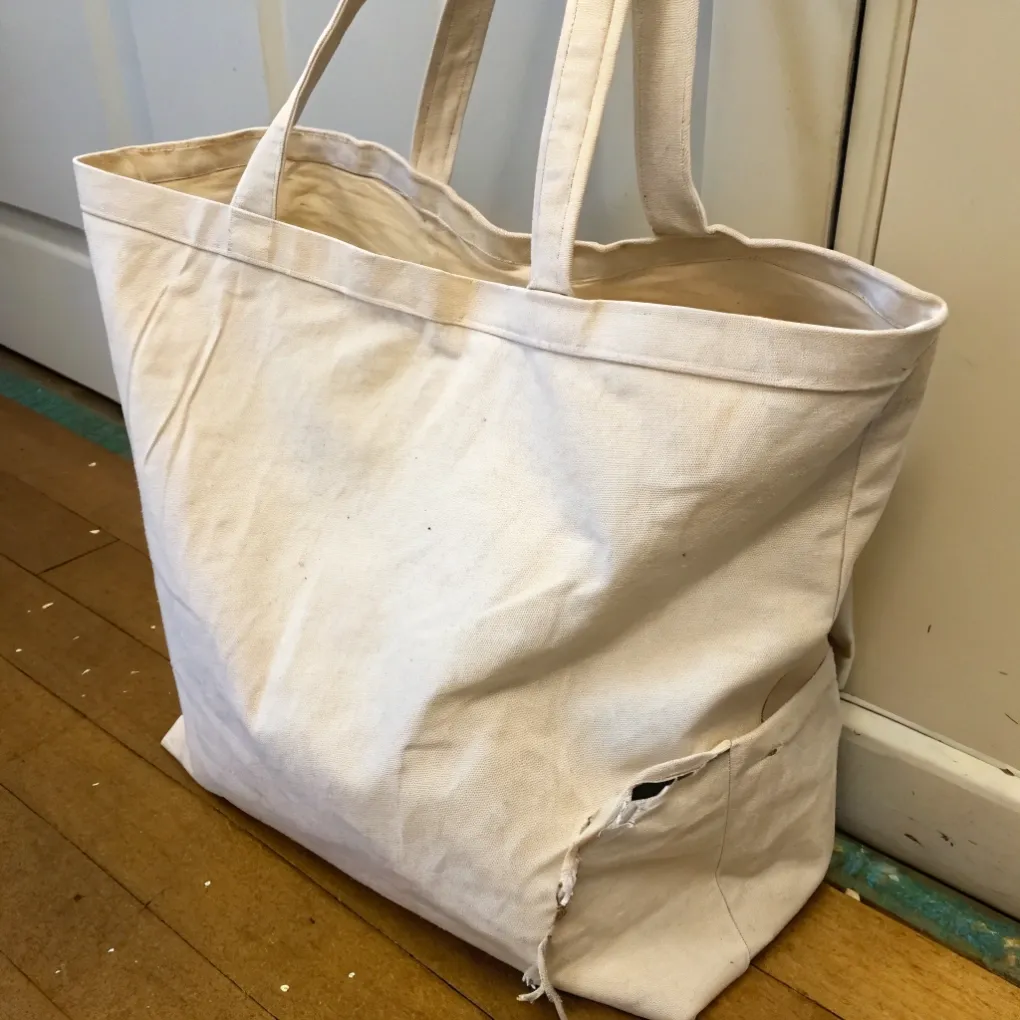
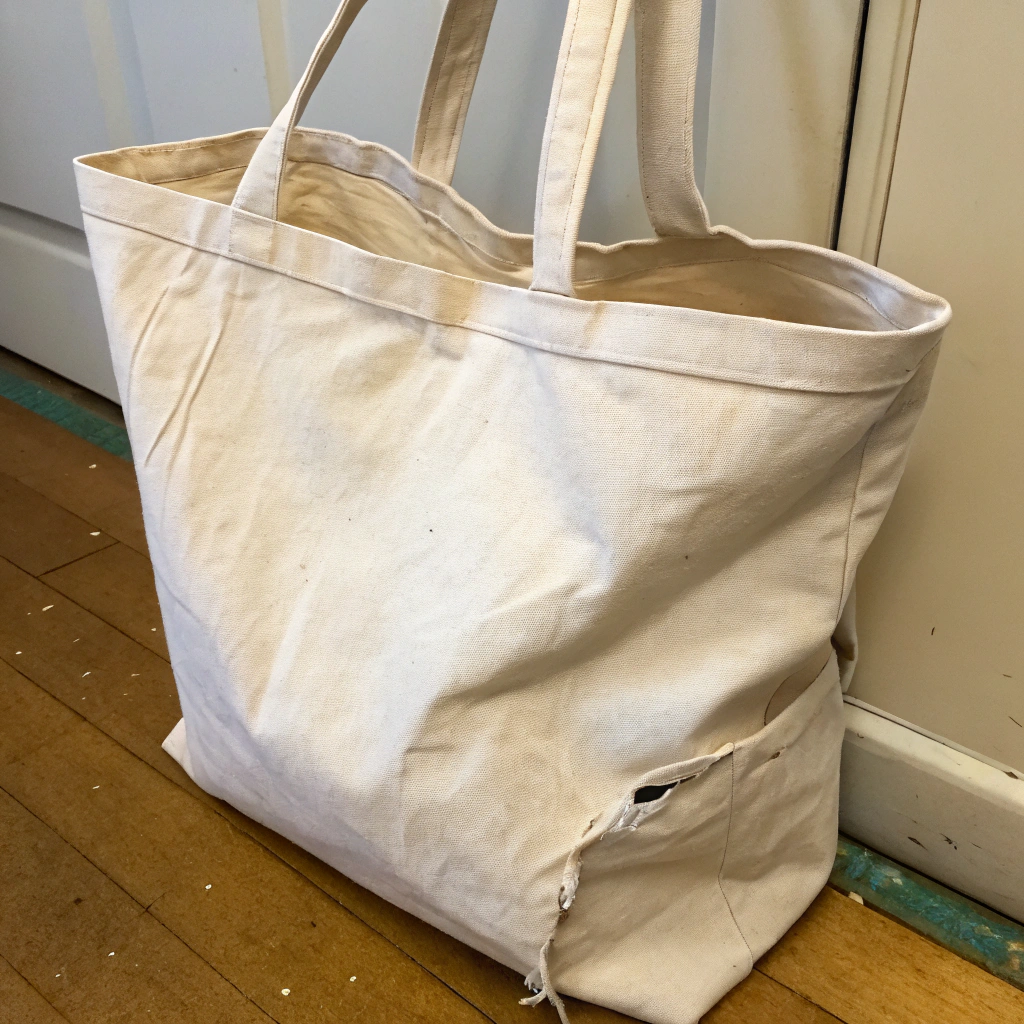
The problem appears on the first wash or heavy rain shower. Water dissolves the chemical starch, leaving the tote limp, thin, and prone to frayed seams. In promotional gifting, these budget fabrics often weigh only 4 to 6 oz (130 to 170 GSM). When carrying heavy grocery jars or laptops, the loose weave shifts under pressure, causing needle holes to widen and handles to rip. Specifying long-staple, ring-spun combed cotton at 10 to 14 oz (300 to 400 GSM) guarantees structural integrity without artificial fillers.
Quality Checkpoint | Cheap Promotional Canvas (4 to 6 oz) | Premium Heavy-Duty Canvas (10 to 14 oz) | Long-Term User Outcome |
|---|---|---|---|
Fiber Staple Length | Short-staple cotton scrap / recycled poly | Long-staple combed ring-spun cotton | Prevents pilling, fuzzing, and seam stretching |
Sizing & Coating | Chemically starched for artificial stiffness | Mechanically pre-shrunk (Sanforized) | Retains shape and structure after washing |
Yarn Construction | Single-ply open-twist yarn | Multi-ply 2×2 plied twisted yarns | Resists heavy punctures and edge tearing |
Weight Specification | Under 200 GSM (Open translucent weave) | 340 to 450 GSM (Dense, opaque duck weave) | Carries 12+ kg payloads without sagging |
What Type of Fabric Is Similar to Canvas?
Do you want the rugged durability and load-bearing strength of canvas, but need a fabric with a smoother surface, better water repellency, or a different visual texture? Several woven textiles share the physical strengths of canvas while offering distinct working properties.
Fabrics similar to canvas include heavy cotton twill, denim, duck cloth, sailcloth, cordura nylon, and burlap (jute), which all utilize dense, multi-thread weaving to maximize tear and abrasion resistance.
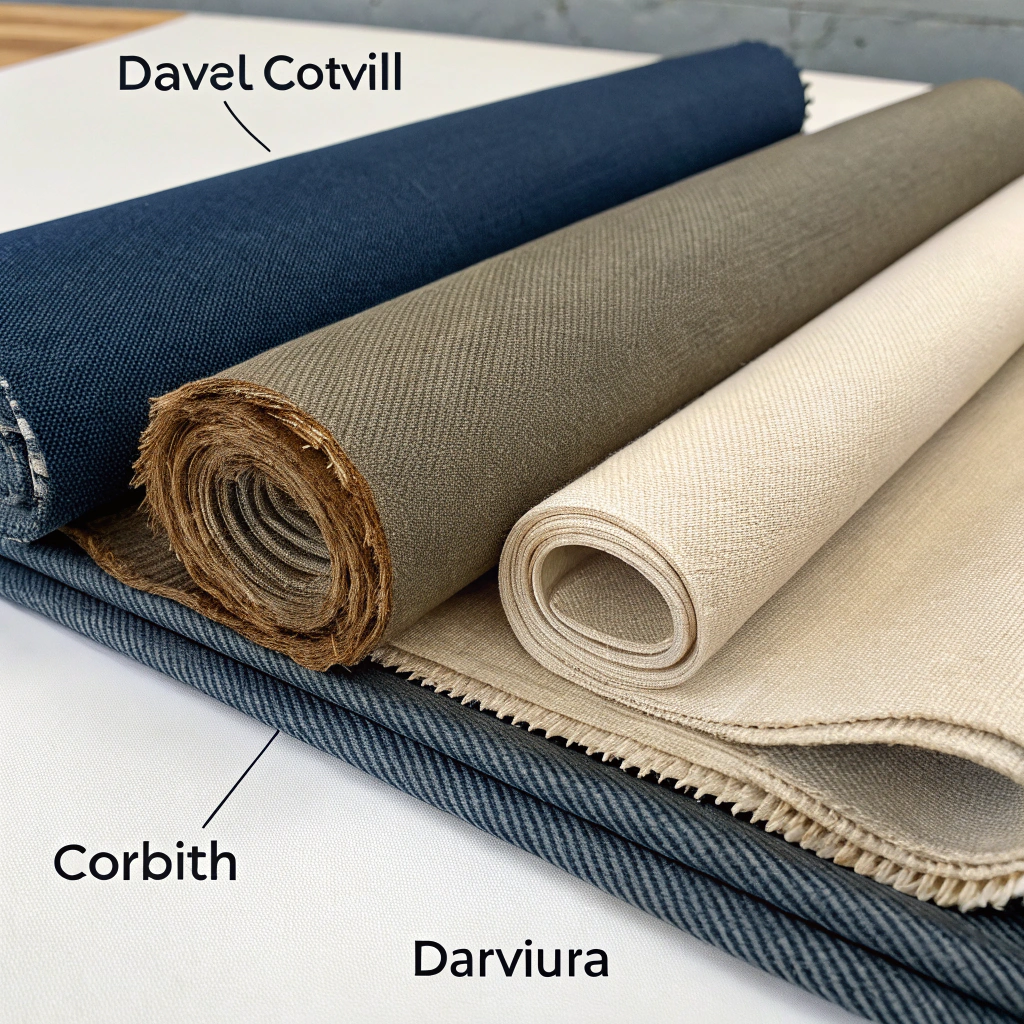
Weave Patterns: Plain Weave, Diagonal Twill, and High-Tenacity Synthetics
The defining difference between canvas and its alternatives lies in the weave pattern. True canvas uses a plain over-under basketweave. In contrast, heavy cotton twill and denim use a diagonal float weave (twill pattern), which creates distinct diagonal ribs across the fabric face. This diagonal float makes twill and denim slightly more pliable, allowing them to drape comfortably against the body while matching the rugged abrasion resistance of canvas.
For modern tactical and technical applications, Cordura nylon functions as the synthetic equivalent of heavy canvas. Developed using air-textured high-tenacity nylon 6,6 filaments, Cordura provides exceptional puncture and tear resistance at a fraction of wet canvas’s weight. For natural, rustic packaging, jute burlap provides a loose, coarse bast-fiber alternative, though it lacks the fine surface smoothness required for crisp corporate screen printing.
Alternative Textile | Weave Construction | Base Material | Key Difference Compared to Canvas | Ideal Use Case |
|---|---|---|---|---|
Cotton Duck Cloth | Tight plain basketweave | 100% Cotton | Technically a refined grade of canvas; smoother face | Work jackets, utility totes, tool rolls |
Heavy Cotton Twill | Diagonal 2/1 or 3/1 float twill | Cotton or blend | Softer drape; less boxy stiffness than canvas | Chino work pants, caps, messenger bags |
Raw Denim | 3/1 Warp-faced twill | Indigo-dyed cotton | Indigo warp with white weft; develops unique fades | Durable casual jeans, aprons, lifestyle packs |
Cordura Nylon | Plain or ripstop weave | High-tenacity Nylon 6,6 | Water-repellent backing; higher scuff resistance | Commuter backpacks, laptop bags, travel packs |
Jute Burlap (Hessian) | Loose, coarse plain weave | Natural Corchorus bast | Coarse, fibrous texture; cannot take fine print | Coffee sacks, agricultural bags, rustic totes |
Conclusion
Canvas is defined by its durable, plain-woven structure rather than a single plant fiber; choosing between natural ring-spun cotton, traditional linen, or high-tenacity polyester ensures your bags and apparel deliver reliable strength, practical comfort, and long-term utility.