Sep 9, 2026News & Insights
What Is a Water Bottle With an Ice Core and Does It Keep Drinks Colder?
A water bottle with an ice core provides quick, dilution-free cooling, while vacuum-insulated bottles offer longer-lasting cold temperature retention.
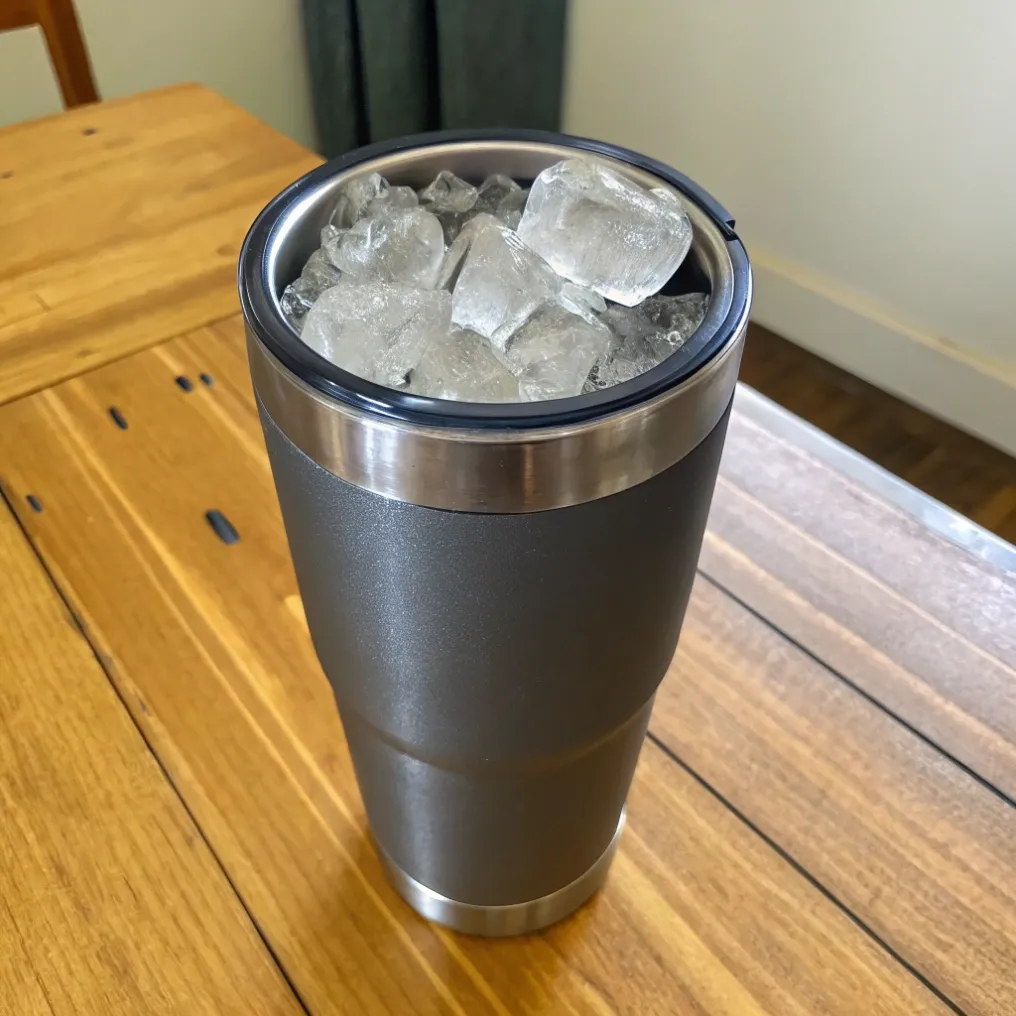
What Is a Water Bottle With an Ice Core and Does It Keep Drinks Colder?
Do you get frustrated when loose ice cubes take up half your water bottle and dilute your favorite iced tea into a watery mess? Traditional ice cubes melt rapidly in warm conditions and reduce your actual drinking capacity.
A water bottle with an ice core features a reusable, freezable central rod that chills beverages from the inside out without diluting drinks, blocking the spout, or sacrificing valuable liquid capacity.
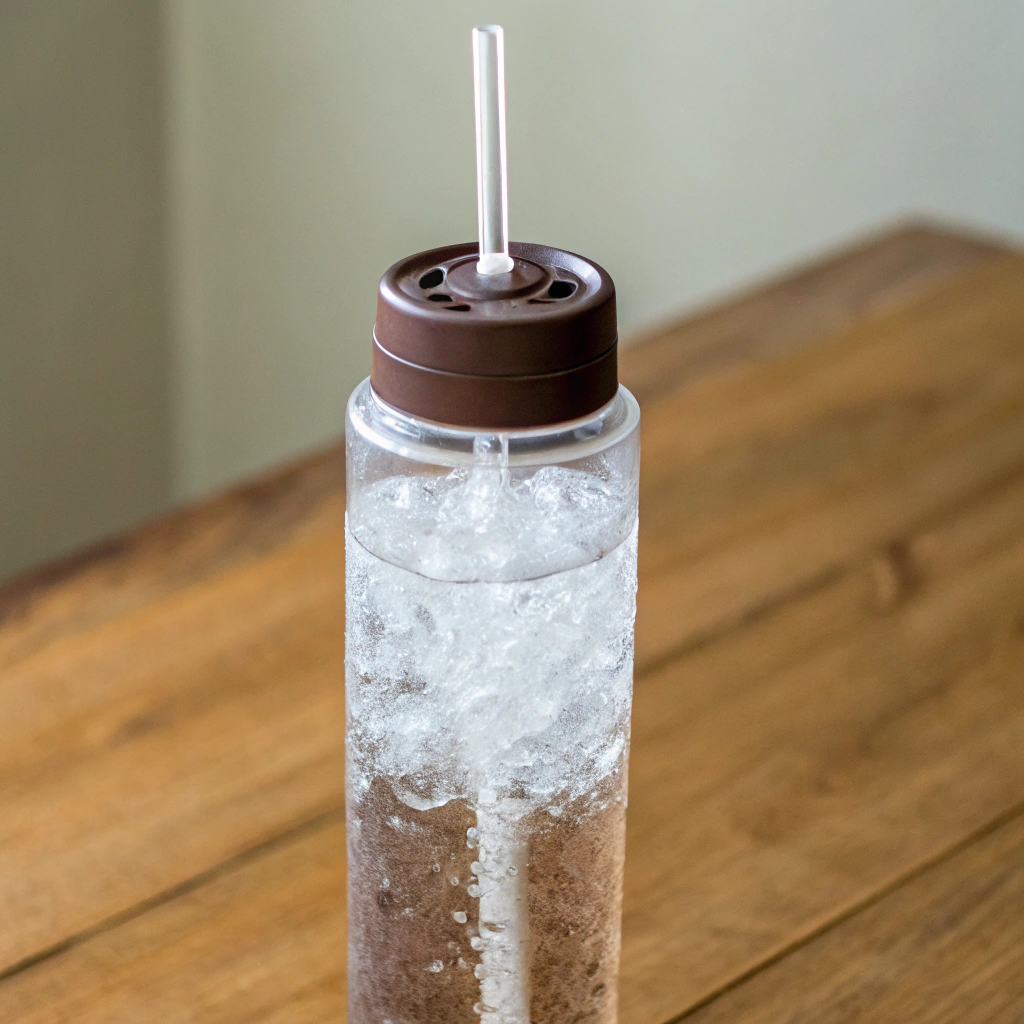
When I worked on the floor of a printing and manufacturing factory years ago, I saw many novelty drinkware items fail because they introduced too many complicated moving parts. A cooling insert must make daily hydration simpler, not add cleaning headaches. Let us look at how ice-core technology works and compare it with the best thermal solutions on the market.
Which Water Bottle Can Keep Ice Cold for All Day?
Are you tired of filling your flask with ice before your morning commute, only to find lukewarm water waiting for you by mid-afternoon? Single-wall containers and cheap plastic tumblers fail to defend against high ambient heat.
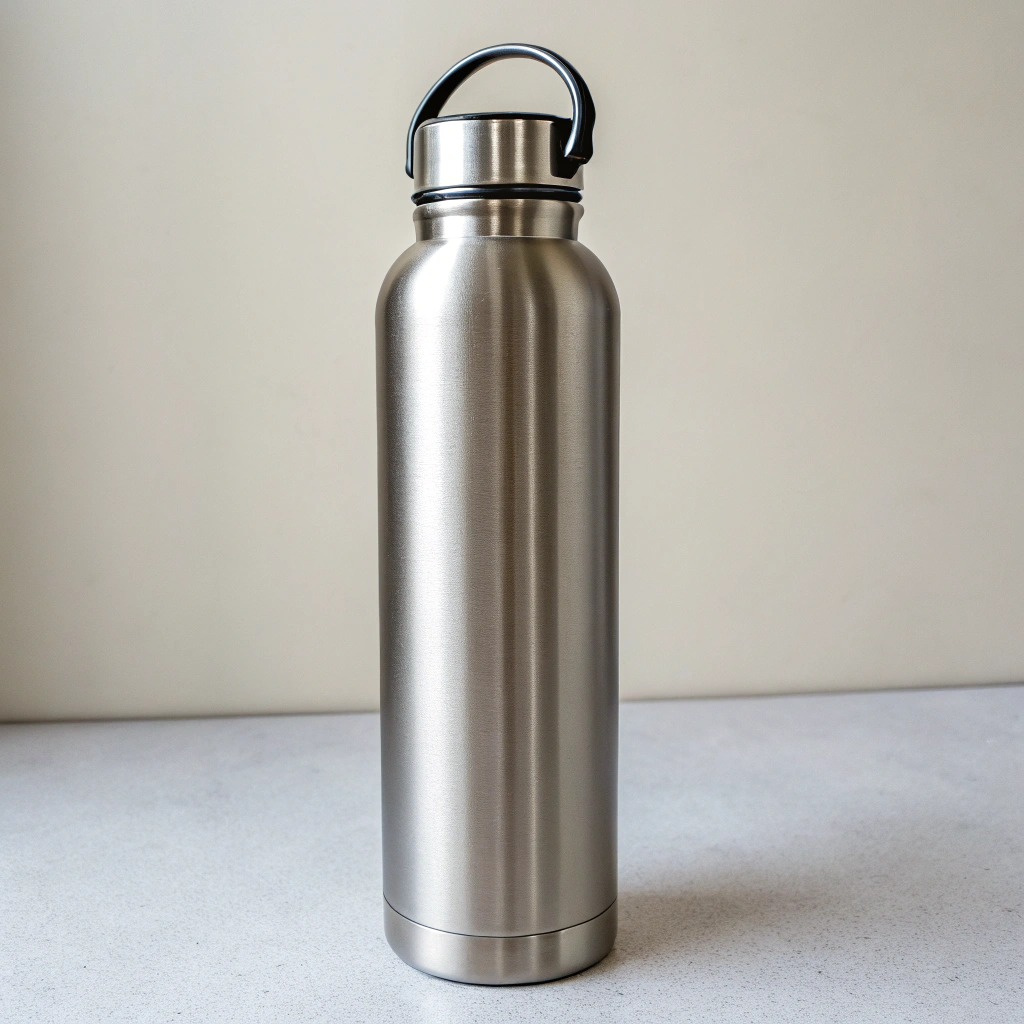
Double-wall vacuum-insulated stainless steel bottles made from food-grade 18/8 (304) or 316 alloy keep ice frozen all day for 24 to 48 hours by eliminating conductive and convective heat transfer.
Vacuum Insulation Versus Dedicated Freezable Cores
To understand thermal performance, you must understand heat transfer. Double-wall vacuum bottles work by sucking all air out of the space between two stainless steel walls. Because heat cannot easily cross a vacuum, outside warmth cannot enter, and internal chill cannot escape. A quality vacuum bottle maintains cold temperatures for an entire day, provided you load it with cold water and ice.
An ice-core bottle takes a different engineering approach. Instead of merely retaining the temperature of an already chilled liquid, the frozen internal core actively cools ambient liquid as you pour it in. For brand managers like Jacky coordinating outdoor corporate retreats, understanding this split is essential: vacuum steel excels at long-term temperature holding, while an ice core works wonders when users must refill with room-temperature tap water throughout the day.
Cooling Technology | Primary Cooling Mechanism | Ice Retention Lifespan | Impact on Drink Flavor | Cleaning Complexity |
|---|---|---|---|---|
Double-Wall Vacuum Steel | Passive thermal barrier (Airless gap) | 24 to 48 hours | Zero dilution (Uses ice cubes) | Low (Smooth cylindrical walls) |
Removable Freezable Core | Active heat absorption (Frozen gel/core) | 6 to 12 hours | Completely prevents dilution | Moderate (Core requires washing) |
Single-Wall Plastic + Ice | Direct contact conduction | 2 to 4 hours | High dilution as ice cubes melt | Very Low (Standard dishwasher safe) |
Triple-Insulated Copper Shield | Vacuum barrier + copper heat lining | 36 to 50 hours | Zero dilution (Retains cold blocks) | Low (Hand-wash recommended) |
Is Air Up Actually Healthy?
Have you seen viral scent-based hydration bottles online and wondered if they are genuinely healthy or just a clever chemical gimmick? Misunderstanding how sensory flavor pods work causes consumers to doubt their safety.
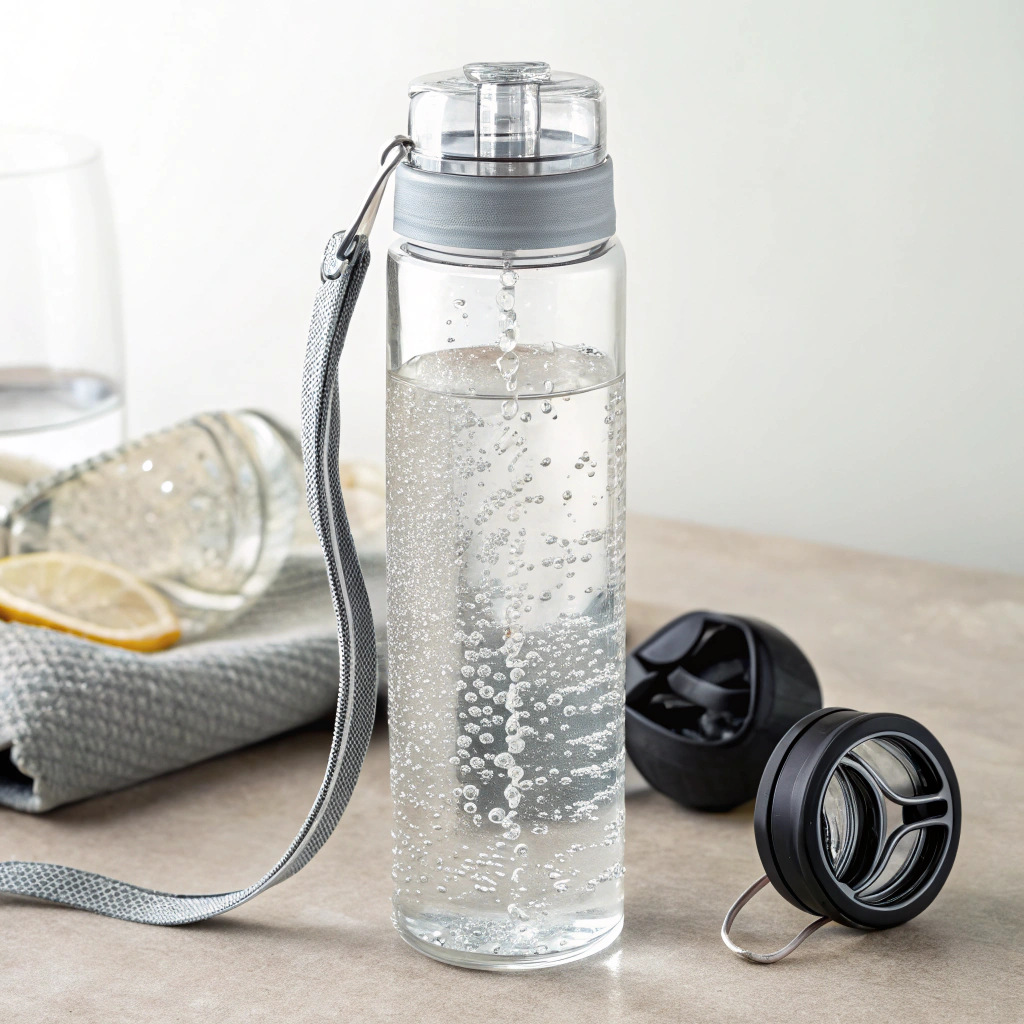
Yes, Air Up is healthy because it delivers 100% pure, additive-free water, using retronasal olfaction scent pods to trick the brain into tasting fruit flavors without adding sugar, chemicals, or calories.
Retronasal Olfaction, Flavor Perception, and Sugar Reduction
Air Up tackles a psychological hurdle rather than a physical temperature challenge. Millions of people struggle to drink plain tap water because they find it boring, yet switching to sodas or sweetened juices leads to excessive sugar intake, tooth decay, and metabolic crashes. Air Up solves this by leveraging retronasal olfaction: as you sip water through the straw, scented air bubbles pass through your nasal cavity.
Your brain interprets this scent as fruity flavor, even though your tongue only touches pure water. The flavor pods contain natural aromas derived from real fruits, spices, and plants. There are zero artificial sweeteners, zero preservatives, and zero acid additives that can wear down tooth enamel. It represents a genuinely healthy hydration breakthrough for anyone attempting to eliminate sugary soft drinks from their daily office routine.
Hydration Format | Sugar & Calorie Content | Chemical Sweeteners | Dental Enamel Impact | Sensory Drinking Experience |
|---|---|---|---|---|
Air Up Scent Pod System | 0g Sugar / 0 Calories | None (100% natural aromatics) | Neutral (Pure water pH) | Flavored taste via smell perception |
Traditional Fruit Infusers | < 1g Sugar / Minimal cal | None (Fresh fruit slices) | Mild acidity from citrus oils | Light, natural fruity water essence |
Powdered Drink Packets | 0g to 15g per packet | Often uses sucralose / aspartame | Moderate acid wear from citric acid | Intense artificial sweet flavor |
Commercial Fruit Juices | 20g to 35g per bottle | High fructose corn syrup | High risk of acid erosion & cavities | Heavy sugary sweetness |
How Long Does Ice Last in a Stanley?
Do you wonder if the viral claims about heavy-duty travel tumblers keeping ice frozen for multiple days are genuine or exaggerated? Testing insulation limits helps you manage real-world expectations for daily use.
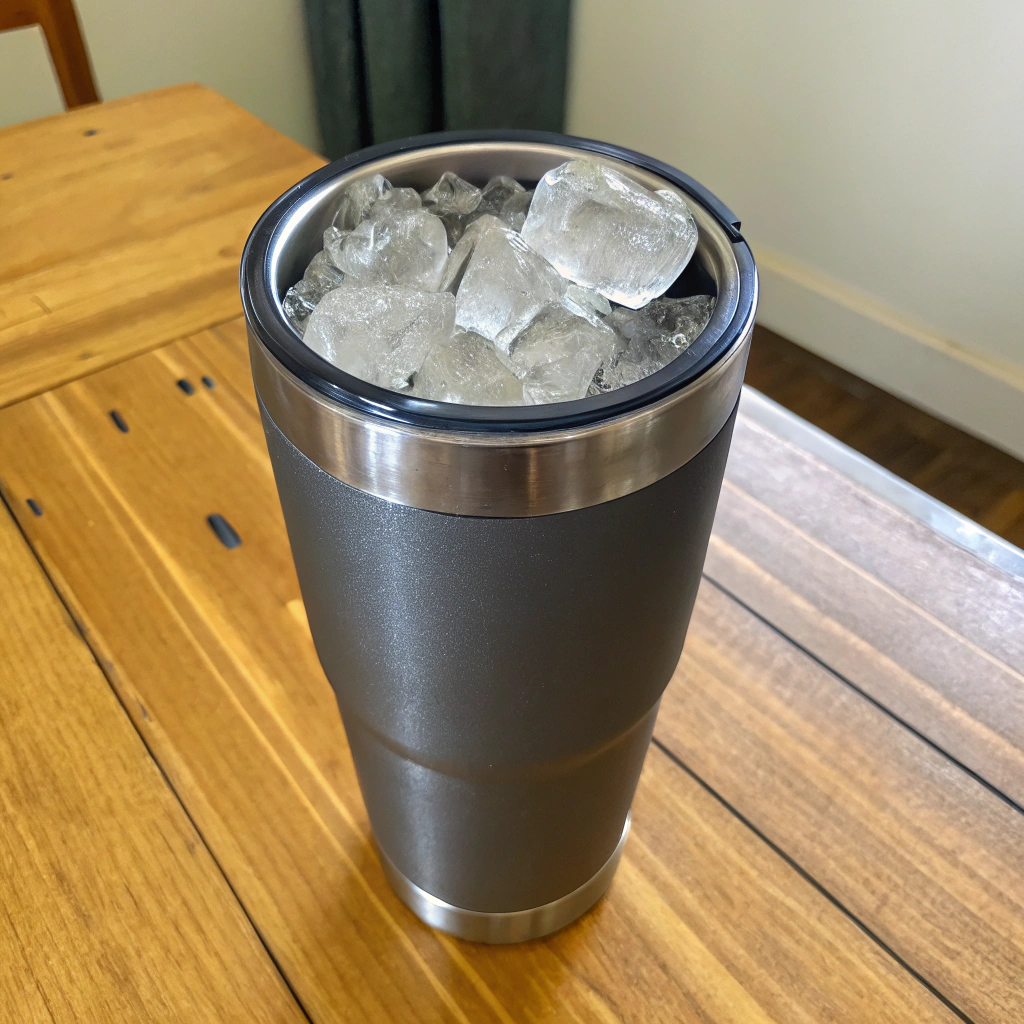
Ice typically lasts between 24 and 40 hours in a standard 40 oz Stanley Quencher tumbler, and up to 48 hours in fully sealed, lid-tight double-wall models under normal indoor conditions.
Real-World Variables Affecting Ice Retention
The impressive ice retention of modern tumblers comes from their heavy-gauge 18/8 food-grade stainless steel construction and robust vacuum chambers. However, the exact duration that ice survives depends heavily on physical habits. If you use a straw lid, warm air slowly enters through the silicone straw port, melting the ice faster than in a completely sealed screw-top bottle.
Other environmental factors play a major role. Packing the tumbler with 70% ice and pre-chilled water allows the ice to last up to 40 hours. If you pour lukewarm tap water over a handful of ice cubes in a hot car, the ice will melt in under 12 hours as it absorbs the initial heat. For corporate merchandise managers sourcing executive gifts, these tumblers offer reliable all-day performance that keeps morning iced coffee cold through the entire workday.
Usage Condition | Initial Ice-to-Water Ratio | Lid Configuration | Approximate Ice Lifespan |
|---|---|---|---|
Air-Conditioned Office (22°C) | 70% Ice / 30% Cold Water | Open straw configuration | 24 to 30 Hours |
Air-Conditioned Office (22°C) | 80% Ice / 20% Pre-chilled Water | Closed rotating cover lid | 36 to 40 Hours |
Outdoor Summer Park (32°C) | 50% Ice / 50% Room-temp Water | Open straw configuration | 10 to 14 Hours |
Sealed Commuter Pack (25°C) | 75% Large solid ice blocks | Fully screwed airtight seal | 40 to 48 Hours |
Conclusion
Choose a water bottle with an ice core for quick, dilution-free cooling during daily workouts, or select a vacuum-insulated stainless steel flask for all-day temperature retention that fits effortlessly into your lifestyle.