Sep 20, 2026Services Overview
What Is an Enamel Badge?
Learn what an enamel badge is, how it is made, and the differences between hard and soft enamel. Discover why enamel badges are popular for branding, events, organizations, and personal expression.
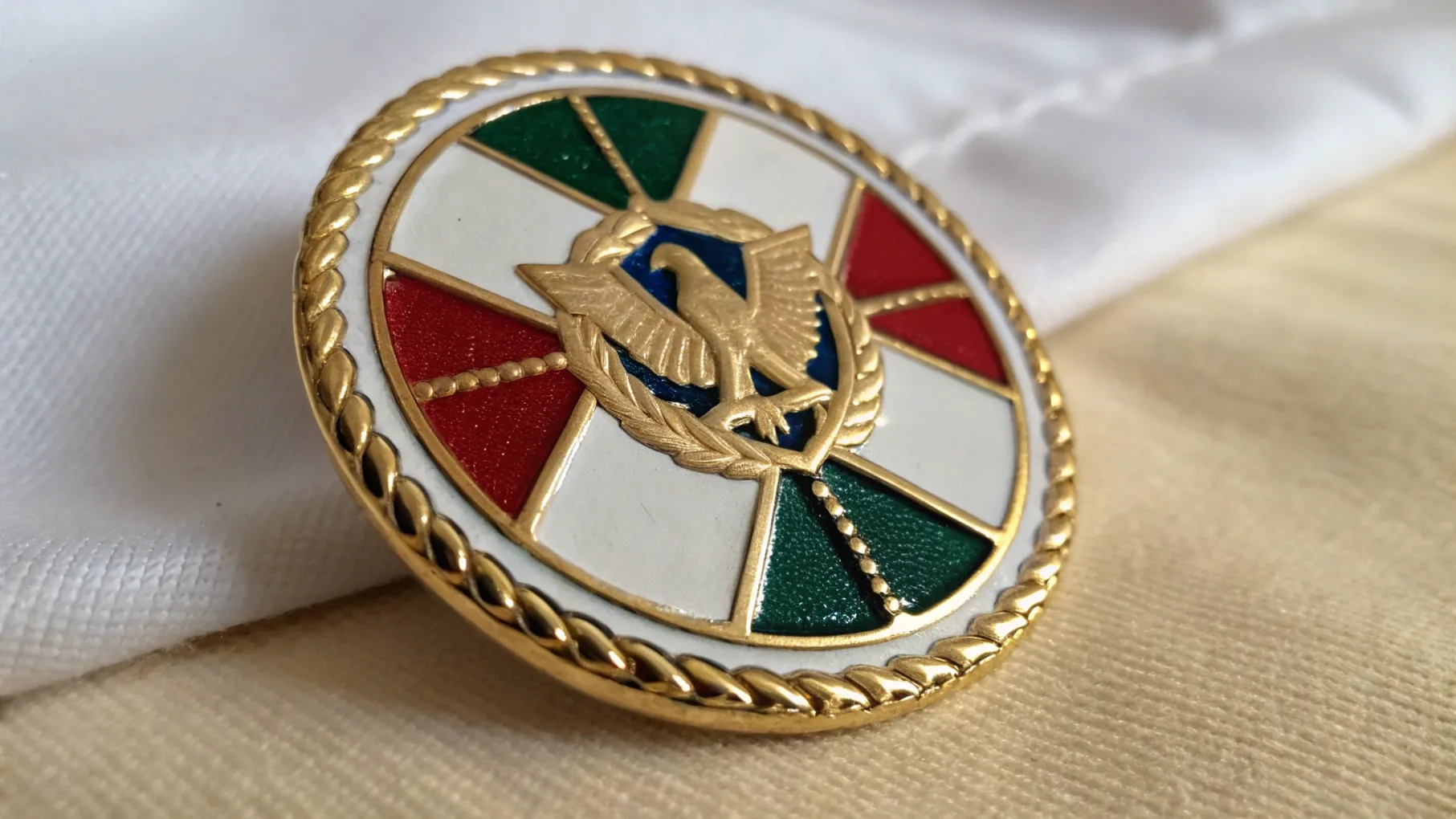
What Is an Enamel Badge?
Handing out disposable stickers or flimsy paper passes fails to leave an impression. Cheap promotional novelties end up tossed aside, wasting your marketing budget and yielding zero brand retention.
An enamel badge is a durable piece of wearable metal jewelry featuring stamped outlines filled with colored liquid or paste enamel, creating a polished, long-lasting emblem used for branding, membership, and personal expression.
Back in my early printing factory days, I watched clients treat merchandise as disposable paper waste. Brand managers like Jacky know that authentic marketing turns a logo into a wearable symbol of identity. An enamel badge bridges that gap between corporate identity and personal pride.
Why Are Enamel Pins So Expensive?
Buyers unfamiliar with industrial metal casting often wonder why tiny badges carry higher quotes than acrylic charms. You might expect mass-production discounts on orders that still cost hundreds of dollars upfront.
Enamel pins are expensive because each unique design requires custom CNC steel die engraving, manual syringe hand-coloring by factory technicians, electroplating baths, and multi-stage stone polishing to achieve a flawless finish.
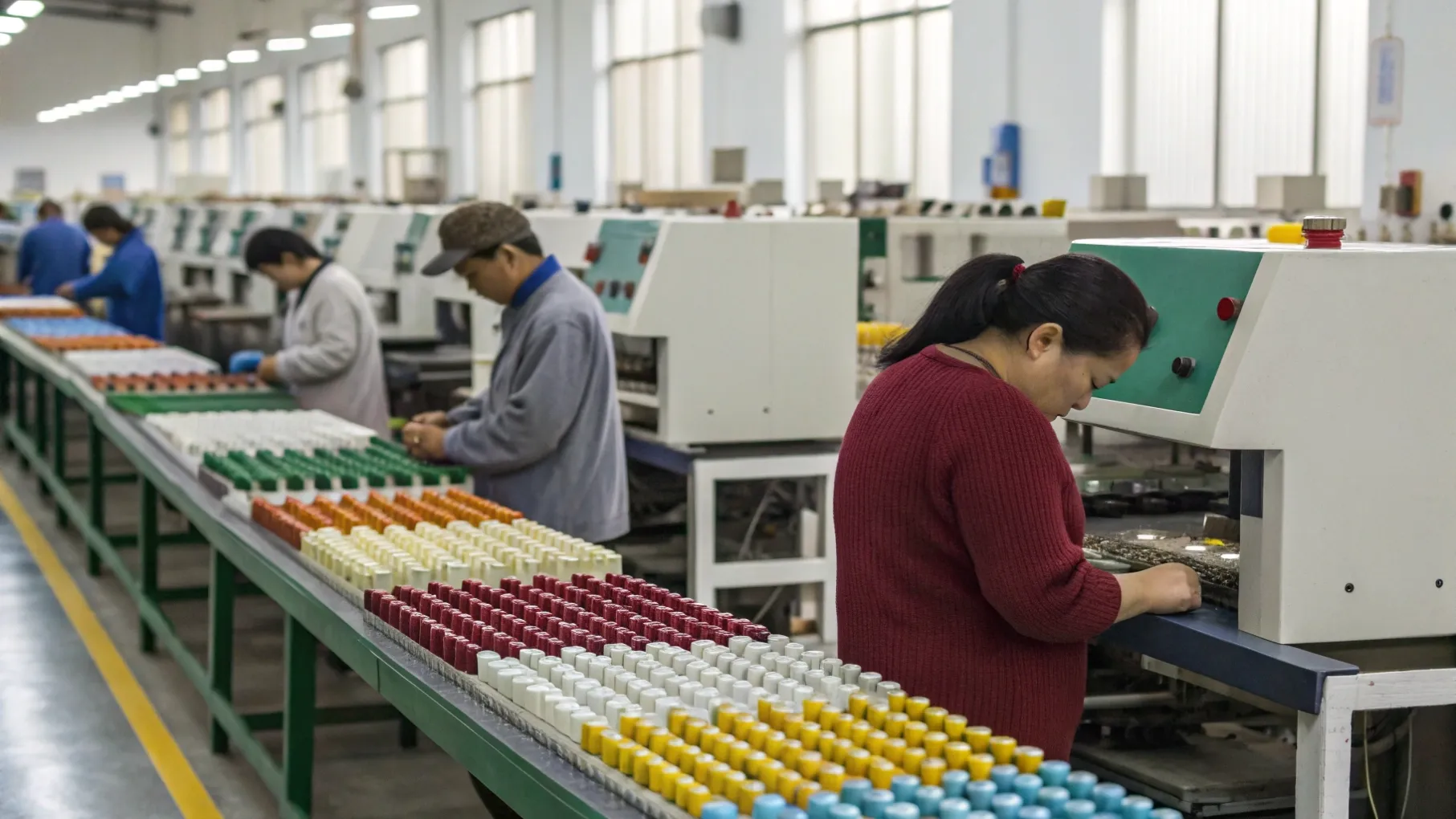
Industrial Tooling and Skilled Manual Labor Costs
The cost of custom enamel pins reflects intricate handcraft rather than automated robotics. Every design requires an engraved steel die mold, costing between 150 to tool before stamping a single piece. If you order only fifty units, that mold fee significantly increases your per-piece unit price. Once stamped into brass or zinc alloy, factory artisans must manually dispense colored liquid paint into each recessed metal cell using precision fine-tip syringes.
Hard enamel badges require even more intensive manual labor. Technicians overfill the metal cells with paste, bake the pieces at high temperatures, and grind the surfaces flat against spinning carborundum stones. Any pin with an air bubble, bleeding color, or scratched metal border gets discarded during quality control. When you purchase enamel pins, you pay for human hours, precision tooling, and high scrap rejection rates.
Production Stage | Machine vs. Hand Labor | Rejection Risk | Cost Impact |
|---|---|---|---|
CNC Die Engraving | Computer-controlled steel milling | Very Low | High fixed upfront setup fee |
Metal Stamping & Cutting | Industrial hydraulic mechanical press | Low | Standard machine maintenance |
Color Enamel Dispensing | Skilled human artisans using syringes | High (Overfills and air voids) | High manual labor cost |
Grinding & Hand Buffing | Hand-held spinning polishing wheels | High (Surface scuffs and pits) | High secondary labor expense |
Why Are They Called Enamel Pins?
Many people assume the word "enamel" simply means shiny industrial house paint. Searching for pins often confuses buyers about historical terms and modern production materials.
They are called enamel pins because their decorative coloring process originates from traditional vitreous enameling, an ancient technique where powdered colored glass was fused to metal bases under extreme kiln heat.
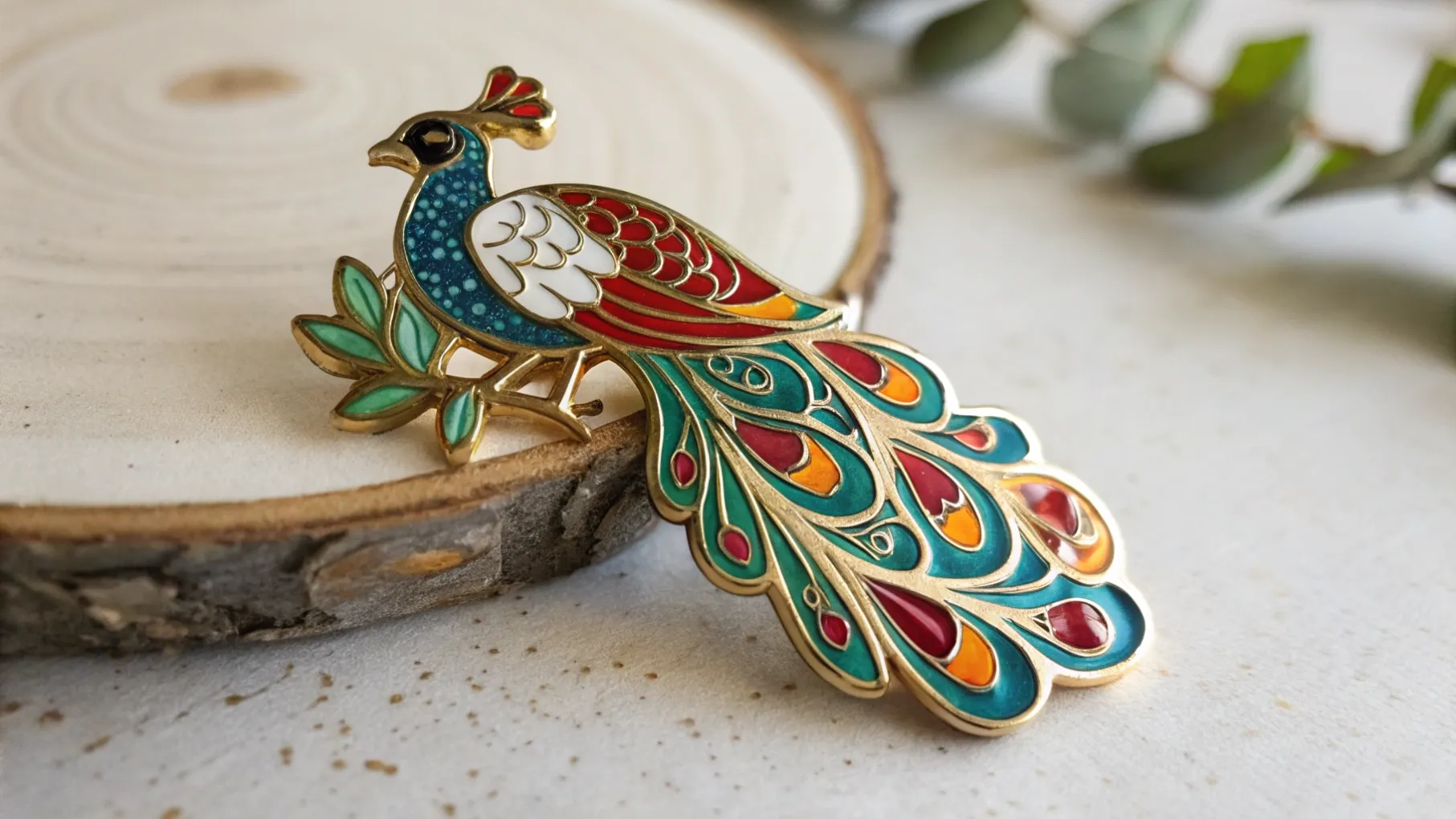
The Evolution from Ancient Glass to Modern Synthetic Resin
The term "enamel" carries a rich decorative history stretching back thousands of years. Ancient Egyptian, Greek, and Chinese artisans practiced cloisonné by soldering thin gold or bronze wires onto metal vessels and filling the spaces with powdered silicate glass. They placed these objects inside high-heat kilns to melt the glass powder into a hard, glossy gemstone surface. When early badge makers adapted this jewelry craft for military service medals, they retained the traditional term "vitreous enamel."
Today, modern promotional production relies on advanced synthetic resins and liquid polymer enamels. These modern formulations match precise Pantone corporate brand colors without cracking. They bond tightly inside electroplated metal borders, offering excellent impact resistance for daily wear. While modern manufacturing uses advanced polymers rather than crushed glass, the historical name "enamel" remains the worldwide standard for metal pins with recessed color fills.
Enamel Technology | Base Material Used | Curing Method | Historical & Commercial Era |
|---|---|---|---|
Vitreous Hard Enamel | Crushed glass-mineral silicates | High-temperature kiln (800°C+) | Ancient cloisonné, royal medals |
Modern Hard Enamel | Dense synthetic polymer paste | High-heat oven curing & polishing | Corporate service awards, luxury lapels |
Soft Enamel | Liquid pigmented acrylic resin | Low-temperature bake (150°C) | Retail merch, streetwear, character pins |
Epoxy-Coated Enamel | Clear thermoset epoxy layer | Ambient UV or heat curing | Protective domed badges, youth club pins |
Do Enamel Pins Contain Lead?
Parents and school administrators often worry about heavy metal toxicity in custom accessories. Placing untested pins on children's jackets or backpack straps can raise valid safety concerns.
Reputable modern enamel pins are lead-free, using safe zinc alloy or brass bases and non-toxic synthetic pigments that comply with global safety standards like RoHS, REACH, and California Proposition 65.

Chemical Safety Standards in Metal Badge Production
Historically, antique jewelry makers added lead to vitreous glass enamel to lower melting temperatures and brighten color vibrancy. Traditional manufacturing plants also mixed lead into pewter or white metal alloys to make cast metal flow easily into rubber molds. Today, strict international product safety laws have eliminated hazardous lead from commercial promotional merchandise. Reputable manufacturers use modern zinc alloy die-casting or stamped brass and iron, which naturally contain no added lead.
For brand managers like Jacky, requesting compliance documentation from your factory partner is essential. Premium gifting agencies ensure all paint pigments and base metals pass independent laboratory testing. These tests confirm total lead concentrations sit well below the ninety parts per million limit required by the Consumer Product Safety Improvement Act (CPSIA). Choosing a certified, quality-tested supplier ensures your custom corporate pins remain safe for clients, employees, and children alike.
Safety Standard | Regional Jurisdiction | Regulated Substance Limit | Practical Compliance Impact |
|---|---|---|---|
CPSIA Section 101 | United States | Lead under 90 ppm in paint/coatings | Mandatory for youth accessories and gifts |
EU REACH Regulation | European Union | Strict heavy metal & nickel release limits | Prevents contact dermatitis from metal clasps |
RoHS Directive | International | Restricts lead, cadmium, and mercury | Ensures safe, non-toxic manufacturing lines |
Prop 65 Compliance | California, USA | Requires warning labels if lead is present | Demands zero-lead certified base alloys |
Conclusion
An enamel badge is an engineered, durable symbol that turns corporate logos into collectible jewelry. Choose safe materials, clean designs, and certified sourcing to create lasting marketing value.